





 English
  Francês
  Alemão
  Italiano
  Japonês
  Norueguês
  Portuguese
  Spanish
  2 min of reading


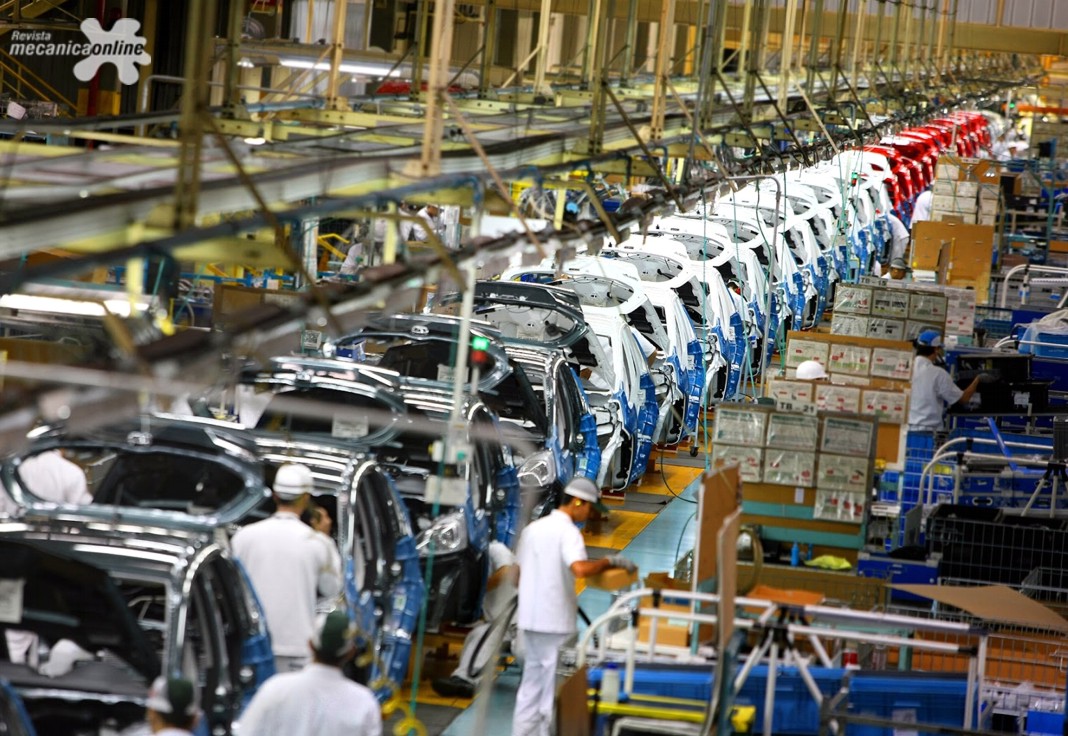
Automakers Will Be Able to Invest in Technological Development at a Rate of 2% to Be Paid on the Importation of Parts Without Equivalent in Brazil.
In Brazil, the Ministry of Economy has just announced the launch of Rota 2030 – a program of tax incentives from the federal government that establishes the foundations of an industrial policy for the automotive sector. In SP, Toyota Factory Will Receive 1 Billion Reais and Hire 300 People.
Brazil has the capacity to offer the world disruptive innovation in the automotive sector, evaluated Rafael Lucchesi, the Director-General of the National Service for Industrial Learning (SENAI).
-
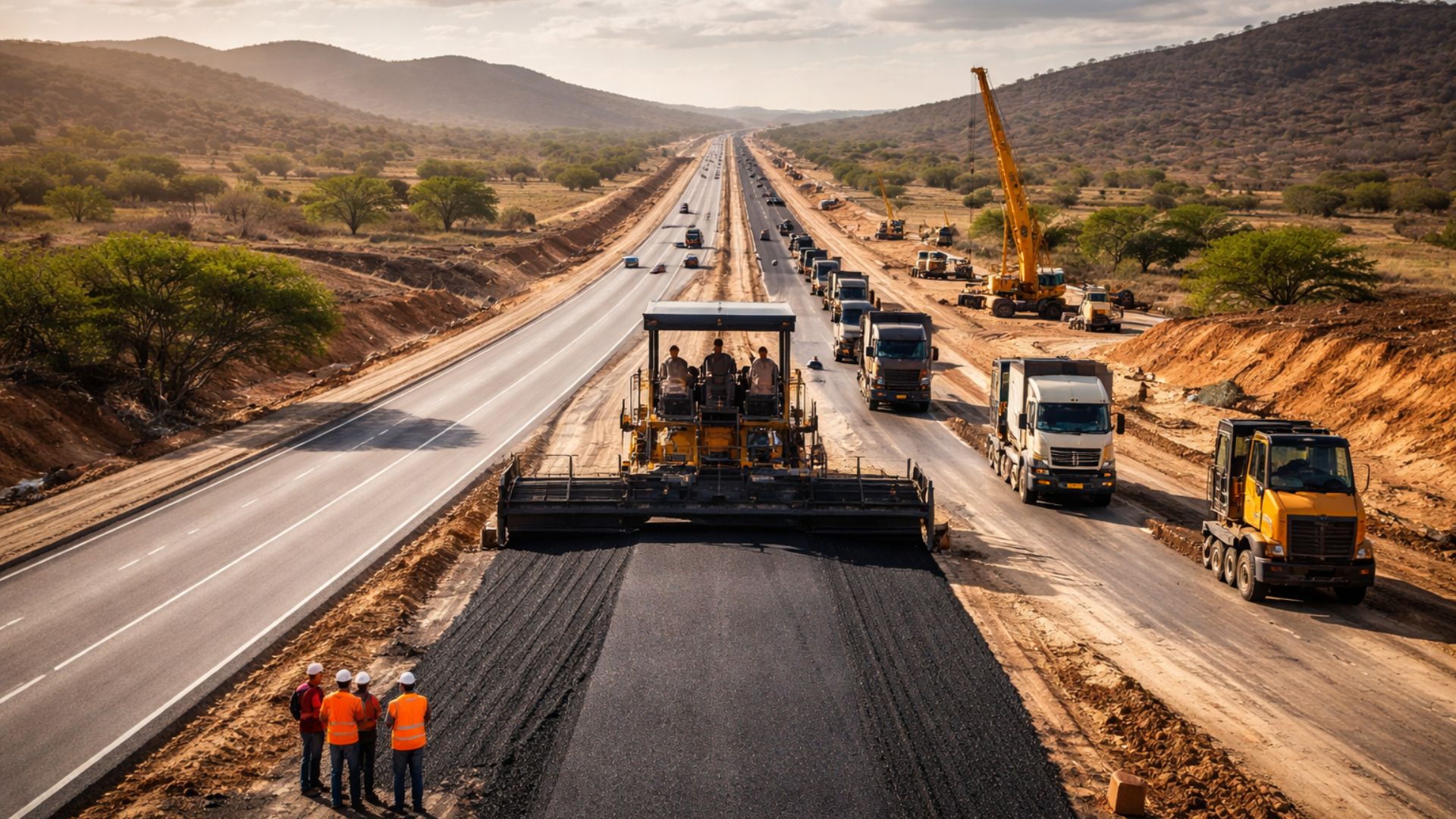
Government unlocks R$ 554 million for a highway that has been requested for decades and accelerates the duplication of BR.
-
Without bricks, without cement, and without endless construction: the cardboard house that is assembled in modules and can be moved.

-
Billions of barrels on the equatorial margin could lead Amapá to double its oil production in Brazil — the state aims to enter the route of companies in the Campos Basin, attract investments, and boost jobs and businesses in the oil and gas sector.

-
Without bricks, without cement, and without endless construction: the cardboard house that is assembled in modules and can be moved.

At a ceremony at the headquarters of the National Association of Motor Vehicle Manufacturers (Anfavea) in São Paulo, he signed, along with the special secretary for Productivity, Employment, and Competitiveness of the Ministry of Economy, Carlos da Costa, a partnership with the federal government in which SENAI will use its educational structure and Institutes of Innovation and Technology to increase the productivity of companies in the sector.
One of the pillars of Rota 2030 is to invest in innovation in the automotive sector’s value chain. The initiative aims to support technological development, competitiveness, innovation, vehicle safety, environmental protection, energy efficiency, and the quality of automobiles.
To obtain tax benefits, companies must commit to investing in research and development of more efficient and safer vehicles. The forecast is that Rota 2030 will mobilize around R$ 1 billion over the next five years.
The government has eliminated the import tax on auto parts, and in return, industries deposit 2% of the imported value into a fund that will allocate resources to six priority programs.
After competing with other institutions, SENAI has qualified to manage the productivity axis and is already authorized to raise R$ 40 million of the R$ 100 million available.
In addition to SENAI, the Brazilian Company for Research and Industrial Innovation (Embrapii); the Research Development Foundation (Fundep); the National Bank for Economic and Social Development (BNDES); and the Financing Agency for Innovation and Research (Finep) have also been accredited to manage the fund’s resources.
“This money will be allocated, together with the entities, for academia to develop, conduct research, and innovate so that we can meet these demands of society,” explained the president of the National Association of Motor Vehicle Manufacturers (Anfavea), Luiz Carlos Moraes.
The funds raised through tax exemptions will be managed by a management council that involves representatives from industry and academia.
Andrade Gutierrez Wins 20 New Projects and Returns to Hiring









Seja o primeiro a reagir!