





 Portuguese
  English
  Spanish
  8 min of reading
  0 comments


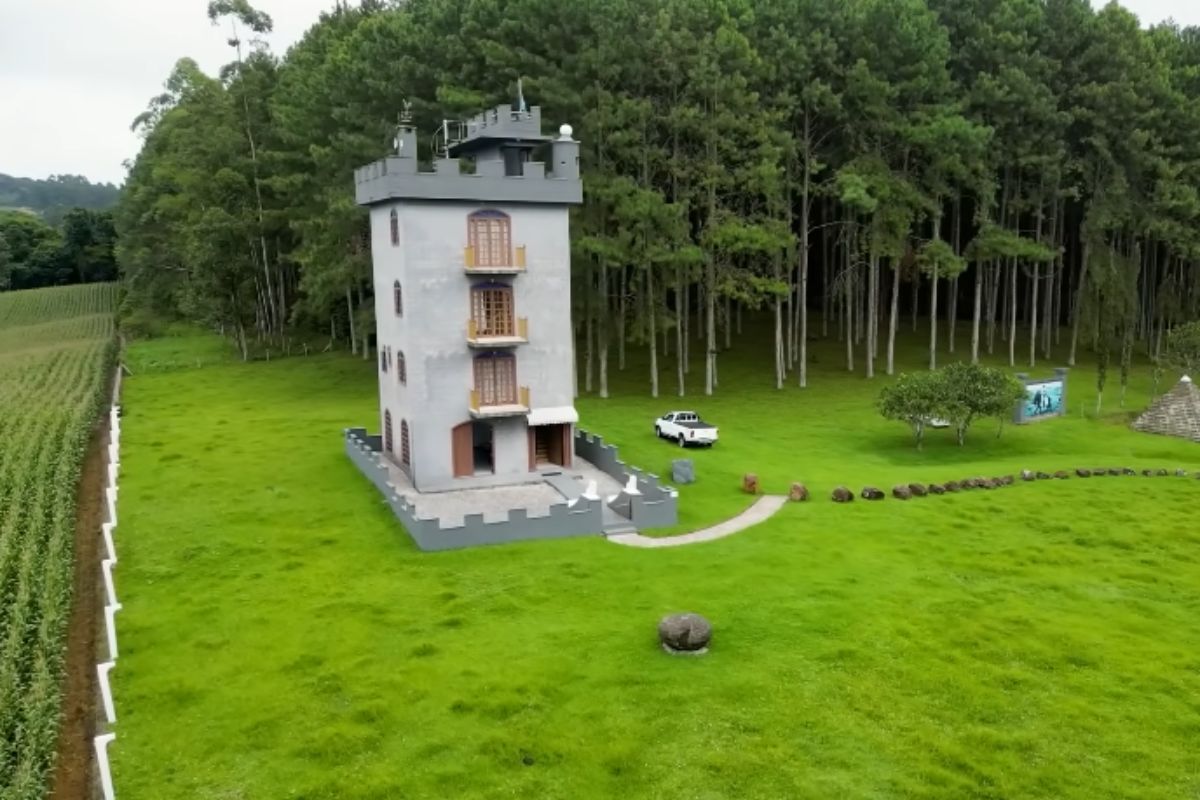
In The High Valley of Itajaí, Your Amélio Builds a 5-Story Castle with Egyptian Symbols, Ancient Relics, and Details Related to the Number 32 to Keep Alive the Story of His Daughter Bianca and Preserve the Roots of the Family at the Santa Matilde Farm
To lose a child is to go through a type of silence that has no name. In the interior of Taió, in Santa Catarina, your Amélio, now 82 years old, found a very personal way to deal with this pain. After the death of his eldest daughter, Bianca, in a car accident at 32 years old, he decided that he would not let the memory of the “flower of the house” dissolve over time. Instead, he builds a castle in the heart of the countryside, a tower that rises amidst cattle ranching and reforestation as a monument of longing, faith, and history.
Inspired by a building in Montreal, Canada, that he learned about in a report, your Amélio repeated to himself that he was not a millionaire, but he could build a miniature version. What started as an intimate gesture to remember his daughter turned into a curious attraction in the High Valley of Itajaí, where every detail of the castle, inside and out, carries a symbol, a story, and a piece of the family’s life.
A Castle Rose from the Pain: The Daughter, the Number 32, and the Idea of Memory

Bianca was the eldest daughter, the “cherry on top” of the family. Married, happy, at 32 years old, she went on vacation to the beach with her husband and never returned. The accident that took her life dragged her parents to the depths of despair, as your Amélio says bluntly.
-
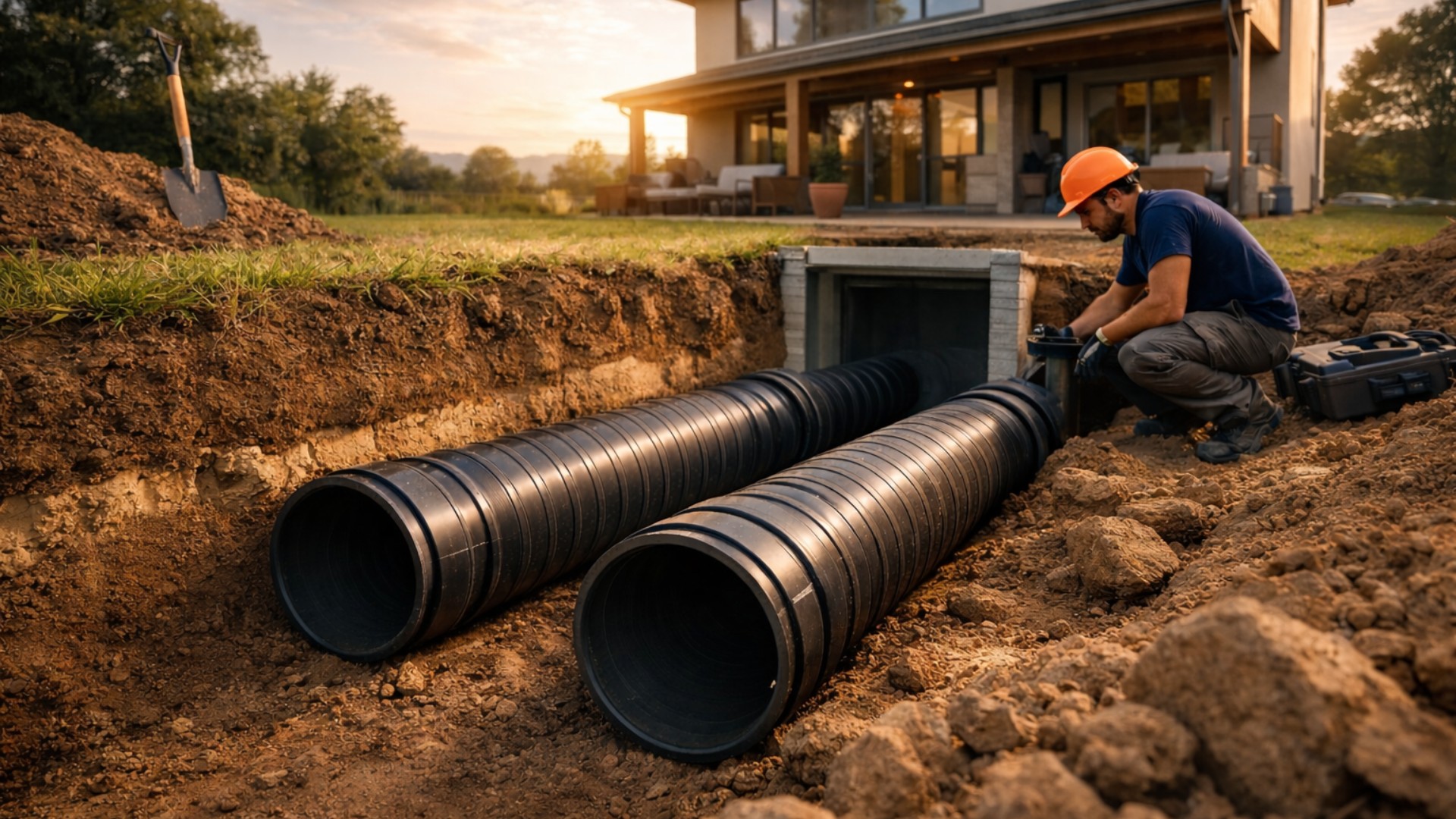
Architects are burying plastic pipes 2 meters deep and using ducts up to 30 meters long to cool homes without electricity, with low-consumption fans and natural heat exchange that drastically cuts the electricity bill.
-
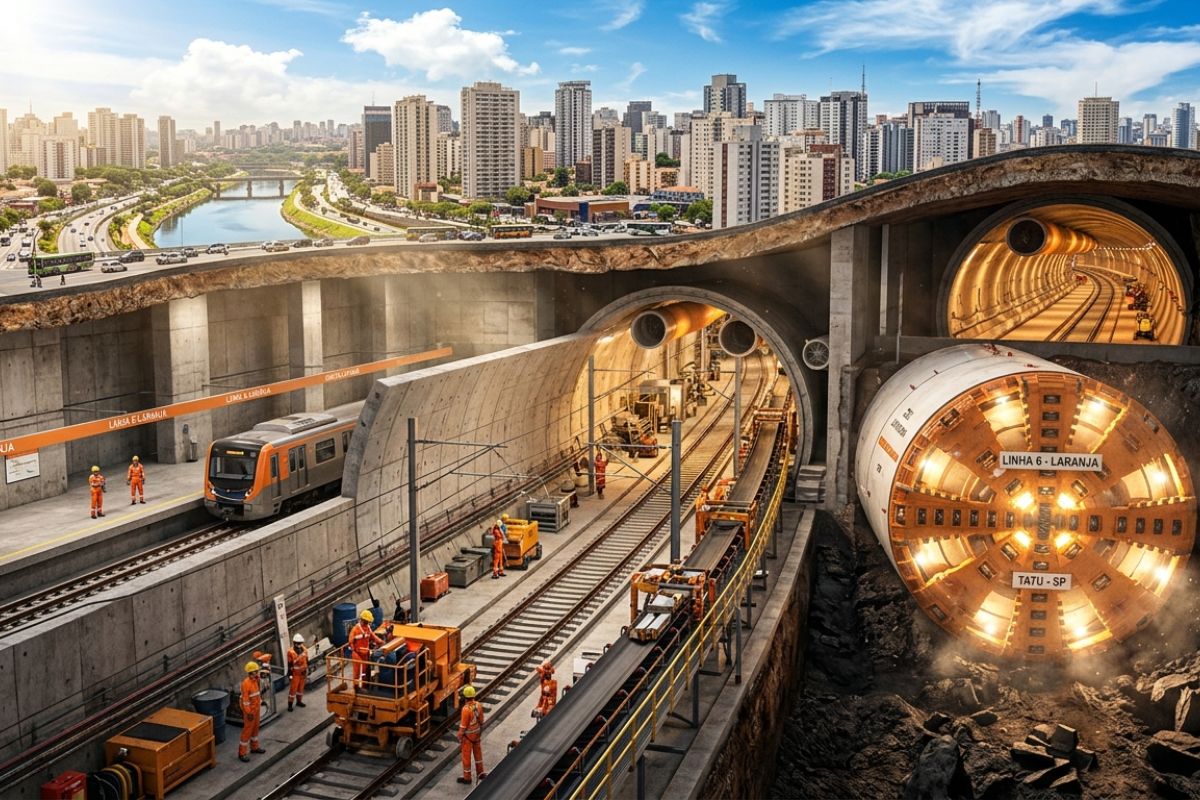
Under São Paulo, Line 6-Orange reaches 15.3 km and 15 stations, promising 23 minutes from Brasilândia to the Center and 633,000 passengers per day; with autonomous trains, it will open a partial section in October 2026.
-
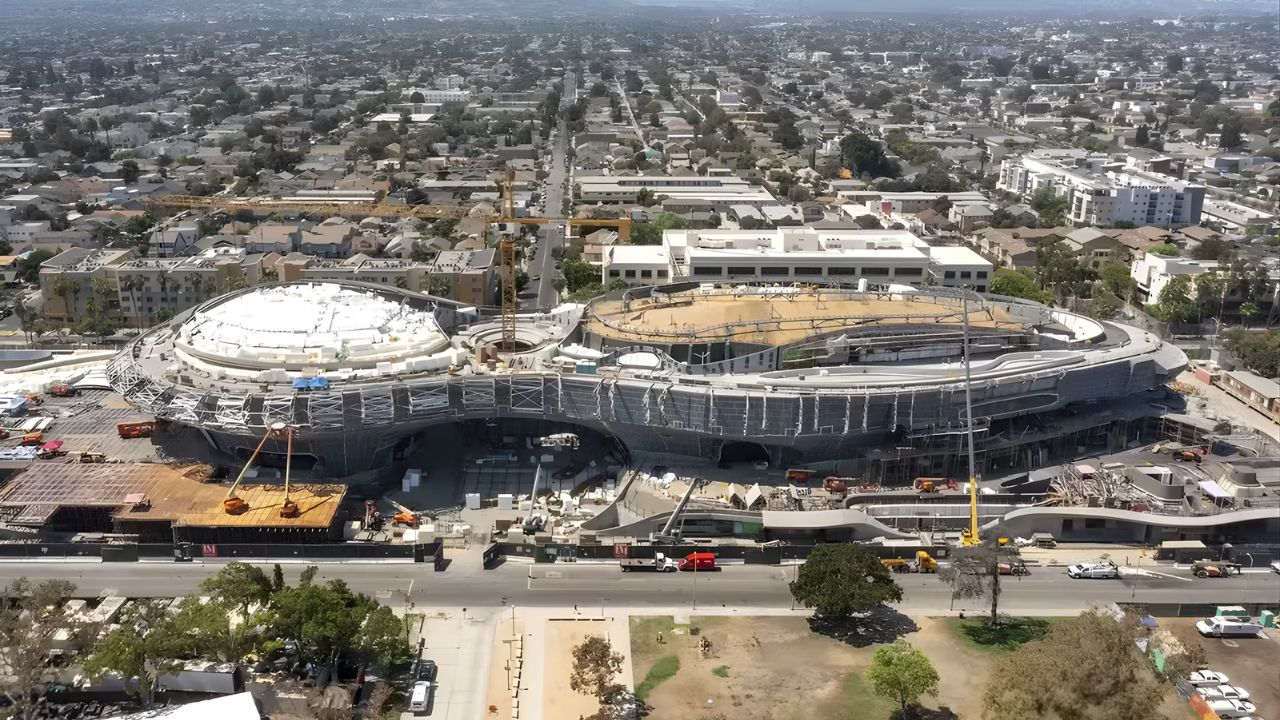
Created by George Lucas with over $1 billion, a futuristic museum in the shape of a spaceship with 1,500 curved panels is about to open in Los Angeles and will house one of the largest private collections of narrative art in the world.
-
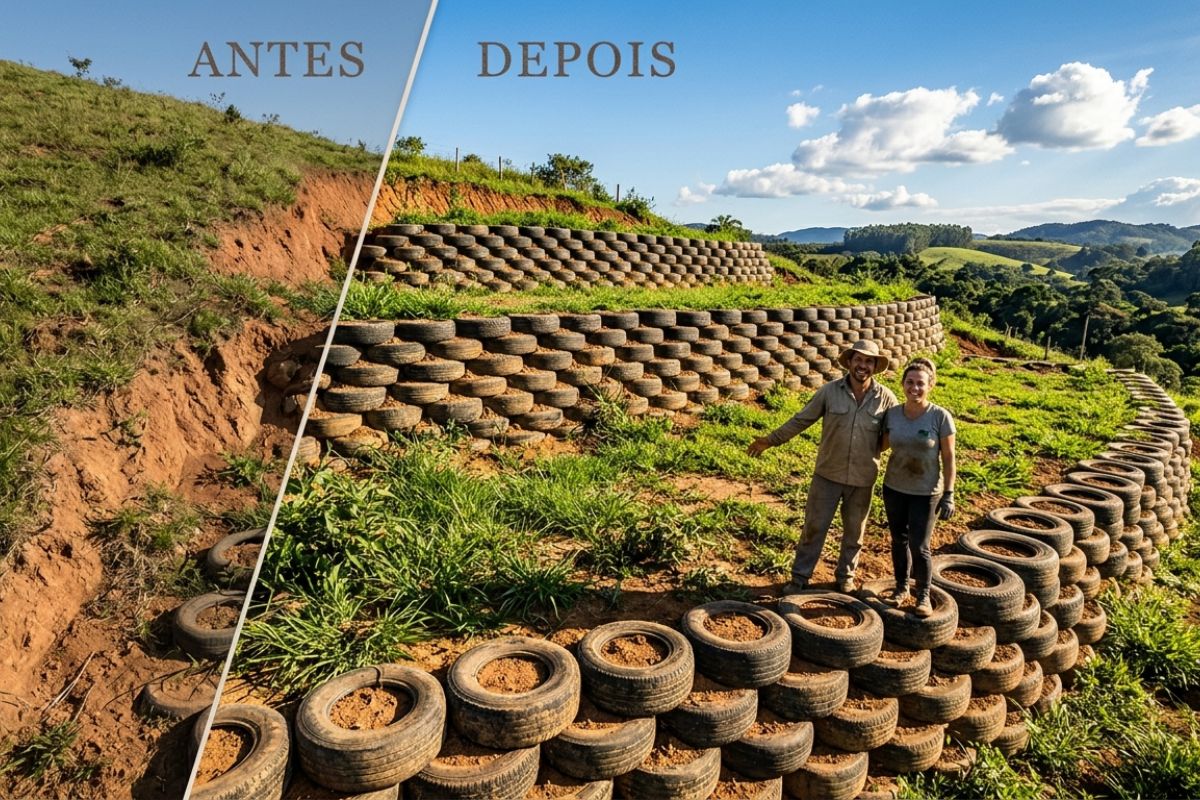
Couple shows how they built a retaining wall on their property using 400 old tires: sloped land turned into plateaus, tires are aligned, filled, and compacted with layers of soil, with grass helping in support and at almost zero cost.

From that deep grief was born the decision that would guide the following years: he builds a castle so that, as long as he and Dona Ivoni live, the memory of their daughter has a concrete place to reside.
The photos of the construction show the beginning in 2004. On the outside, the castle-shaped tower contrasts with the rural surroundings.
On the inside, everything was designed to mark the age of the daughter forever. Bianca was 32 years old, and the number 32 became an invisible axis of the architecture.
The Castle of the Number 32: Cypress Trees, Stones, Steps, and Height
The castle has five floors, including the terrace, totaling about 200 square meters of built area made of concrete blocks. But it is the details that reveal the emotional logic of the project.
Your Amélio says that, in honor of his daughter’s age, he planted 32 cypress trees along the path to the house. Between the gate and the entrance, visitors pass 32 stones, from the smallest to the largest, representing the growth of a person to adulthood.
The symbolic math continues in the measurements. The house is 16 meters tall, half of 32, and the internal staircase has 64 steps, double that of 32.
Each number was chosen as a way to engrave the presence of the daughter in the concrete, in the ground, in the eyes of those who ascend and descend the tower. It is not just a different building. It is an emotional reasoning transformed into architecture.
Inside the Castle: Suites, Kitchen, and a Room Just for Her
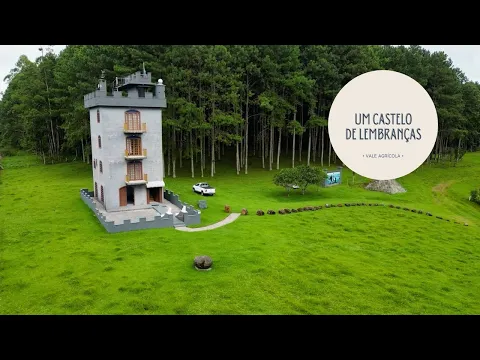

The interior of the castle consists of suites, living rooms, and a kitchen. The space is used by the family and friends mainly on weekends, for moments of gathering, rest, and companionship.
Right at the entrance, however, there is one area that stands out from all the others: a room specially dedicated to the daughter.
It is there that your Amélio and Dona Ivoni like to enter to meditate, think, and converse with Bianca in thought.
The room features a text that acts almost like an eternal letter, thanking for the memories and saying goodbye to the daughter who marked the history of the house.
More than just a room, the space has become an intimate altar for the family, where longing and gratitude meet.
From the Farm to the Auto Parts Store: The Man Who Builds a Castle and Collects Stories
To raise all this, it took more than emotion. It required a lifetime of work. The son of farmers, raised in the countryside in a family of ten siblings, your Amélio always divided his time between the countryside and the city.
Throughout his life, he balanced farm activities with selling auto parts, a business that helped ensure financial stability for the family and allowed investments like the castle.
At the Santa Matilde Farm, named in honor of his mother, he gathers memories of many decades. Old pots used to cook for the family, a pocket knife and a razor from his father, coins kept as relics, pieces that carry not only their original function but the weight of the memory of those who came before. In every corner of the castle, on every shelf, there is an object with a story and someone to be remembered.
Antiques, Travels, and a Castle That Is Also a Family Museum

As you ascend the castle’s stairs, new chapters of this memory collection appear. Photos taken with a telescope, records of travels, small tributes to historical figures.
On one of the walls, for example, is Atahualpa, the last emperor of the Incas, remembered there for having been brutally murdered by the conquerors.
Next to it, a sword harkens back to the old houses where the resident kept the weapon by the door, ready to defend against nighttime invasions.
The castle that your Amélio is building is not only a tribute to his daughter but also a window into how he views the past: a collection of stories that need to be told and preserved.
In the kitchen, there is another strong reminder. A little harmonica, a simple instrument that marked your Amélio’s childhood.
He was raised by an aunt who liked to play at night while the children fell asleep. When this aunt passed away and the family asked what he wanted to inherit, the response was straightforward.
No property, houses, or land. He only asked for the harmonica, which today occupies a prominent place in the castle.
The Minaret, Egypt, and the Water Divide Line That Flows to Buenos Aires
At the top, the castle features a minaret, inspired by constructions from Egypt and other places. Your Amélio explains that in these towers, the person in charge would watch over the surroundings and sound alarms with a horn, depending on the situation.
From up high, one can see the water divide line of the Itajaí Valley, a geographical cut that he knows by heart. The water that falls there flows into the Canoas river, then follows to the Pelotas river, and further on to the Uruguay river.
The route continues until it discharges between Montevideo and Buenos Aires. For someone building a castle full of meaning, even the rain has a destination worth narrating.
Miniature Pyramid and the Passion for the History of Egypt

When the subject is Egypt, your Amélio gets excited. He mentions the pyramids of Khufu, Khafre, and Menkaure, talks about the fourth dynasty, and recalls that the great pyramid was built with millions of stone blocks over decades of work.
Not by chance, at the farm he also erected a miniature pyramid, in reduced scale, to honor this ancient engineering that fascinates him so much.
He compares the original monumental structure to his miniature version, jokes with numbers of height, weight, and tons, and shows how, in his view, the history of the world and the history of the family intersect in the same rural landscape of Taió. The castle, the pyramid, and the Egyptian symbols function as bridges between different times.
A Marriage of Nearly 60 Years and a Farm Full of Roots
Besides the castle he builds and the relics he keeps, your Amélio also likes to talk about his marriage to Dona Ivoni.
They have been together for almost 60 years, a time he compares to the ways families, commitment, and unity were perceived in the past.
While today many couples simply come together, separate, and follow different paths, he notes that for his generation, marriage was seen as something more sacred, requiring persistence and care.
Almost six decades later, the castle, the farm, and the stories told in the rooms and in the shed bear witness to this shared life.
On the land, there is a garden, a shed, and more curiosities. One highlight is an old John Deere tractor, a model used in the 1940s, during the wartime when machines were started by hand.
In the same space, a mill from 1901 serves as a reminder of how flour was made and how pork was rendered. A mortar over 100 years old, a cart for pulling wood, pieces of train tracks shaped by hammer strokes.
Each piece has a story, previous location, and the name of the person who used it. At one point, your Amélio even explains why the ox cart had wheels at the owner’s height.
It was a way of protection against theft, using the wheel itself as a shield when the transport carried gold and precious stones.
An Intimate Place, More Memory Than Tourist Attraction

Despite so many curiosities gathered, the Santa Matilde Farm is not open for public visitation for now. The castle he builds, the antiques, and the landscapes serve primarily for more private moments.
The owner himself shares that he enjoys sitting down, reading a book, welcoming friends from the third and fourth ages to talk, share stories, and revisit memories.
It is not an official tourist attraction. It is, above all, a space of memory, where the longing for his daughter, pride in the family, and passion for history blend together.
The castle that arose from deep pain has also become a living archive of everything this family has lived, believed, and preserved.
In the end, a visit to Ribeirão do Ouro, in Taió, leaves a dual feeling. On one hand, the longing for Bianca, which motivated her father to raise an entire tower in her honor.
On the other hand, the sensation that, amid so many losses, there are still those who transform pain into creation, memory into architecture, and the past into a good conversation at the end of the day.
And you, if you were in your Amélio’s shoes and could choose a concrete way to honor someone who marked your life, would you build a castle, keep special objects, or choose another way to eternize that memory?








-

-

-

-

-

19 pessoas reagiram a isso.