





 Portuguese
  English
  Spanish
  6 min of reading
  3 comments


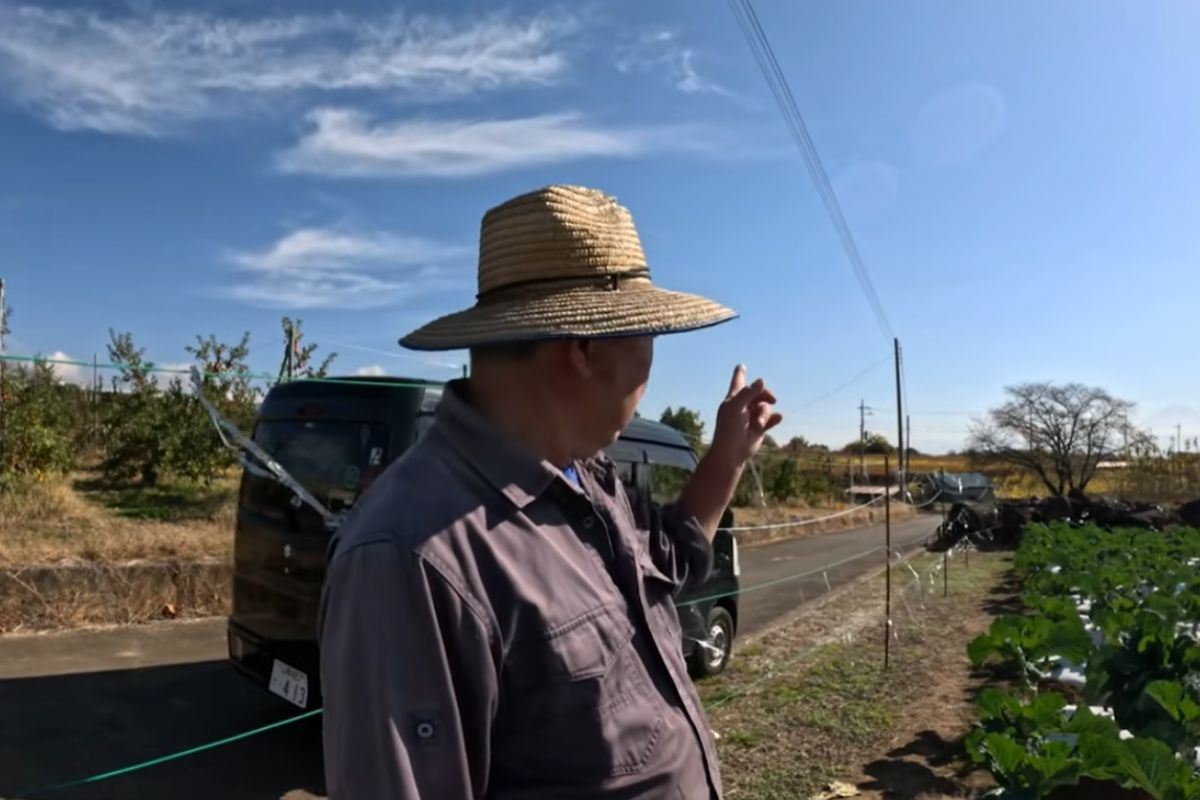


In Mountainous Area, In Japan, Brazilian Farmer Faces Frost, Wild Animals And Lack Of Labor, But Keeps Production Of Cabbage, Apple, Grapes And Beautiful Vegetables Aligned And Capable Of Ensuring Stable Income In The Farm
A video recorded in the mountainous region of Yamanashi shows that, in Japan, Brazilian farmer can still make a living from the farm with hard work, technique, and good stubbornness. Among rows of impeccable cabbage, loaded apple trees, and grapevines, Nelson receives visits from friends, explains the management, and surprises with the organization of the property, always with the mountains and Mount Fuji on the horizon.
Far from Brazil where he grew up avoiding heavy work in the fields, he now declares himself in love with the land. With planning, careful management, and much discipline, this producer shows that, even dealing with intense cold, frost, birds, insects, and even the risk of bears, in Japan, Brazilian farmer can maintain a high-quality and consistent production standard that captivates those who visit the property.
From Childhood In Brazil To Renewed Passion For The Farm
Nelson says that, in his childhood, he helped his mother plant cabbage and chives in Brazil, but back then he didn’t want to know about farming.
-
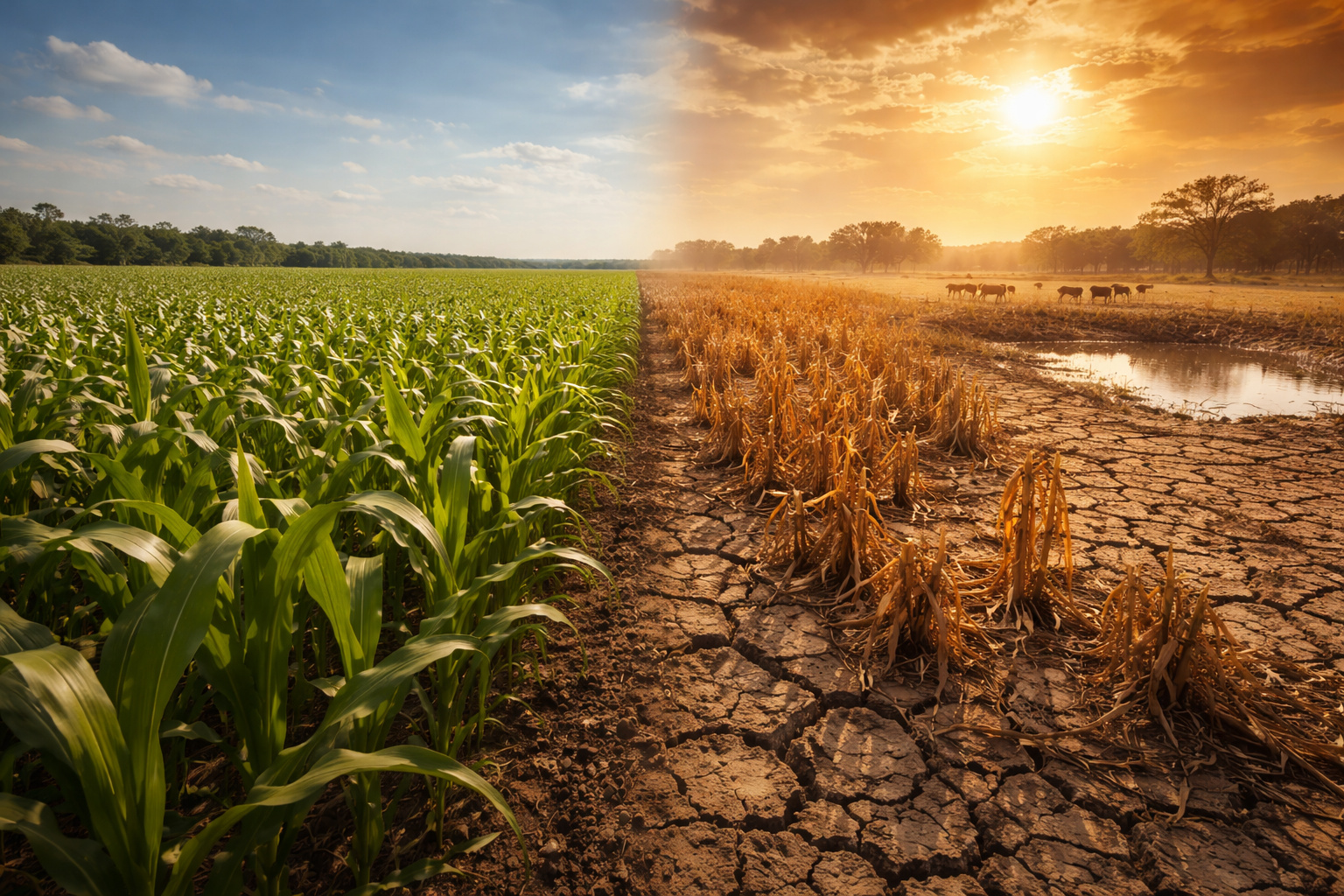
Extreme heat is already invading crops, reducing productivity and putting pressure on livestock, fishing, and forests worldwide, and data from the FAO shows that the increase in temperatures has shifted from being a climate risk to a direct threat to global food production.
-
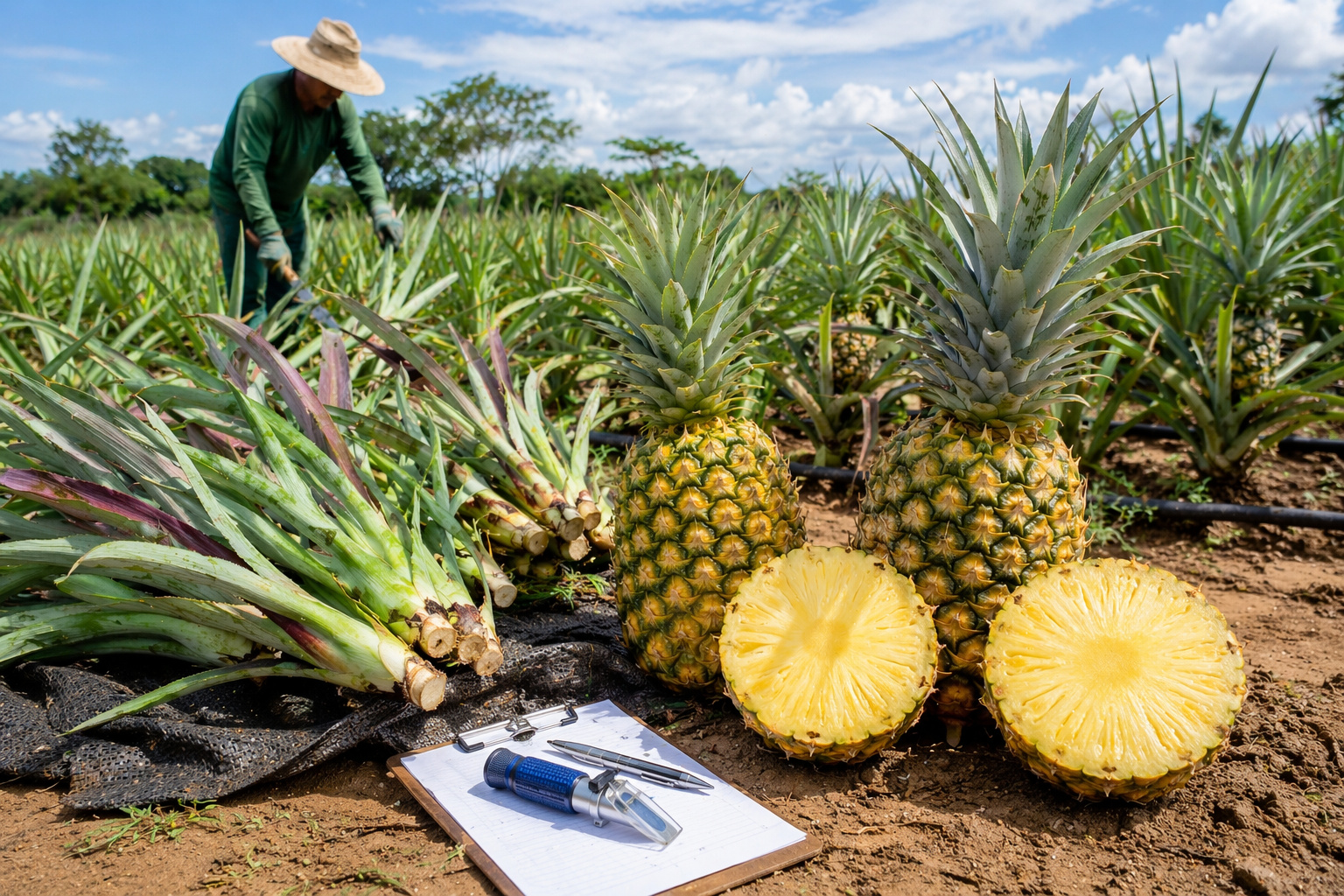
Spine-free pineapple, sweeter and more resilient: Mato Grosso develops new cultivars that promise to reduce losses from fusariosis and increase productivity in the field.
-
BNDES releases R$ 129 million for CNH Industrial Brazil to create more modern agricultural machines, with eight projects that include harvesters, accessible tractors, and a planter capable of applying seeds, fertilizers, and inoculants all at once in the Brazilian field.
-
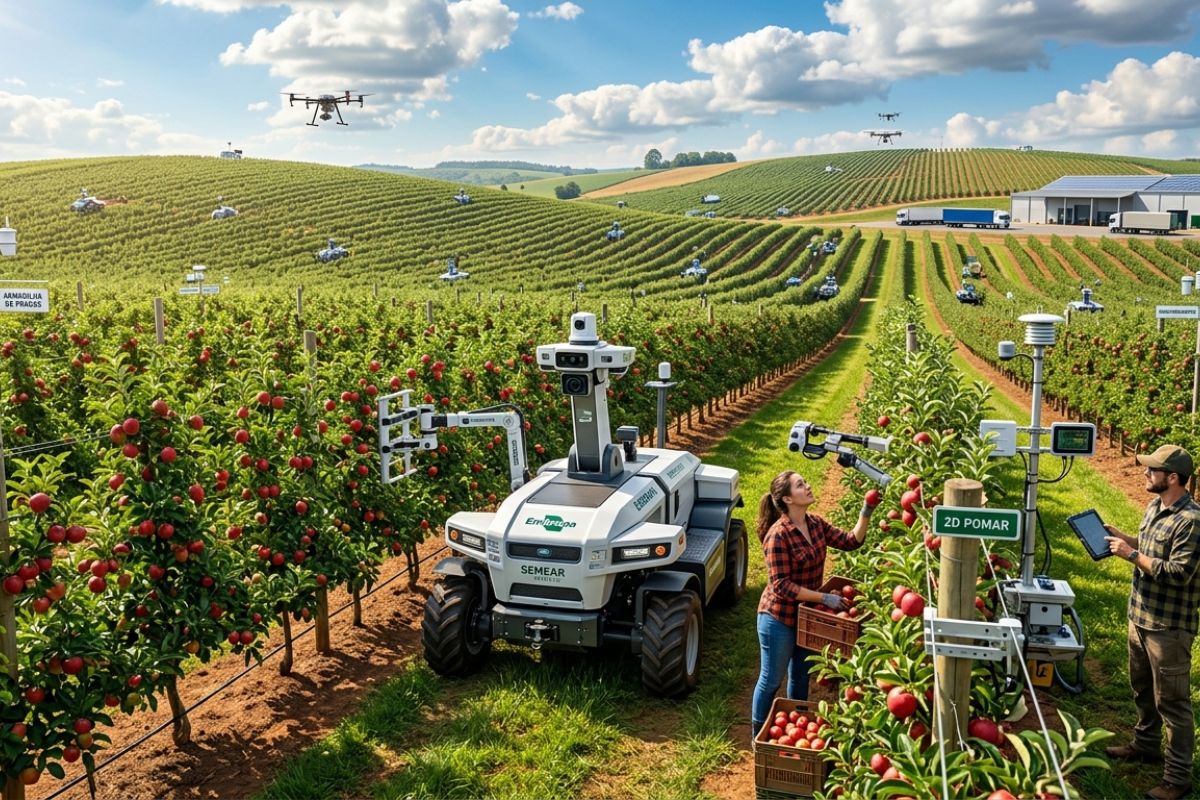
From manual harvesting to robotics: Vacaria, the apple capital, becomes an Embrapa laboratory in Semear Digital, with point-to-point mapping, pest traps, traceability, and 2D orchards to combat labor shortages.
Throughout his life, his path took him to the other side of the world. Now, as an adult and settled, in Japan, Brazilian farmer reconnects with agriculture and candidly admits that it is easier to separate from his wife than from the farm.
This turnaround in relation to the land appears in every bed. He speaks of care for customers and for what he plants as the true secret of the harvest, more than any miraculous product.
The result is in the details of the video: perfect alignment of the rows, clean leaves, protected soil, and a farm that blends Brazilian experience with adaptation to Japanese conditions.
Carefully Grown Cabbage, Apples, Grapes And Vegetables In A Mountainous Area
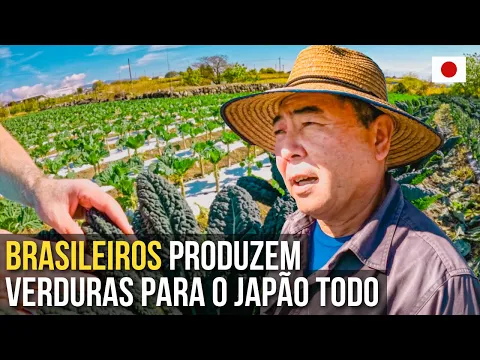

The property where in Japan, Brazilian farmer lives is surrounded by mountains, with a view of Mount Fuji on clear sky days. Among the crops, cabbage, apples, grapes, and a variety of vegetables that adapt to the sloped terrain and colder climate stand out.
Cabbage is the calling card. Visitors are impressed by the intense green and absence of apparent pests. During peak demand times, Nelson has managed to harvest around 500 packages of cabbage per day, reaching over 1,200 packages in three days of picking, supplying distribution centers that send produce even outside the state.
The organization of the harvest and quality control ensure that the cabbage comes out beautiful and standardized, even with the intense work.
In the fruit section, the apple orchards draw attention for their load and visual appeal, while the grapevines have already had their main harvest picked. Some varieties are left to mature more in the cold, becoming even sweeter after frost, a practice known in the region.
Frost, Wild Animals And Lack Of Labor
If on one hand the mountainous scenery is beautiful, on the other, it brings daily challenges. Frost arrives early, with low temperatures, and can burn entire plants in a few nights.
In Japan, Brazilian farmer needs to interpret the weather and race against time to harvest before extreme cold, especially with more sensitive crops like peppers and some vegetables.
Nelson reports that he lost dozens of boxes of Peruvian and habanero peppers because frost came in the middle of the week when the day laborers were unavailable, as they only showed up to harvest on Saturdays and Sundays. Without sufficient labor, the production remained unpicked, the cold “cooked” the fruits, and the losses were inevitable.
In addition to the weather, there is constant pressure from animals. Deer and other large creatures leave big tracks in the broccoli areas, knock down plants, and can destroy a bed in a short time.
To try to contain the invasions, he installed wires and strips around the area and is considering investing in an electric fence, but the cost is high and needs to be spread across several points on the farm.
At night, the risk increases with the presence of bears in the mountains. Nelson states that he has seen a bear on trails in the area and that during the harvest, he usually leaves the car engine running, headlights on, and loud music at dawn and dusk, because the noise helps to scare away the animals. Working in the field there means also living with the real possibility of encountering a bear at the edge of the field.
Fine Management Against Birds, Insects And Weeds

The challenges do not stop with frost and large animals. Birds also attack the cabbage starting in late November. One of them, known locally as chodori, usually comes in flocks and can “strip” the beds if there is no protection. The solution is to install rods and lines with hanging strips to scare the birds during the most critical periods.
On the ground, the strategy is to use tarps to hold back weeds. The choice of color is not by chance. The white tarp helps to reduce excessive heat and prevents the leaves from touching hot plastic, which could scorch the plants.
The black tarp is used in crops like onions, garlic, or lettuce planted in colder seasons, precisely because it helps to warm the soil and accelerate growth. This is an example of how, in Japan, Brazilian farmer adapts simple techniques to make the most of every square meter of land.
Even insects receive special attention. Large wasps, which many confuse with hornets, appear in areas of chayote and other plants for pollination but require caution due to their size and painful sting. The balance between taking advantage of pollination and avoiding accidents is part of daily life.
Harvest Organization And Home-Made Equipment
To handle the routine, in Japan, Brazilian farmer relies on both discipline and practical solutions. One example is the aluminum cart used to transport boxes of vegetables during harvest.
Light and easy to maneuver between the rows, the equipment is designed to reduce effort and gain efficiency, allowing him to harvest more in less time.
The cabbage harvest is fractionated according to orders, with specific days when the volume is higher and others when it decreases, especially outside of peak times.
Even so, the goal is to maintain the visual quality and freshness in each package, because this is the differential that keeps customers at the distribution centers and in the markets served by production from the region.
Carefully Tended Farm, Stable Income And Pride In His Work

After all, Nelson’s property shows that in Japan, Brazilian farmer can indeed build a life with stable income on the farm, as long as he accepts the challenges of the weather, animals, and lack of labor and responds to all this with organization and hard work.
The carefully tended, aligned, and well-maintained farm is the calling card of a producer who transformed his own relationship with agriculture.
He himself sums up his life plan simply. As long as he is healthy, he wants to continue going early to the fields, adjusting beds, harvesting, and learning to deal with a nature as beautiful as it is demanding.
Amidst mountains, a view of Mount Fuji, and impeccable rows of cabbage, what keeps Nelson in the fields is the combination of love for the farm and pride in his work. Would you leave the city to live like this producer and face a routine where, in Japan, Brazilian farmer depends on the mountains, the weather, and his own courage to continue working the land?





Grande Nelson! Que alegria ver a sua história alcançando os lugares mais distantes! Um abraço da equipe Helião Raiz!
Texto muito e ótimo de ler, que maravilha!
Parabéns ao casal. Sr Nelson, fica com a Esposa e com a roça. É bem provável que atrás de um bom homem, exista uma grande esposa! Parabéns!
Linda, matéria parabéns!
O Nelson e a Esther são exemplos de disciplina e dedicação em tudo o que faz.