





 Portuguese
  English
  Spanish
  4 min of reading
  0 comments


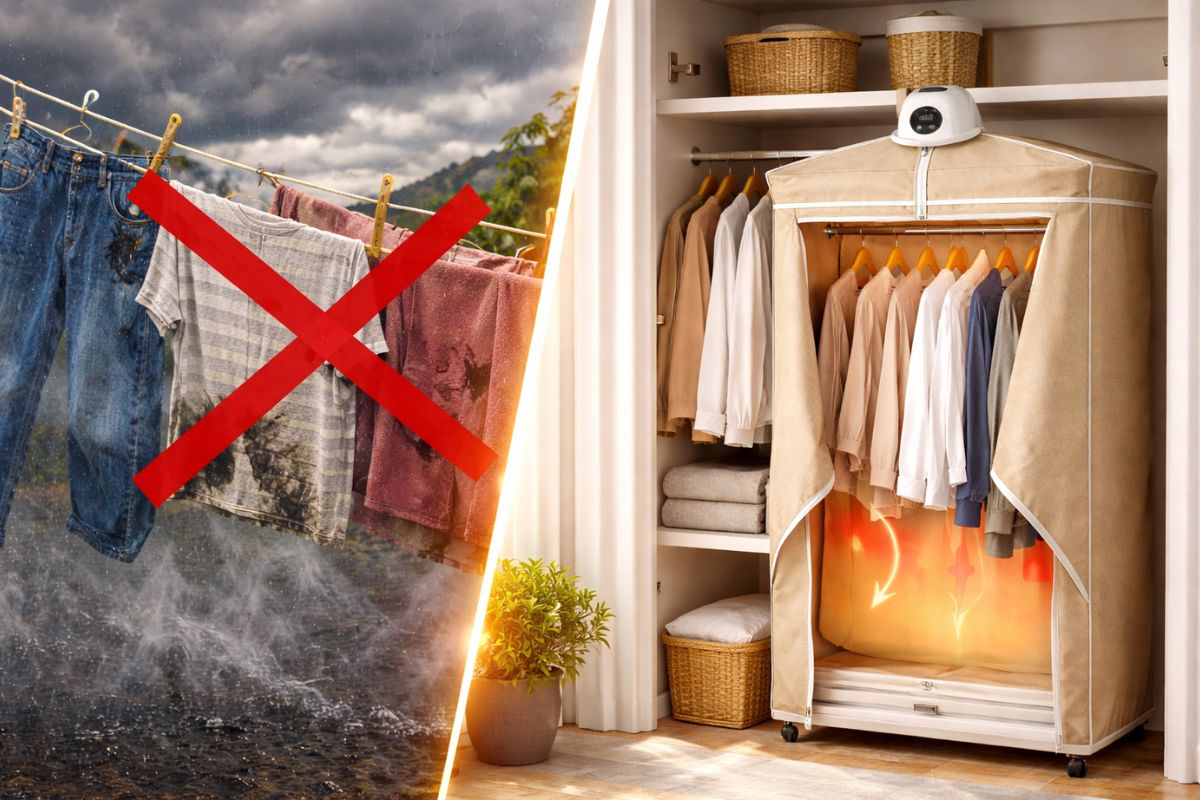
The electric clothesline combines the structure of a common clothesline with an internal heating system that dries clothes in less time without relying on sun or wind and is becoming the preferred solution for those living in small apartments, rainy regions, or anywhere with little ventilation and reduced space.
Those who live in an apartment or in an area where it rains frequently know the problem well: clothes hanging on the line for hours without drying, accumulating that musty smell that doesn’t go away even with fabric softener. The electric clothesline emerged as a solution that combines the practicality of a common clothesline with an internal heating system that accelerates the evaporation of moisture and works in any weather, whether it’s raining, cold, or hot. The result is dry clothes in less time, without odor and with more predictability in the household routine.
The alternative has gained space especially in apartments with little external space and in houses where the laundry does not receive direct sunlight. Unlike an automatic dryer, the electric clothesline does not require complex technical installation, consumes less energy in many scenarios, and is portable; it can be folded and stored when not in use. For those who need an intermediate solution between a conventional clothesline and an expensive appliance, the electric clothesline occupies exactly that space.
How the electric clothesline works and why it dries faster

The principle is simple. According to the portal revistaOeste, the electric clothesline maintains the structure of a conventional clothesline with rods where clothes are hung but adds an internal heating system that raises the temperature around the items.
-
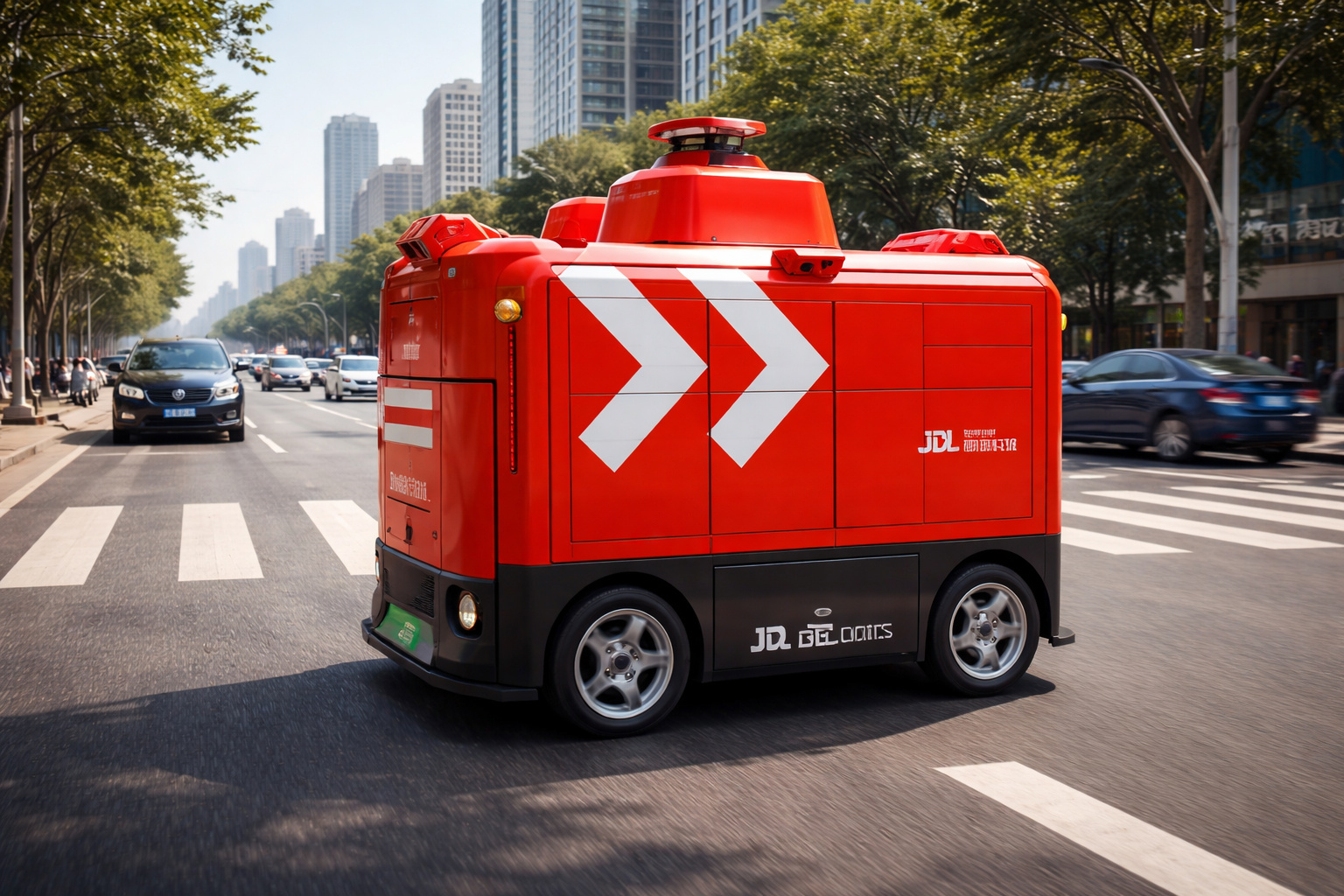
China is expanding autonomous delivery vehicles in over 100 cities and is already making more than 1 million monthly deliveries with technology that reduces logistics costs by up to 50%.
-
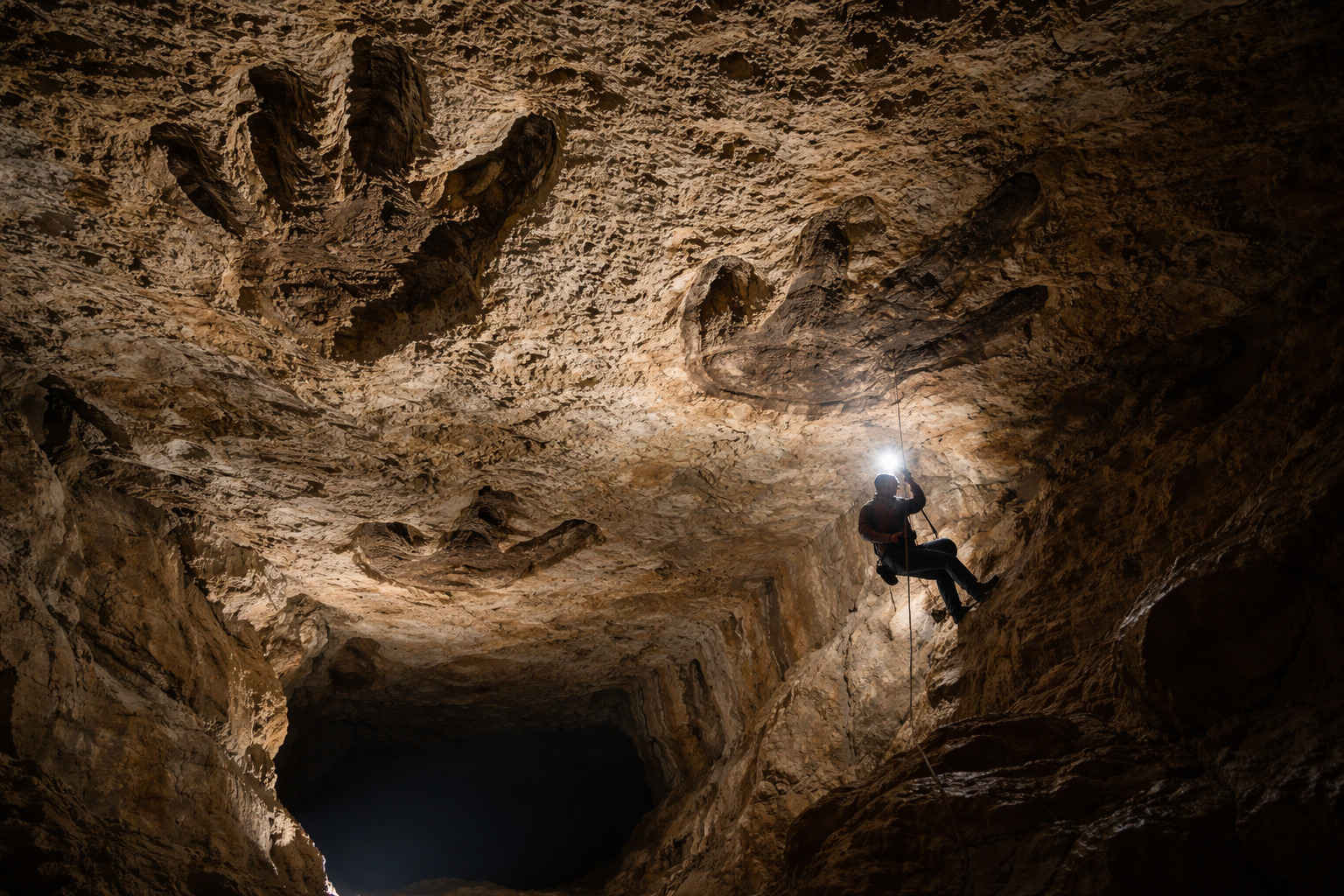
Scientists enter a narrow, flooded cave 500 meters deep and find giant dinosaur footprints on the ceiling measuring up to 1.25 meters, preserved in such a rare way that a new type of trace had to be created.
-
In the satellite image, it resembles the letter V: the lake in Maine that caught NASA’s attention was shaped by a dam and has become one of the most unusual landscapes in the USA.

-
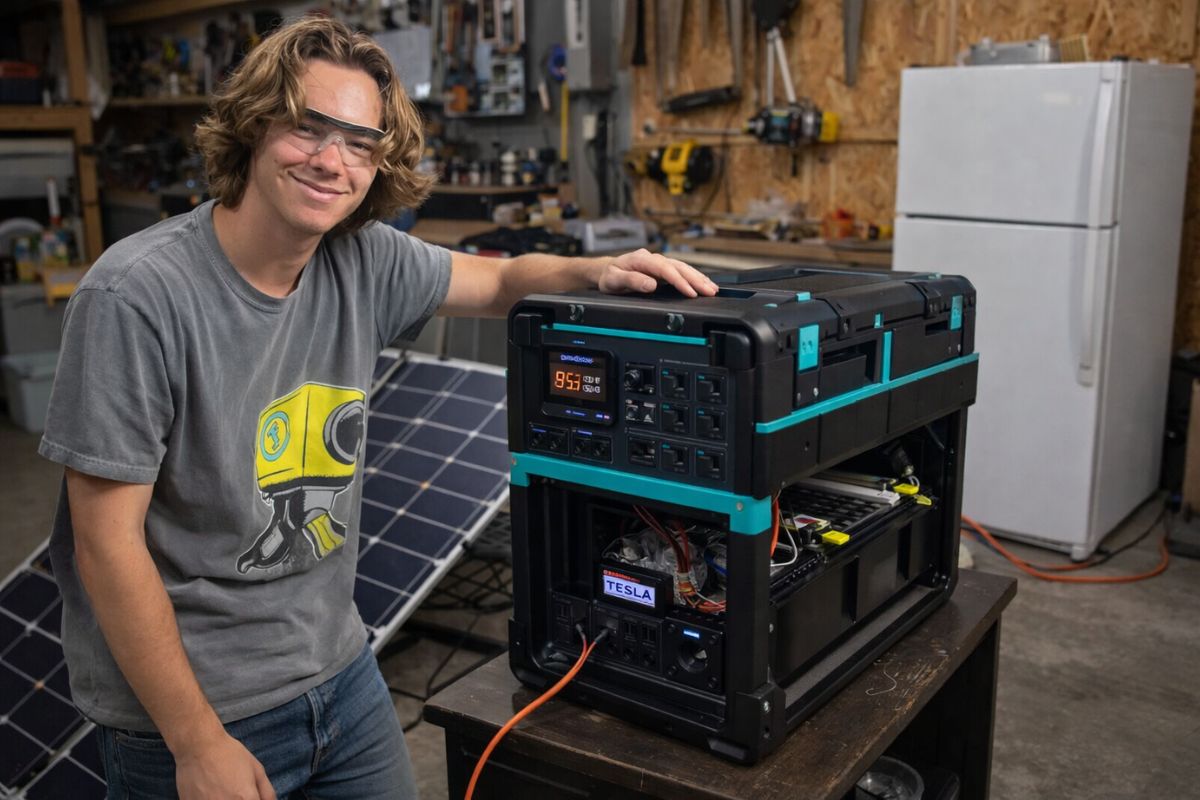
A 19-year-old created a portable energy system in his garage that promises to compete with Tesla at half the price and keep his refrigerator running for days during power outages.
A thermal cover retains the generated heat, creating a warmer and drier microenvironment that accelerates the evaporation of moisture present in the fabrics. The warm air is distributed evenly, preventing some items from drying faster than others.
Most models come with an automatic timer, allowing you to set the operating time and forget the clothesline is on without the risk of overheating. In practice, the electric clothesline makes drying clothes a predictable process; you know exactly when the items will be ready, regardless of the weather outside.
This predictability is what differentiates the experience of those using an electric clothesline from those who depend on the sun and wind to dry clothes.
The advantages of the electric clothesline over the traditional clothesline
The main advantage is independence from the weather. While the common clothesline needs sun and wind to function, the electric model delivers consistent results even on rainy days, cold nights, or prolonged periods of high humidity.
For those living in cities like Curitiba, São Paulo, or any region where the weather changes without warning, the electric clothesline eliminates the uncertainty of hanging clothes and hoping they dry before the next rain.
In addition to faster drying, the electric clothesline solves a problem that affects quality of life: the musty smell. Clothes that remain damp for too long develop an unpleasant odor caused by fungi and bacteria that proliferate in the moisture.
With the electric clothesline, the accelerated drying prevents the fabrics from remaining damp long enough for these microorganisms to settle in resulting in clothes that come off the line smelling clean, without the need to wash them again.
Why the electric clothesline is a viable alternative to the automatic dryer
An automatic dryer solves the drying problem definitively but has a high acquisition cost, consumes considerable energy, and requires fixed space in the laundry room.
The electric clothesline works as an intermediate option: it offers much of the practicality without the heavy investment or energy consumption of a dryer. For those seeking efficiency without compromising the budget, it’s a sensible equation.
Another important differentiator is the treatment of fabrics. Automatic dryers can be harsh on delicate clothes; the intense heat and drum movement shrink fibers and wear out fabrics over time. The electric clothesline, by working with milder heat and without mechanical agitation, better preserves the items, especially underwear, silk, wool, and other fabrics that require care.
Portability is another advantage: most models are foldable and can be stored in a closet or behind a door.
Essential care for using the electric clothesline safely
Although it is a safe device, the electric clothesline requires attention to some basic points.
Always use it on a firm and stable surface, avoid any contact of water with the electrical connections, and respect the weight limit indicated by the manufacturer hanging more clothes than recommended can compromise the heating and durability of the equipment.
Turn off the device after use and never leave it running unattended for long periods beyond what is programmed by the timer.
Following the manufacturer’s recommendations is what ensures not only safety but also the lifespan of the electric clothesline; equipment that is used within specifications lasts significantly longer than those that are constantly overloaded. For families with small children, placing the clothesline in a location where the little ones cannot reach is an important additional precaution.
Do you already use an electric clothesline or still rely on the traditional clothesline? Was it worth the investment for those who have already purchased it? Share your experience in the comments.






Seja o primeiro a reagir!