





 English
  Francês
  Alemão
  Italiano
  Japonês
  Norueguês
  Portuguese
  Spanish
 4 min of reading


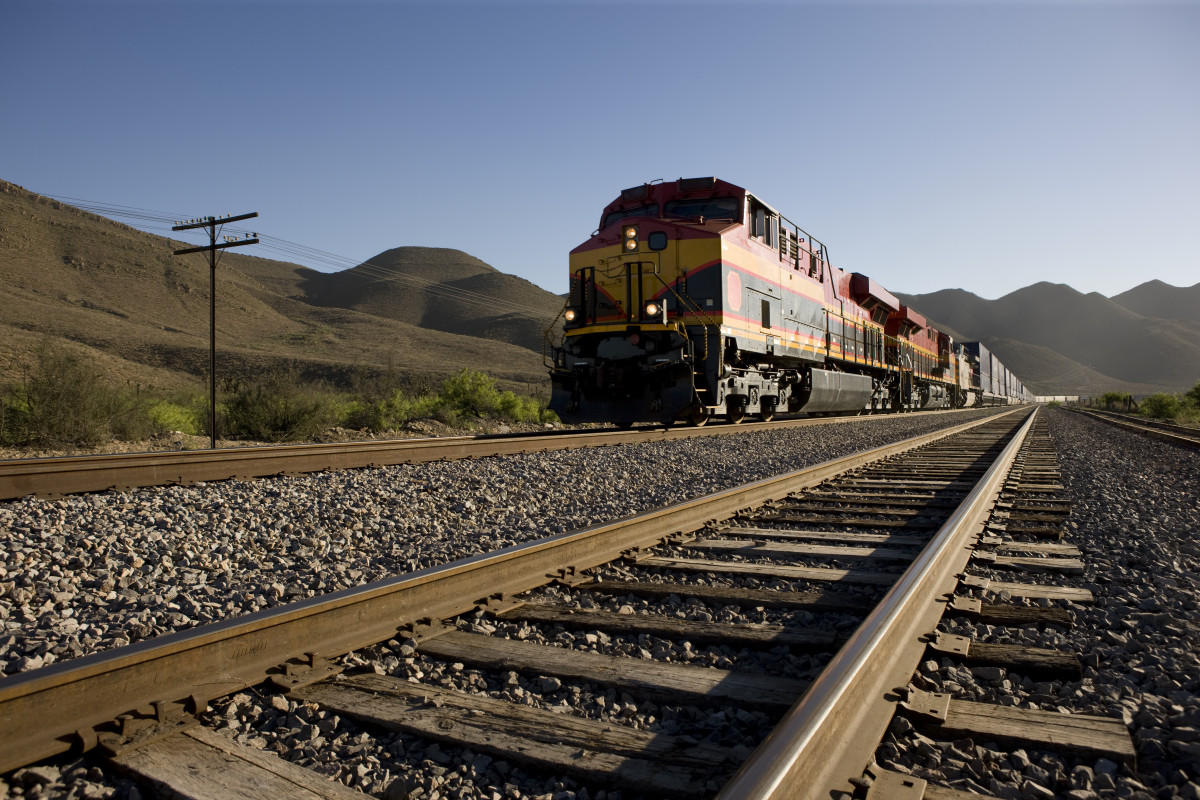
This Action of Investing in Paraná Railways Is Part of the “Pró Trilhos” Program, Federal Actions to Stimulate the Expansion and Modernization of the Modal
Yesterday, Thursday, logistics operators met at the Palácio do Planalto during the launch of the Pró Trilhos program, an initiative that should be a showcase of government actions in the area. The southern region of the country received good news at the opening of September Rail Month, a season of federal actions to stimulate the expansion and modernization of the railways. The construction of 571 kilometers of new tracks crossing Paraná municipalities is planned, with investments totaling R$ 21.45 billion. Also read this news: The Center-Atlantic Railway section in Bahia will receive R$ 3.5 billion in investments
- Docol invests R$ 500 million in a new factory in MG and promises to create 4,500 jobs
- Vehicles and automotive components assembled in Argentina, Uruguay, and Paraguay will arrive cheaper in Brazil
- Scientists develop thermoelectric paint capable of generating electricity through car exhaust
- Piauí studies developing a solar-powered stove amid rising cooking gas prices
- Omega Energia partners with Heineken for renewable energy in the Northeast for 10 years
Construction of New Segments in the State of Paraná
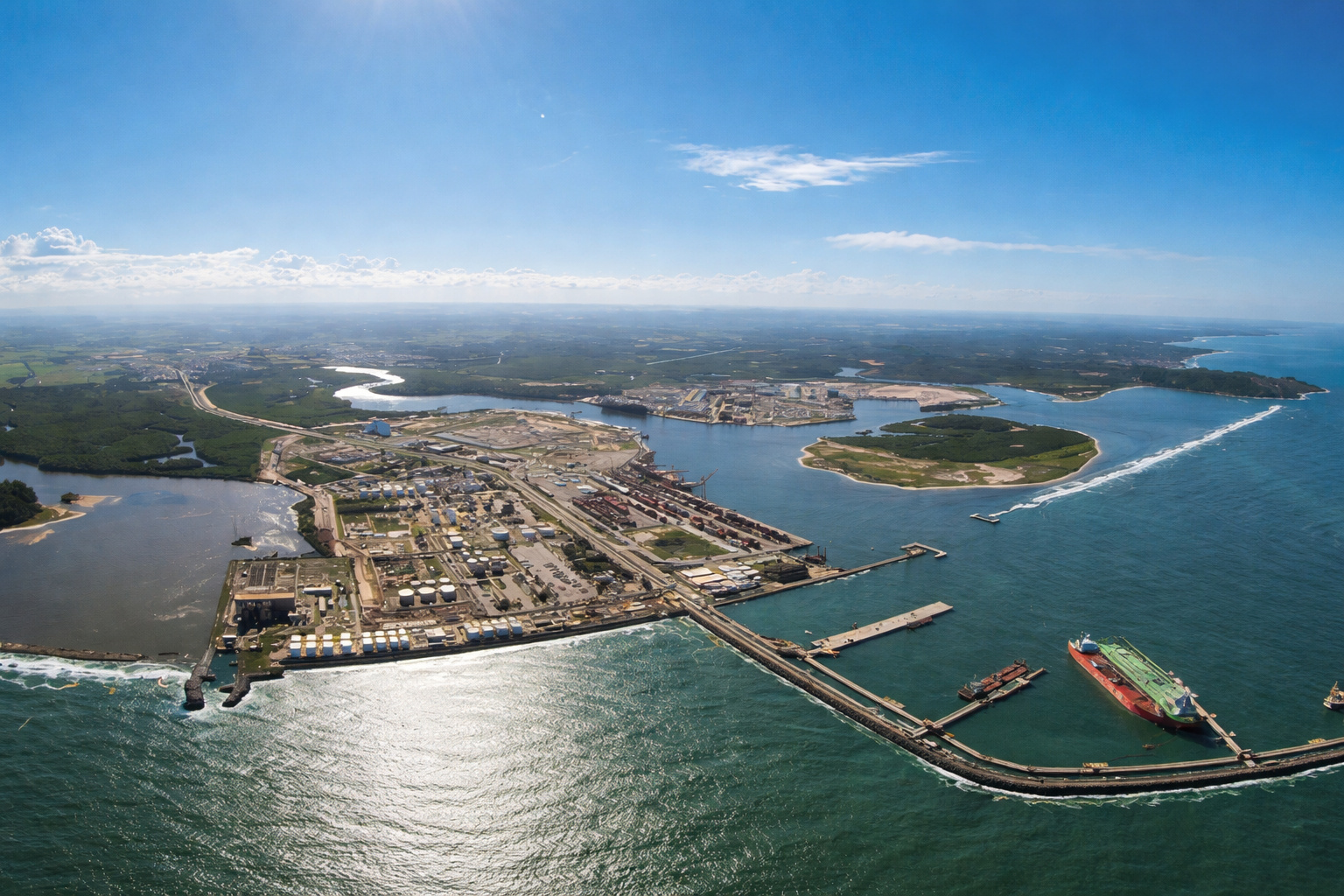
The Ferroeste railway presented proposals to build and operate two new rail segments in Paraná, both connected to a port terminal. The first goes from Guarapuava to Paranaguá, is approximately 405.2 kilometers long, and creates a new option for cargo flow to the Port of Paranaguá, one of the largest in the country. The second segment connects Cascavel to Foz do Iguaçu, has an extension of 166 kilometers, and aims to consolidate an international cargo transport corridor that also reaches the Port of Paranaguá.
Now, these requests will begin to be evaluated by the Ministry of Infrastructure (MInfra), responsible for issuing the authorizations, provided the projects meet all the requirements established by the Federal Government, under MP No. 1.065, published on August 30. The authorizations for the railways have the potential to increase the modal’s share from the current 20% to 40% of national logistics transport by 2035.
-
São Paulo surprises the world with a colossal railway network project that promises over 1,000 km of tracks, R$ 194 billion in investments, and 40 projects connecting the capital to the interior with fast and sustainable trains.
-
The world’s largest escalator, measuring 905 meters in China, reduces urban travel time from 1 hour to about 20 minutes and transforms mobility in mountainous regions with an engineering solution adapted to the terrain.
-
A R$ 300 million logistics giant is taking shape in Serra with over 100,000 m² and raises a question: how can this transform e-commerce and distribution in the state?
-
Could Uber Rides Lose Minimum Fare? Understand What’s Happening!


Attracting New Investments for the Railway Sector
According to the Ministry of the Legal Framework for Railways, there are already companies interested in this model, which have the authorization requirement and studies ready to be submitted. The analyses are expected to be received during the event this Wednesday and focus on railway segments between Paraná and Mato Grosso do Sul. The market is also keeping an eye on the line reaching the Alcântara port terminal and on short lines. According to information from the Ministry of Infrastructure, the new regime is expected to attract between R$ 20 billion and R$ 30 billion in investments.
The railway modal is one of the weak points of the Brazilian transportation matrix, with only 30,000 kilometers of tracks, of which 10,000 are idle or unused. “The goal of the new measures is to expand the network and reduce freight costs,” says Marcello Costa, national secretary of Land Transport at the Ministry of Infrastructure.
Also See This News: Legal Framework Will Bring Investments and Reduce Bureaucracy for the Construction of New Railways
Stalled since 2018, the Legal Framework for Railways will result in increased private investments in the railway sector. The measure reduces bureaucracy for constructing new railways and innovates in the utilization of idle segments and in providing railway transportation services. One of the changes brought by the provisional measure refers to the allowance for the construction of new railways by authorization, similar to what already happens in the exploitation of infrastructure in sectors like telecommunications, electricity, port, and airport.
The Minister of Infrastructure, Tarcísio de Freitas, says that this current government has already established itself as the one that has contracted the most railway investment through concessions, around R$ 30 billion. It is time to take the biggest leap in the sector since the Barão de Mauá. The provisional measure that establishes the Authorized Railways regime in Brazil guarantees jobs and investments where everyone is wanting and looking for.
With the Provisional Measure of the Legal Framework for Railways, states, municipalities, and the Federal Government can grant railway transportation services that are not part of the Federal Railway Subsystem, currently constituted by the existing or planned railways belonging to the major interstate, interregional, and international integration axes. It will be up to the Union, however, to establish the guidelines to ensure the system’s efficiency.








Seja o primeiro a reagir!