





 Portuguese
  English
  Spanish
  4 min of reading
  1 comment


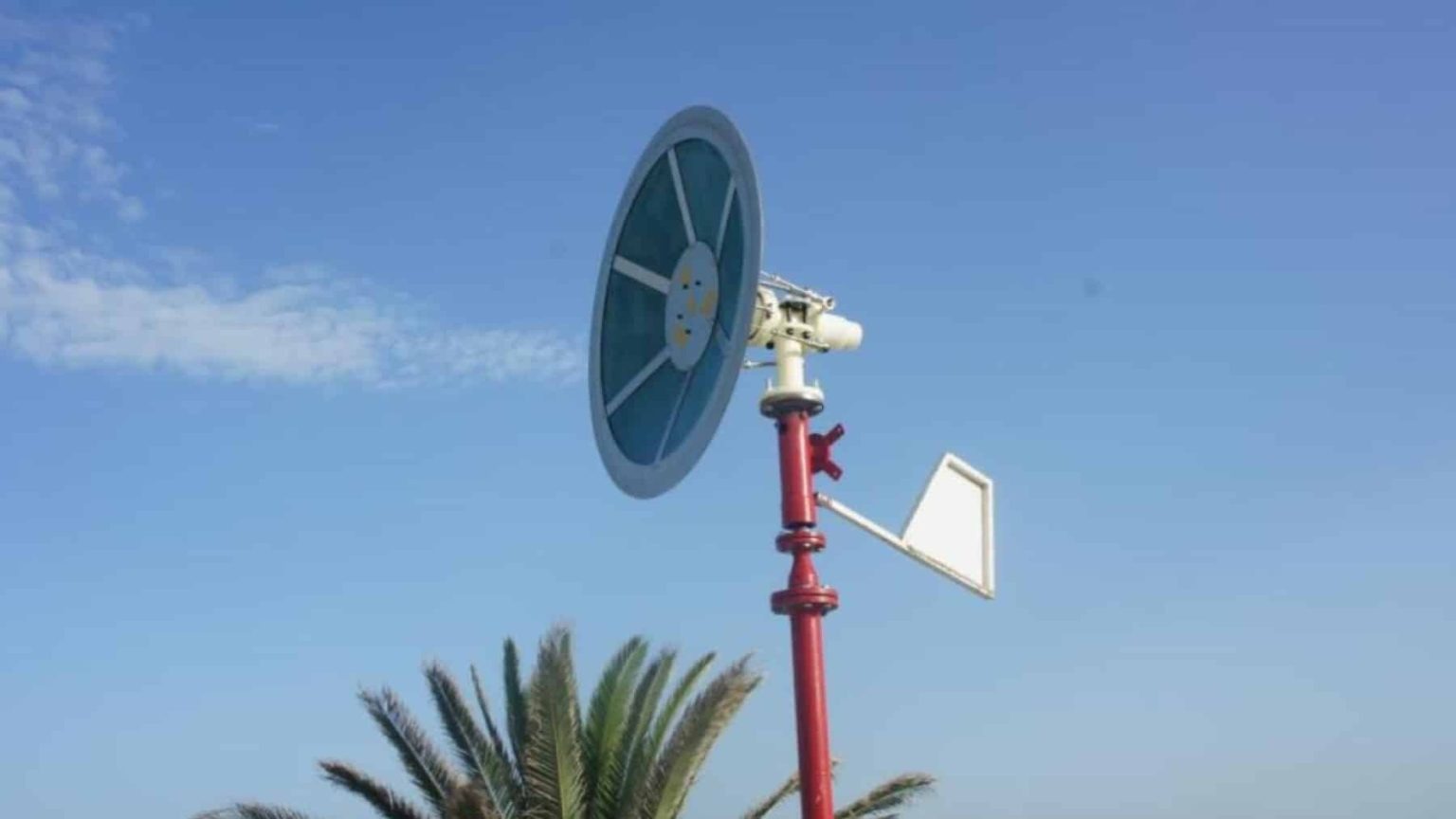


With a 1 Megawatt Project Based on 50 Bladeless Wind Turbines of 20 kW Each, India Evaluates a Technology Developed in Tunisia to Expand Decentralized Energy Supply, Reduce Installation Costs, and Bring Electricity to Remote Rural Communities
The bladeless wind turbine Saphonian, developed by a Tunisian startup, gained international attention after India expressed interest in applying it to a 1 megawatt project, with the potential to enhance access to electricity in rural communities through low-cost solutions.
Indian Interest in 1 MW Wind Farm
India is evaluating the deployment of a wind farm composed of 50 Saphonian units, each capable of producing 20 kW of energy. The total assembly amounts to 1 megawatt and was designed to serve rural communities still facing limitations in electric supply.
The project is part of the country’s efforts to promote decentralized energy, prioritizing distributed generation systems that can be installed with lower technical and financial complexity. The proposal aims to address historical infrastructure bottlenecks in remote villages.
-
Giant of the winds in Rio Grande do Norte: Serra do Tigre Wind Complex receives new investments and accelerates the expansion of clean energy generation to supply millions of Brazilian homes.
-
Urgent energy transition: Greenpeace advocates for massive investments and points to Brazil as a global leader in wind energy production in the coming years.
-
Conflict in the Sertão: Rural communities in Rio Grande do Norte report issues with wind farms and the new challenges of clean energy in the semi-arid region.
-
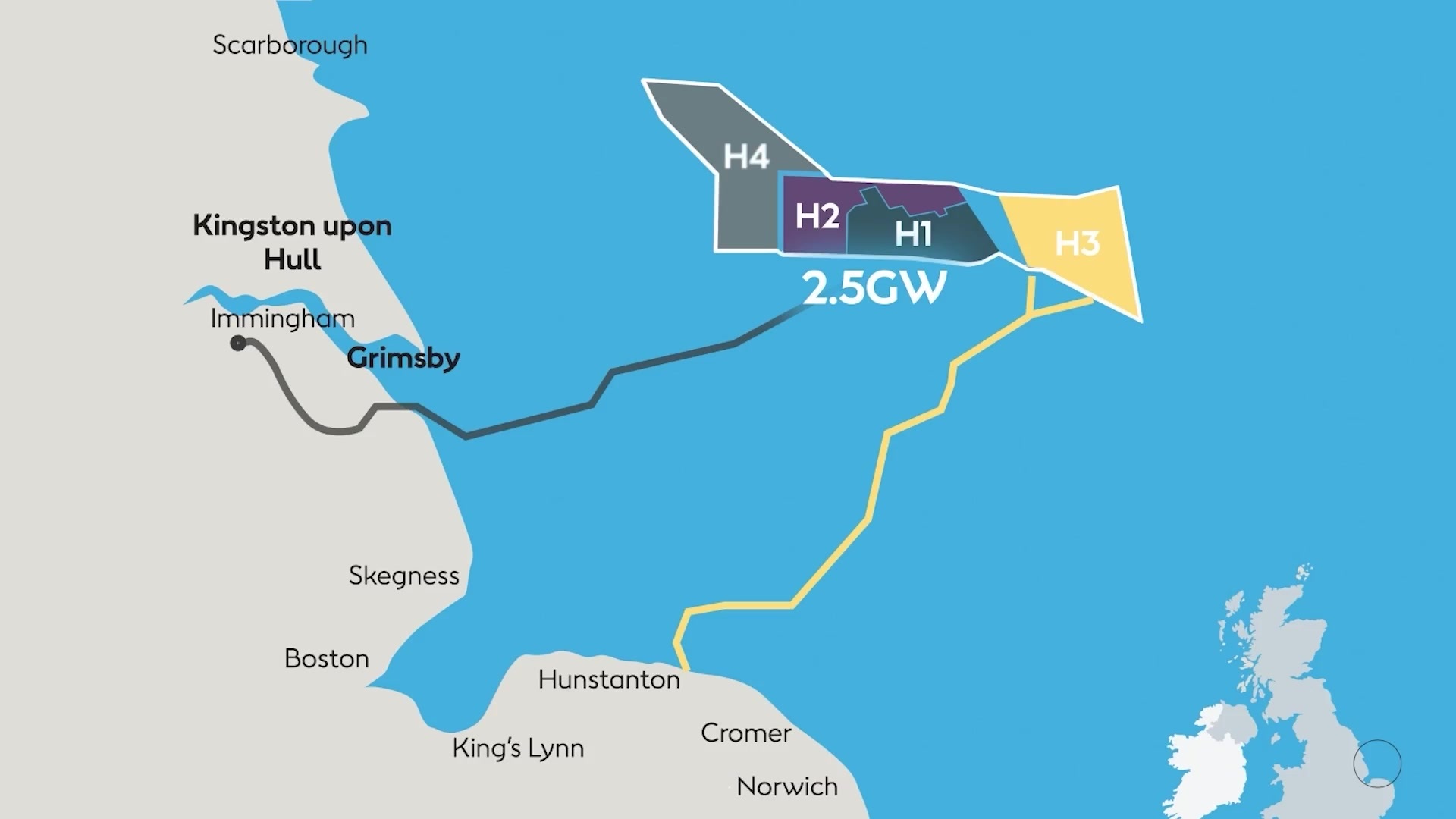
231 turbines of 260 meters at 160 km from the coast, monopiles weighing as much as nine blue whales embedded in the North Sea, and a crane ship taller than the Eiffel Tower: Hornsea 3 will be the largest offshore wind farm on the planet by 2027, and its first components have already arrived in England.
By opting for a park with multiple smaller units, India aims to advance energy supply without resorting to traditional large-scale structures, which are generally associated with high costs and greater logistical challenges.
Functioning and Concept of the Saphonian Turbine
The Saphonian differs from conventional wind turbines by not using rotating blades. Visually, the equipment resembles more of a sail in the wind than a classic turbine installed on tall towers.
The system consists of a curved disc equipped with sails similar to those used in traditional vessels. This disc does not rotate continuously but oscillates back and forth with the wind action, characterizing a distinct mechanical principle.
The wind drives the sails, causing the movement of the disc to push internal pistons. This displacement generates hydraulic pressure, which in turn activates a hydraulic motor responsible for the immediate production of electricity.
The complete elimination of blades also dispenses with components such as hubs and gearboxes. This structural simplification was central to the project developed by Saphon Energy, which sought to significantly reduce the cost of wind generators.
Reduced Costs and Suitability for Rural Areas
The Saphonian proposal was designed to allow the production of wind generators at a fraction of the price of turbines in the same category. The absence of rotating blades contributes to the reduction of expensive parts and a simpler design.
Another factor considered by India is the low maintenance required by the system, a relevant aspect for areas far from urban centers. The combination of reduced cost and operational simplicity makes the model attractive for public policies on rural electrification.
Unlike traditional wind farms, which require tall towers, cranes, and heavy infrastructure, the Indian project prioritizes an easier-to-install solution. This approach reduces logistical barriers and facilitates deployment in areas with limited access.
The country also considers that the model does not pose risks to local fauna and flora, a sensitive point in regions where coexistence with wildlife is constant and where large-scale projects face resistance.
Additional Environmental and Operational Benefits
In addition to low costs, the Tunisian turbine presents other operational advantages. Its silent operation reduces noise impacts, making the system suitable for both densely populated areas and natural zones.
Birds are not affected during operation, as there are no rotating blades. This characteristic expands the range of locations where the turbine can be installed, without restrictions associated with collisions or environmental interference.
Another mentioned differential is the integrated hydraulic energy storage integrated into the system. The energy generated can be stored as pressurized liquid, a resource particularly useful for microgrids that need to deal with variations in wind availability.
Despite this, some critics express caution regarding the actual potential of the technology. They argue that the numbers presented in the project may not fully reflect performance in practical conditions, although India remains satisfied with the chosen solution thus far.
From Pilot in Villages to Possible Future Expansion
The project is still in its initial phase and has a pilot character, aimed at applications on a village scale. If the results meet expectations, the initiative could pave the way for wider deployment in regions where conventional turbines would not be viable.
The Indian experience may serve as a reference for other countries interested in simplified wind generation alternatives. The adoption of a device with few parts and easy installation reinforces the bet on energy models adapted to local contexts.
The concept developed in Tunisia, inspired by nautical traditions of the Mediterranean, now integrates India’s energy agenda, which seeks to harness energy from the air through a specific, simple, and decentralized device, even in areas with limited infrastructure.









Send details on 9428462849