





 Portuguese
  English
  Spanish
  5 min of reading
  0 comments


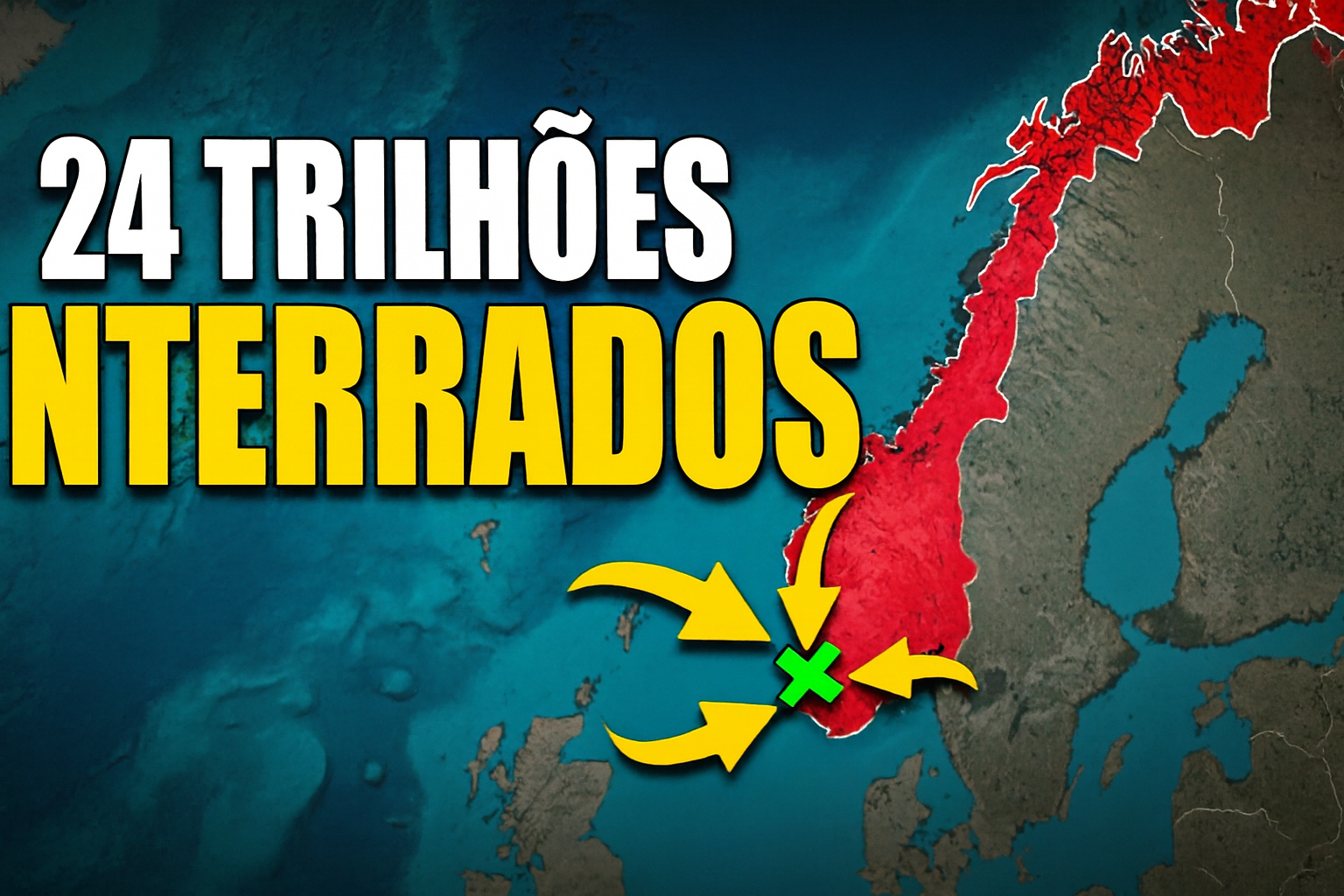
In January 2024, Norway approved the opening of an area of 280,000 km² for deep-sea mining in the Arctic, but the 1st auction of licenses was suspended and remains in dispute.
When Norway decided to pave the way for deep-sea mining in the North Atlantic and in areas associated with the Arctic, it was not just speaking of “another resource frontier.” The country presented a topic that touches on three pillars at once: industrial supply chain security, critical minerals and environmental risk in little-known ecosystems.
The key point is that Norway, in January 2024, approved a plan in Parliament to open a gigantic area, about 280,000 km², for activities related to minerals on the seabed, intending to start granting licenses from 2025.
However, the roadmap has not been linear: the first round of licenses was suspended after political negotiation linked to the budget, and later, governmental decisions indicated that there would be no license issuance during the current parliamentary term, with a horizon until 2029, according to media coverage.
-
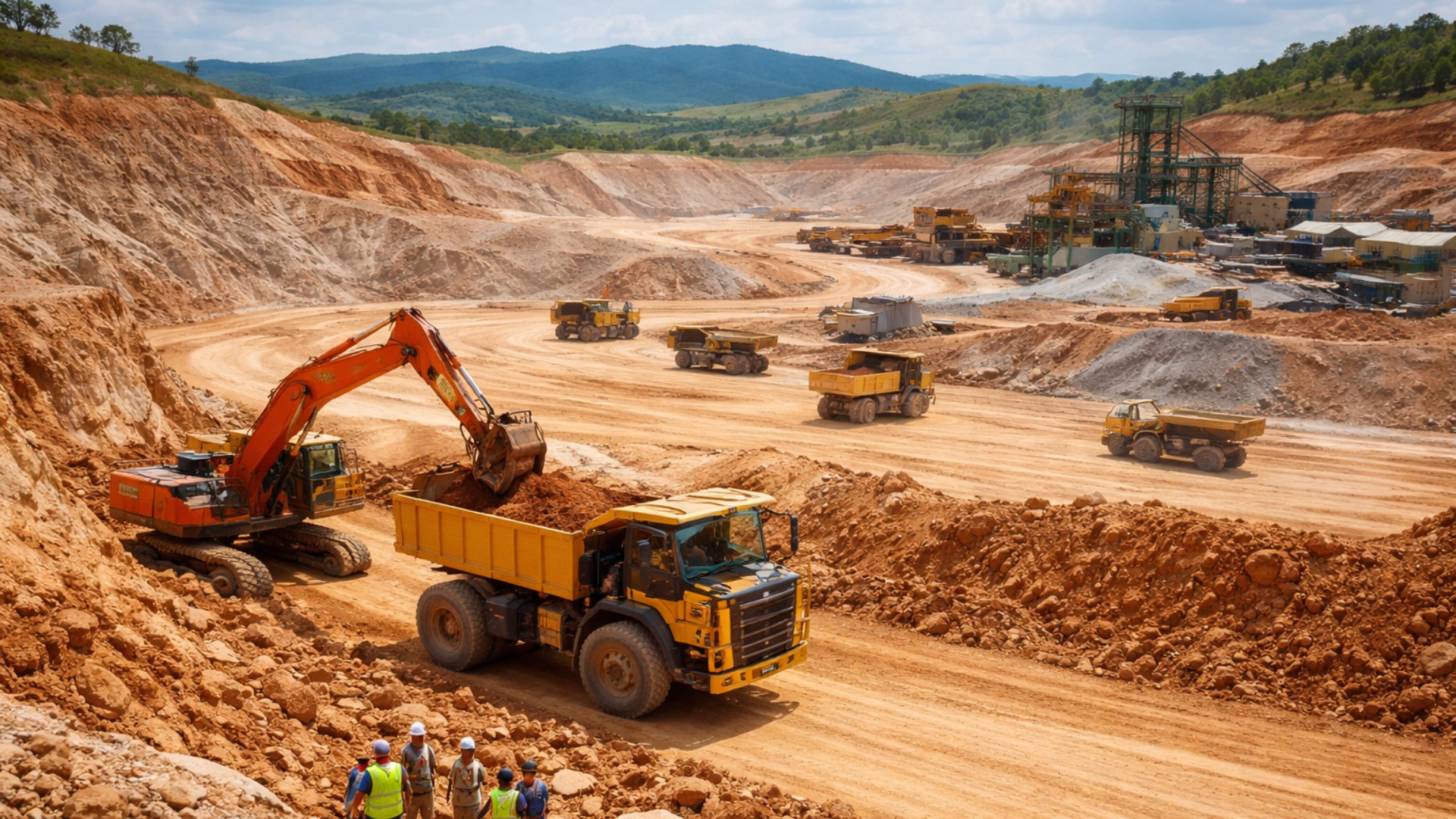
After China, it’s now the turn of the USA to ‘secure’ a share of Brazil’s natural resources: the country buys critical rare earths for R$ 3 billion and enters the center of the global technology dispute.
-
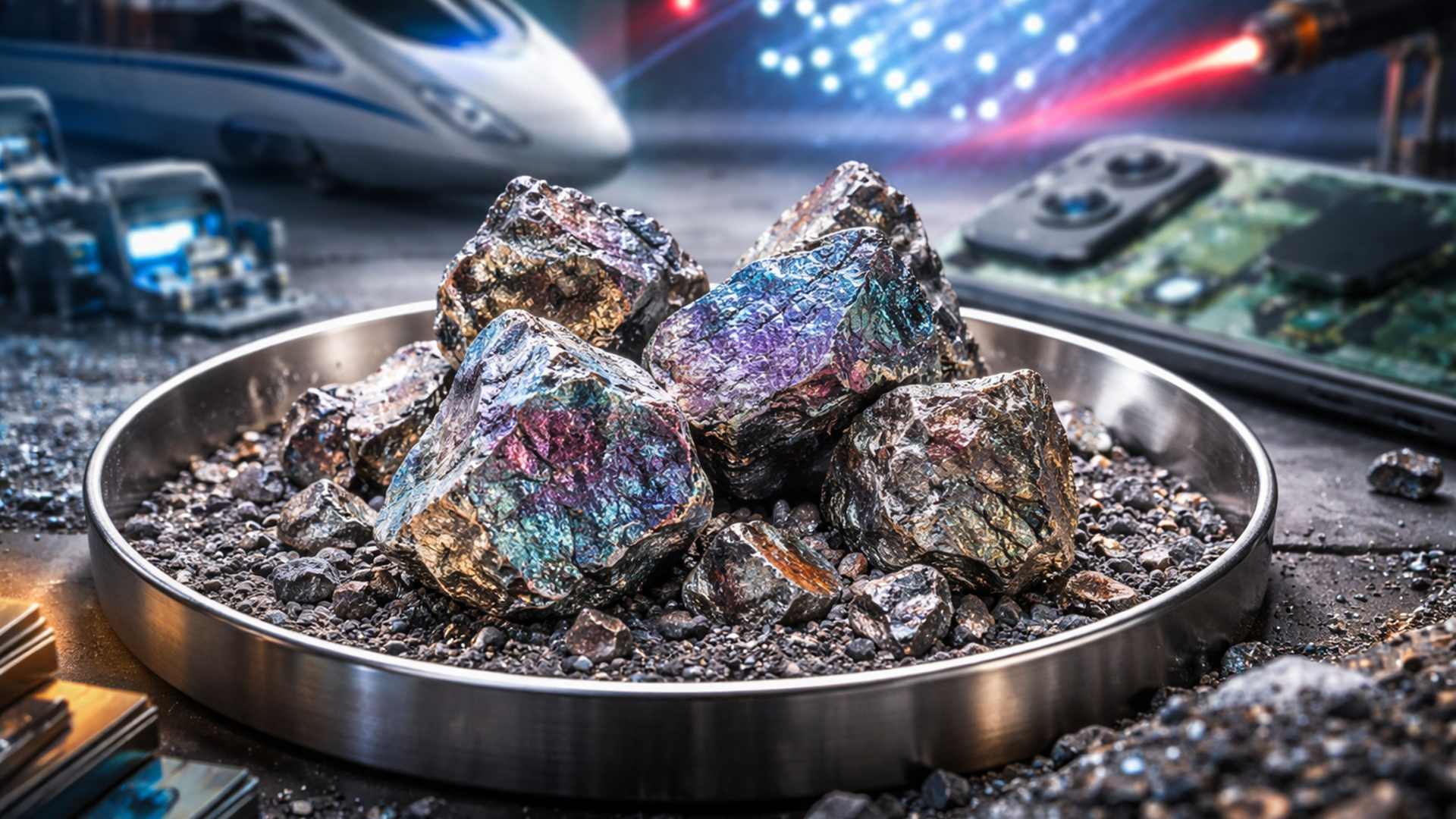
Rare earths are in everything, from cell phones to bullet trains, and what almost no one realizes is why they have become the target of such a delicate global war.
-
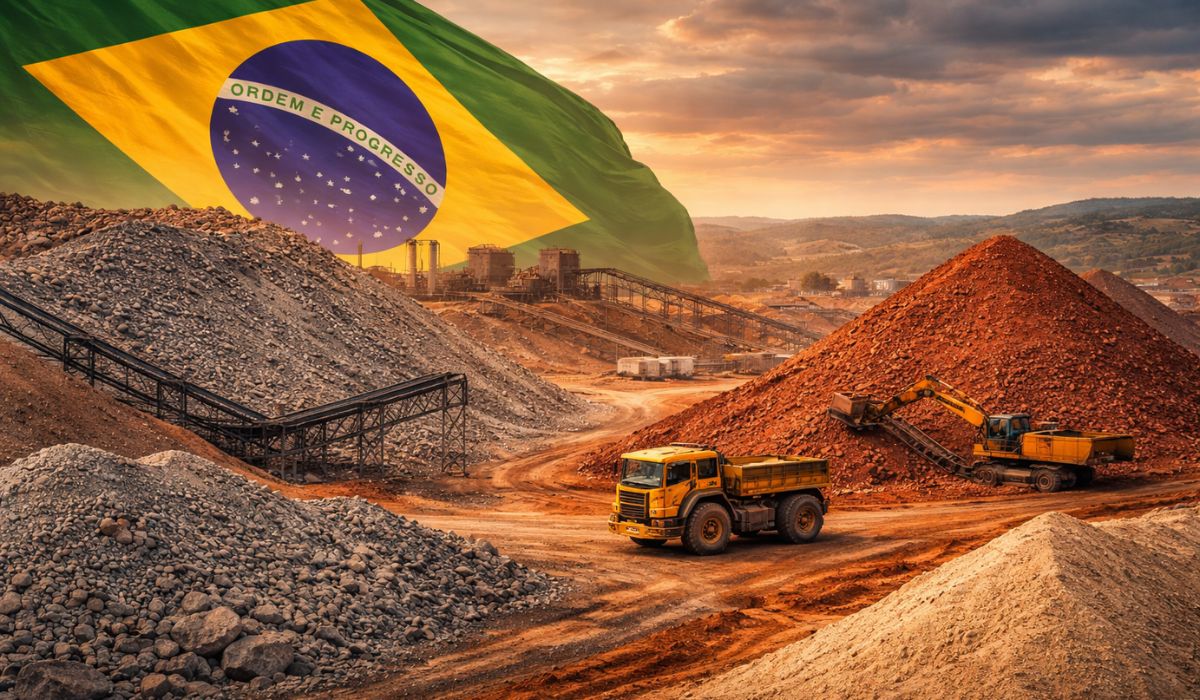
Brazil extracts 26.3 million tons of ore from what was previously treated as waste, transforming residues into wealth, producing over 3 million tons of sand, and demonstrating how national mining is relearning to generate value.
-
A $3.5 billion megaproject in Latin America pumps desalinated seawater at 1,050 liters per second over 194 km to keep a copper supermine in the Andes operational for another 20 years.
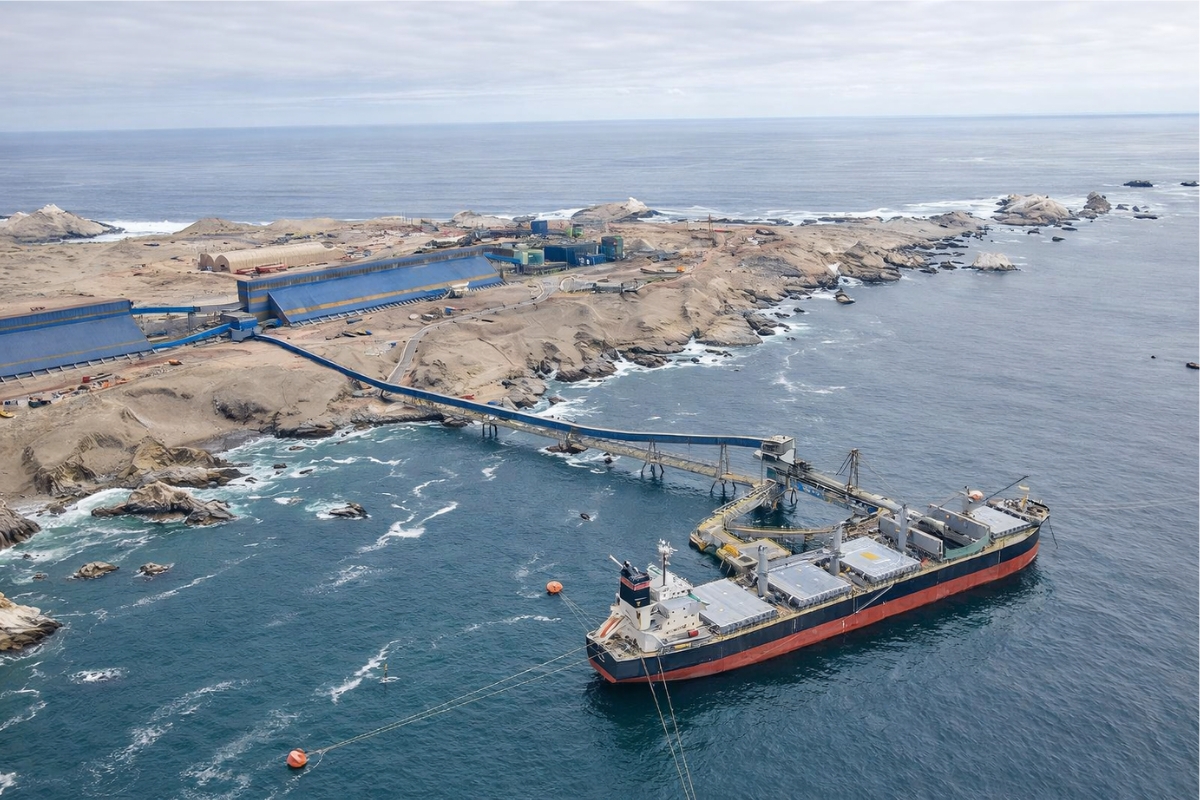

What Norway Approved, and the Real Size of the Movement
What was approved in 2024 was not “to start mining tomorrow”. It was to open the legal and political door for the country to advance towards a new industry: the extraction of mineral resources from the ocean floor on its continental shelf and maritime areas under national jurisdiction.
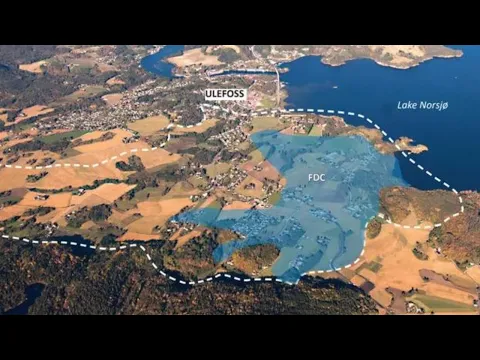

The number that measures the movement is this: 280,000 km², an area larger than many countries, mentioned by international outlets as the space that could be opened to requests and processes related to deep-sea mining.
Another important piece of data is depth. A significant part of the debate centers on deposits associated with hydrothermal systems and mid-ocean ridges, often around 3,000 meters deep.
What Minerals Are at Stake
The public narrative is “minerals for the energy transition.” In practice, it is also an agenda of industrial competitiveness and geopolitical deterrence: to reduce external dependencies in supply chains like batteries, turbines, and electronics.
The estimate of resources in the Norwegian sea, released by the Norwegian Offshore Directorate (state agency linked to the offshore sector), cites potential volumes of metals in two major types of occurrences: polymetallic sulfides (associated with hydrothermal vents, the “black smokers”) and manganese crusts .
Among the numbers that stand out, the directorate points out, for example:
- 38 million tons of copper and 45 million tons of zinc in sulfides, as well as estimates of gold and silver.
- For manganese crusts, estimates include cobalt in millions of tons and relevant volumes of metals used in technology, in addition to rare earths like cerium and neodymium in large-scale estimates.
These numbers do not mean “proven reserves” ready for extraction. They are resource estimates based on geological data and samples, used to frame scenarios and policies. But they are strong enough to explain why Norway chose to open a debate that many countries avoid.
The Political Turn: Opened in 2024, But Licensing Stalled
What transformed the issue into a political crisis was the calendar. The Norwegian government intended to start issuing licenses in 2025.
However, in budget negotiations, parties demanded to pause the first round as a condition for support. Reports indicate that this effectively “froze” the start of licensing during the mandate period.
In 2025, the discussion returned to headlines with the idea that the country would not issue licenses in the current term, with a horizon until 2029, although preparatory work and regulatory discussion could continue.
In other words, the message is clear and powerful: Norway legalized the path but has not yet opened the race.
Why Norway Wanted to Lead This Movement Now
There are three reasons that repeatedly appear in justifications and public analyses:
1) Battery Chains and Strategic Metals
Copper, nickel, cobalt, rare earths, and associated metals have become critical inputs for technology and energy. And as China dominates a significant part of global processing and refining, any “autonomy” strategy involves diversifying sources.
2) A “New Industry” for the Post-Oil Era
Norway is a powerhouse in oil and gas but is also trying to position itself in the transition. Submarine mining emerges as a possibility to maintain offshore expertise, specialized ships, underwater robotics, and advanced industrial supply chains.
3) National Jurisdiction, Less Legal Warfare Than in International Waters
A significant part of the global debate on submarine mining passes through the International Seabed Authority (ISA), linked to the UN. Norway, by focusing on its areas under jurisdiction, tries to operate in a regulatory terrain different from the “high seas,” although this does not eliminate criticism and disputes.
The Critical Point: What Could Go Wrong on the Seabed
The environmental argument against deep-sea mining is simple and heavy: the deep ocean is poorly known, and certain disturbances can be practically irreversible on a human scale.
Environmental organizations and part of the scientific community warn of the risk of harm to biodiversity, noise, sediment plumes, impacts on food chains, and uncertainties about habitat recovery.
This clash has also turned into a legal dispute. The WWF Norway, for example, filed a lawsuit contesting the opening, arguing faults in the assessment of consequences.
Even those who are not “against in principle” often say that the cost of error can be enormous, precisely because the environment is difficult to monitor and slow to regenerate.
What the Suspension Means in Practice: Dead or Just Waiting?
According to the most consistent reports, it is not a “definitive end” nor a “total release.” It is a political postponement: the country maintains debate, mapping, and regulatory preparation but holds the key to the door in the most sensitive part, which is to release licenses and start exploration.
For those following the global war for critical minerals, the message is twofold:
- Norway signaled that it wants to be at the table.
- The political and environmental cost of the movement is high, and Norwegian society has not yet “signed off” in the way some industrial sectors would like.









-

-

-

-

-

13 pessoas reagiram a isso.