





 Portuguese
  English
  Spanish
  4 min of reading
  0 comments


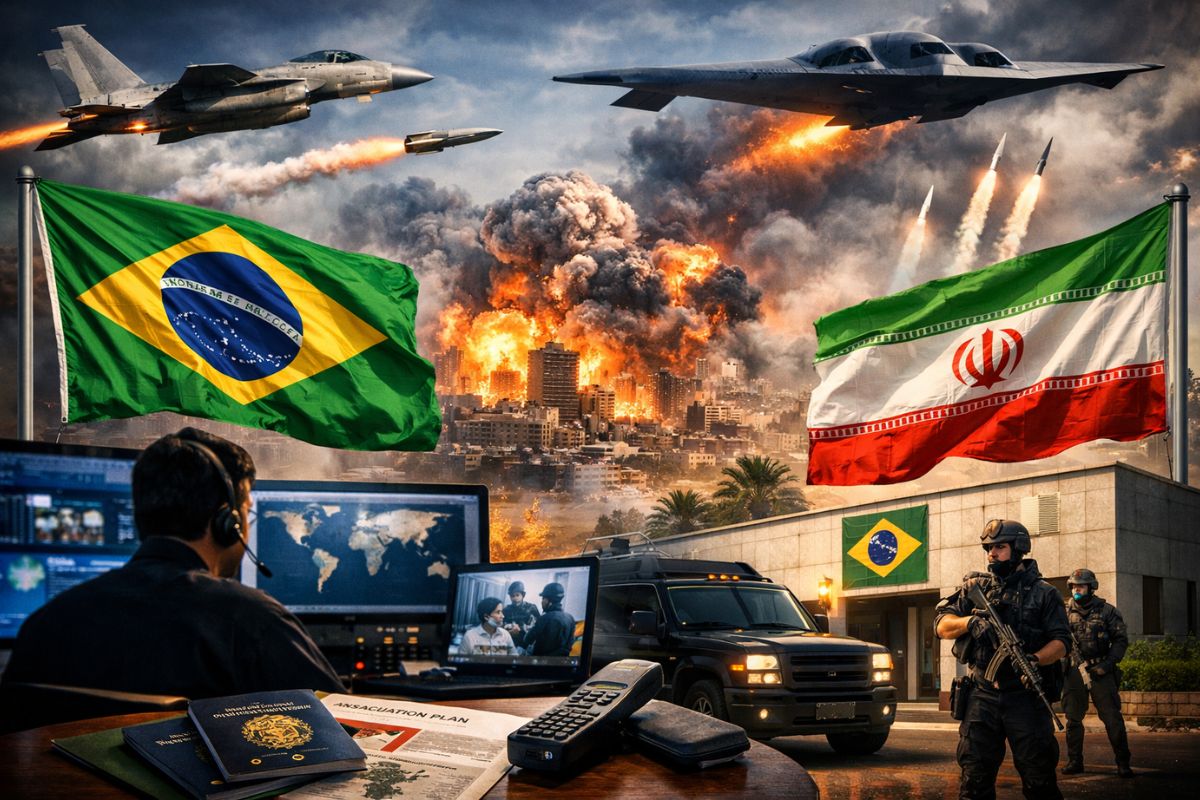
Brazilian Government Note Condemns U.S. And Israeli Bombings Against Iran That Occurred This Saturday (28) During Diplomatic Negotiations, And Warns Of Threats To Civil Infrastructure And Civilians. Itamaraty Calls For Maximum Restraint, Reinforces International Law, And Places Embassies On Standby To Guide Brazilians In Tehran And The Region.
The Brazilian government publicly reacted to the bombings carried out by the U.S. and Israel against Iran, making it clear that it sees the episode as a factor of instability with a direct impact on the safety of civilians. The official position combines condemnation of the attacks with concern over the possibility of worsening the regional scenario.
At the same time, Itamaraty states that it is closely monitoring the situation of Brazilian communities abroad and advises Brazilians in Tehran and nearby areas to take extra precautions. Embassies in the region have been placed on high alert, focusing on immediate support and the dissemination of reliable information about the developments.
What The Brazilian Note Signals By Condemning The Bombings
The central message of the official stance is that dialogue is presented as the only viable path to reduce tensions and prevent the sequence of military actions from escalating into something broader. By condemning the attacks, Brazil links the episode to a risk of escalation and reinforces the need for self-restraint among the involved parties.
-
USA and China compete for Brazil over resources that could be worth trillions — rare earths put the country at the center of a global dispute

-
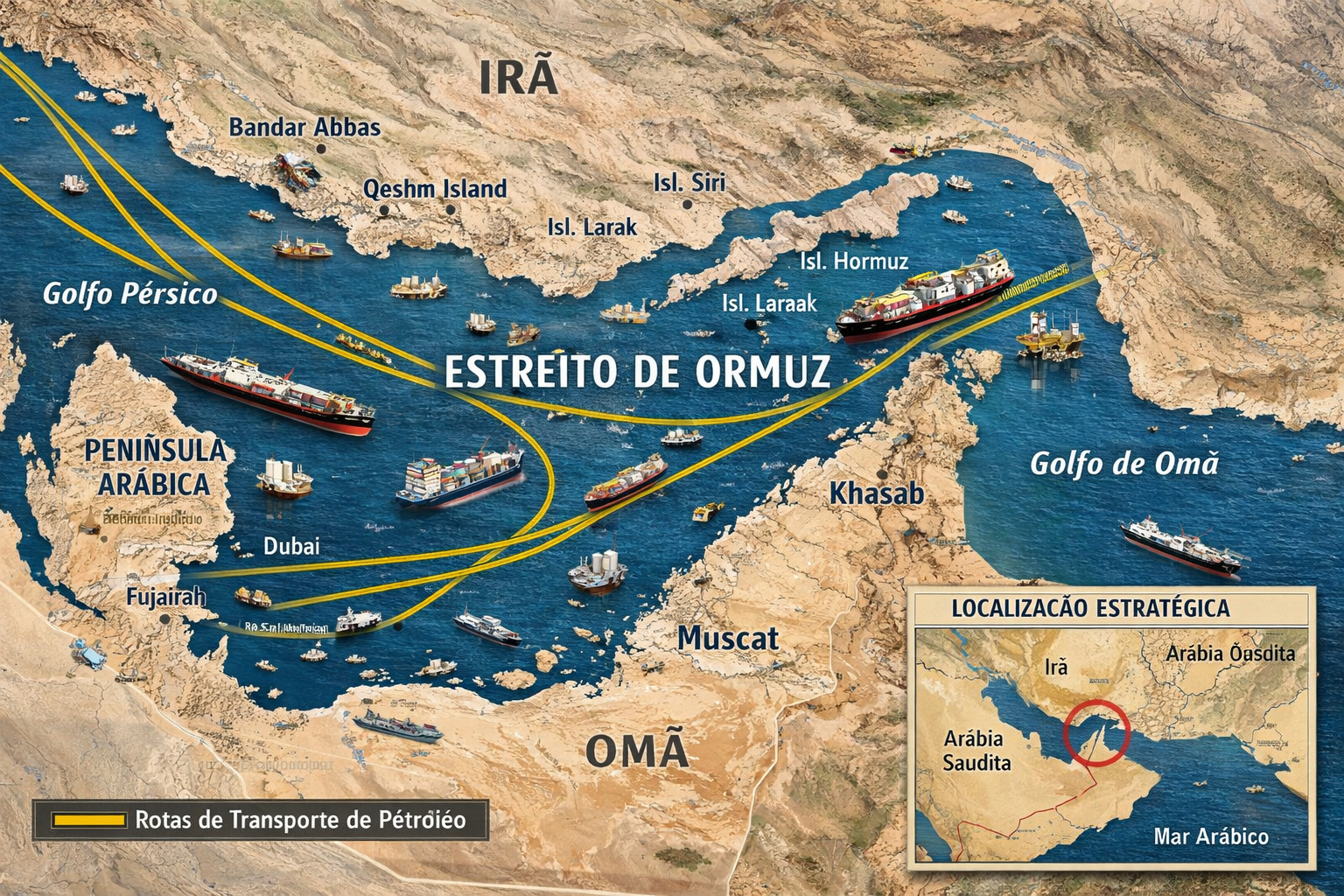
Global summit with over 40 countries pressures Iran for a blockade in the Strait of Hormuz and warns of direct impact on oil, food, and the global economy.
-
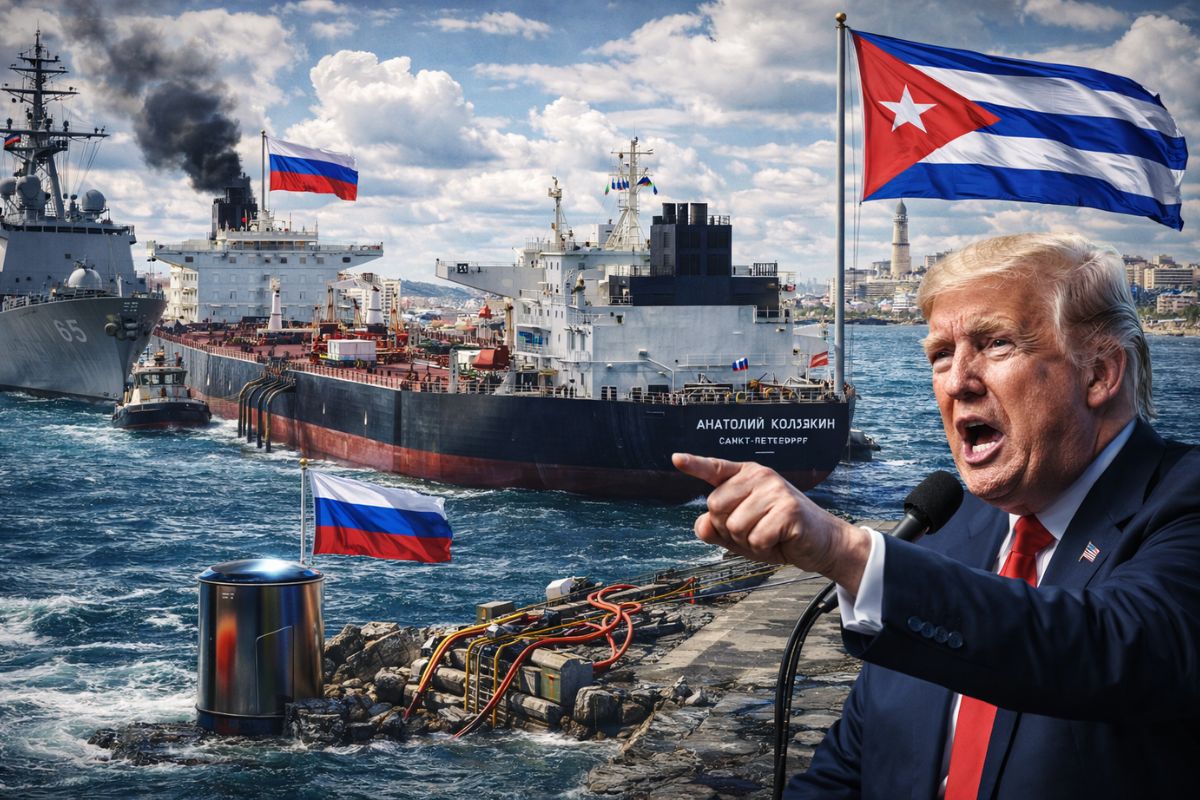
Russia has broken the U.S. maritime blockade to send oil to Cuba and is now loading a second ship while Trump says that “Cuba is next” in a possible military action against the island.
-
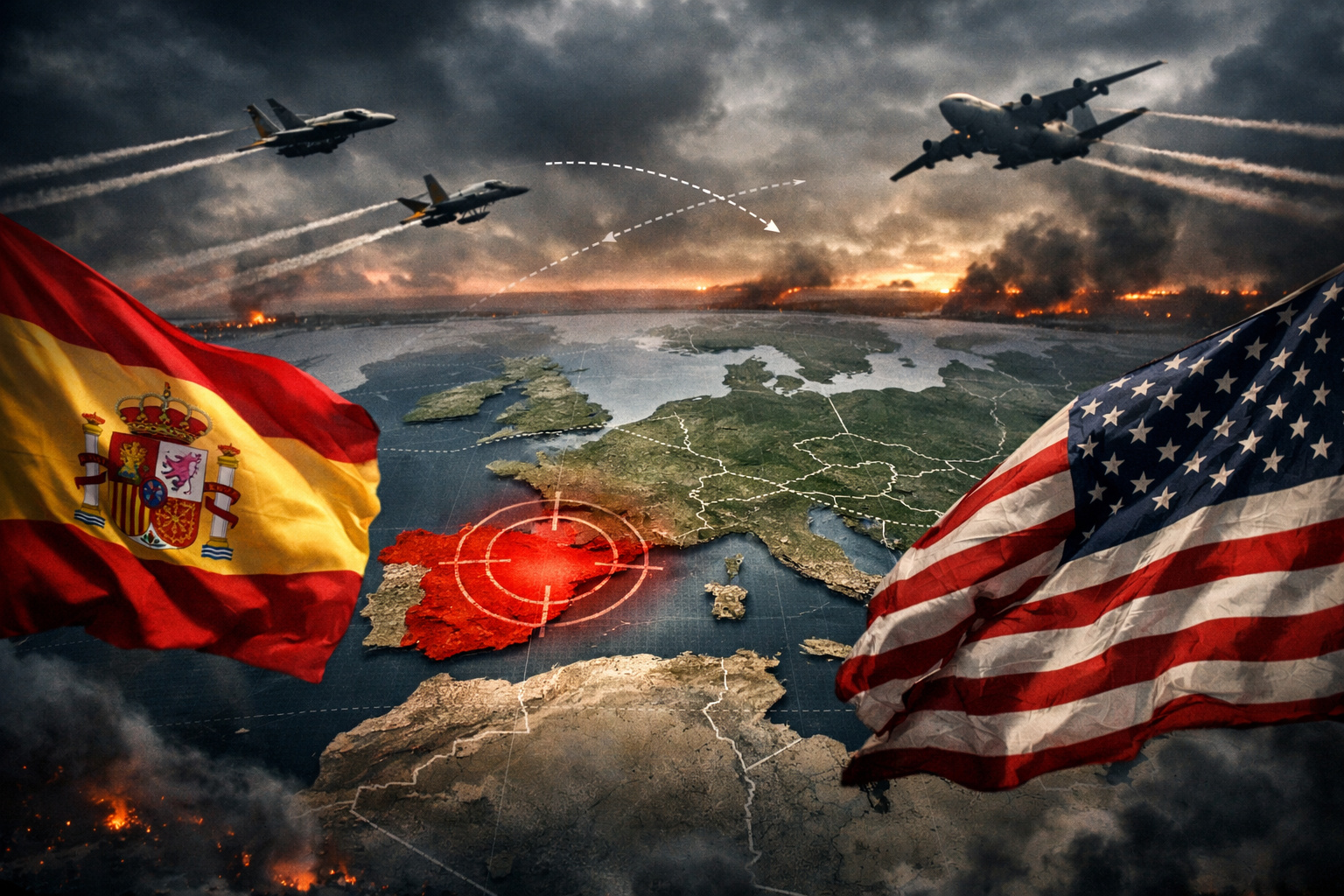
Spain challenges the USA and closes its airspace for operations against Iran, raising global tension and provoking the threat of a trade rupture.
This type of formulation carries a specific diplomatic weight: by calling for “maximum restraint,” the Brazilian government emphasizes the importance of curbing chain reactions, especially when actions such as airstrikes and missile launches heighten perceptions of threat and shorten the space for political negotiation.
Diplomatic Negotiations Under Pressure And The Risk Of Regional Escalation
The bombings occurred during a period described as negotiations between the involved nations. When the political path is underway, military attacks tend to strain channels of communication, increase suspicions, and encourage harder internal rhetoric, which complicates the resumption of commitments and easing measures.
In practice, the concern expressed by Brazil connects to the typical domino effect of crises of this nature: one attack can generate retaliations, which in turn provoke new responses, expanding the geographical reach of the conflict and raising the risk of incidents affecting populations and structures that have no direct relation to military decisions.
Why Civil Infrastructure And Civilians Are At The Center Of The Alert
By mentioning threats to civil infrastructure and civilians, Brazil focuses on a sensitive point: even when the declared target is military, the impacts can overflow. Civil infrastructure generally includes essential networks and services such as healthcare systems, water supply, energy, communications, and urban logistics, whose interruption affects the daily life and survival of those living in the affected areas.
This emphasis also signals a concern for the humanitarian environment, without delving into operational details of the attacks. The declared priority is the protection of civilians, reinforcing that in any scenario of confrontation, the social cost tends to grow when public safety deteriorates and basic services are at risk.
Embassies On High Alert And Guidance For Brazilians In Tehran And The Region
One of the most concrete elements of the stance is the activation of consular measures: Brazilian embassies in the region have been put on standby, with the aim of guaranteeing immediate support to Brazilians living or passing through affected areas. The logic is to reduce uncertainties and shorten response time should the situation worsen.
Within this effort, the Brazilian ambassador in Tehran maintains direct contact with residents, and the official guidance is one of caution: attention to local authorities’ guidelines and avoidance of areas considered risky.
In unstable situations, recommendations of this type are often decisive in reducing exposure to unnecessary movements and sudden changes in the security environment.
International Law As A Coherent Line Of Brazil’s Position
Itamaraty reaffirms the defense of peace and strict adherence to International Law as a traditional axis of Brazilian foreign policy.
This framing is not merely rhetorical: it seeks to provide predictability to the country’s position, tying the condemnation of the bombings to principles recognized in the diplomatic arena.
By insisting that the exit must be negotiated, Brazil also tries to preserve space for conversations and mediations, albeit indirect, and reinforces the notion that regional stability depends less on displays of strength and more on verifiable commitments and gradual reduction of hostilities.
The Brazilian note combines condemnation of the bombings, concern for civilians and civil infrastructure, calls for restraint, and activation of consular readiness—all while the political environment is described as one of diplomatic negotiations.
The message is that escalation is not inevitable, but may become more likely when military actions accumulate and the space for dialogue shrinks.
If you had relatives or friends in Tehran or the region, what practical measure would you consider most important in this type of crisis: stricter security guidelines, enhanced consular contact, or an even firmer public stance against the attacks?
And, in your view, what really curbs escalation: international pressure for dialogue, immediate military restraint, or diplomatic agreements with concrete guarantees?









-

Uma pessoa reagiu a isso.