





 Portuguese
  English
  Spanish
  4 min of reading
  1 comment


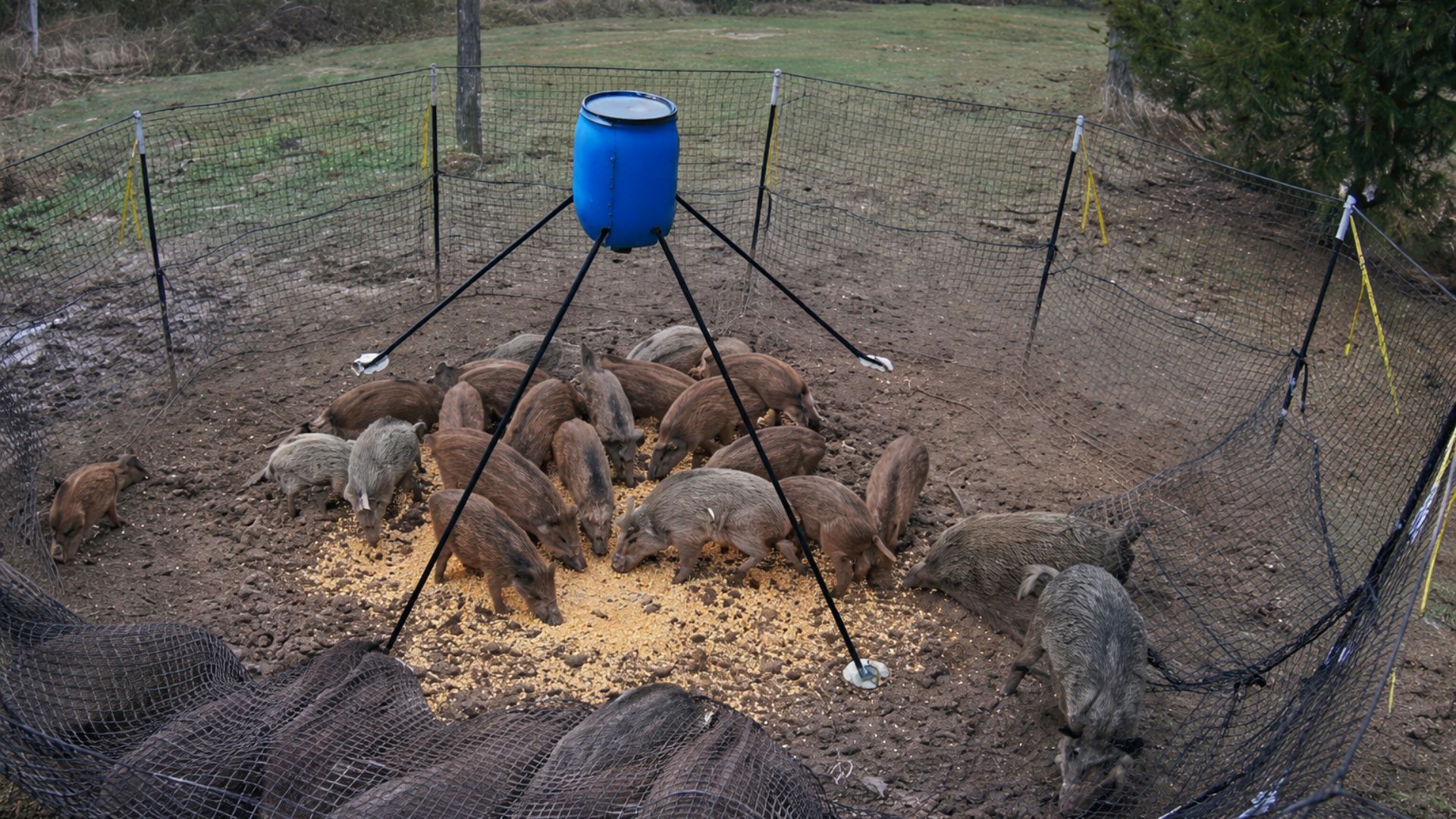


Light And Resistant Network System Allows Collective Captures, Reduces Operational Costs, And Emerges As A More Effective Alternative To Traditional Wild Boar Control In The Brazilian Field
The infestation of wild boars in Brazil has ceased to be an isolated problem and has become a direct threat to agricultural production, rural safety, and environmental balance. In recent years, producers from different regions have reported increasing losses, destruction of crops, and constant risks to native fauna, demanding more efficient and structured solutions.
In this context, a new Brazilian trap for wild boars has attracted attention for its ability to capture entire groups at once, something that had previously been difficult to achieve with traditional methods. The innovation is seen as a game changer in the population management of these invasive animals, whose accelerated reproduction challenges any isolated control attempt.
The information was disclosed through technical content and audiovisual materials specialized in rural management and invasive fauna control, highlighting materials presented by the Fatos Rurais channel and by Brazilian companies in the environmental sector, which have been documenting the practical results of the new technology in the field.
-
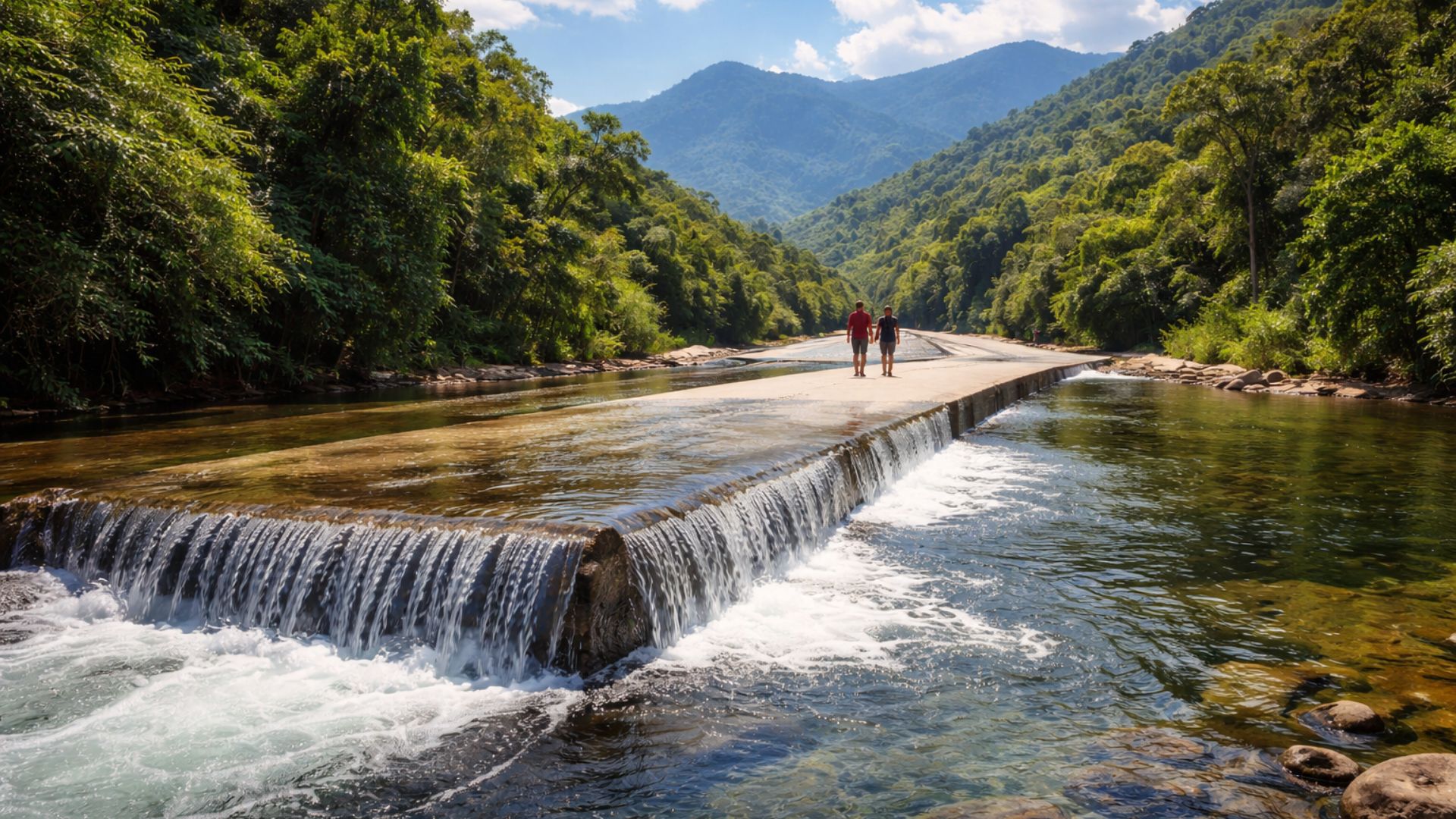
Petrobras builds inverted bridge and the project becomes a tourist attraction: unique structure allows the river to flow over the road and replaced precarious crossings.
-
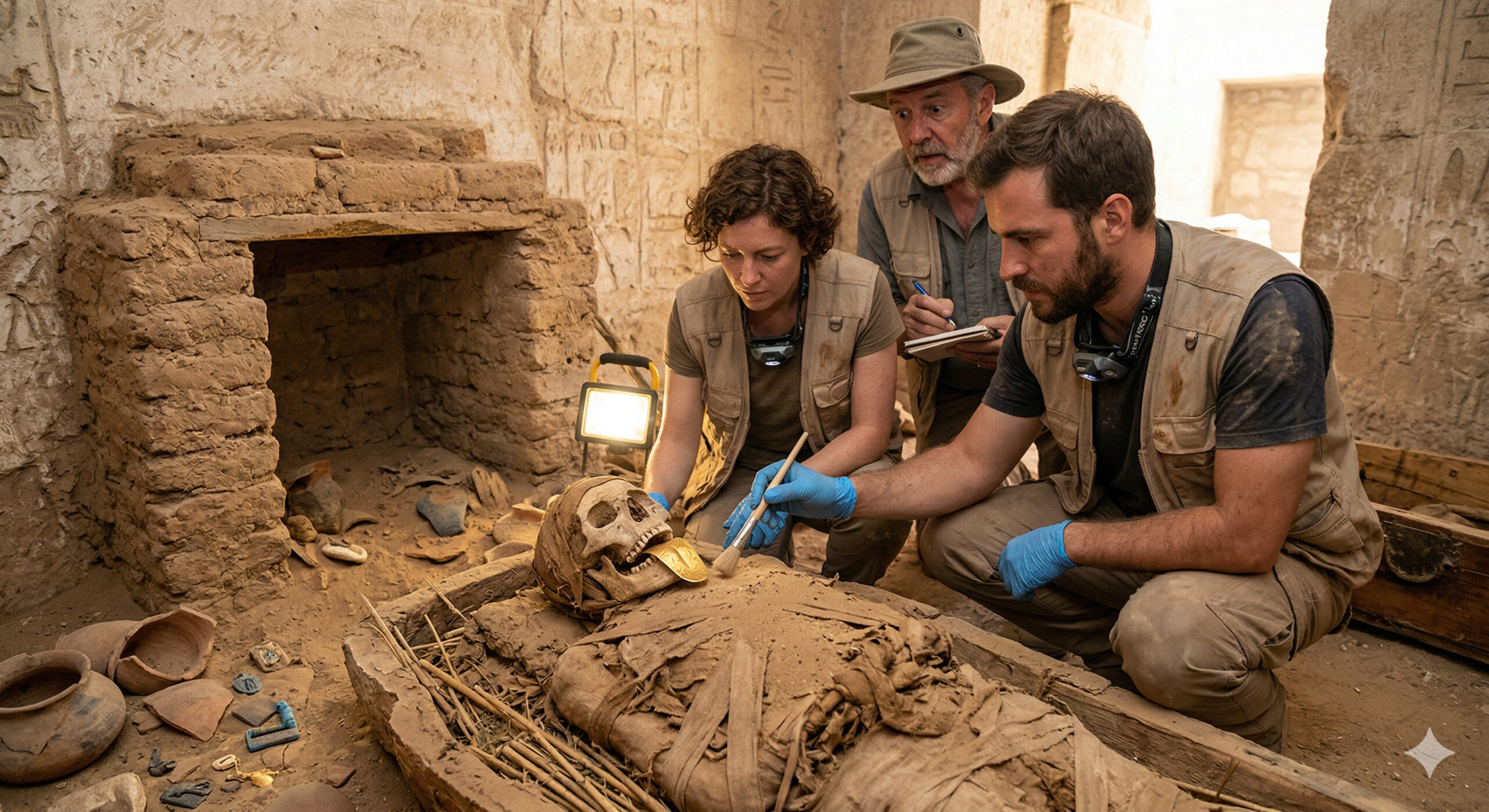
Archaeologists find in Egypt mummies with tongues made of gold buried over 2,000 years ago, a rare discovery surprises researchers and reveals an unusual funerary practice.
-
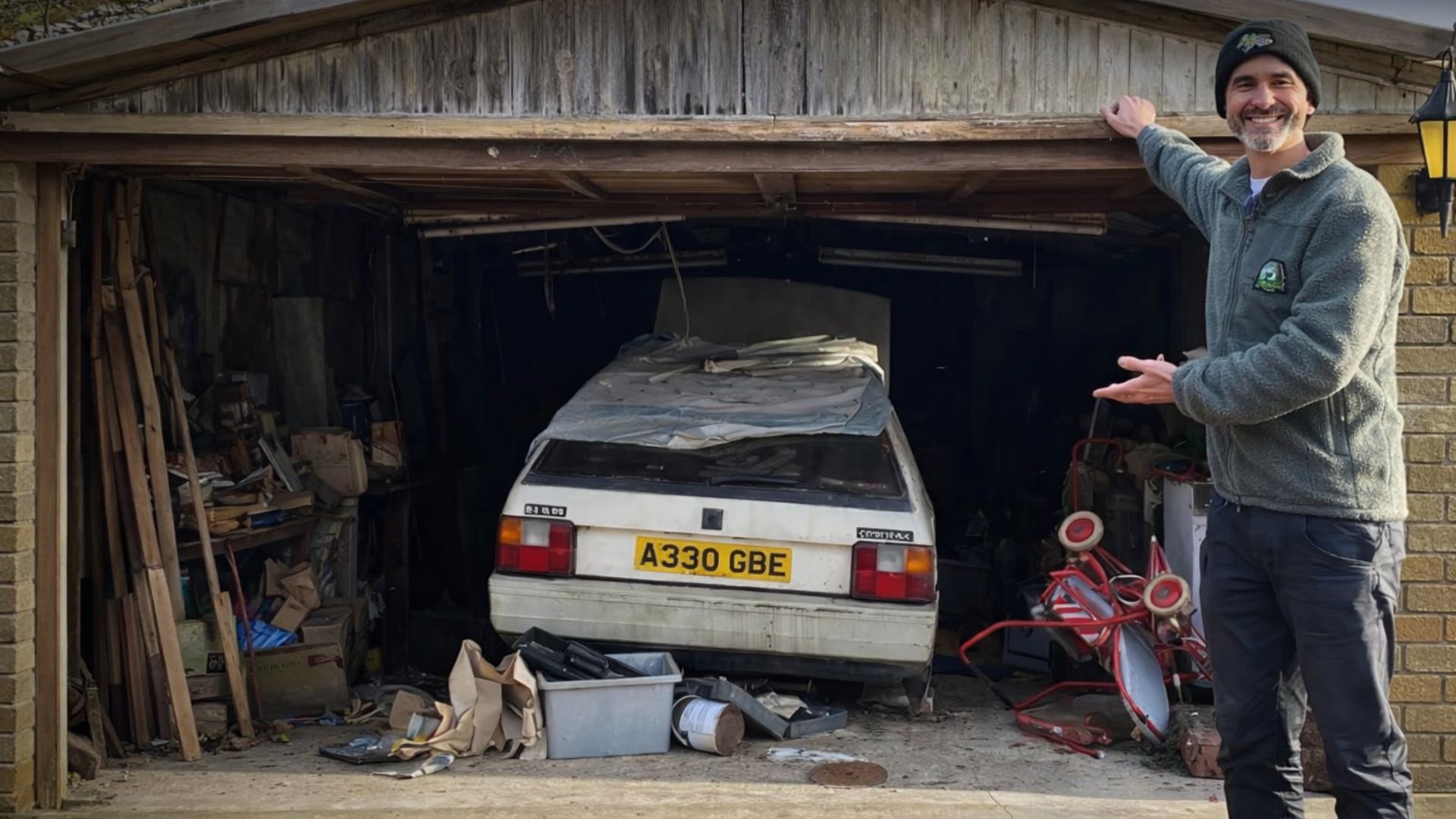
Man ‘forgets’ locked car for 38 years and now has a relic that few in the world possess.
-
Archaeological study reveals why humans swapped round houses for square buildings thousands of years ago.

How Traditional Traps Worked And Why They Failed

Historically, wild boar control in Brazil used metal traps of the circular enclosure type, usually made of heavy iron. These structures had only one entrance and relied on manual triggering or constant monitoring, requiring human presence at the exact moment when the group was fully inside the trap.
However, despite functioning in some cases, these models presented critical limitations. The first problem was the high cost, making the equipment inaccessible for many small and medium producers. Additionally, the excessive weight and large volume made it difficult to transport and install in remote areas, precisely where wild boars tend to concentrate.
Another negative point was the operational dependency. Many traps required someone to be nearby to close the gate at the right moment, drastically reducing efficiency since wild boars are extremely alert, fast, and suspicious of changes in their environment.
The Wild Boar Net Trap 4.0 And The Technical Advances Of The New System

The new solution, known as wild boar net trap 4.0, retains the concept of collective capture but replaces heavy metal with a system of high-strength nylon nets, making the equipment lighter, more practical, and adaptable to the Brazilian rural terrain.
Developed and manufactured in Brazil by the company Mão na Mata Manejo e Soluções Ambientais, the trap has approximately 6 meters in diameter, 2 meters in height, and covers an area of about 28 square meters. The system features a triple layer of net, providing sufficient resistance to withstand simultaneous charges from entire groups of wild boars.
Another important differentiator is the top lock, designed to prevent jumps and avoid escapes, even by young animals. According to the company, the material is resistant to UV radiation, ensuring greater durability even in exposed environments, and weighs around 35 kilograms, facilitating transport, assembly, and disassembly in hard-to-reach locations.
Additionally, the trap can operate without the constant presence of operators, unlike the old models, which significantly enhances its operational efficiency in large rural properties.
Crop Losses, Risks To The Population, And The Urgency Of Control
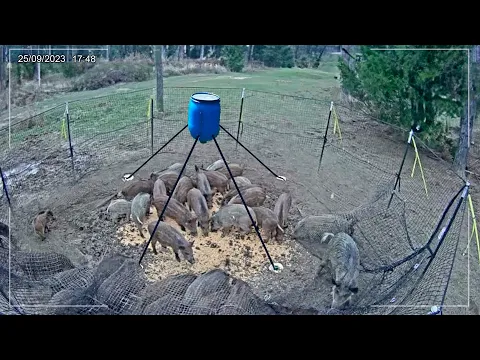

The damage caused by wild boars goes far beyond crop destruction. In a control operation recorded on video by Javali S.A., an entity that supports conscious management in favor of agriculture and the environment, the degree of difficulty in containing these animals using only traditional hunting methods was evident.
In the operation, a team of nearly 10 men, supported by hunting dogs, covered between 20 and 30 kilometers in a single morning. Nevertheless, the human effort involved contrasted sharply with the efficiency of traps capable of capturing multiple animals in a matter of minutes.
The rural producer Hélio Galo, interviewed during the operation, reported direct losses on his property. Having worked for 15 years in lemon and corn production, he had to completely abandon corn cultivation due to the constant attacks by wild boars. Out of 3,000 lemon trees planted, about 250 seedlings had to be replanted after being uprooted by the animals, each at an approximate cost of R$ 8, resulting in an immediate loss of around R$ 2,000, not counting the additional labor.
In addition to the financial impact, Hélio reported risks to his family’s safety, including the frequent presence of wild boars near the residence, where children often play. The producer also had to stop raising free-range pigs, as wild boars invaded the pens to mate with the sows, which could result in javaporcos, whose breeding is prohibited and may incur fines, even when the producer is not directly at fault.
In light of increasing losses, safety risks, and increasingly evident environmental impacts, to what extent is Brazil prepared to adopt more efficient and less bureaucratic solutions for wild boar control before the problem becomes irreversible?






Mais uma mentira o produtor rural está sim ameaçado pelo a proliferação de javali sim , só um desenformado ou que tem interesse em desarmar os caçadores que publica uma coisa assim, quem fez está matéria deveria ir em uma fazendo onde os produtores rural estão sofrendo com esta praga aí sim depois publica uma matéria , mas capaz de ainda Asim defender que o javali está sob controle só para manter sua pauta de esquerda