





 Portuguese
  English
  Spanish
  4 min of reading
  0 comments


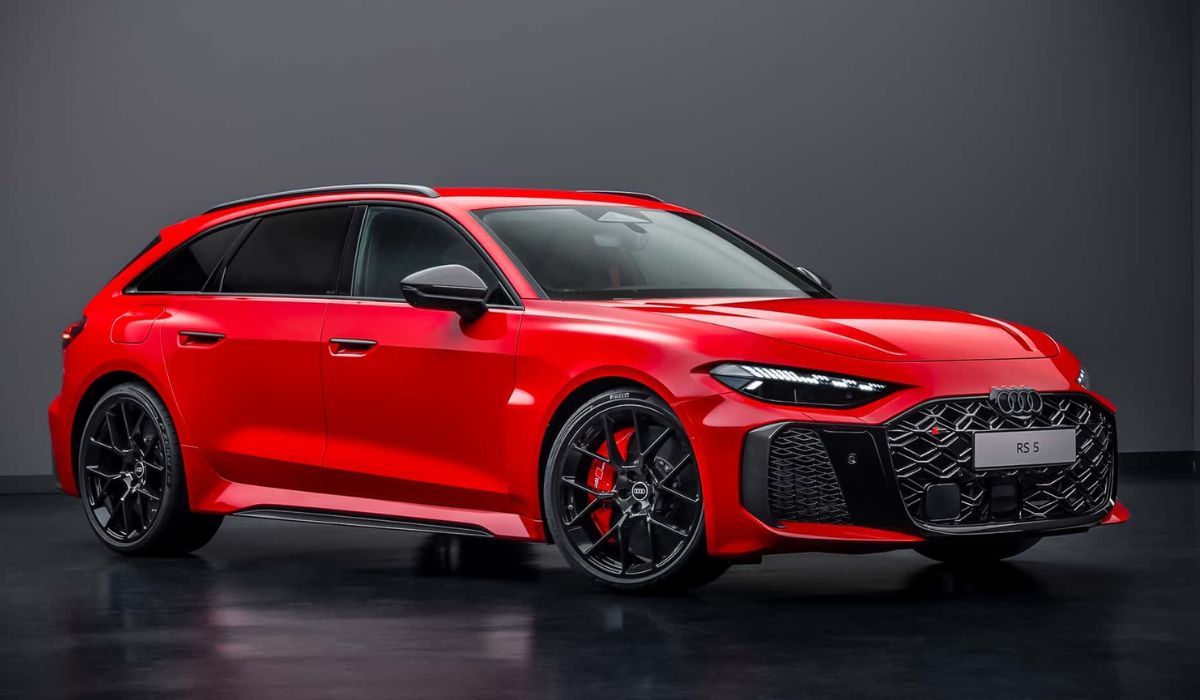
Audi Sports Car Debuts Plug-in Hybrid System with 639 HP, 22 kWh Battery, and New Quattro Traction, Marking the Entry of the RS Line into Electrification Without Abandoning Focus on Performance and Embedded Technology.
The Audi has unveiled the details of the new RS 5, the first model from the RS division equipped with a plug-in hybrid system aimed at high performance.
The sports car will be offered in Sedan and Avant (wagon) body styles and combines a V6 twin-turbo combustion engine with an electric motor, delivering 639 HP and 825 Nm of torque.
According to data released by the manufacturer, the acceleration from 0 to 100 km/h occurs in 3.6 seconds, while the top speed can reach 285 km/h with an optional package.
-
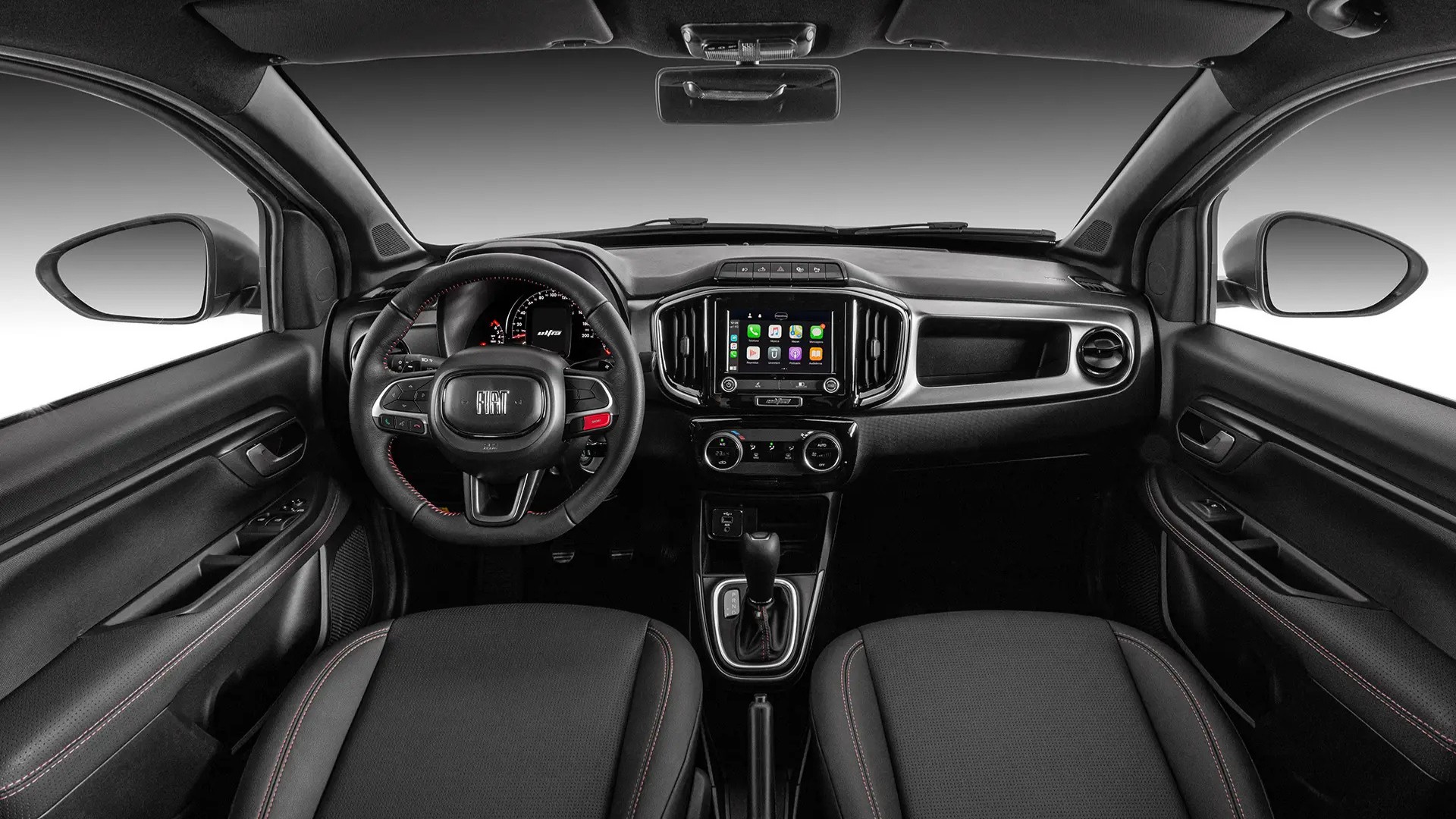
With a 1.3 engine, nearly 700 km of range, and Turbo 200, the Fiat model surpasses Polo, Tera HB20, and Onix, becoming the best-selling car in March; see the numbers for the Fiat Strada and others.
-
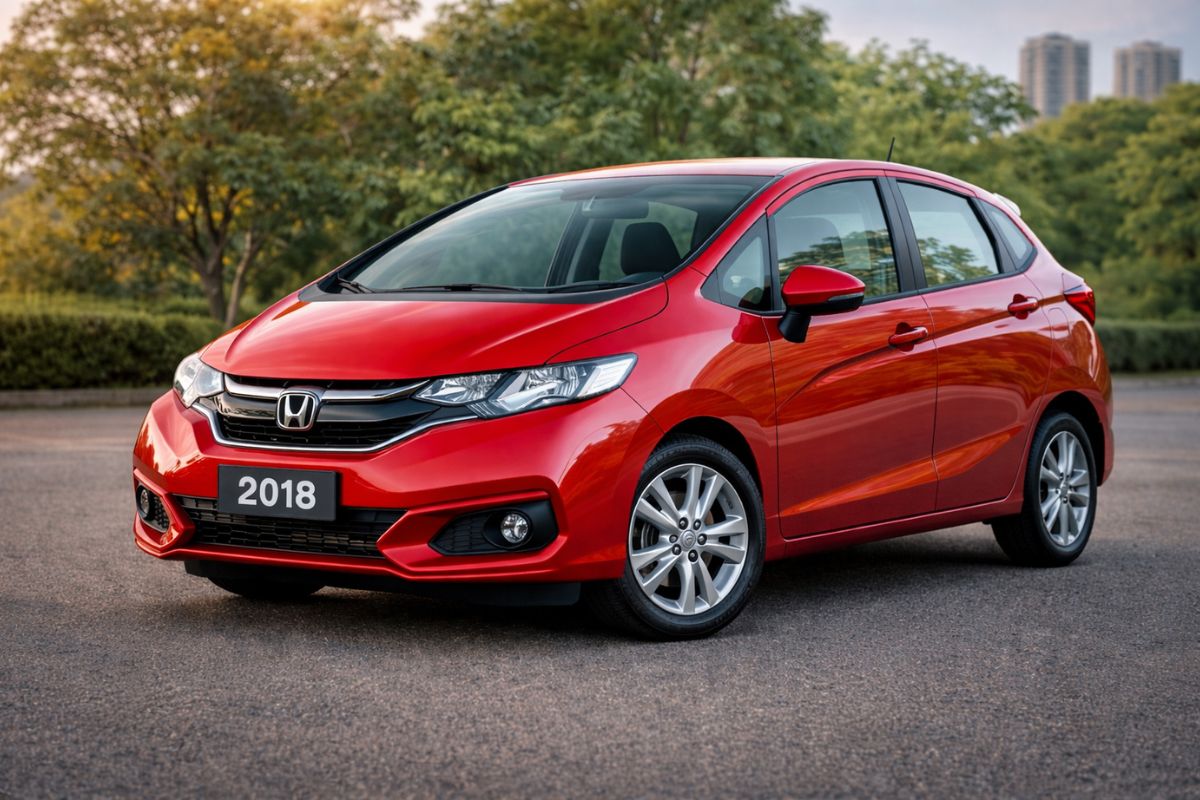
The Honda Fit has been discontinued for years, but the 2018 model is worth more today in the Fipe table than it cost brand new, proving that this used car, valued with a 1.5 i-VTEC engine and Magic Seat, only increases in price.
-
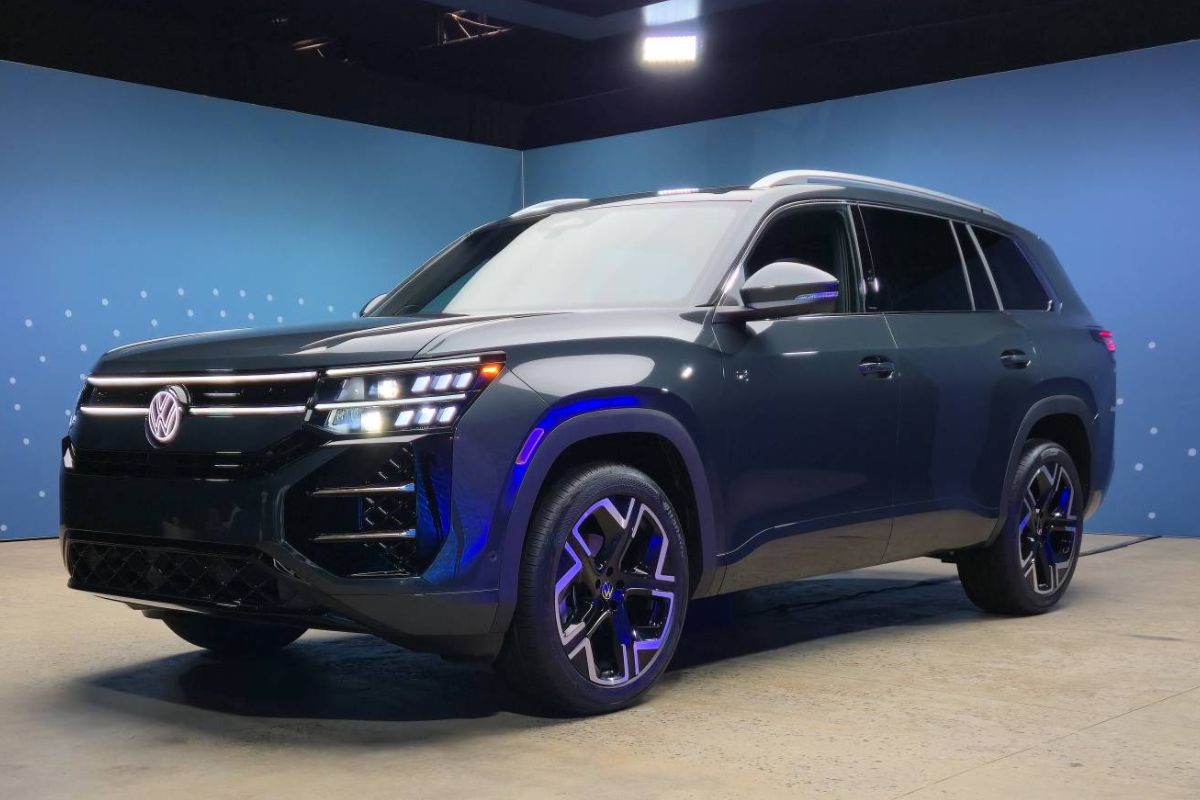
Volkswagen unveiled the 2027 Atlas with a 282-horsepower EA888 turbo engine, a 15-inch screen, massage seats, and a completely new interior to finally elevate the three-row SUV built on the MQB platform to a new level.
-
After decades out of the spotlight, Citroën is preparing to bring back the legendary 2CV as a low-cost electric vehicle, betting on the revival of one of the most popular cars in history and aiming to enter the race for affordable compact cars.

The launch marks a technical shift in the RS line, traditionally associated with exclusively combustion engines.
With the new electrified configuration, the model now occupies the space previously filled by the RS 4 and RS 5 in past generations, within the brand’s current strategy for the A5 family.
2.9 V6 Twin-Turbo Engine and 639 HP Hybrid System
The hybrid system combines a 2.9 V6 twin-turbo engine with an electric motor of 130 kW (177 HP) integrated into the eight-speed automatic transmission.
According to Audi, the combustion engine develops 510 HP, and the joint operation results in the declared 639 HP.
The brand states that the combined torque reaches 825 Nm.
The electric motor also takes on auxiliary functions, such as starting the V6, eliminating the need for a conventional 12-volt starter motor.
22 kWh Battery and Electric Range of Up to 87 km
The system’s energy is stored in a battery with a gross capacity of 25.9 kWh and 22 kWh usable, positioned under the trunk floor.
According to the manufacturer, the package accepts charging at alternating current of up to 11 kW, with a full recharge estimated at 2.5 hours under ideal conditions.

The reported electric range is up to 84 kilometers on the European combined cycle, potentially reaching 87 kilometers in urban use, according to official data.
Audi claims that the new generation of cells was designed to maintain consistent power delivery even at lower charge levels.
Quattro Traction with Dynamic Torque Control
In terms of dynamics, the RS 5 debuts an evolution of the quattro all-wheel drive system with dynamic torque control at the rear axle.
As revealed by Audi, the electromechanical unit adjusts the distribution of force between the rear wheels in millisecond intervals, striving for greater precision in vehicle responses.
Among the available driving modes are specific adjustments of the RS line, such as RS sport and RS torque rear.
The manufacturer also reports the presence of a temporary boost function, activated by a button, which releases maximum power for up to ten seconds, with a countdown displayed on the dashboard.
Carbon-Ceramic Brakes and RS Sports Suspension
To support the announced performance, the model comes with steel brakes featuring discs of 420 mm at the front and 400 mm at the rear.
As an option, there is a carbon-ceramic brake set with discs of 440 mm in front and 410 mm behind.
According to Audi, the substitution for the ceramic system reduces about 30 kg from the total vehicle weight.
The company also reports a braking distance of 30.6 meters when decelerating from 100 km/h with the optional set.
The RS sports suspension uses dampers with two-valve technology, allowing independent control of compression and rebound movements.
According to the manufacturer, this configuration expands the adjustment possibilities between comfort and performance.
Declared Weight and Impact of Electrification
With the adoption of the hybrid system, the total weight of the vehicle has increased.
The RS 5 Sedan has a declared weight of 2,355 kg, while the RS 5 Avant reaches 2,370 kg.
The figures represent a significant increase compared to previous generations equipped only with a combustion engine.
Audi did not provide official comparisons with specific models from the past, but confirms that the weight gain is mainly associated with the electric package and the battery.
Wider Design and Interior with Three Digital Screens
Visually, the new RS 5 features a wider body compared to the conventional A5.
The manufacturer states that the widening is approximately four centimeters on each side, both at the front and the rear.
The front adopts a honeycomb pattern grille and enlarged air intakes.
At the rear, the model showcases a diffuser with vertical fins and oval exhaust tips.
The wheels can be 20 or 21 inches, depending on the chosen configuration.
Inside, the vehicle features a setup with three digital screens dedicated to the multimedia system and the instrument panel.

The finishing includes surfaces in glossy black and sports seats with electric adjustments.
Audi also reports the possibility of a massage function and different leather upholstery options, depending on the selected package.
Price in Germany and Start of Sales in Europe
In Germany, the starting price announced is 106,200 euros for the RS 5 Sedan and 107,850 euros for the RS 5 Avant.
Production takes place at the Neckarsulm factory.
According to Audi, orders in Europe will open in the first quarter of 2026, with deliveries expected for the European summer of the same year.
With the introduction of the plug-in hybrid system in the RS line, the brand is expanding its electrification strategy also among high-performance models.







-

-

-

-

-

40 pessoas reagiram a isso.