





 Portuguese
  English
  Spanish
  2 min of reading


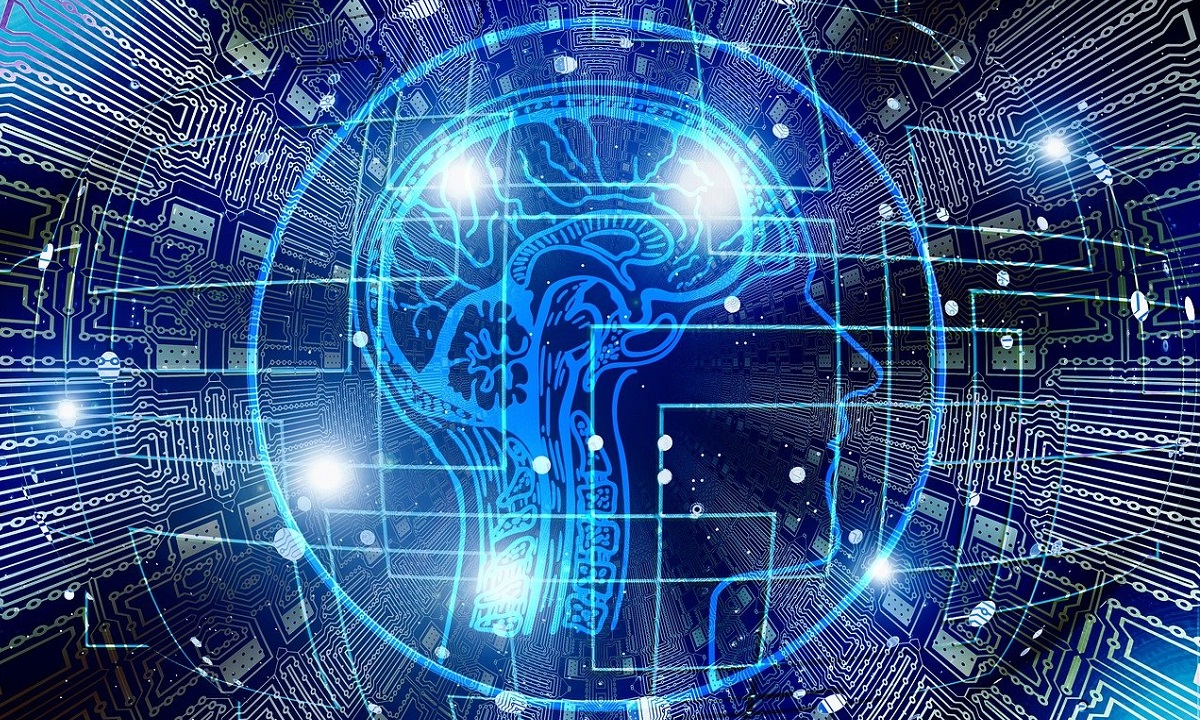
The Technology Used To Create The “Artificial Human Brain” That Was Created In 2013 To Better Study Microcephaly And Other Brain Disorders
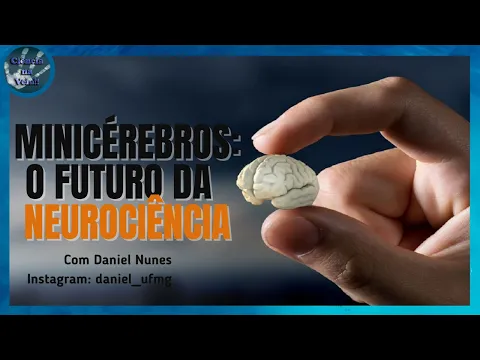
The “artificial human brains,” produced for the first time in 2013, have been employed in research on brain development. The expectation is that this new technology may be used to test treatments for neurodegenerative diseases.
According to the scientists who developed the technology, the “mini-brain” is capable of sensing its environment and reacting to it. Brett Kagan, the scientist who devised the technology, claims to have created the first “sensitive” artificial brain in the lab. However, other experts view the work as “exciting,” yet say that calling the brain cells sentient is going too far.
The term “Sentience,” used by Kagan to describe the technology, means the ability to experience something and develop specific feelings from an experience. Even so, Kagan states that this term is the best to describe the discovery.
-
At an altitude of 400 km by astronauts from the International Space Station, Paris transforms at night into a golden mesh so precise that it reveals the outline of the Seine River, avenues, and entire neighborhoods like a luminous map drawn over the Earth.

-
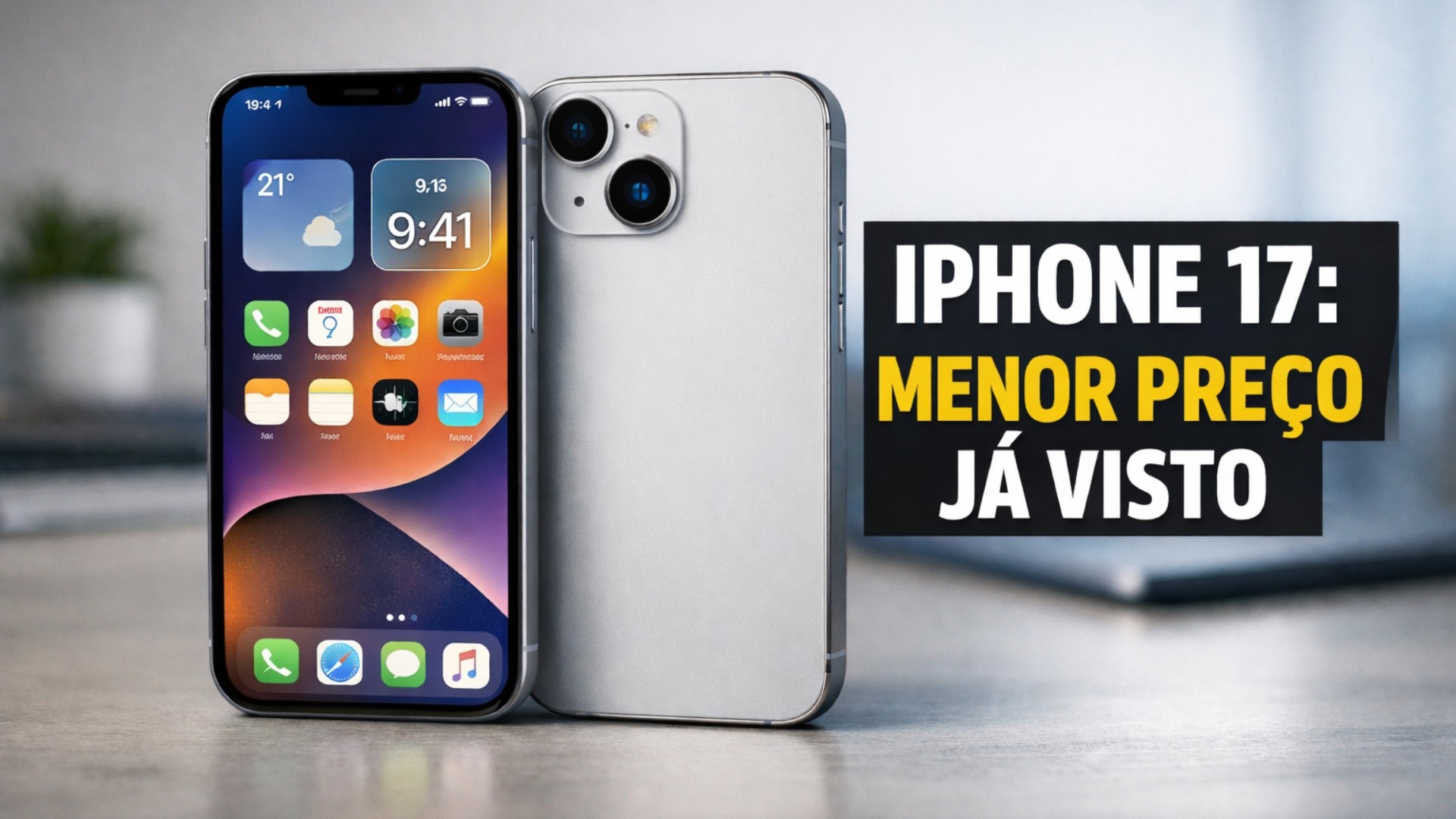
iPhone 17 reaches historic low price with 256 GB, 120 Hz display, and drops to R$ 5,703 on Shopee, featuring A19 chip, dual 48 MP cameras, battery life of up to 30 hours, and advanced AI features.
-
Trip to Mars getting closer: Pulsar Fusion, from the UK, advances with plasma ignition in fusion engine and could drastically reduce space travel time, making crewed missions faster, safer, and economically viable.

-
Made with recycled plastic, a Lego-inspired brick builds a 180 m² house in 15 days, providing thermal comfort, preventing moisture, and turning waste into income, kits, and accelerated construction in the country.


HOW DOES A MINI-BRAIN WORK?

THE PURPOSE OF MINI-BRAINS
The technology developed for creating artificial brains was first produced in 2013, with the aim of studying microcephaly, a genetic disorder in which the human brain is born very small.
Since its creation in 2013, mini-brains have been widely used by science in research on brain development, marking the first time they are connected to an external environment and react to it, in this case a video game: Pong, where the objective is to move a paddle on the screen to prevent the ball from passing.
The scientists cultivated human brain cells from stem cells and mouse embryos to form a collection of 800,000! The result, the mini-brain, was connected to the video game through electrodes that indicated which side the ball was on and how far it was from the paddle used to hit.
WHAT ARE ARTIFICIAL BRAINS FOR?
According to Kagan, it is expected that the technology may be used to test treatments for neurodegenerative diseases, such as Alzheimer.
“When people look at [human] tissues in a lab, they are seeing if there is activity or not. But the goal of brain cells is to process information in real time,” he says. “Evaluating their true function can be useful for many other areas of research.”
In addition to this goal, Kagan also intends to test the impact that alcohol has on the mini-brain’s ability to play Pong. If it reacts similarly to a human brain, it would demonstrate how effective it could be as a substitute.






Seja o primeiro a reagir!