





 Portuguese
  English
  Spanish
  2 min of reading


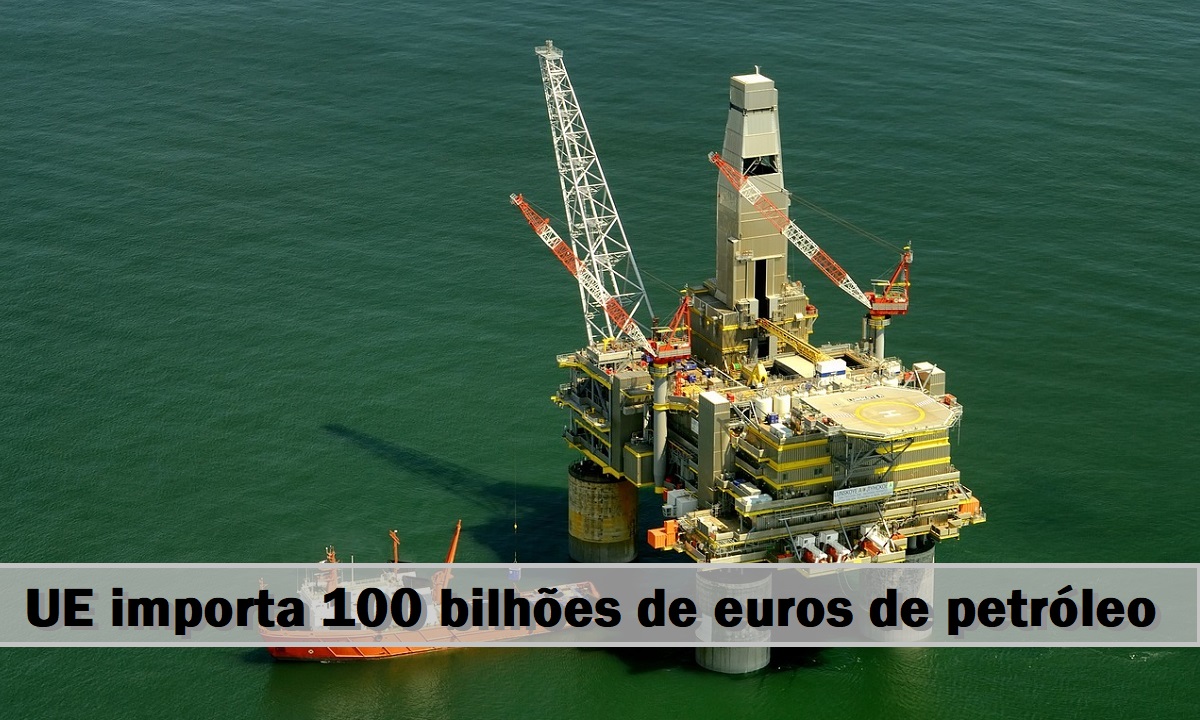
Even With The Decrease In Imports Of Russian Inputs Such As Gas And Coal, The EU Still Needs Products From Russia Such As Oil And Fuels
In light of the fuel crisis, countries in the European Union (EU) have already imported approximately 104 billion euros worth of gas, oil, and coal from Russia since the invasion of Ukraine by Russian forces in February, while European countries reinforce the importance of isolating Europe from Vladimir Putin’s regime.
According to estimates from the Center for Research on Energy and Clean Air (CREA), European imports of coal from Russia have already been halted, and natural gas imports have been drastically reduced; however, the EU continues to be the largest importer of fuels from Russia.
In contrast, imports of Russian oil by China began to decline in September, which can be attributed to lower demand. Meanwhile, India’s imports remained below the levels reached in May, as Indians imported nearly no Russian fuels before the invasion of Ukraine. Overall, according to CREA, exports of Russian oil to non-European countries have remained stable since March.
-
Oil surges again after attacks and standoff between the US and Iran increase global tension

-
HIDDEN TREASURE AT THE BOTTOM OF THE SEA? Oil discovery nearly 20,000 feet deep challenges engineering limits off the coast of Brazil
-
90 billion barrels of oil, 1.669 trillion cubic feet of natural gas, and 84% of probable reserves in offshore areas are under the Arctic, and the melting ice that opens maritime routes and exposes this energy treasure is turning the North Pole into a strategic dispute between the USA, Russia, China, and Canada for oil, gas, navigation, and military power.
-
IBS and CBS regulations change credit reimbursement and raise financial alert in the oil and gas industry


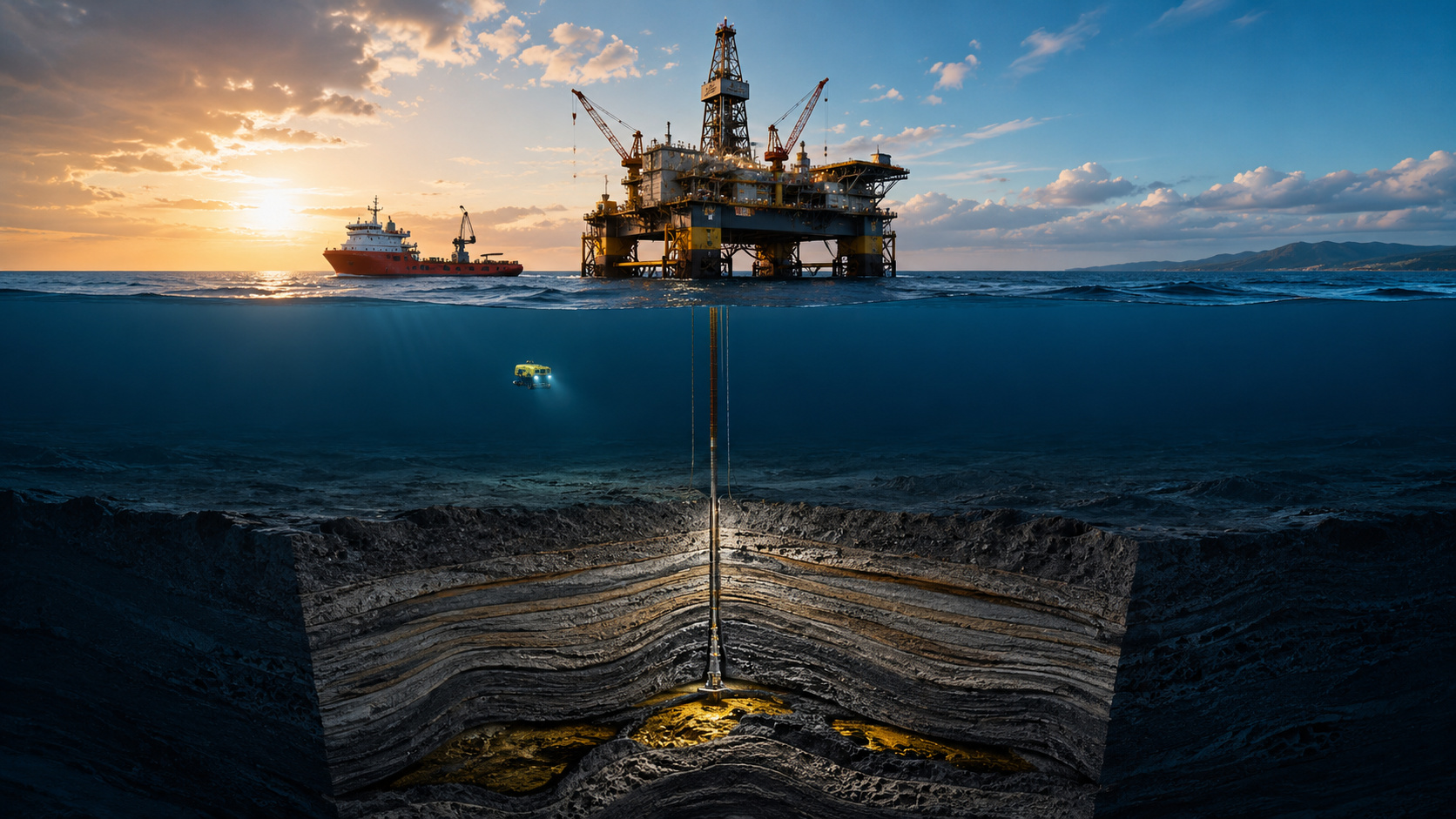


EU AIMS TO COMPLETELY CEASE IMPORTS OF RUSSIAN OIL
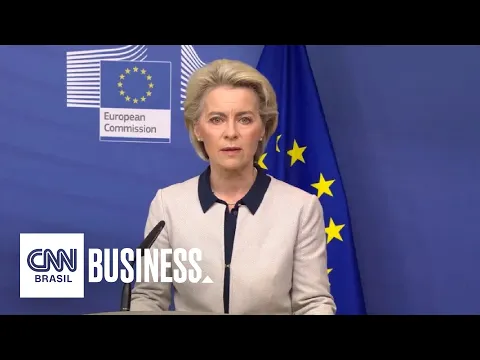

Russian Oil Prices Worldwide
According to the newspaper “Le Canard Enchainé” from Paris, known for its investigations, some countries are taking advantage of the cheap fuels coming from Russia. China, for example, purchases cheap Russian gas and sells American liquefied gas, which it bought for a much higher price, back to Europe. With this logistics, Beijing earns a good amount in dollars.
Even though substantially reduced imports of certain products, the high prices of imported goods due to the war cause European countries to continue paying dearly for imports from Moscow, indirectly financing Putin’s military machine.
Overall, since Russian forces invaded Ukraine, the EU has imported about 54.5 billion euros worth of oil, 46.4 billion euros worth of gas, and 3.0 billion euros worth of coal from Russia, according to CREA data.
In broad terms, the search for fuel autonomy by Europe continues, considering that the largest declines were in gas exported to Europe and crude oil globally. Other countries, such as India, China, Turkey, and Malaysia, have been the countries that increased their imports of Russian fuels the most since the beginning of the invasion of Ukraine.




Be the first to react!