





 English
  Francês
  Alemão
  Italiano
  Japonês
  Norueguês
  Portuguese
  Spanish
  2 min of reading


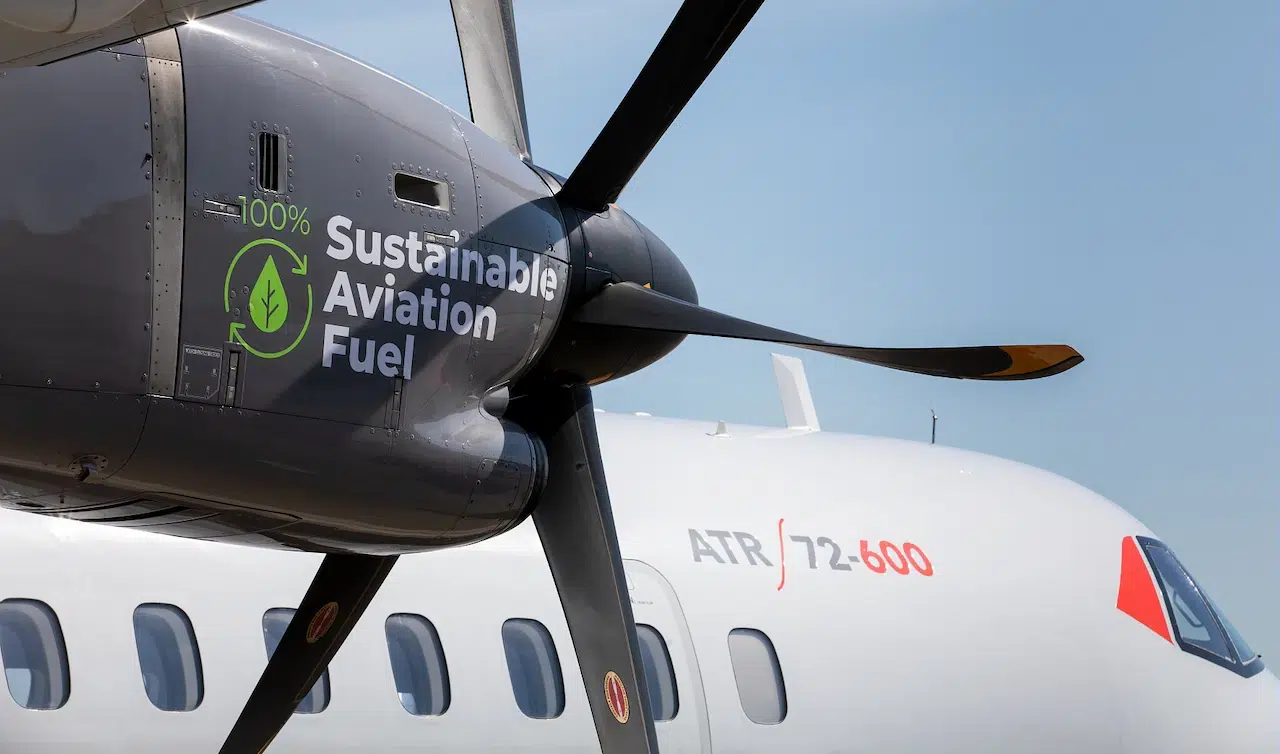
The New Enzyme Was Discovered by Brazilian Researchers and Promises to Revolutionize the Biofuels Market for Aircraft
The search for sustainable solutions in the biofuels sector has been a priority for scientists in recent decades. A recent breakthrough announced by Brazilian researchers brings hope for the production of biofuels for aircraft and maritime transport. It is a metalloenzyme, discovered from the bacterium Rothia nasimurium, that promises to boost the production of renewable hydrocarbons from various raw materials, according to the website One Planet.
The team of researchers from the National Laboratory of Biorenewables of Brazil (LNBR), linked to the National Center for Research in Energy and Materials (CNPEM), identified a revolutionary enzyme called decarboxylase or OleTPRN. This metalloenzyme, belonging to the cytochrome P450 class, is capable of replacing traditional catalysts used in thermochemical routes for producing aviation biofuels, also known as Sustainable Aviation Fuel (SAF).
Versatility and Efficiency of the New Enzyme
The significant advantage of the OleTPRN enzyme lies in its versatility and efficiency in the decarboxylation process of fatty acids. This chemical reaction, which involves carbon-carbon cleavage and the removal of the carboxyl group from fatty acids, is essential for the production of renewable hydrocarbons. The enzyme has demonstrated high yield and selectivity for different sizes and types of carbon chains, making it a promise to overcome one of the main challenges in the production of SAF biofuels – deoxygenation.
-
The climate in 2026 may surprise with extremes even more intense than in 2025, with heatwaves, out-of-season cold, and irregular rainfall in Brazil.

-
Astronomers identify 45 rocky planets that could harbor life, and one of them is just 4.2 light-years from Earth, making it the closest neighbor with the potential to have liquid water on its surface.

-
Archaeologists discover 43,000 ostraca in Egypt with tax lists, drawings, religious texts, and everyday notes that reveal what life was like in ancient Athribis before Cleopatra.

-
China showcases laser defense systems that target drones flying very low and attempts to address a flaw that has been concerning armies worldwide.


One of the great advantages of the OleTPRN enzyme is its ability to act on different raw materials, both oilseed biomass, such as soybean, macaúba, and corn, as well as lignocellulosic biomass, derived from sugarcane bagasse or straw and the paper industry. This enables the creation of new biotechnological routes for producing renewable hydrocarbons, allowing significant advances in the production of biofuels for aircraft.
Technological Advancement in the Biofuels Area
The discovery of the OleTPRN metalloenzyme by Brazilian researchers represents an important milestone in the search for sustainable solutions in the aviation biofuels sector. With its high efficiency and versatility, this enzyme promises to boost the production of renewable hydrocarbons from various raw materials, contributing to a cleaner and more sustainable future in the aircraft and maritime transport industry. The research paves the way for new possibilities in the production of aircraft biofuels and strengthens Brazil’s position as a leader in technological innovation for the renewable energy industry.









Seja o primeiro a reagir!