





 Portuguese
  English
  Spanish
  4 min of reading
  0 comments


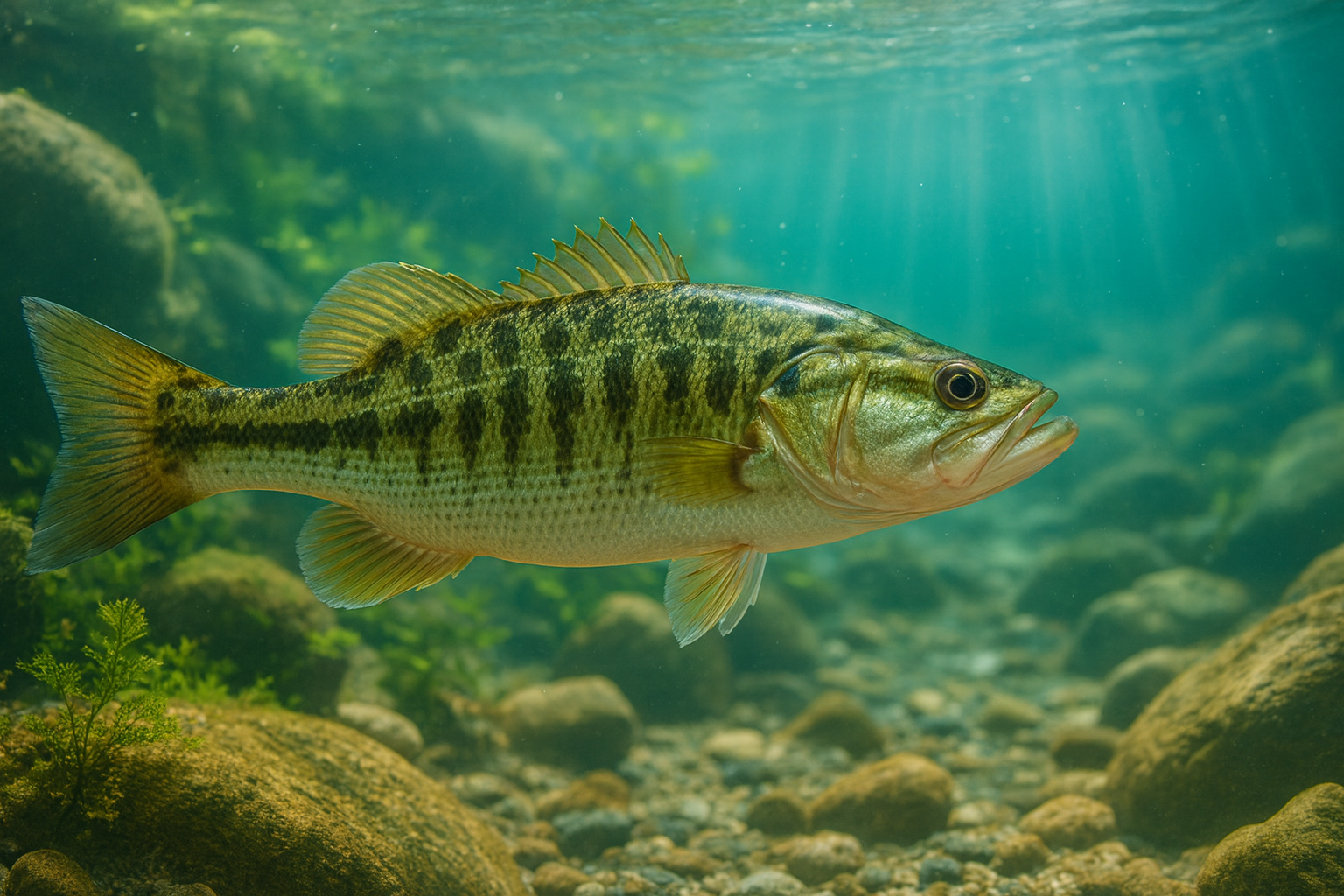
With Golden Body and Up to 50 Cm, the New Species of Fish Discovered in the Savannah River Surprises Scientists and Reveals That the Rivers of the Planet Still Hold Unexplored Mysteries.
After years of research, genetic analyses, and expeditions in fast-flowing rivers, a group of scientists announced in September 2025 the discovery of a new species of freshwater fish with golden coloration and marked territorial behavior. The finding, officially published by the South Carolina Department of Natural Resources (SC DNR), describes a new species of native striped bass, identified in the hydrological system of the Savannah River in the southeastern United States — an ecosystem that is poorly studied but fundamental to the region’s river biodiversity.
A Discovery That Rewrites the Map of Native Fish
The new species, named Micropterus savannahensis, is part of the black bass family, a group of fish highly valued in American sport fishing. The difference, however, lies in its appearance: the body displays metallic golden hues and irregular spots that vary with light exposure. In the laboratory, researchers observed specimens measuring up to 50 centimeters in length and weighing approximately 2.5 kilograms, making it one of the largest species in the genus.
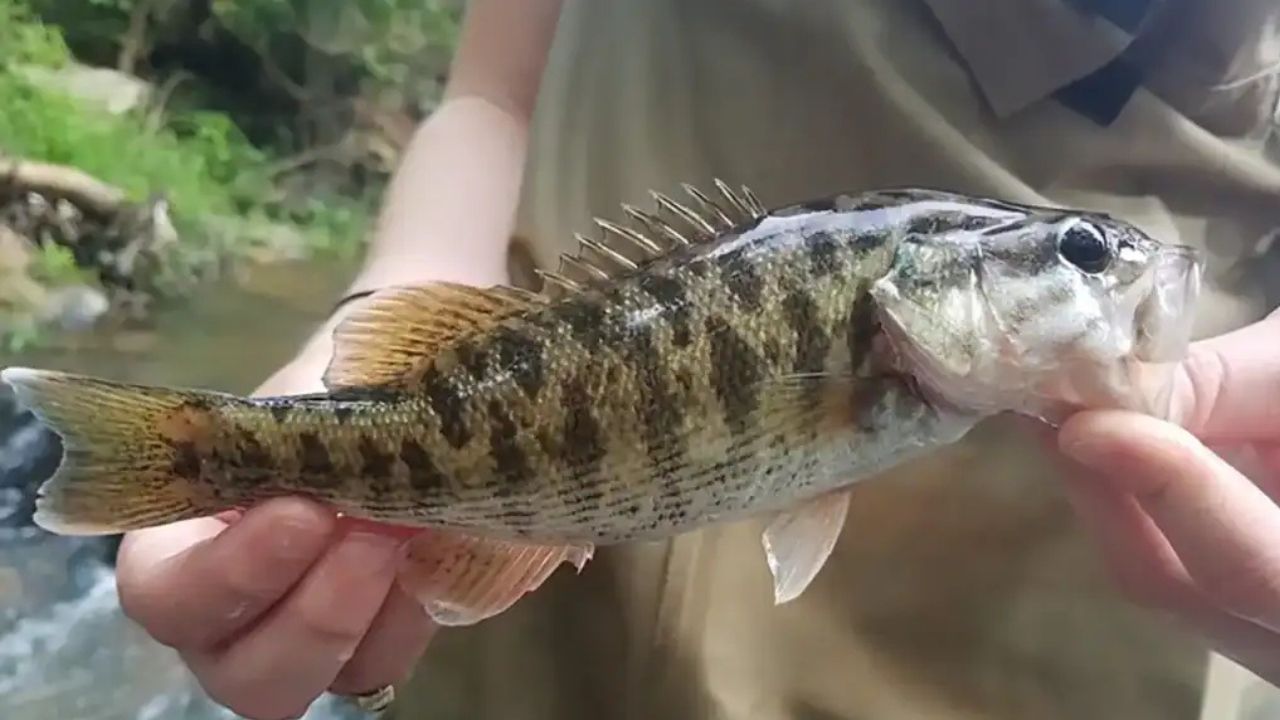
According to the SC DNR report, the fish lives in fast-flowing and well-oxygenated waters, preferring shaded areas and rocky bottoms. This preference for isolated and hard-to-access habitats explains why the animal went unnoticed for so long — even though it inhabits a river system that has been monitored for decades.
-
Goodbye clothes with odors from use: Samsung’s device uses high-temperature steam, eliminating up to 99.9% of bacteria, removing dust mites, and neutralizing odors directly in the wardrobe without the need for washing.

-
Embraer arrives in Mexico with 7 new E190-E2s in 2026, after 5 jets have already been delivered, while Mexicana surpasses 1 million passengers, plans a fleet of 20 aircraft, and expands strategic routes across the country.

-
China is not joking around and is secretly expanding its nuclear weapons infrastructure: a giant dome the size of 13 city blocks, 600 warheads, destroyed villages, and a modernized military network in record time in China, says CNN.

-
Goodbye iron and wrinkled clothes: LG’s smart wardrobe uses TrueSteam vapor, hangers that vibrate up to 180 times per minute, and cycles of 20 to 30 minutes to remove odors and reduce wrinkles without washing.


The study was conducted in partnership with the Auburn University Museum of Natural History, which performed comparative genetic analyses between samples of the new fish and other species of Micropterus. The result showed significant differences, which led to the formal description of the new species in a peer-reviewed scientific publication.
An Ancient River Still Full of Secrets
The Savannah River is one of the oldest and most complex river ecosystems in North America, with over 480 kilometers in length and originating in the Appalachian Mountains. Its waters nourish a rich web of aquatic life, harboring dozens of endemic species — that is, species that do not exist anywhere else in the world.
The discovery of the new golden striped bass reinforces the thesis that the Savannah still holds valuable evolutionary and genetic secrets. “This discovery shows that even in regions considered well-studied, there are still enormous gaps in our knowledge about freshwater fauna,” stated biologist Dr. Brandon Peoples from Clemson University, one of the study’s authors.
He emphasized that the identification of new species is crucial for conservation because environmental policies can only officially protect what is recognized by science. “By discovering this new species, we create a solid scientific argument to protect its habitat and the entire associated ecosystem,” added the researcher.
The Golden Shine and Its Ecological Role
The visual aspect of the new fish caught attention not only for its metallic color but also for its resilience. The golden pigmentation results from a combination of melanin and guanine, natural compounds that provide sun protection and help with camouflage against predators. In direct light conditions, the body reflects orange hues, making it one of the most visually striking freshwater species ever described in the region.
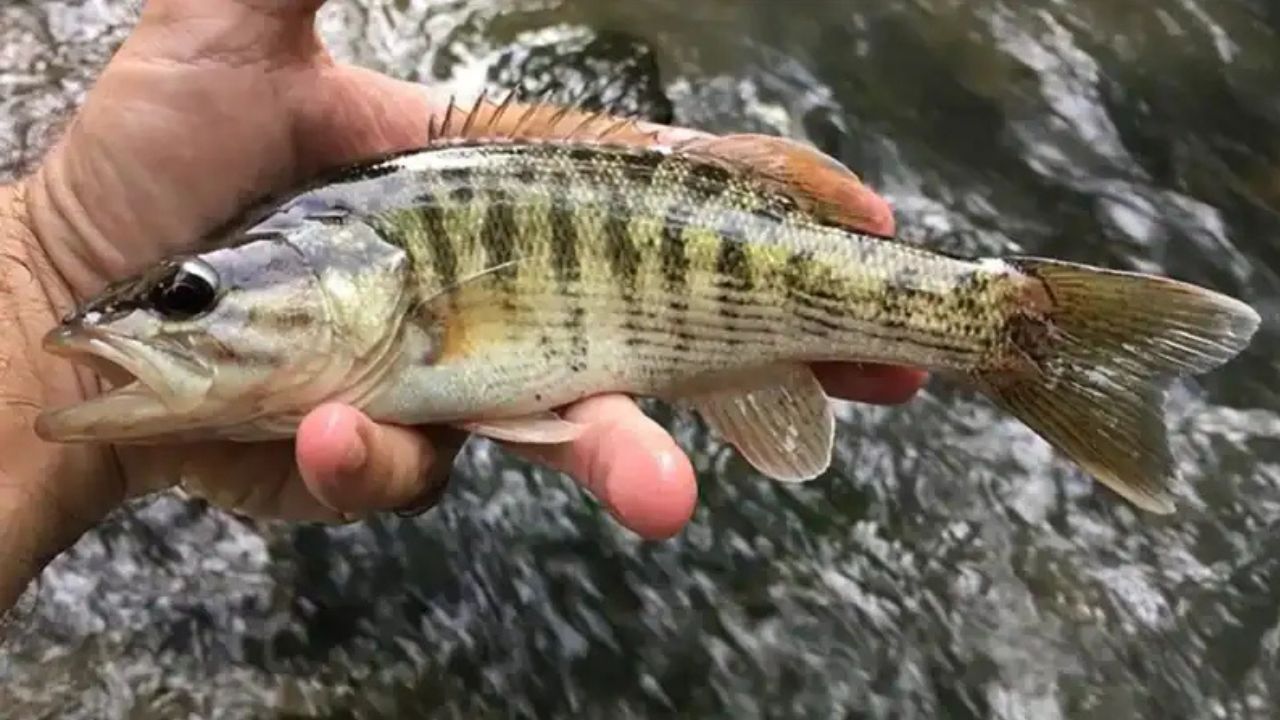
Besides the visual impact, scientists highlight the ecological role of the new species. The golden striped bass is an intermediate predator, feeding on aquatic insects, crustaceans, and smaller fish, helping to maintain the population balance in the ecosystem. This position in the food chain makes it essential for natural biological control, as well as being a bioindicator of water quality.
A Reminder That the Earth Still Holds Surprises
For the scientists involved, the discovery serves as a reminder that the planet still hides immense unknown diversity — even in environments where human presence is intense. “If we were able to find a new species of fish in a widely studied and explored river, imagine what else might exist in the less accessible regions of the world,” remarked researcher Wes Porak from the Florida Fish and Wildlife Research Institute.
The new species is now undergoing a process of inclusion in regional conservation lists, and its discovery is being used as an example in environmental education programs in the states of Georgia and South Carolina. For biologists, this is just the beginning of a new phase of genetic and ecological studies on the Savannah River, an ecosystem that, even in the 21st century, still surprises science with its golden waters and ancient secrets.









Seja o primeiro a reagir!