





 Portuguese
  English
  Spanish
  4 min of reading
  0 comments



Brazil and China Formalize Studies to Create a Railway That Will Cross the South American Continent, Connecting the Atlantic to the Pacific and Interconnecting the Main National Logistical Modalities to the Peruvian Port of Chancay.
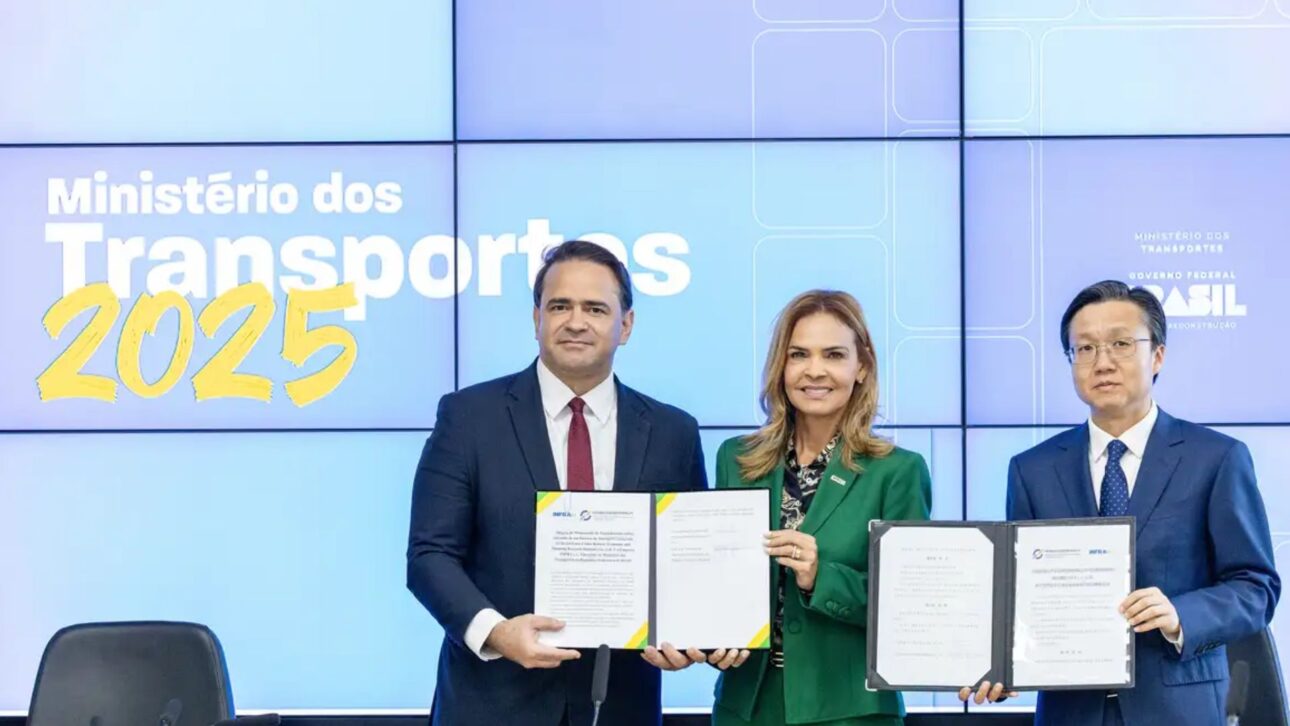
Brazil and China signed, on Monday (07), a memorandum of understanding that marks the beginning of joint studies to enable a historic railway corridor, connecting the Atlantic and Pacific oceans.
According to Agência Brasil, the agreement was signed at the Ministry of Transportation in Brasília, involving the Brazilian state-owned company Infra S.A. and the China Railway Economic and Planning Research Institute, responsible for planning and research on railway projects in the Asian country.
The project plans to create a railway route that will integrate the main lines of the Brazilian interior — the West-East Integration Railway (Fiol), the Central-West Integration Railway (Fico), and the North-South Railway — until reaching the recently inaugurated Port of Chancay, on the Peruvian coast of the Pacific Ocean, just 70 kilometers from Lima.
-
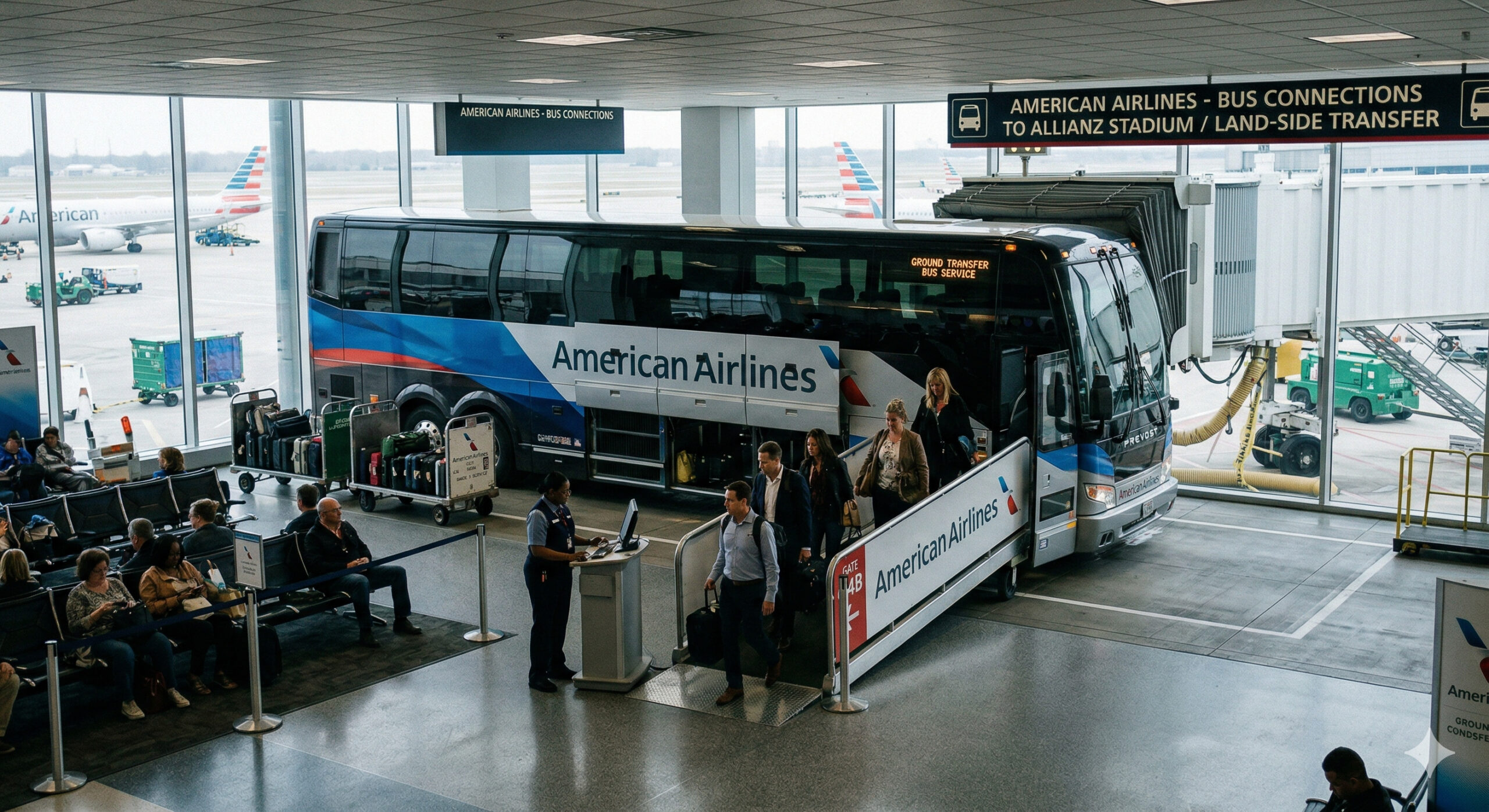
American Airlines starts selling trips as if they were flights, with check-in and baggage check at the airport, but on short routes, passengers board luxury buses connecting cities to major hubs in the U.S.
-
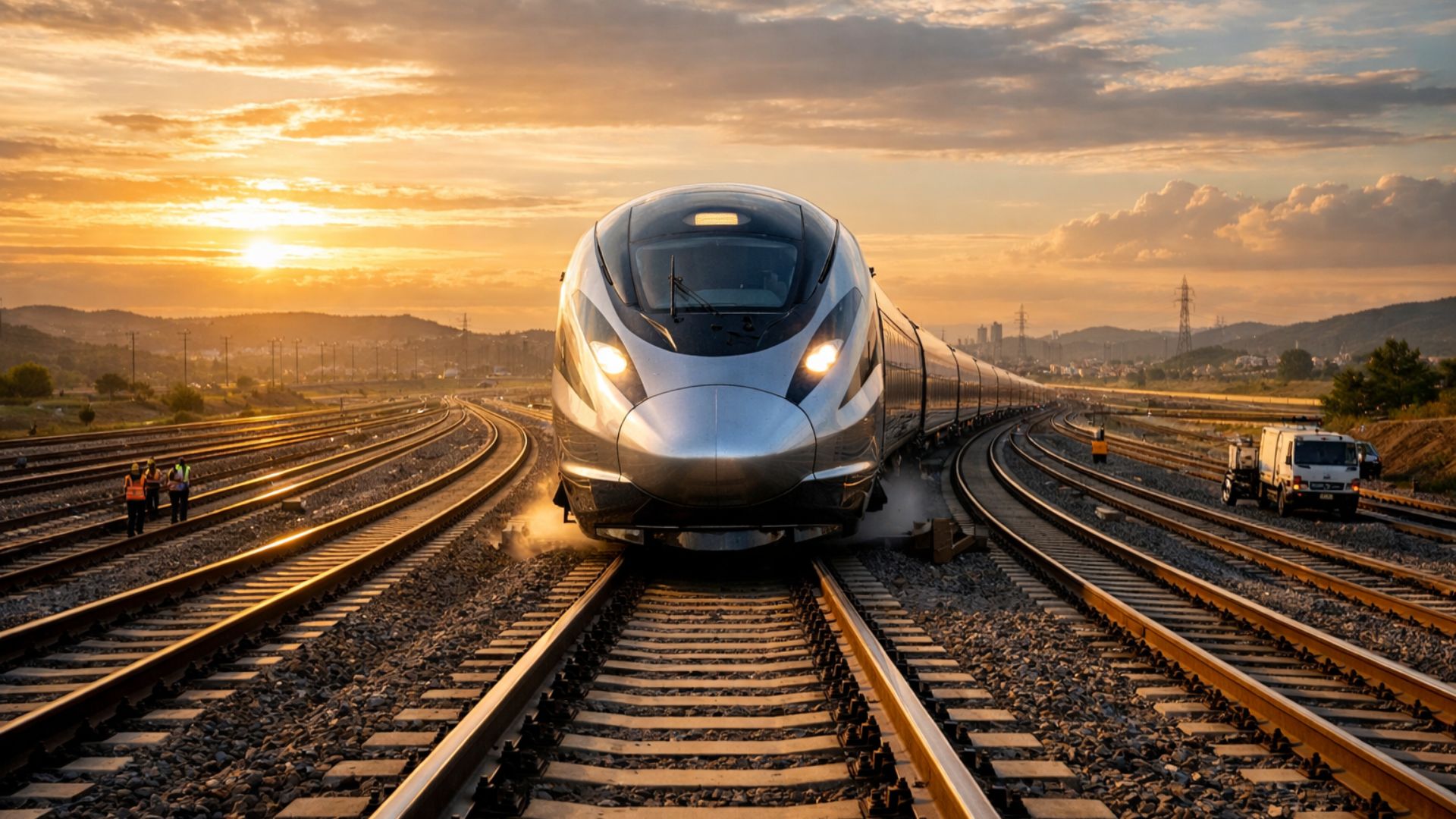
São Paulo surprises the world with a colossal railway network project that promises over 1,000 km of tracks, R$ 194 billion in investments, and 40 projects connecting the capital to the interior with fast and sustainable trains.
-
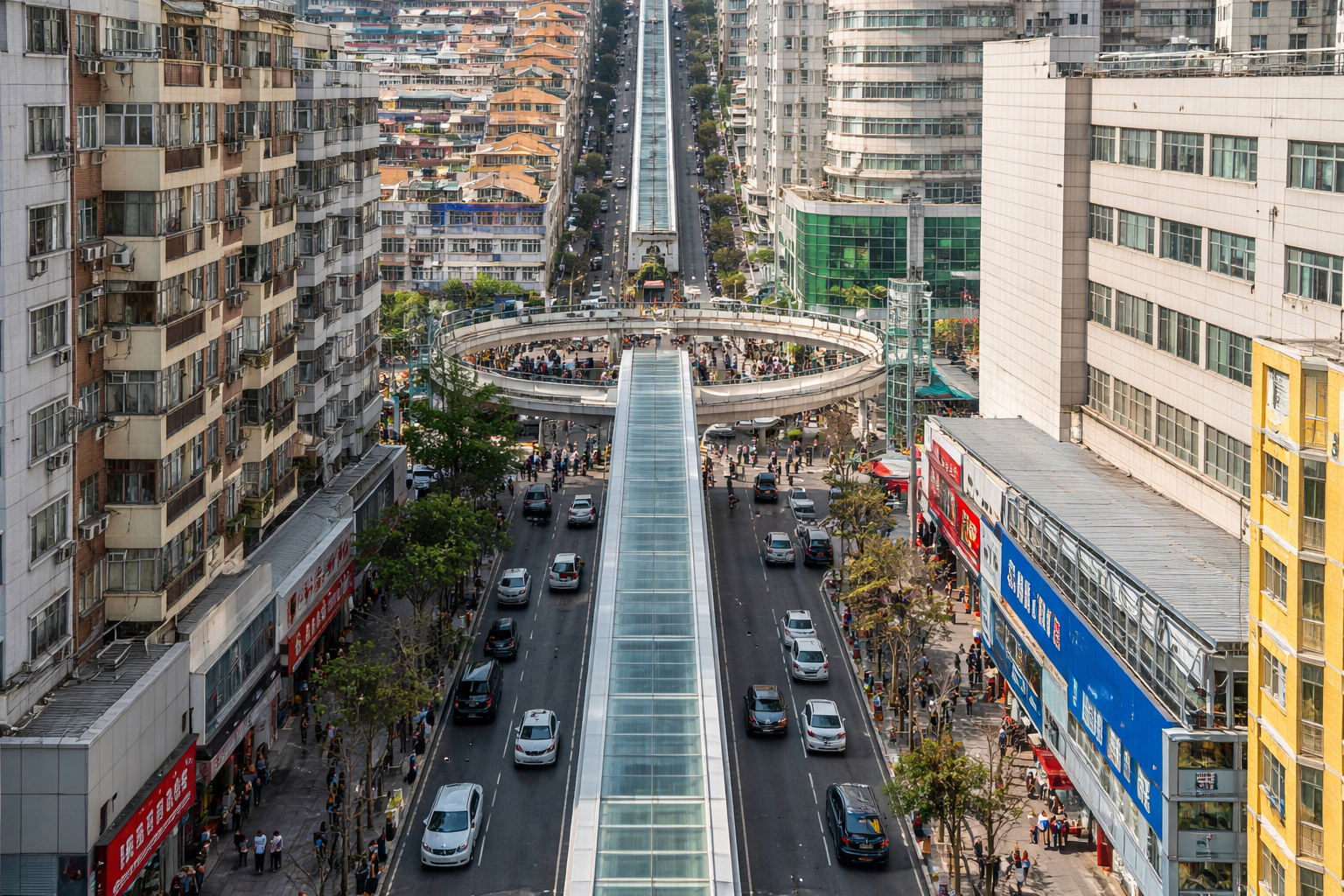
The world’s largest escalator, measuring 905 meters in China, reduces urban travel time from 1 hour to about 20 minutes and transforms mobility in mountainous regions with an engineering solution adapted to the terrain.
-
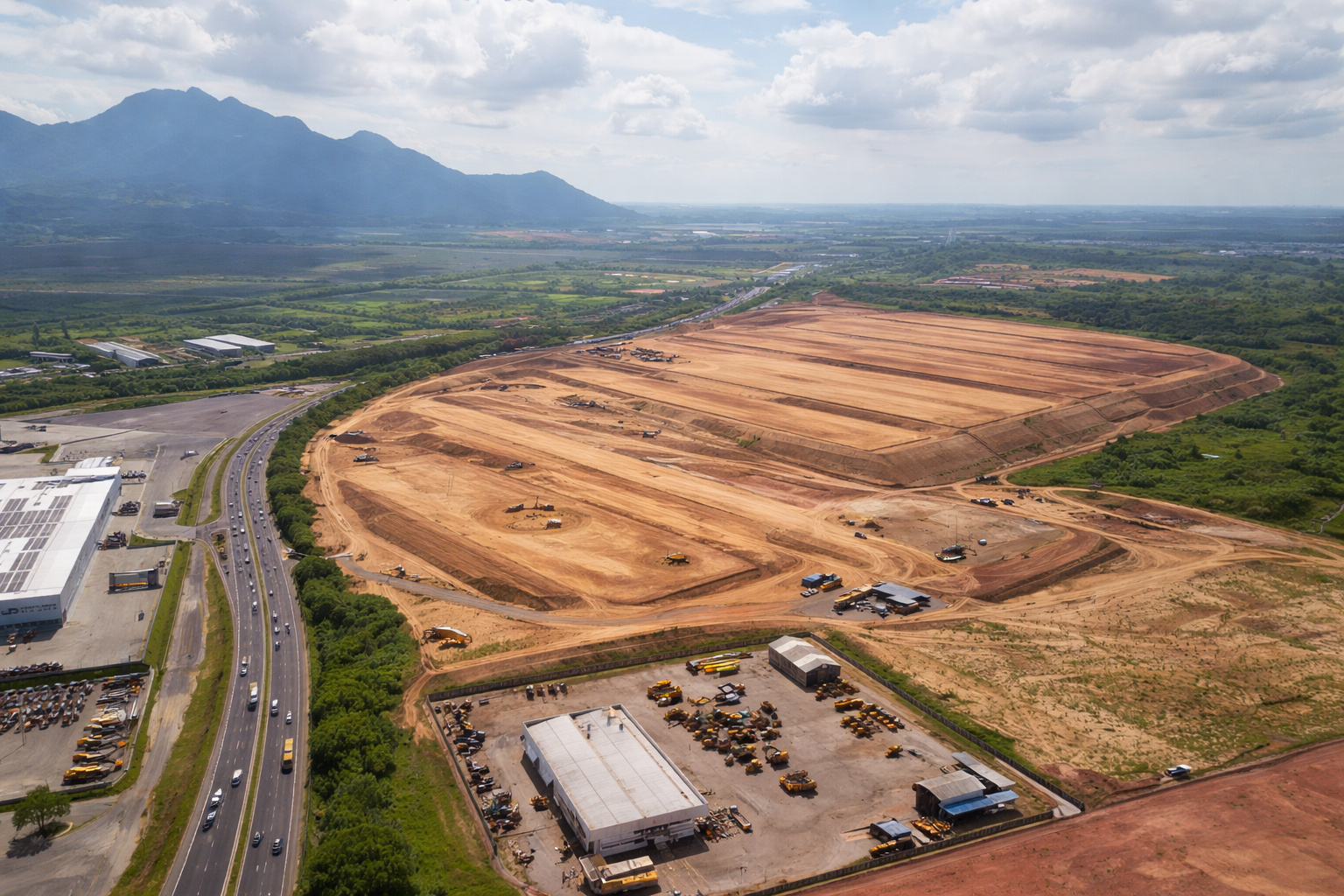
A R$ 300 million logistics giant is taking shape in Serra with over 100,000 m² and raises a question: how can this transform e-commerce and distribution in the state?

Historic Railway Corridor with National Integration
The starting point of the corridor is in Ilhéus, on the coast of Bahia, where the Fiol begins.
This line continues to Mara Rosa, in Goiás, where it connects with the Fico, which advances towards Lucas do Rio Verde, in Mato Grosso.
This city will be the strategic junction with the North-South Railway, which links Açailândia, in Maranhão, to the city of Estrela d’Oeste, in São Paulo.
From Lucas do Rio Verde, the Bioceanic Railway will begin, which will traverse the entire territory of Rondônia and Acre until it reaches the border with Peru.
The final leg of the journey will cross Peruvian territory, culminating at the Port of Chancay, considered one of the most modern logistics undertakings in South America, built with strong Chinese participation and inaugurated in April 2025.
South American Integration Routes and Brazil’s Role
The railway layout is part of the South American Integration Routes, coordinated by the Ministry of Planning and Budget since 2023.
The goal is to prioritize works of the Growth Acceleration Program (PAC) that establish efficient connections between highways, railways, waterways, ports, and airports in border regions with neighboring countries.
The Bioceanic Railway will be the central axis of this strategy, facilitating the flow of Brazilian commodities directly to the Asian market, with significant reductions in logistical timelines.
The initial expectation is that the average transportation time to Asian countries will decrease by up to 12 days, compared to current maritime routes that pass through the Panama Canal or circumnavigate Africa.
Technical, Environmental, and Economic Feasibility Studies
The memorandum signed between Brazil and China establishes the preparation of comprehensive studies on the Brazilian railway network, focusing on multimodal integration and the analysis of existing structures.
These studies will also assess the environmental impacts of the project, as the route will cross areas of the Amazon rainforest and sensitive regions of the Cerrado, in addition to Indigenous communities and conservation units.
The agreement has an initial validity of five years, with the possibility of extension.
This technical phase will be crucial to define the final route, estimate costs, identify funding sources, and meet the legal and environmental requirements in Brazil and Peru.
Brazil-China Cooperation and International Diplomacy
The initiative is part of one of the four axes established between Presidents Luiz Inácio Lula da Silva and Xi Jinping during the bilateral meeting held in November 2024.
In addition to the Integration Routes project, the pact includes the New PAC, the New Brazil Industry, and the Ecological Transformation Plan.
Also, in April of this year, representatives of the China Railway Economic and Planning Research Institute visited Brazil for meetings with the Chief of Staff and the Ministries of Transportation and Planning.
In May, during Lula’s official visit to Beijing, the proposal for the bioceanic railway was highlighted again in presidential statements.
The signing of the memorandum occurs alongside the Leaders’ Meeting of BRICS, which this year took place in Rio de Janeiro, from July 6 to 7.
In the final document of the meeting, member countries reaffirmed their commitment to strengthening transport networks in developing countries, highlighting the importance of sustainable and resilient infrastructure as a driver of economic growth.
Recent Advancements and Next Steps of the Bioceanic Railway
In recent months, the project has progressed on several diplomatic and technical fronts.
In April 2025, a delegation from the China Railway Economic and Planning Research Institute visited Brazil, touring construction sections of the railways and dialoguing with representatives of the federal government.
In May, during President Luiz Inácio Lula da Silva’s official visit to Beijing, the topic was discussed again in high-level bilateral meetings.
The signing of the memorandum on this Monday (7) represents the starting point for the phase of technical, environmental, and economic studies, considered essential to assess the feasibility of the Bioceanic Railway.
This analysis will include the exact route of the corridor, the environmental impact along the route, and cost estimates.
The next steps involve defining the detailed schedule of the studies, which will be conducted by Brazilian and Chinese technicians.
Additionally, there will be discussions with potential investors and commercial partners to finance future stages of the project.
So far, there is no official forecast for the start of construction, nor confirmed investment amounts.









Seja o primeiro a reagir!