





 Portuguese
  English
  Spanish
  2 min of reading
  0 comments


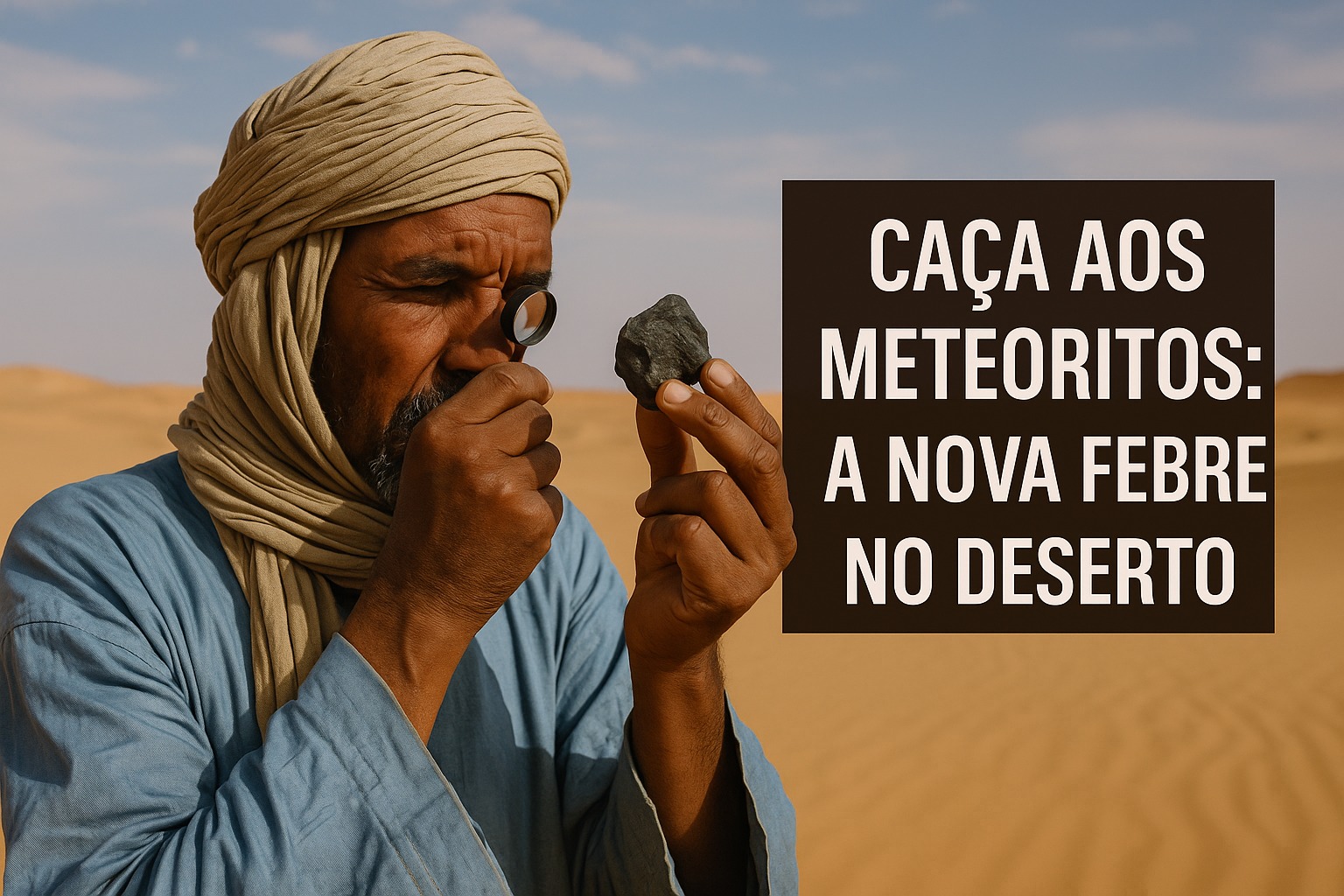
In The Sahara Desert, Independent Hunters Cover Kilometers In Search Of Rare Meteorites Sold For High Values And Negotiated Directly On Digital Platforms
In the vast Sahara Desert, a new type of hunt is spreading among the nomads of Mauritania. While driving their herds under the intense sun, many keep their eyes glued to the ground in search of fragments from space. The hope is simple: to find a rare rock, perhaps from the Moon or Mars, and turn it into profit.
Hunters And Techniques In The Desert
In Nouakchott, the hunter Hame Ould Sidi Othmen proudly shows his collection of meteorites. He says he travels all over the country searching for these space stones and has learned to recognize them by the dark crust formed during entry into the atmosphere.
According to him, identification can be done just by looking or with the help of a small magnifying glass.
-
Step into Pelé’s incredible mansion in New York: with 3,384 square feet, where celebrities like Madonna and Steven Spielberg have lived, the property was owned by the King for 40 years and was sold for millions more.

-
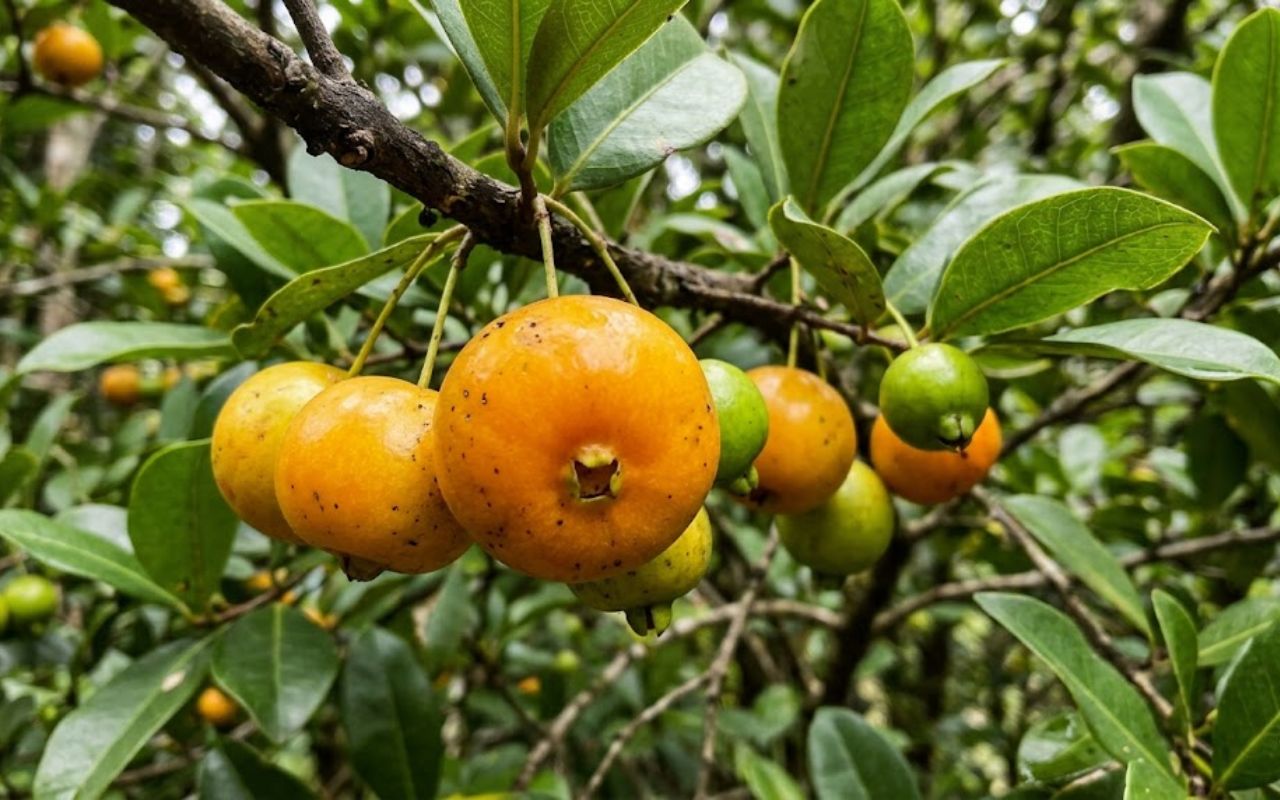
A little-known yellow fruit in Brazil has up to 4 times more vitamin C than orange, is beneficial for health, contains antioxidants, and also helps to recover degraded areas; meet the Uvaia (Eugenia pyriformis).
-
Sea Giants: The new floating wind turbine technology installed in deep waters that provides renewable energy directly to oil platforms.

-
After a devastating fire that left 3 injured and 200 intoxicated by smoke in the Red Sea, the most expensive warship ever built — $13.3 billion — returns to the front in Iran after quick repairs in Croatia.

This practice, which combines patience and luck, has been attracting more and more followers because the gains can be high.
However, the risks and uncertainties are still significant, as the market lacks clear rules and control mechanisms.
Commerce That Expands On Social Media
The search for meteorites surged about a decade ago after the discovery of the famous Tissint meteorite found in Morocco.
Since then, the craze has spread across the Sahara, and prices vary widely. While some fragments can be worth up to a thousand dollars per gram, others barely reach ten dollars, leading many hunters to prefer to keep their pieces.
Moreover, negotiations have shifted to the digital realm. Platforms like WhatsApp and TikTok have become spaces for showcasing and selling.
In Bir Moghrein, in the north of the country, intermediaries assess the stones before reselling them to foreign buyers.
Lack Of Laws And Scientific Recognition
Despite the growth of the trade, Mauritania still lacks analysis centers and specific legislation for the sector.
Planetologist Ely Cheikh Mouhamed Navee laments that the country does not recognize meteorites as part of its scientific heritage.
He explains that many nomads depend only on their own experience or send samples to foreign laboratories.
For him, it is urgent to create a monitoring system with cameras to record meteorite falls in the desert and a national museum to protect and value these precious stones from space.
With information from UOL.





Seja o primeiro a reagir!