





 Portuguese
  English
  Spanish
  4 min of reading
  0 comments


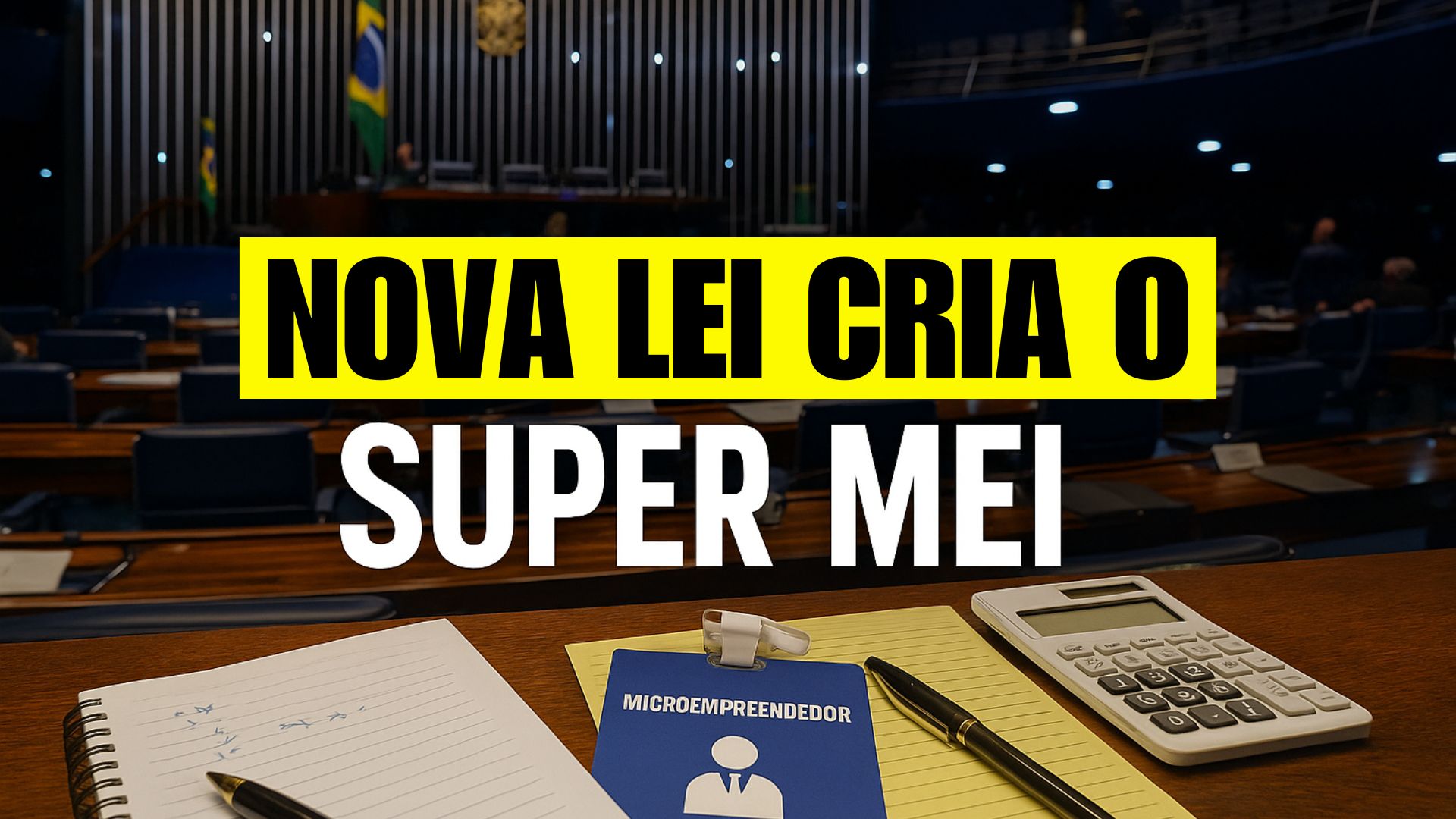
Proposal Under Discussion in the Senate Creates New Tier for Microentrepreneurs Who Exceeded the Current MEI Limit, Allowing Hiring of Two Employees and Automatic Update of Revenue Ceiling.
The proposal that establishes the “Super MEI” has advanced in the Senate and aims to raise the limit for the Microentrepreneur Individual from R$ 81 thousand to R$ 140 thousand annually, creating an intermediate tier for those who have grown but still do not qualify as a microenterprise.
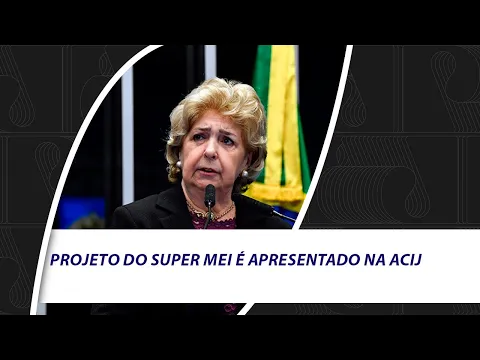
The text is formalized in the Complementary Bill (PLP) 60/2025, authored by Senator Ivete da Silveira (MDB-SC), and also provides for annual adjustment by the IPCA and hiring of up to two employees.
The matter is under analysis in the Social Affairs Commission (CAS).
-
Mining company Vale and Chinese Shandong Shipping finalize the construction of the world’s first ocean-going ship powered by ethanol, a giant measuring 340 meters in length and with a capacity of 325 thousand tons.

-
Airfare prices can rise by up to 30% — what are the government and Petrobras doing to prevent an even larger increase?

-
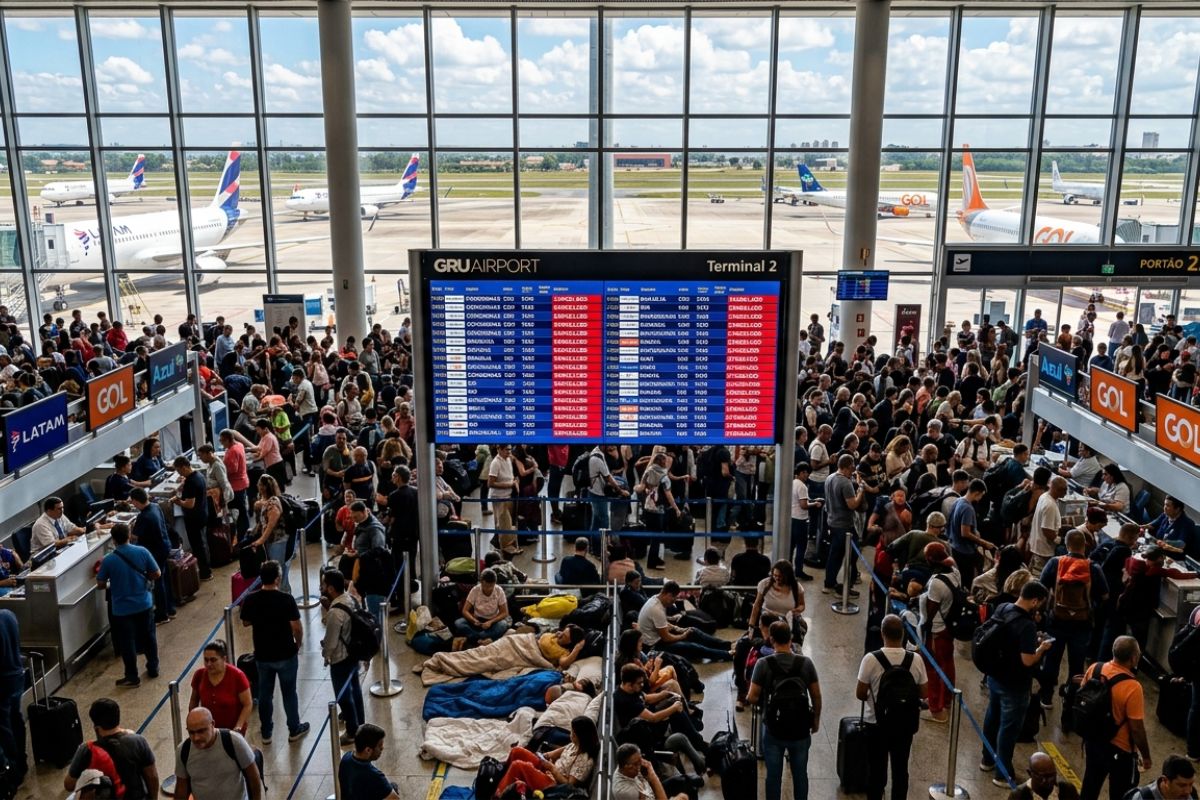
Smoke in air traffic control halts Guarulhos and Congonhas, cancels flights, and spreads delays across Brazil; with a tight schedule, the cascading effect leaves people sleeping in the airport and exposes their rights.
-
Inflation in March reaches 0.88% according to IBGE and pressures the Brazilian economy, impacting family budgets and requiring more strategic decisions to maintain financial control.


What Changes for the MEI
In practice, the PLP creates a “ramp” of formalization. Those with revenue up to R$ 81 thousand/year will remain exactly as they are, under the rules of the traditional MEI.
From this amount up to R$ 140 thousand/year, the entrepreneur would join the new tier, keeping simplified obligations, but with requirements proportional to the higher revenue.
According to the author’s justification and the proposal’s summary, the classification would be corrected automatically by inflation (IPCA) to avoid the devaluation of the limits.
Hiring and Social Security Contribution
Another central point is the possibility to hire up to two employees, currently limited to one, expanding the capacity for business organization and the generation of formal jobs.
The version presented and related promotional materials mention an 8% monthly contribution on the minimum wage for the new tier—an intermediate value between the percentage of the MEI and the level practiced by brackets of Simples.
The text also addresses annual correction of the ceiling by the IPCA.
Processing and Reporting in the Senate
The Senator Veneziano Vital do Rêgo (MDB-PB) has been appointed reporter in the CAS and has already presented a report for approval, with editorial adjustments.
The next step depends on the agenda to be defined by the commission’s president, Senator Marcelo Castro (MDB-PI), elected to lead the committee for the 2025-2026 term.
After the vote in the CAS, the text still must go through other committees and the Senate Plenary before proceeding to the House.
Statement from the Project Author
In recent statements, Ivete da Silveira expressed confidence in the advancement of the proposal in the CAS, after the report’s conclusion by the reporter.
“I am very optimistic, since the reporter was Senator Veneziano and has already completed the report, it is now in the Social Affairs Commission, now we just need Senator Marcelo Castro, who is the president of the Social Affairs Commission, to set the date and I believe that by the end of the month it should be completed and we will already have the result for the approval of the Super MEI,” said the senator, who believes in a swift approval of the text.

Institutional Support and Political Articulation
The senator presented the Super MEI to authorities in the government and the productive sector.
There was a meeting with Vice President Geraldo Alckmin, who received the initiative positively, according to regional press reports.
The project was also presented to the President of Sebrae Nacional, Décio Lima, in a meeting where the update of the limit and hiring of up to two workers was discussed.
In channels linked to the author, there are mentions of presentations to Minister Márcio França (Entrepreneurship) and the Secretary of the Federal Revenue, Robison Barreirinhas.
Why the Intermediate Tier Is Important for Those Who Have Grown
Entrepreneurs who exceed the ceiling of R$ 81 thousand often face a sharp increase in obligations when migrating directly to Microenterprise (ME).
The new tier seeks to reduce the discontinuity between regimes, offering a gradual transition in social security load and bureaucracy, without removing rights from those who remain in MEI.
The declared intention is to encourage formalization of expanding businesses and reduce evasion due to fear of exceeding the current ceiling, according to the justification of PLP 60/2025.
Next Steps of the Proposal
With the report presented in the CAS, the project awaits inclusion in the agenda of the committee. If approved, it may be distributed to other thematic committees before going to the Plenary.
Possible amendments may be presented throughout the process. There is currently no official calendar disclosed for voting.
What the Entrepreneur Should Observe
While the text has not become law, the current rules of the MEI apply: annual ceiling of R$ 81 thousand and the possibility of one employee.
If PLP 60/2025 advances without substantial changes, the tier from R$ 81 thousand to R$ 140 thousand will have specific obligations, such as the aforementioned 8% contribution and two allowed hires, preserving the traditional MEI for those below the current ceiling.
Until the legislative process is completed, any change depends on approval in the Houses and presidential sanction.
How do you see the impact of an intermediate tier like the “Super MEI” on the planning of those who exceed the current MEI ceiling, especially regarding hiring and social security costs?






-

Uma pessoa reagiu a isso.