





 Portuguese
  English
  Spanish
  3 min of reading
  0 comments



President Signs Law That Strengthens Protection of the Pantanal, Promotes Sustainability, Environmental Recovery, and Encourages Tourism and Local Economic Activities.
The President Luiz Inácio Lula da Silva signed the Law No. 15,228/2025, which establishes new guidelines for the Pantanal, aiming for environmental protection, recovery of degraded areas, and sustainable economic development.
The publication in the Official Gazette of the Union last Wednesday (01/10) formalizes legislation that seeks to balance the conservation of one of the richest biomes on the planet with the productive activities of local communities, recognizing the strategic importance of the region for the country.
Environmental Conservation and Sustainability
The new law prioritizes the preservation of the Pantanal while promoting job and income opportunities for those living in the region.
-
With the arrival of Law 11.788, internships are now recognized as professional experience.

-
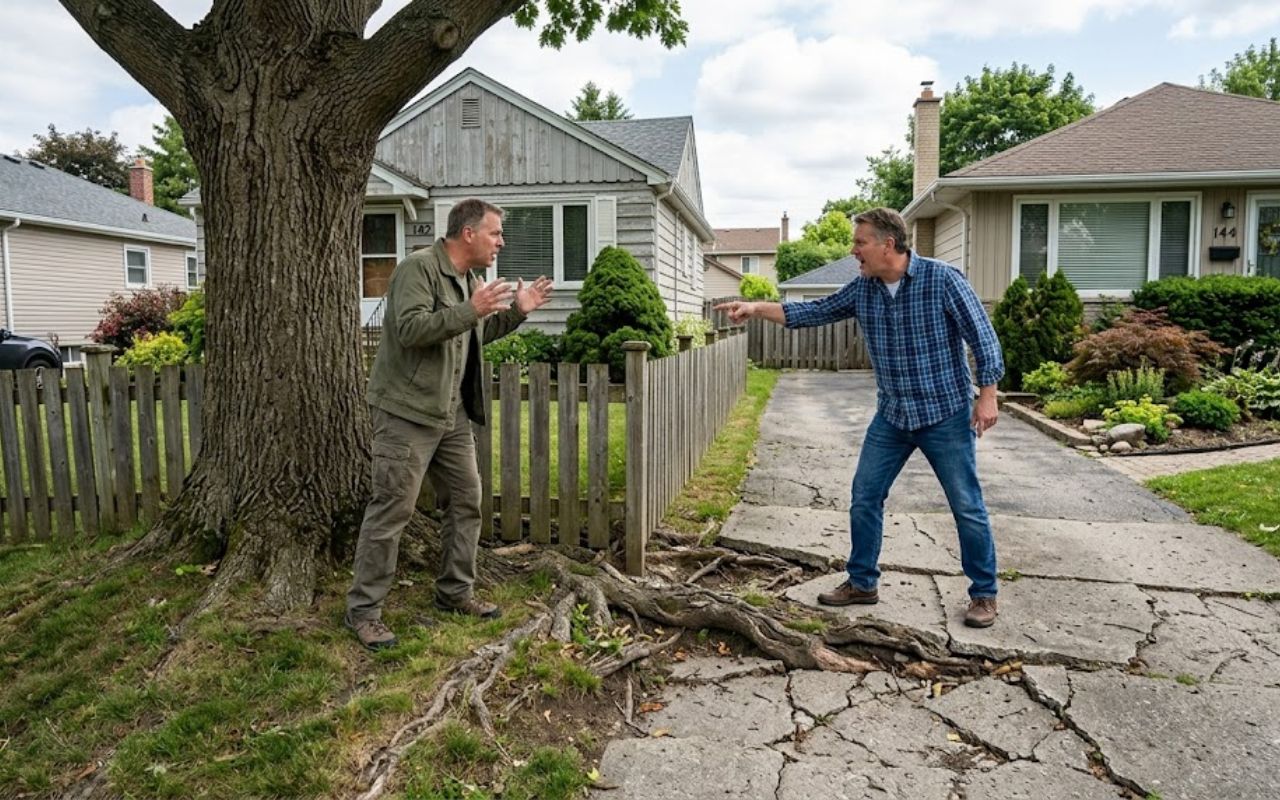
The Brazilian Civil Code states that a property owner has the right to cut the roots of a neighbor’s tree that invade their land, as long as it does not harm the tree itself. The owner must notify the neighbor before taking such action.
-
Engineer is sentenced to repay R$ 148 thousand after holding public positions in three municipalities in Rondônia with incompatible schedules, and the decision is upheld by the Court of Justice.

-
Chamber approves project that creates mandatory Life Insurance for police officers, firefighters, guards, and traffic agents.

Among the defined principles are social participation, access to information, transparency, respect for regional diversities, and the environmental function of property.
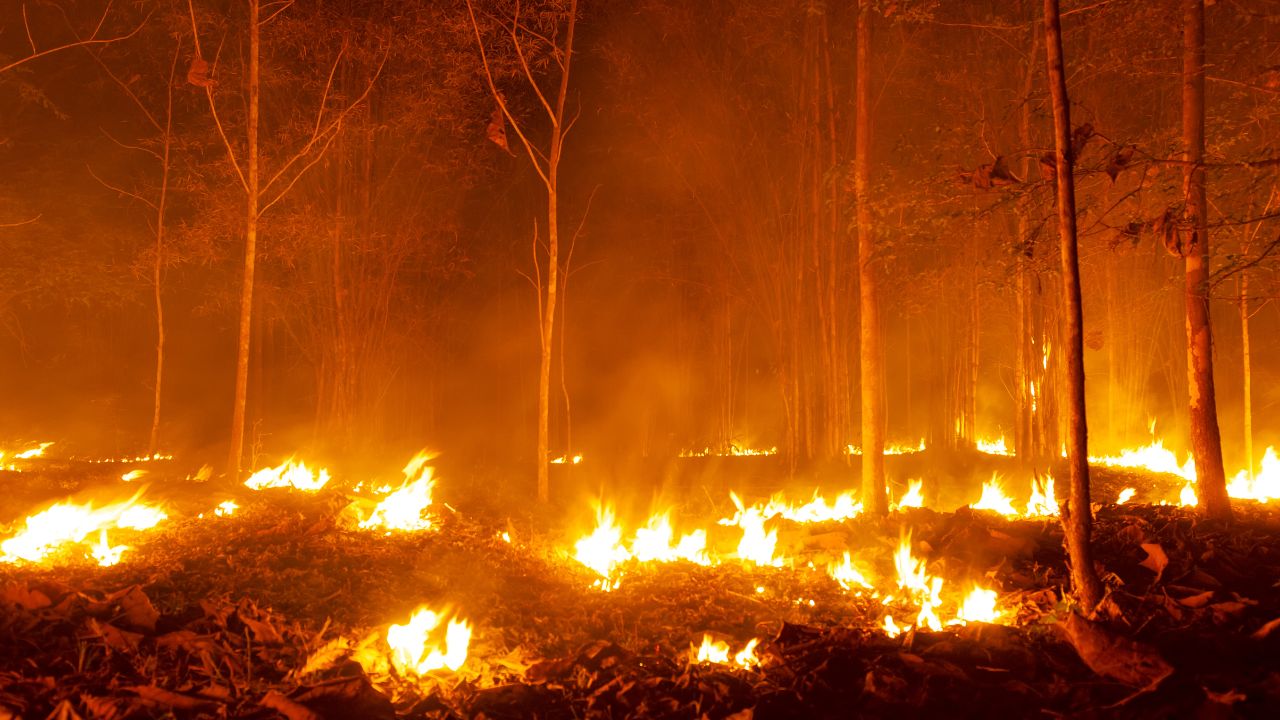
The text also values sustainable agriculture and encourages the use of technologies that replace the use of fire, seeking to reduce environmental impacts and ensure safer and more ecological productive practices.
Combating Deforestation and Forest Fires
The legislation includes strict measures to prevent illegal deforestation and combat fires, as well as actions for the recovery of degraded areas.
The law also promotes the diversification of the regional economy, encouraging bioeconomy, sustainable tourism, and scientific research, contributing to ensure that the exploration of natural resources is done consciously and responsibly.
With this, the government strengthens territorial management and ensures that economic growth does not harm local biodiversity.
Mandatory Environmental Registration
The cutting or suppression of native vegetation in the Pantanal, in public or private areas, now depends on registration in the Rural Environmental Registry (CAR) and prior authorization from the environmental agency of the National Environment System (Sisnama).
This practice is prohibited if the owner or possessor violates environmental legislation, especially the rules of the Forest Code for Permanent Preservation Areas and Legal Reserves, ensuring rigorous enforcement and environmental responsibility.
Incentives and Sustainable Pantanal Seal
The law creates programs for payment for environmental services and tax incentives for projects that promote environmental recovery and sustainable use of the territory.
Furthermore, it establishes the Sustainable Pantanal Seal, valid for five years with the possibility of renewal, aimed at recognizing individuals and legal entities that adopt good practices, value local products, and promote activities such as tourism, culture, and sustainable agricultural production.
The Law No. 15,228/2025 represents a significant advance in the country’s environmental policy, as it integrates protection of the Pantanal and economic development.
According to the president, the legislation reinforces the national commitment to the preservation of the biome and emphasizes that public policies that reconcile sustainability, income generation, and social inclusion are essential to ensure the future of the region and its inhabitants.
Source: Government Agency









Seja o primeiro a reagir!