





 English
  Francês
  Alemão
  Italiano
  Japonês
  Norueguês
  Portuguese
  Spanish
  3 min of reading
  0 comments



Bill 2417/24, Which Prohibits the Use of Mercury in Mining Processes Throughout the Country
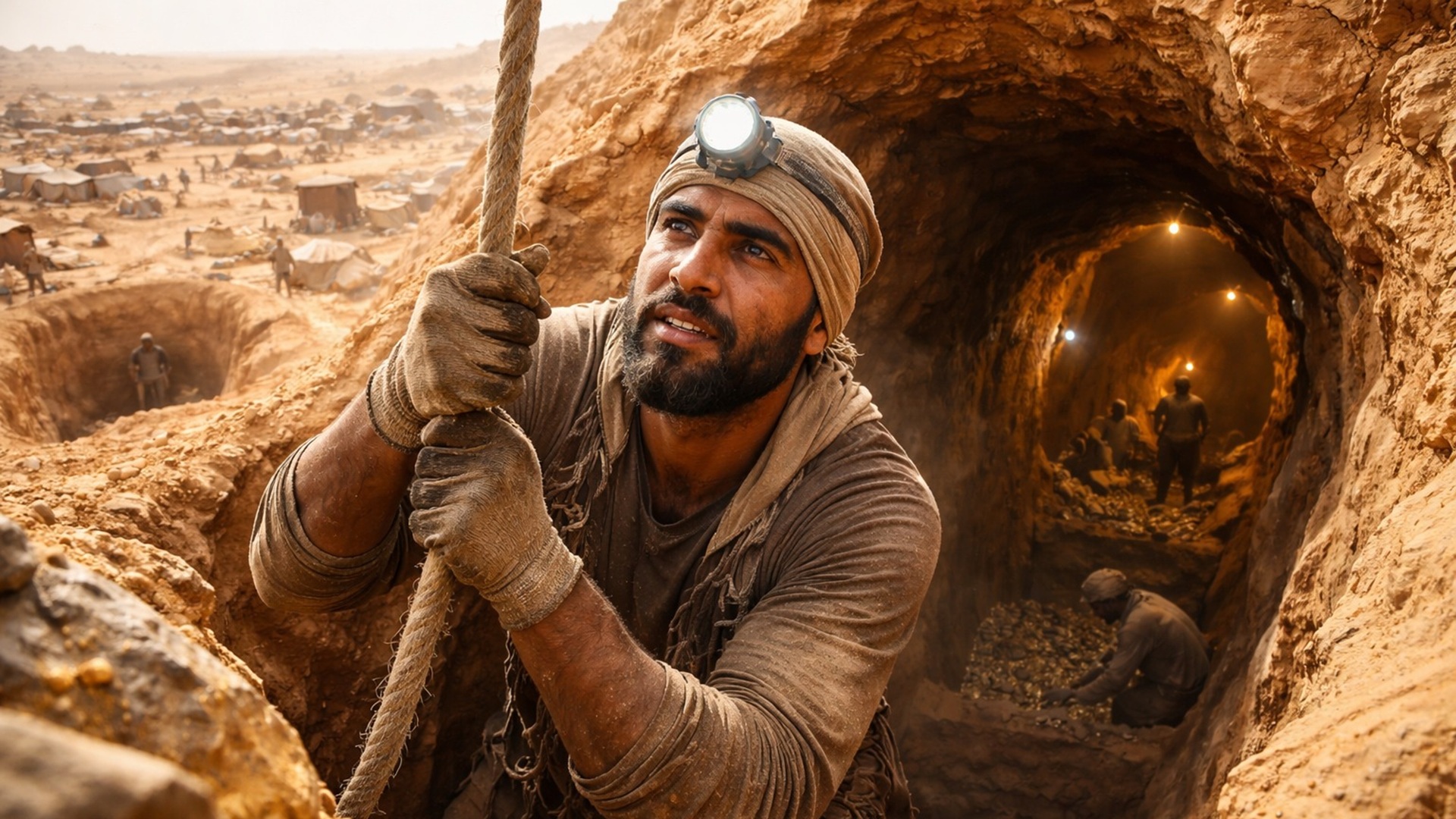
A new law is about to change the mining landscape in Brazil. Bill 2417/24, which prohibits the use of mercury in mining, has started being analyzed by the Chamber of Deputies and, if approved, will give the sector a two-year period to adapt. The goal is to eliminate the use of this heavy and toxic metal, which is considered extremely dangerous to both human health and the environment.
A Serious Public Health Issue That the New Law Aims to Address
Mercury is a metal that can cause severe damage to the human body. When inhaled or ingested, it directly attacks the central nervous system, potentially causing seizures, psychotic episodes, and even death. The human body takes about 65 days to completely eliminate it. According to the WHO (World Health Organization), mercury is among the 10 most dangerous substances in the world. This explains the rationale behind the new law.
Deputy Nilto Tatto (PT-SP), the bill’s author, according to Poder 360, emphasized the urgency of the measure: “Even though Brazil does not produce mercury, it is one of the largest users, especially in mining, and the impact is devastating.” Tatto also mentioned that there are already alternative technologies that allow for the extraction of minerals without using mercury. “In Brazil, garimpos that use gravity methods to separate gold without needing this toxic metal are already a reality,” he highlighted.
-
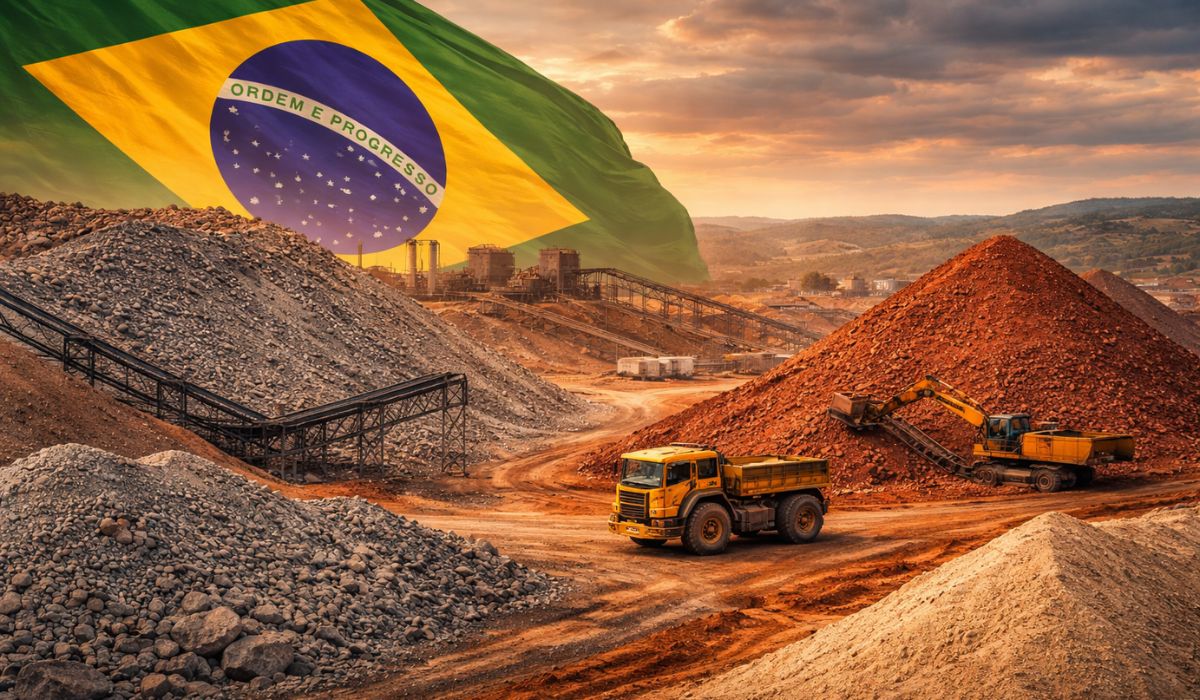
Brazil extracts 26.3 million tons of ore from what was previously treated as waste, transforming residues into wealth, producing over 3 million tons of sand, and demonstrating how national mining is relearning to generate value.
-
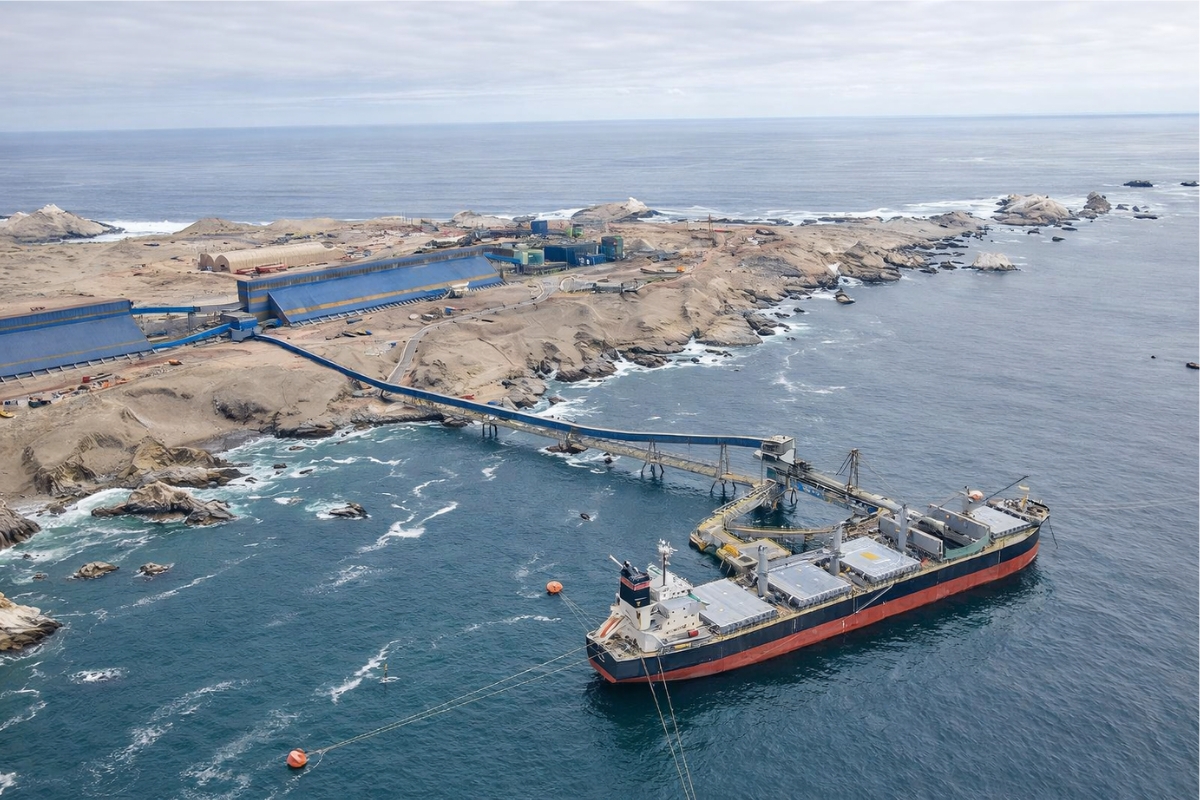
A $3.5 billion megaproject in Latin America pumps desalinated seawater at 1,050 liters per second over 194 km to keep a copper supermine in the Andes operational for another 20 years.
-
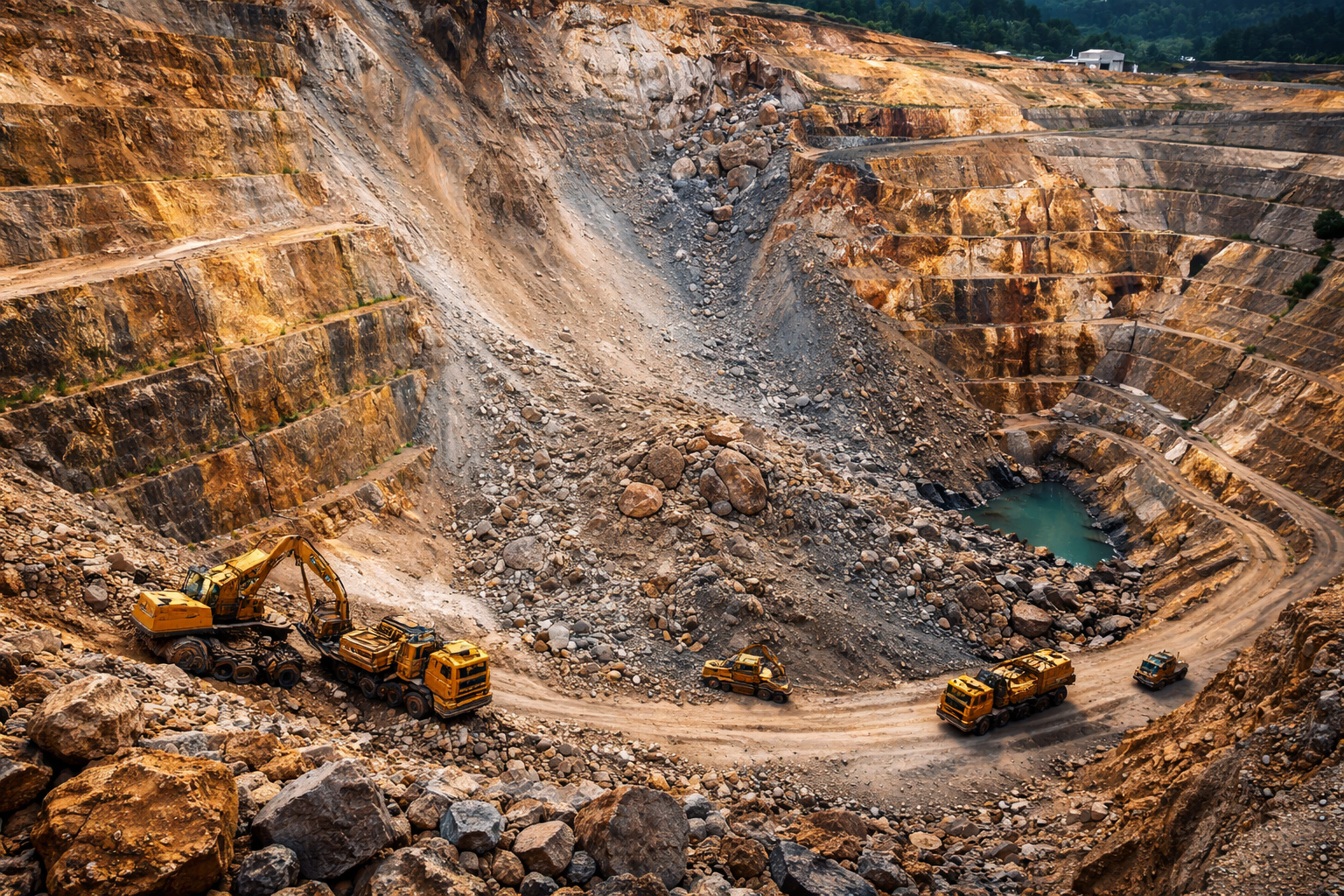
A hidden mine in the Andes valued at nearly R$ 1 trillion is starting to attract global attention, containing copper, gold, and silver, and raises an intriguing question: why do Argentina and Chile need to act together to exploit this gigantic wealth?
-
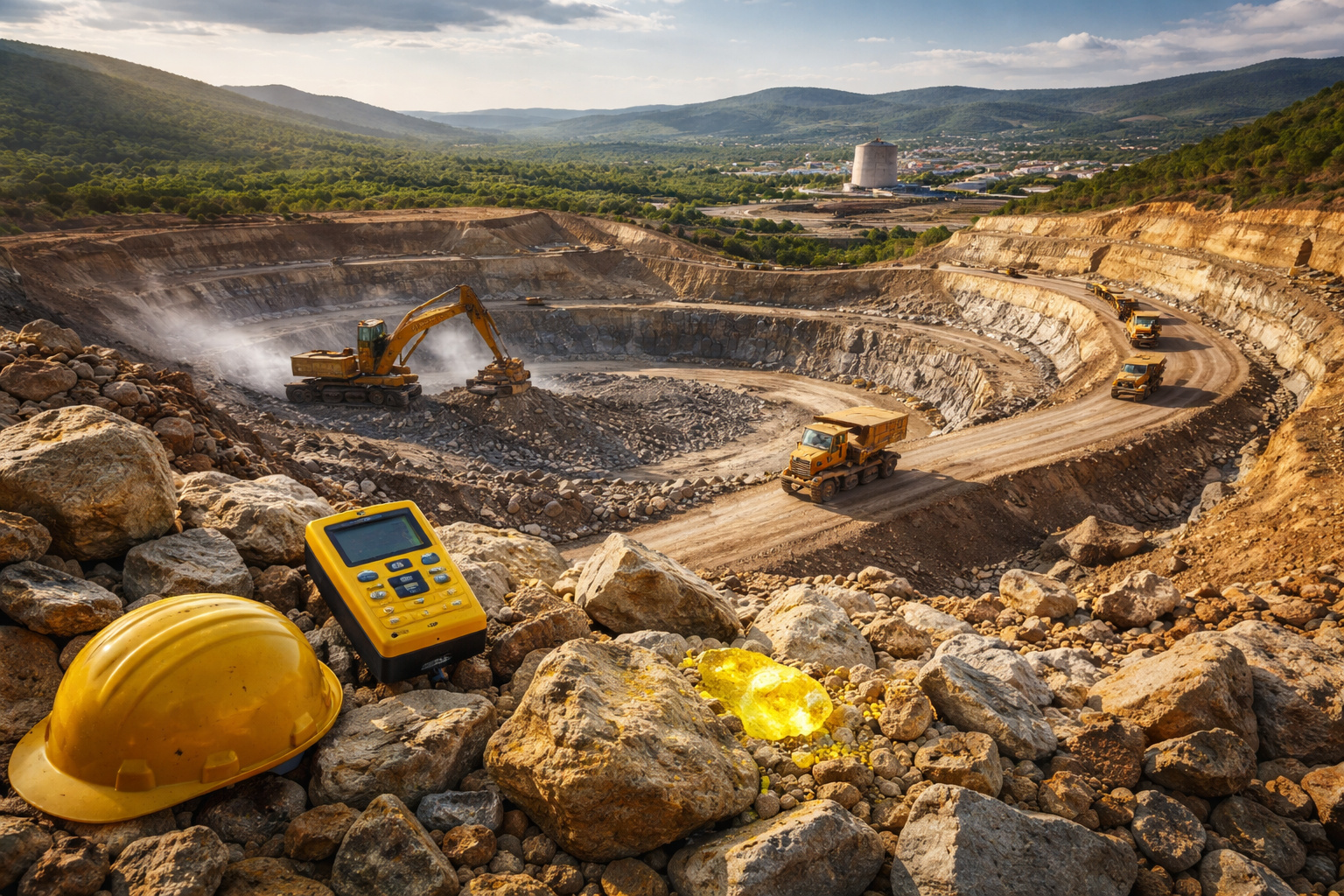
A silent discovery in the interior of Bahia could change the future of energy in Brazil: a uranium reserve in Lagoa Real has an estimated capacity to produce 400 tons per year and is already attracting the attention of energy sector specialists.

International Agreements Reinforce the Ban
Since 2013, Brazil has been a signatory to the Minamata Convention, an international agreement aimed at eliminating the use of mercury in mining and other industrial activities. This convention was signed by 128 countries and emerged after an environmental disaster in the city of Minamata, Japan, where a factory discharged mercury into local waters, causing mass poisoning.
This tragic history was one of the factors that spurred the global debate on mercury regulation. In Brazil, Bill 2417/24 advances as yet another response to ensure that the country meets its international commitments.
The Path to Approval of the New Law
Now, the proposal will be analyzed by the committees of the Chamber of Deputies, including those on Health, Mines and Energy, and Constitution and Justice. If approved, the new law will proceed to the Senate before coming into effect. The expectation is that, within a maximum of two years, the use of mercury in mining will be a thing of the past in Brazil.
The mercury ban will pose challenges for the sector, but experts already point out that replacing the substance with more sustainable methods is feasible. Beyond the economic impacts, this new law carries significant weight in terms of environmental protection and the health of the population, especially for communities living near mining areas who are most exposed to contamination.
What do you think about this new law that prohibits the use of mercury in mining in Brazil? Do you think that the two-year deadline for the sector to adapt is sufficient? Share your comments on the impact of this measure on public health and the environment!







Seja o primeiro a reagir!