





 Portuguese
  English
  Spanish
  4 min of reading
  16 comments





Approved by the Chamber of Deputies Commission, bill reduces working hours of social workers to 30 hours a week without reducing salaries. Moreover, it values the profession by instituting National Social Worker Day. The measure should impact about 200 million professionals across Brazil. Learn more about the change that could transform work in the country!
A historic change could transform the working routine in Brazil, bringing relief to millions of professionals facing long hours and daily challenges in their careers.
In a movement that is already provoking heated debates in the National Congress and among the population, the Commission on Social Security, Social Assistance, Childhood, Adolescence, and Family of the Chamber of Deputies took an important step to approve a proposal that promises to impact no less than 200 million Brazilians, according to the website FDR.
But what is really behind this measure? Does the approval bring benefits for a specific category or could it represent a starting point toward improving the quality of life for Brazilian workers?
-
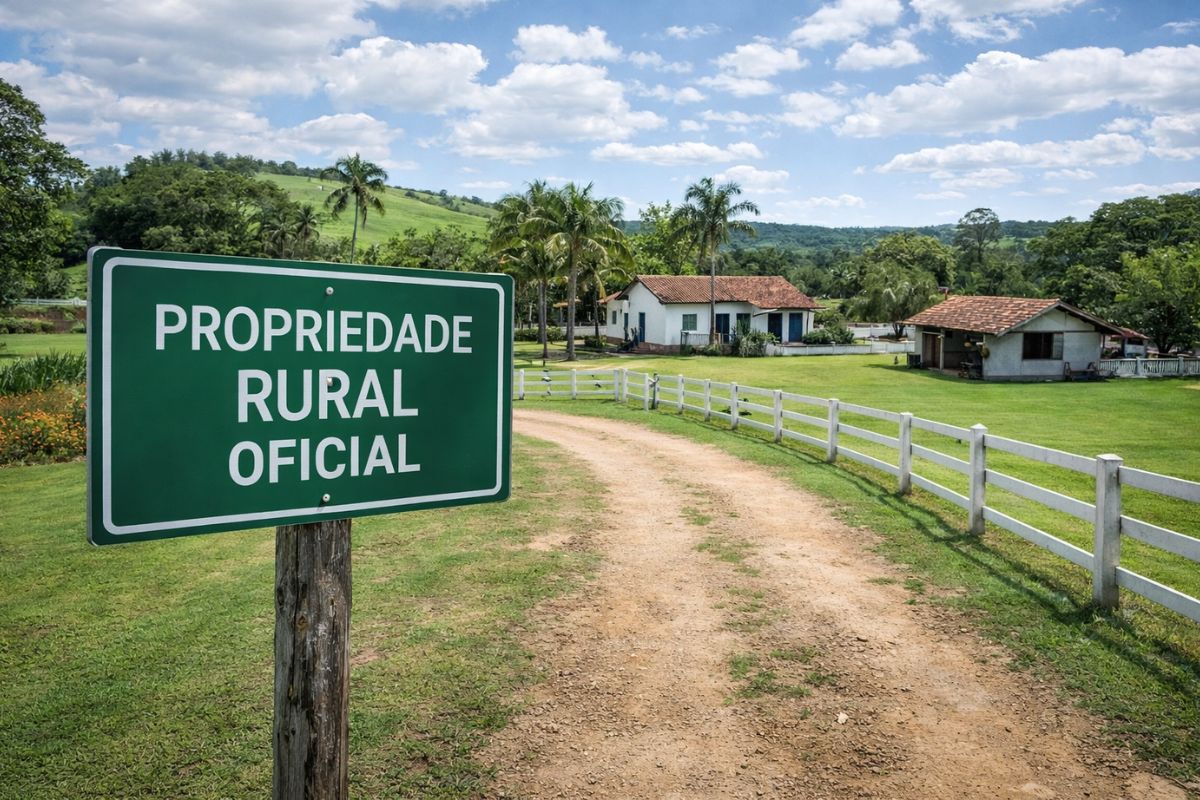
The chamber approves a project that transforms plots of up to 2,000 square meters into official rural properties, allowing thousands of small producers who were invisible to the government to now access credit, tax exemptions, and technical assistance.
-
Factory 52, in the USA, cost over $5 billion, covers 270,000 square meters, and manufactures cutting-edge chips: it was named Project of the Year by the world’s largest engineering magazine, marking the global race for semiconductors.

-
While BYD lays off 100,000 in China due to falling profits, the factory in Brazil remains strong: the unit in Camaçari, Bahia, could generate up to 20,000 jobs and become an export hub for all of Latin America.

-
The two largest powers of BRICS are putting rivalries aside: China and India are making historic advances in rapprochement and plan to use their consecutive presidencies of the bloc to deepen ties and reshape the global balance of power.

The Bill and the Recognition of Social Workers
As detailed by the website FDR, the measure is part of Bill 2635/20, originally presented by Congressman Gervásio Maia (PSB-PB) and later adjusted by the rapporteur Laura Carneiro (PSD-RJ).
The main change guaranteed by the proposal is the reduction of the weekly working hours to 30 hours, without any impact on salary.
The approved text directly benefits social workers in the country, recognizing the importance of this professional in addressing the needs of the most vulnerable communities.
Additionally, the project establishes May 15 as National Social Worker Day, reinforcing the value and relevance of the category to society.
According to Laura Carneiro, the rapporteur of the project, social workers play a vital role in implementing public policies, such as the Unified Social Assistance System (Suas).
She highlighted the importance of ensuring better working conditions for these professionals:
“The social worker is essential for the provision of public services and support to vulnerable populations. It is a necessary step to recognize the daily effort of this category,” she stated.
Who Are the Beneficiaries?
Although the direct impact falls on social workers, the website FDR notes that around 200 million Brazilians could feel the effects of this measure indirectly, particularly regarding the enhancement of efficiency and quality in the services provided by these professionals.
This large number considers the relevance of services provided by social workers across various sectors, including health, education, and social assistance.
By improving the working conditions of this category, it is expected that the benefits will be reflected in a society that is better assisted and has greater access to public policies.
Moreover, the project’s scope is not limited to one area of activity. It encompasses all social workers in Brazil, whether at the municipal, state, or federal level.
Other Changes and Highlights of the Project
The text approved by the commission also brought some changes in relation to the original project.
One of the points initially proposed was a 50% discount on the contribution to the professional council of the category, but this measure was excluded by rapporteur Laura Carneiro during the revisions.
Another important aspect is the deadline of 180 days for the changes to take effect, provided the project is approved at all stages of the legislative process.
So far, the proposal still needs to be analyzed in other committees before it moves on to the Senate and, eventually, to presidential sanction.
Why Is the 30-Hour Workweek Important?
The reduction of working hours to 30 a week is an old demand of the social workers’ category.
As highlighted by the website FDR, the measure aims not only to improve the quality of life of these professionals but also to ensure a more efficient and humanized service to the populations that depend on their services.
Without a salary reduction, the proposal aims to align the workload with the complexity and responsibility of the functions performed by social workers.
This balance can help reduce professional burnout rates, improve productivity, and increase worker satisfaction.
Furthermore, the initiative sparks discussions about the possibility of extending similar measures to other categories in the future, encouraging a more inclusive job market adapted to the demands of the 21st century.
Future Impacts and Possible Developments
The initial approval of the project marks only the beginning of a discussion that could extend to other areas of the labor market.
Experts view the reduction of working hours as an important advancement but emphasize the need to broaden the debate for categories that are equally burdened, such as teachers, health professionals, and security workers.
Is Brazil moving towards a broader reform of working conditions? Or will this measure be limited to social workers?
With a direct impact on 200 million Brazilians, according to the website FDR, this change could be a turning point in how the country views the relationship between work and quality of life.
Do you believe that the reduction of working hours should be expanded to other categories in Brazil? Who do you think needs this benefit the most? Comment below!






Área da construção civil serviço braçal pesado.
Gostei
Certamente essa redução vai ser um desastre! Se isso chegar à minha empresa, desisto e dispenso. Não vai dar pra colocar os custos nas vendas. Não preciso disso, trabalhar e não ver lucros!