





 Portuguese
  English
  Spanish
  7 min of reading
  31 comments





End of Silicon Photovoltaic Panels? 100% Brazilian Company Revolutionizes Solar Energy and Creates Revolutionary and Easy-to-Install Panel That Transforms Anything Into a Solar Panel!
Solar Energy: Brazil is gaining prominence in the solar energy market, driven by a company whose impressive achievements put it in comparison with WEG, known as “The MILLIONAIRES’ FACTORY.” But how can this new technology revolutionize the renewable energy sector in the country? And when will it be available in your home?
It wouldn’t be correct to say that solar energy generation is perfect, as there are significant challenges. Traditional solar panels (photovoltaic) are generally large and rigid, requiring installation on heavy structures. They are often placed in hard-to-reach locations, which are not always suitable or specifically designed for energy generation that is entirely based on solar panels.
End of Silicon Solar Panels? 100% Brazilian Company Creates NEW Revolutionary SOLAR PANEL


The Brazilian company Sunew, based in Belo Horizonte, is leading a revolution in the solar energy sector with its development of Organic Photovoltaic Films. This innovation promises to be revolutionary, but can it really transform the market? Additionally, how could this technology drastically reduce consumers’ electricity bills? Sunew, globally recognized for its leadership in this technology, seeks to answer these questions with its advanced organic solar panels.
-
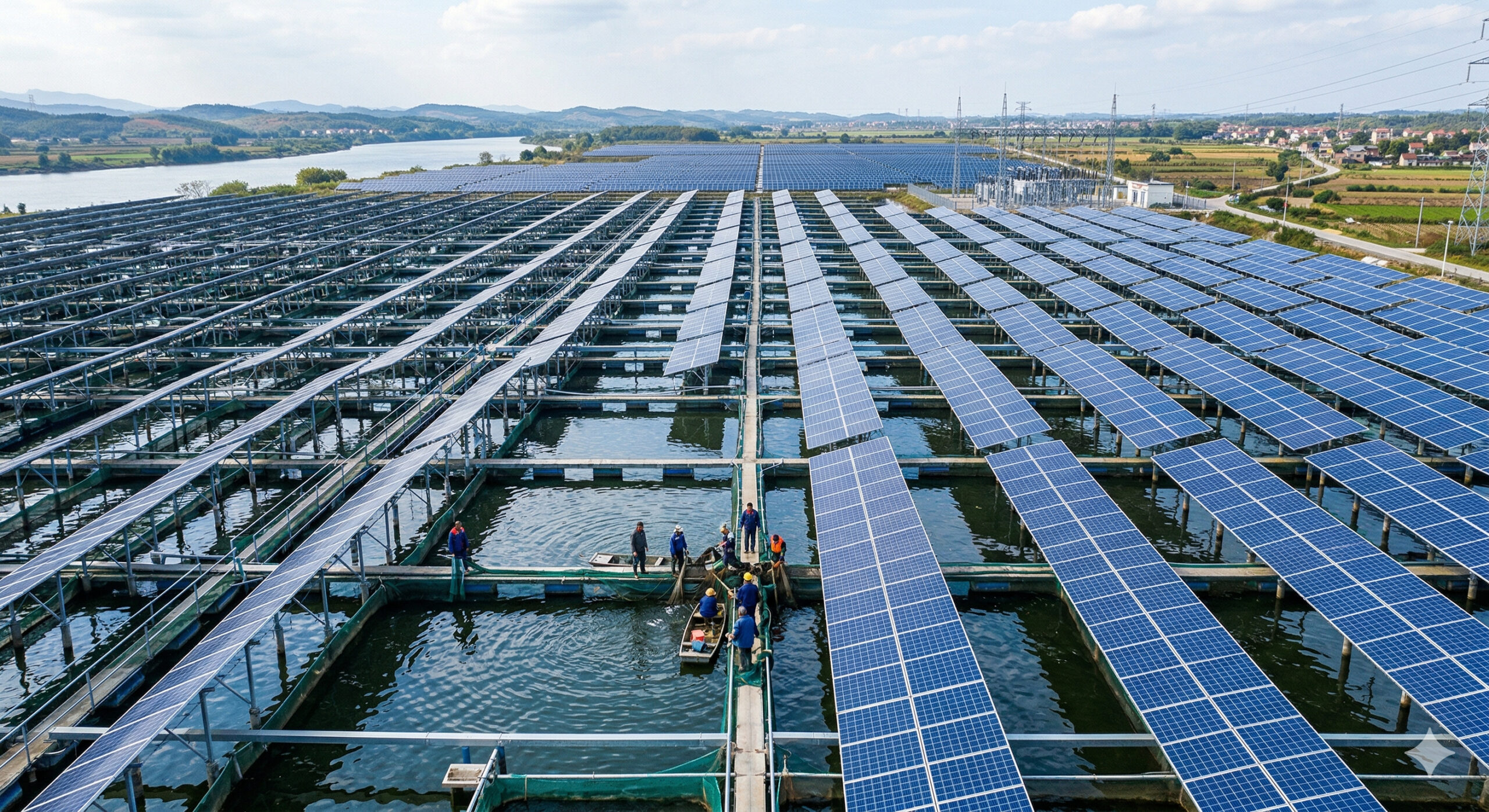
China bets on the Fishery-PV model and transforms fish farms into giant solar plants, covering ponds with panels that generate energy while utilizing the same space for large-scale aquaculture production.
-
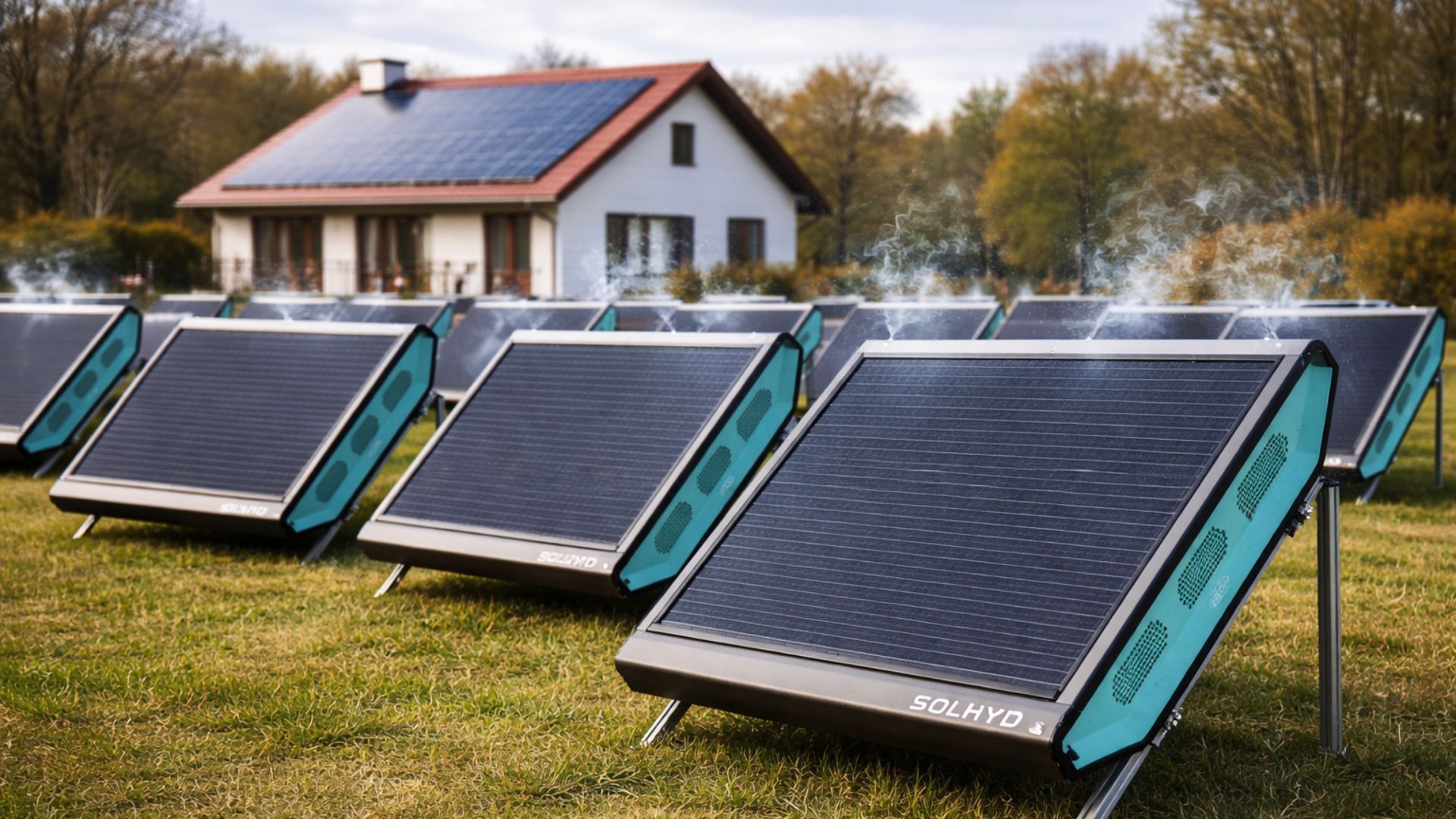
Green hydrogen at home: Belgium launches new technology that makes solar panels produce fuel from the moisture in the air, which could boost the energy transition.
-
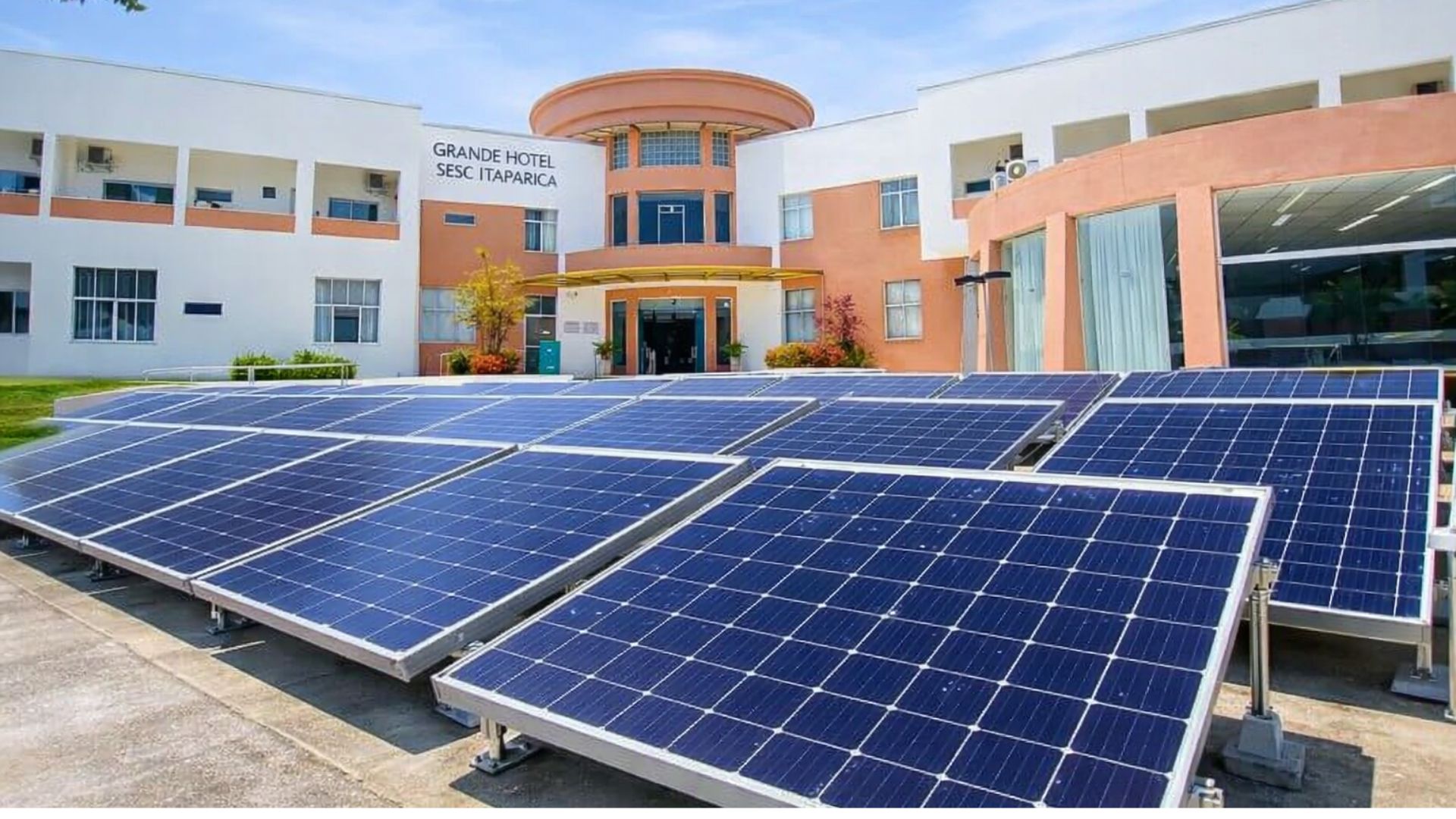
Sesc-BA bets on renewable energy with the support of EDP and drives the energy transition with a direct impact on cost reduction and the sustainability of its operations in Bahia.
-
Technology giant breaks global sustainability records: How Amazon’s leadership in renewable energy procurement transformed the global energy market in the past year.

But let’s simplify it and refer to it by the more well-known acronym: OPV. Founded in 2015, Sunew carries out the largest installations of photovoltaic panels of this type in the world. After years of research and development, the company established a continuous and highly scalable industrial production process. Despite facing some challenges along the way, as we will explore shortly, OPV stands out in the global solar energy landscape.
Operating with an international team and collaborating on projects and installations in over 16 countries, the company was founded with the goal of revolutionizing the energy production paradigm and providing energy solutions for a transforming world. Operating at the forefront of energy sector innovations, it is often compared to the Brazilian giant of electrical solutions, WEG, albeit with due proportions.
Brazilian Company Offers Extremely Flexible and Lightweight Solar Panels That Can Be Installed on Any Surface
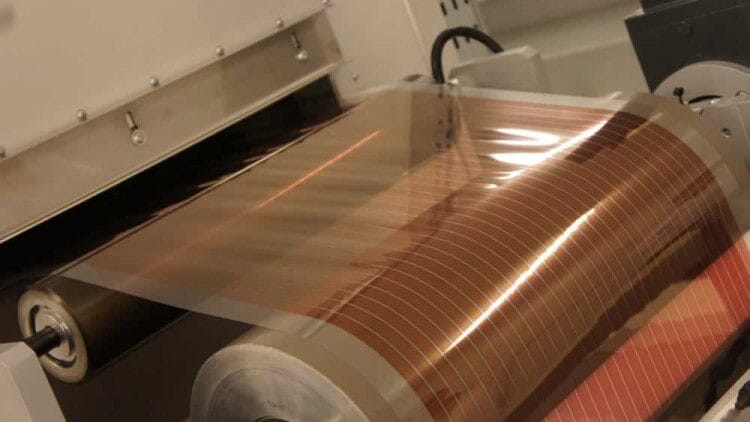
Although traditional solar panel technology has advanced considerably, it still presents certain limitations. Built within large, rigid metal frames, these panels need to be mounted on robust structures. This requirement often conflicts with the structural design of some buildings, making it difficult to seamlessly integrate solar systems with the built environment.
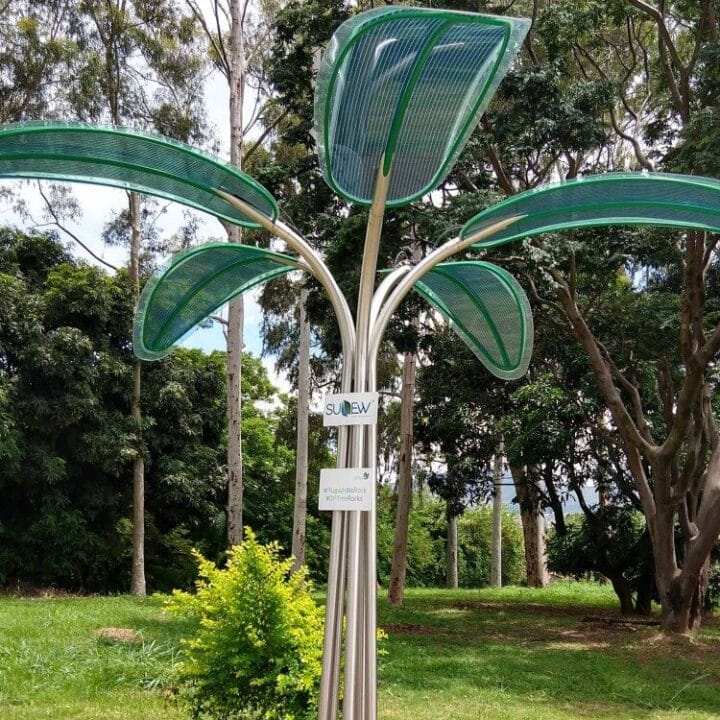
This very challenge motivated the creation of Sunew. The Brazilian company offers an innovative solution with its extremely flexible and lightweight solar panels that can be applied to any type of surface without the need for heavy structures. This advancement is due to its organic technology mentioned earlier, which allows for more flexible and less invasive integration with existing spaces.
OPV, an Innovative Technology, Distinguishes Itself from Conventional Solar Panels That Use Silicon
OPV distinguishes itself from conventional solar panels that use silicon due to its organic composition of the cells present. These cells are printed and deposited with a kind of carbon-based ink on the film that serves as support, making OPV an innovative technology in solar energy. Its application is possible on glass surfaces, and it is considered the third generation of photovoltaic solar cells.
Multiple layers are created, containing materials that are electrical conductors, making the photovoltaic plate functional. The key feature of OPV panels lies in their adaptability, as the applications of organic film cells are vast, and Sunew is clearly taking advantage of this. Thanks to their lightness and flexibility, these organic cells can be easily implemented anywhere your imagination allows.
Multinational Giants Natura and PepsiCo Have Already Adopted Solar Energy Innovation by Purchasing OPV Solar Panels from Sunew
The production of OPV panels is carried out more quickly and with a lower environmental impact compared to traditional solar panels. In 2019, Sunew conducted an extensive installation of its Organic Photovoltaic Films, the OPVs, at the Natura Learning Hub. At that time, Natura was committed to enhancing its social and environmental responsibility, which aligned perfectly with the expansion and promotion efforts of OPVs that Sunew sought to implement.
PepsiCo, one of the largest food and beverage manufacturers in the world, also announced the installation of OPV panels on over 250 trucks, including in Brazil. The initiative aligns with the company’s goals, which foresee a reduction of greenhouse gas emissions globally by 40% by 2030.
With the implementation of solar panels, part of the fuel traditionally used by trucks is replaced with clean energy generated through photovoltaic modules installed on the roofs of the vehicles.
The Challenges of Solar Energy in the Domestic Electric Sector in Brazil
The solar market is witnessing annual growth above 200%, and the savings on electricity bills can reach up to 90%. These positive statistics are undeniable. Moreover, solar energy drives technological advancements and proposes solutions that improve the quality of life for society, fostering significant job creation and increasing business competitiveness.
Despite the promising potential, Sunew and the solar energy sector face significant challenges that need to be overcome in order to truly expand and dominate the Brazilian domestic electric sector. However, significant challenges still need to be addressed. One of the main challenges, which causes particular concern in Brazil, is related to the exchange rate of the dollar.
The appreciation of the American currency against the real significantly impacts the Brazilian economy. In the solar energy sector, this is reflected in the dependence on international suppliers, as the main and most efficient ones are based outside of Brazil. Additionally, crucial equipment for solar energy, such as modules and inverters, is predominantly imported from China.
However, the continued growth of the solar energy market motivates foreign suppliers to consider investments in factories in Brazil. This interest is especially influenced by the country’s favorable climatic conditions, which are ideal for solar energy production. This change would have a direct impact on reducing prices and increasing the competitiveness of businesses.
Solar Energy Has a Lifespan of Up to 25 Years and Is Demonstrated to Have Excellent Cost-Effectiveness
Another aspect to consider is the efficiency of converting energy from solar radiation into electrical energy per square meter. Traditional solar panels face a major challenge in this regard, as their average efficiency reaches around 33%, resulting in the waste of most of the available solar radiation.
Studies aim to improve energy conversion efficiency, but photovoltaic panels, although increasingly better in this aspect, still have not achieved 100% efficiency. It is important to remember that several factors influence the efficiency of the photovoltaic system, including temperature, maintenance, and the installation location of the panels.
The adaptability of OPV panels could mitigate this issue. To ensure greater efficiency, it may be necessary to install more panels to meet energy demand. This can result in significant installation costs. Even in more favorable situations, where fewer panels are required, the panels are still not financially accessible for many families, hindering installation.
However, it is worth noting that, in general, the photovoltaic system has a lifespan of up to 25 years and is demonstrated to have excellent cost-effectiveness.
Government Wants to Tax the Sun
But why does an energy production method with so many benefits still face so many obstacles? Well, this is because the market itself is not extensively promoted across Brazil, even though our country is ideal for this practice.
The government’s interest might not be to promote its “emancipation” in this sense. After all, the more we remain dependent on the system, the better for the authorities. Additionally, there is a notable presence of state regulation in the electric energy sector.
This occurs due to the existence of various bills proposing taxation on the sector. Some government entities are seeking to impose taxes on consumer units that generate their own energy. It’s as if they are trying to tax the sun! The lack of government support and the absence of promotion of the vast potential of solar energy make it more challenging for a greater number of domestic consumers to discover the advantages of this sector.
But After All, How to Buy and How Much Does This Brazilian Solar Panel Cost?
To purchase, it is important to point out that the company currently does not conduct retail sales. It is not possible to buy the material in small quantities. To make a purchase, it is necessary to present a specific project for evaluation. For example, if you want to cover the entire facade of a building or equip a fleet of trucks, you need to submit the project to the company. Therefore, sales are directed towards large projects and significant quantities, not being available for retail purchase at this time.
Let’s discuss the product’s price. According to the information provided on PortalSolar, the cost of an organic solar panel that generates three watts of power is R$ 46. This price can be considered high, given that 3 watts is equivalent to approximately a small silicon cell. To obtain the benefits of this investment, it is necessary to have a project that allows for a return on investment. However, what differentiates this panel from others is its capacity to be applied in places where conventional panels cannot be installed.
For those seeking more information, here it is:
- SUNEW PHONE (31) 3326-1618
- ADDRESS: R. Sete, 2000 – Horto Florestal, Belo Horizonte – MG
- WEBSITE: https://sunew.com.br







Quando tiver disponível para residência até 800wtt tenho interesse em trabalhar com suporte de vocês fico no aguardo neu. zap 47 999143580 obrigada José Luiz são Francisco do Sul sc
Que matéria tendenciosa! O governo do bos’tonaro vendeu a Eletrobrás! Informações com viés ideológico não é jornalismo,é ativismo político, panfleto.
Importante é assistência técnica pois todos vendem, mas igual a Epson que deixa na mão