





 Portuguese
  English
  Spanish
 6 min of reading
  0 comments



New Bridge Over The Araguaia River Will Be Inaugurated on Tuesday (18) with The Presence of President Lula and Should Change The Logistics Between Xambioá (TO) and São Geraldo do Araguaia (PA), Ending The Ferry Crossing and Integrating The Road Corridor of BR-153.
The Xambioá-Araguaia Bridge, between Xambioá (Tocantins) and São Geraldo do Araguaia (Pará), will be inaugurated this Tuesday, November 18, in a ceremony with President Luiz Inácio Lula da Silva and the Minister of Transportation, Renan Filho.
The structure, with a length of 1,724 meters only on the main span and 2,010 meters including access roads, integrates BR-153 and is considered strategic for the North of the country.
The total investment in the project is around R$ 232 million, including the bridge and access roads on both sides of the Araguaia River. Part of this amount, approximately R$ 28.8 million, was secured in the final phase by the New PAC, a federal program for the resumption of infrastructure works.
-
Meta’s new smart glasses are not just for seeing; they use artificial intelligence, analyze your food, summarize messages, and can even change the way you work in professions like engineering.

-
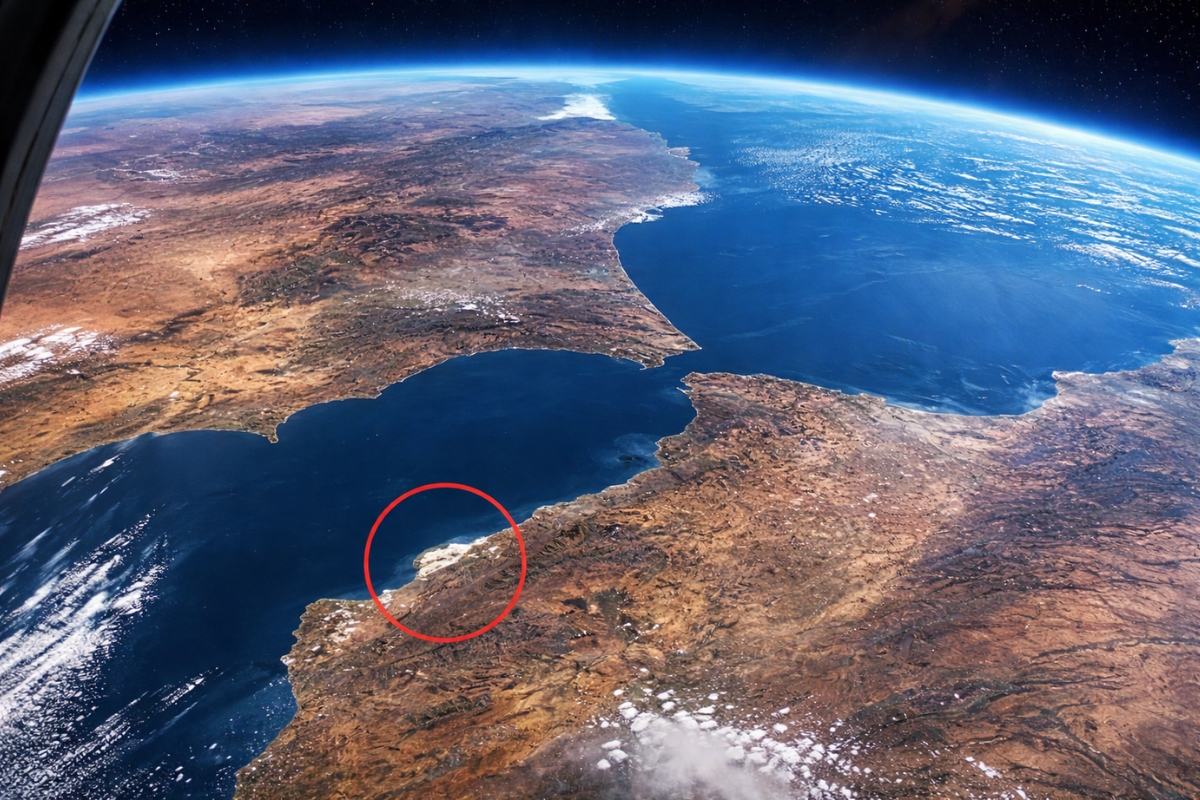
According to an analysis by NASA, only one human-made structure is visible from space, and it is not the Great Wall of China or the Pyramids of Egypt.
-
After 377 years of history, the Brazilian Army will have its first female general: Colonel Claudia Cacho has been promoted to brigadier general by Lula and will receive the sword and command baton this Wednesday in Brasília.

-
A Mercado Livre customer opened their package and found 32 resumes of people looking for jobs crumpled as protective paper inside the box, exposing names, addresses, documents, and phone numbers of dozens of candidates.

In practice, the new bridge replaces the ferry crossing, which is currently mandatory for those crossing between the two states via BR-153. According to the Ministry of Transportation, the river route can cost more than R$ 300 per trip, in addition to causing queues, delays, and unpredictability for truck drivers, residents, and tourists.
Studies and estimates released by federal agencies and local media indicate that the bridge is expected to directly benefit more than 500,000 residents in the region and, more broadly, positively impact up to around 1.5 million people in the area influenced by the logistics corridor.
1,724-Meter Structure Integrates Logistics Corridor of BR-153
The bridge is part of a strategic section of BR-153/TO/PA, a route that connects the Midwest and the North to important consumer centers and Brazilian ports. According to a notice from the Ministry of Transportation and recent media reports, the 1,724-meter structure over the Araguaia River connects to access roads totaling 2,010 meters, with a 12-meter wide lane, shoulders, and sidewalks of 1.5 meters on each side.
In practice, this means more safety for cargo and passenger vehicles that currently depend on ferries to complete their journey. The bridge eliminates mandatory stops, reduces bottlenecks during harvest periods, and decreases exposure to climatic factors such as floods or droughts of the river that can halt transportation.
The logistics corridor formed by BR-153 is used to transport grains, meats, and industrial inputs from states like Tocantins, Pará, Maranhão, and Goiás toward domestic markets and export ports. By removing the “bottleneck” of the Araguaia River, the Xambioá bridge is likely to reduce freight costs and increase the competitiveness of Brazilian products in the international market.
End of Ferry Crossing and Savings for Rural Producers
Today, those who need to cross the Araguaia River between Xambioá and São Geraldo do Araguaia rely on ferries that transport cars, trucks, and buses.
In addition to the high price for crossing, reported in official communications as exceeding R$ 300 for certain vehicles, the waiting time in queues and the operation limited by navigability conditions directly affect the daily routine of drivers and residents.
With the bridge between Tocantins and Pará, the flow becomes continuous, 24 hours a day, subject only to the conditions of the highway.
Rural producers from the agricultural frontier of Matopiba, truck drivers, and logistics companies are expected to see gains in punctuality, reduced losses, and greater predictability in deliveries, essential factors for negotiating freight and export contracts.
History of the Xambioá-Araguaia Bridge: Delays, Disputes, and New PAC
The project for the bridge over the Araguaia River is not recent. According to reports from specialized infrastructure outlets, the conception of the work dates back to 2017, during the government of Michel Temer, when the initial budget was around R$ 132 million. Over the years, the amount was adjusted until it reached the current level, close to R$ 232 million, already considering the accesses.
Despite its strategic importance, execution was slow to advance. Audits by the Federal Court of Auditors identified failures in quotes and the pricing composition of services, which required corrections and impacted deadlines and contracts.
In addition, judicial disputes related to the bidding and project issues delayed the actual start of civil works, which only progressed consistently starting in 2020.
As a result, the Xambioá bridge has become a symbol of bottlenecks in planning and management in large infrastructure projects in Brazil. During this period, different governments – Temer, Bolsonaro, and now Lula – were involved in releasing funds, contractual adjustments, and resuming work fronts in the field.
In the final phase, the completion of the abutments and accesses received decisive support from the New PAC, a federal investment program. According to information from the Ministry of Transportation and the government of Tocantins, about R$ 28 million in additional funds were allocated for paving and finishing, allowing the structure to be opened to traffic still in 2025.
Infrastructure specialists consulted by outlets such as Neofeed note that the case illustrates both the cost of delays – with years of wasted logistics and extra expenses on ferries – and the potential for returns when the work finally goes into operation. The discussion about whether public money was well spent is likely to persist, even with the evident logistical benefits.
Impact on Matopiba, COP30, and Regional Integration
The new bridge over the Araguaia River is considered a key piece for the Matopiba region, an agricultural frontier that includes areas of Maranhão, Tocantins, Piauí, and Bahia. By making the corridor of BR-153 more fluid, the project tends to reduce the time and cost of transporting grains, fibers, and animal protein to consumption centers and ports in the Northern Region, strengthening the role of the Northern Arc in the export of commodities.
In recent months, the structure has been included in the so-called COP30 Route, a set of infrastructure works and interventions aimed at improving logistics and sustainability of access to the Amazon Region before the climate conference to be held in Belém.
According to the Ministry of Transportation, the bridge helps reduce dependence on longer and more polluting routes, shortening the path for cargo and passengers between Tocantins, Pará, and other states.
For the local population, the effects go beyond the flow of production. The new connection is expected to facilitate access to health and education services in neighboring cities, boost nature and fishing tourism in Araguaia, and stimulate new investments in commerce and industry along the BR-153.
At the same time, socio-environmental organizations and specialists warn that the increased flow also requires attention to the impacts on the environment and land management, so that economic advancement does not translate into uncontrolled pressure on the forest and river.
For you, does the investment of over R$ 230 million and years of delay justify the promise of cheaper freight, the end of ferries, and the integration of the North with the rest of the country? Do you think the project comes at the right time or do you believe the government took too long and spent more than necessary? Leave your opinion in the comments and participate in the discussion on how Brazil should plan and oversee its major infrastructure projects.









Seja o primeiro a reagir!