





 Portuguese
  English
  Spanish
  3 min of reading


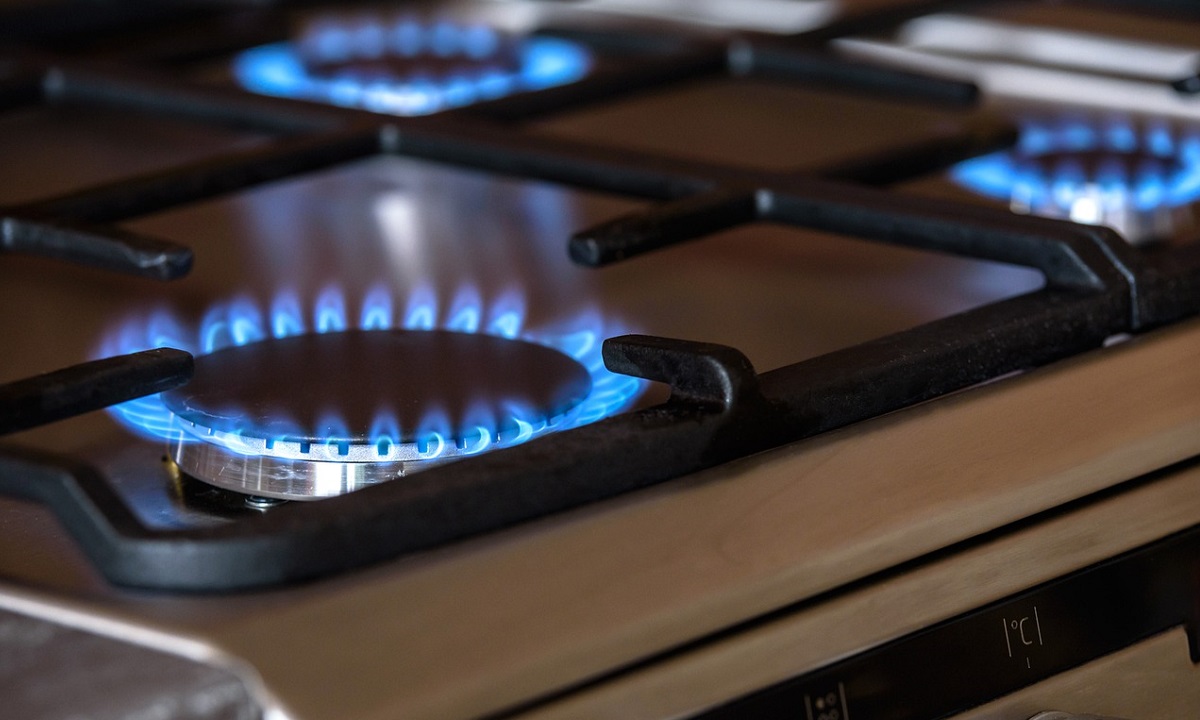
With New Price Adjustment By Petrobras, Cooking Gas Will Go From R$ 4.23/kg To R$ 4.03/kg, Starting This Tuesday, 13, At Distributors
Petrobras announced on the afternoon of this Monday, 12, that it will reduce the average sale prices of liquefied petroleum gas (LPG), or cooking gas, at refineries to distributors starting today, 13. With this new reduction, the average sale price of gas will go from R$ 4.23 per kilo to R$ 4.03 per kilo. The reduction in the price of cooking gas by Petrobras corresponds to a cut of 4.7%.
According to Petrobras, the decrease in the price of cooking gas at distributors will lead to an average reduction of R$ 2.60 for a 13-kilogram cylinder, the most commonly used in households. Additionally, Petrobras stated in a note that the decrease in the price of cooking gas at distributors follows the evolution of reference prices and is consistent with the company’s pricing practice, which seeks to balance prices with the market, but without passing on the volatility to domestic prices.
Cooking Gas Becomes Most Expensive Household Item In The Last 12 Months, Even Surpassing Electricity Tariffs, According To Petrobras
Cooking gas has replaced electricity tariffs and has become the villain of the household budget for Brazilians, according to distributors. In the last 12 months, piped gas has accumulated a high of 26.29%, while the price of cylinder gas has risen by 21.36%. The prices of both have increased more than double the inflation rate during the period (10.07%).
-
Lula reveals a masterstroke by Petrobras to undo a deal made by Bolsonaro, which involves the return of an important refinery that currently produces less than half of what was expected and makes Brazil dependent on international diesel.

-
A study confirms that the natural gas sector will reduce greenhouse gas emissions in Brazil by 0.5% and accelerate the energy transition by 2026.

-
Petrobras implements a severe adjustment and confirms a 55% increase in the price of aviation kerosene with a proposal for installment payments for the companies.

-
The rise in oil prices could ensure an extra revenue of R$ 100 billion for the Federal Government, indicates a recent economic study.


For energy and gas consumers and distributors, the solution has been to choose strategies to reduce costs, from timed or even cold showers to meals prepared with an air fryer. The distribution of gas cylinders has already fallen by 4% in the period between January and July, according to data from Sindigás (National Syndicate of Liquefied Petroleum Gas Distributors) and Petrobras.
In the home of teacher Sibele Goulart, in Curitiba, for example, the air fryer and microwave have replaced the oven and stove for most of the meals made in the house. To save energy, the alternative has been to take cooler showers and set schedules to save.
Sibele stated: “Sometimes, I feel that if I had an induction stove, it would consume less than using the gas stove, which cost R$ 240 this month. At the end of last year, the price of gas ranged between R$ 60 and R$ 80,” says the teacher. Meanwhile, the energy tariff price has varied between R$ 80 and R$ 100.
Last year, facing the worst drought in 90 years, energy tariffs gradually increased, with the emergency activation of the entire thermal power plant system in Brazil.
In 2022, with increased rainfall and the approval in Congress of a limit of 17% (or 18%, depending on the state) on the ICMS of fuels and electricity, there was a reduction in energy bill tariffs. Over a 12-month period, the decrease was 10.77% in residential electricity tariffs.
The savings of the restaurant Tasca Miúda, located in the South Zone of Rio, have felt this variation in energy tariffs up close. In 2021, for example, to save on energy tariffs, appliances were replaced with gas models sold by distributors.
Partner André Korenblum comments that he made a significant investment aimed at long-term savings, which did not happen with the successive increases in piped gas, which had a quarterly adjustment and, this year, increased by 12.81%, approximately three times the inflation during the period.









Seja o primeiro a reagir!