





 English
  Francês
  Alemão
  Italiano
  Japonês
  Norueguês
  Portuguese
  Spanish
 2 min of reading


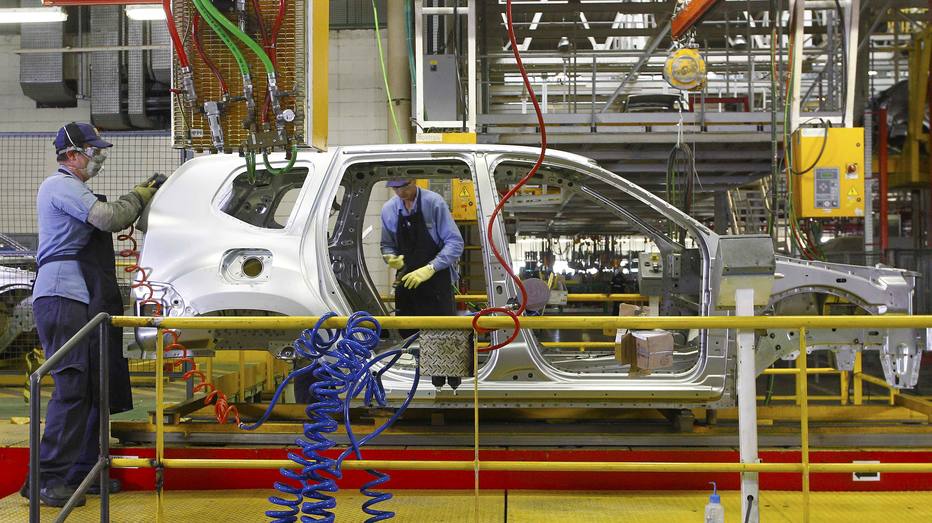
On August 2, the Renault plant in São José dos Pinais, in the state of Paraná, will have new collective vacations announced to employees
Renault confirmed that it is shutting down its factories in Brazil once again. The company is, like other automakers in the sector, suffering from a shortage of semiconductors, which are so important for vehicle production. This is not the first time Renault has been forced to halt its production at the São José dos Pinhais complex in the state of Paraná. See also: New collective vacations announced by Volkswagen at its factory in Taubaté, São Paulo
- Assaí Atacadista is recruiting for 266 job vacancies in elementary, high school, technical, and higher education to work at its new unit that will be inaugurated in Macaé
- Macaé celebrates its anniversary with a million-dollar gift from Petrobras, which announces investments and resumption of operations at the Porto de Imbetiba
- New contract at UPNG of Comperj demands job vacancies for helpers, technicians, supervisors, assistants, and much more on this day, July 31
- BRF will invest nearly R$ 20 million in a factory in the state of Paraná
- Mato Grosso do Sul will receive investments of R$ 4 billion for energy generation. 15 thousand jobs will be created
The Production Halt Due to Semiconductor Shortages
The announcement was sent via email to some employees on Thursday, the 29th, and will take effect next Monday, the 2nd, as reported by the Quatro Rodas magazine website. The duration of the halt varies depending on the department of each employee. In the factory known as Curitiba Passenger Vehicles (CVP), which produces Captur, Duster, Kwid, Logan, Sandero, and Stepway, the shutdown will last for 10 days, with a return expected on 12/8. In the Curitiba
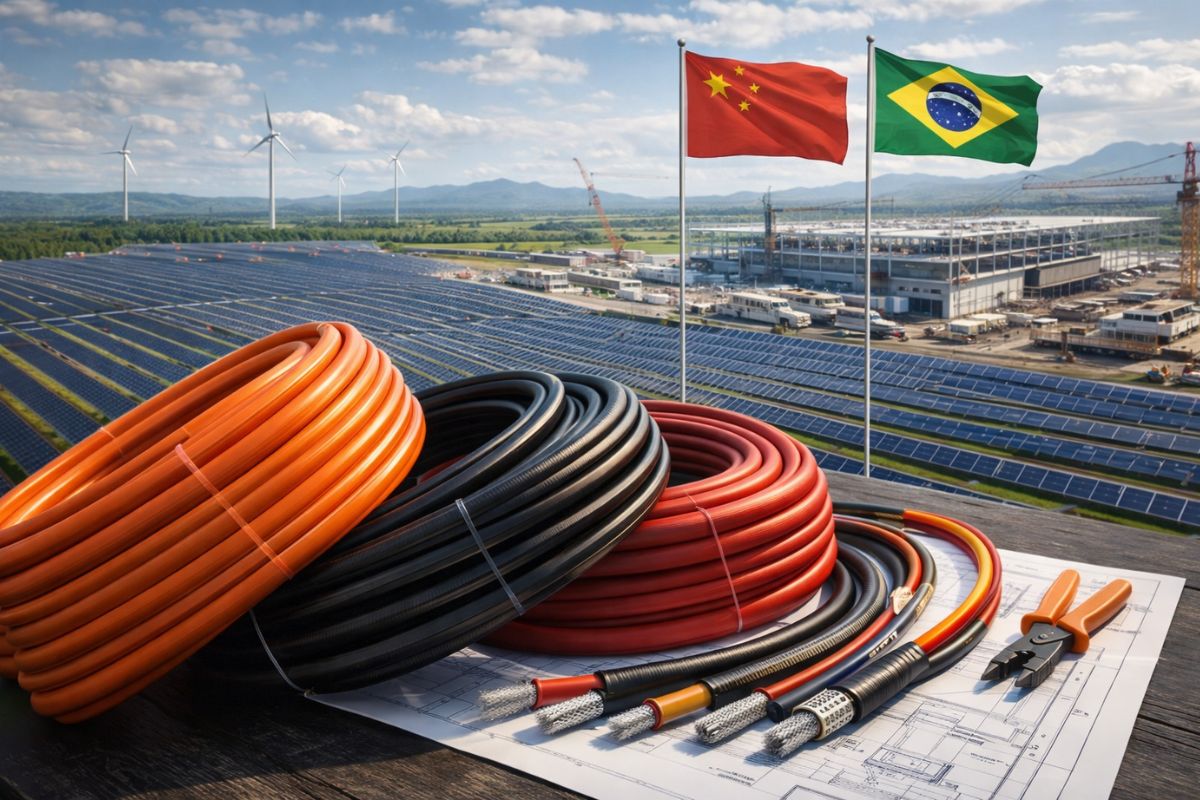
When asked, Renault released the following statement to Automotive Business: “Renault do Brasil informs that due to the lack of electronic components, there will be collective vacations at the factories of the Ayrton Senna Industrial Complex, from 02 to 06/08 for the light commercial vehicle factory and from 02 to 11/08 for the passenger vehicle factory. Additionally, on 29 and 30/07 there will be no production at the passenger vehicle factory. The production related to these two days will be compensated on future dates to be defined by the company.” Unemployment rises again to 5.8% at the beginning of 2026, raising alarms about the end of temporary positions and its impact on the Brazilian job market. Document organization can cut invisible costs in small businesses, a simple step that prevents waste, rework, and losses in daily operations. Chinese giant worth nearly R$ 4 billion that manufactures cables for electric cars, solar energy, and robotics wants to open a factory in SC. Many employers do not know, but the law guarantees domestic workers a 25% increase in salary during trips, 50% for overtime, 20% for night shifts, and 17 additional benefits that can lead to labor lawsuits if not paid. The shortage of electronic components has already affected eight automakers and 14 factories in Brazil, as shown by regular monitoring from the consulting firm Auto Forecast Solutions (AFS) from the United States. This has already led to reductions or halts in the lines of 41 models, with total losses amounting to 220 by the end of July. Adding all stops or reduced cadence, AFS estimates a loss equivalent to 270 days of operations. Among the manufacturers most affected by the shortage of microchips is GM: the São Caetano do Sul plant – where Tracker, Joy, Joy Plus, and Spin are produced – will be shut down for two months, while the Gravataí (RS) unit – which assembles the Onix – has been halted since March, with a return expected only on August 16, after a period of five and a half months of suspension. Ambitious mega project from Renault chief Luca de Meo symbolizes the biggest change in automotive history: electrification. The super project of the new factory is expected to be announced by the French multinational this week, and the automaker will present ElectriCity, a project that brings together in a single subsidiary its three locations in Douai, Maubeuge, and Ruitz to make it a vast center for electric vehicle production in France. The reason for building the new factory is clear: the future of the automobile is electric. Month after month, new vehicle sales numbers are forcing a revision of long-term forecasts. In May, in France, hybrid vehicles represented 26% of new car sales, with 36,221 registrations, compared to 22% for diesel vehicles. The first car to come out of Douai will be the new electric Megane-E, whose assembly lines are being set up. In this model, Renault’s hopes rest to return to the battle of the C segment, intermediate and valued in the European market.



Other Factories Are Suffering from the Lack of Electronic Components
Also Check: Renault Will Build Mega Factory and Create a New Production Center Capable of Assembling 400,000 Electric and Hybrid Cars Per Year








Seja o primeiro a reagir!