





 Portuguese
  English
  Spanish
 3 min of reading


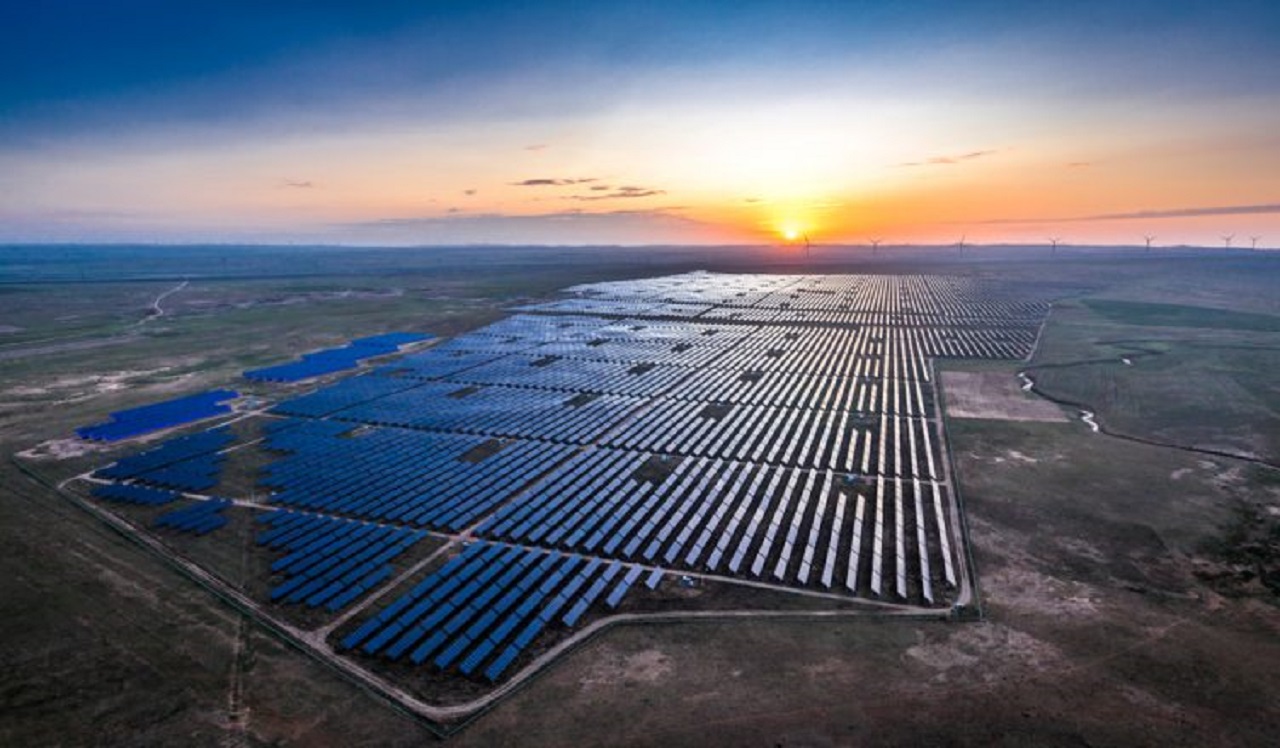
Piauí Will Have Several New Solar And Wind Power Plants This Year, Increasing The State’s Energy Security, In Addition To Generating Jobs And Income For The Local Residents. The State Has The Largest Projects In South America.
The forecast from the National Electric Energy Agency (ANEEL) for this year, with the expansion of the generation matrix in Brazil, is for a production of 10.3 gigawatts (GW) of installed capacity in the state. This is the highest level of capacity expansion since the entity’s monitoring of the energy sector began, which anticipates the commercial operation of 298 solar and wind power projects in 2023. Of this total, 19 are planned for the state of Piauí.
Wind And Solar Energy Production In Piauí Could Reach 601.33 MW
In Piauí, according to data from the Monitoring Bulletin of the Electric Generation Plants Implementation from Aneel, two solar power plants with a combined installed capacity of 58.43 MW are expected to be released.
In the wind energy sector, 16 plants are being completed, with plans to start operating later this year, with a capacity of 534.40 MW. In the biomass segment, a renewable energy source that can be generated from sugarcane bagasse and wood, a plant is being built with a production capacity of 8.50 MW.
-
The Brazilian state accelerates industrial competitiveness with a focus on the extraction of strategic minerals to boost the energy transition in Goiás.
-
Seagri’s headquarters invests in solar energy with Neoenergia Coelba and promises to cut electricity costs, highlighting a strategic advance in sustainability and energy efficiency within state public administration.
-
A Canadian retiree creates a hydroelectric system on a real river, generating energy continuously throughout the day and demonstrating how the power of water can supply a house with stability even in a simple structure.

-
Solar Pyramid draws attention by converting solar energy into million-dollar savings and repositioning the City Hall of Curitiba as an example of innovation, sustainability, and intelligent use of public resources.

For Piauí, with all the planned modes installed, totaling 19 plants, the state has the capacity to produce 601.33 MW. The installation process of wild and solar energy plants, according to data from the energy sector entity itself, is ongoing.
The country finished the last year with an expansion of 8,243.26 MW, the second largest already recorded by ANEEL since its inception, falling short only of the 9,528 MW achieved in 2016. As of December 31, 2022, the country totaled 189,126.6 MW of monitored capacity.
Largest Wind Power Park Is Located In Piauí
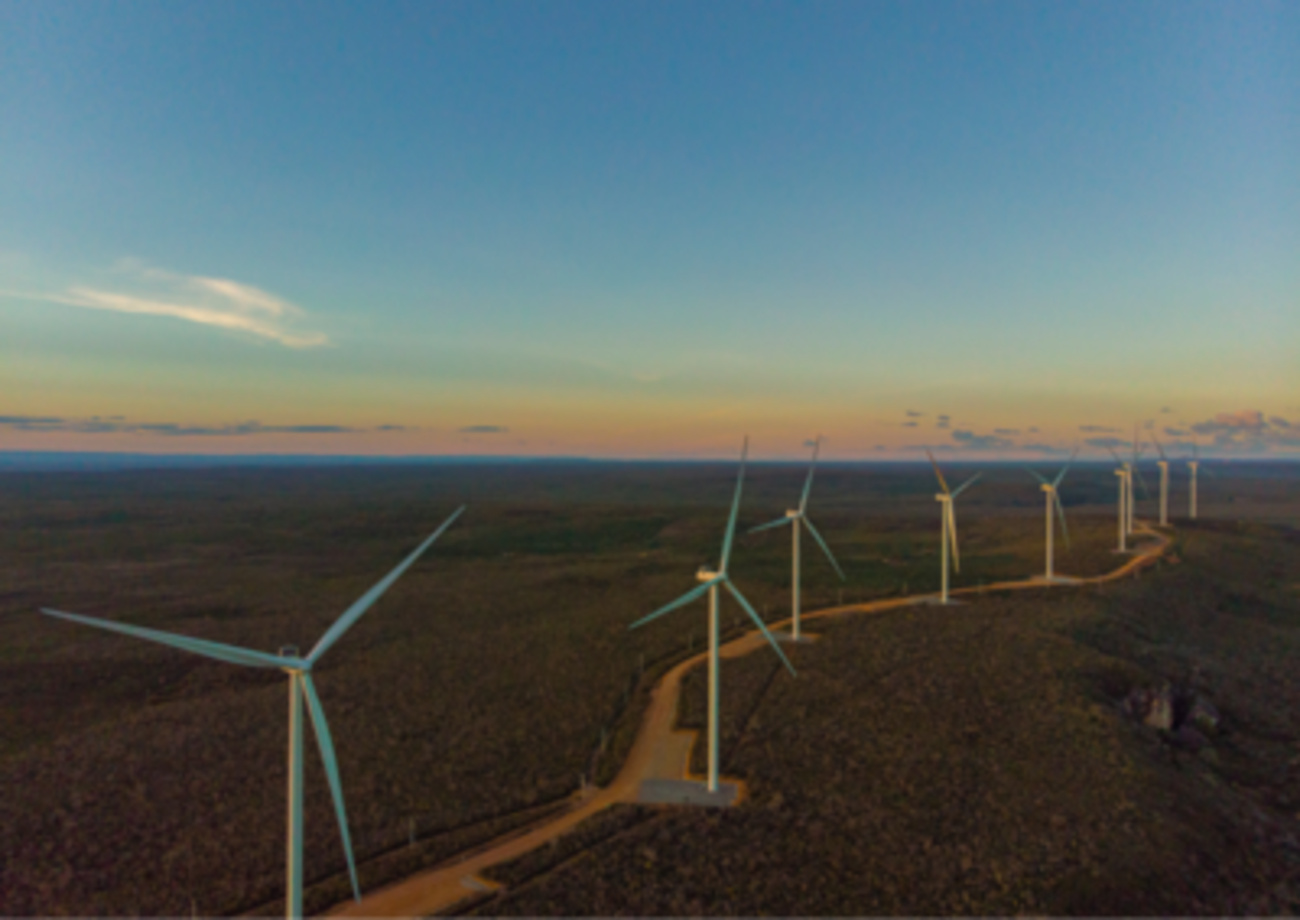
Through the company Enel Green Power, a renewable generation subsidiary, Enel has developed and is operating in Brazil the largest wind power park in South America, Lagoa dos Ventos, located in the state of Piauí. Located in the municipalities of Lagoa do Barro do Piauí, Queimada Nova, and Dom Inocêncio, the wind power park is currently the largest in operation in South America.
Recently, the company began the development of the second expansion of the wind energy complex, with investments of approximately R$ 2.5 billion. The first expansion of the Lagoa dos Ventos wind farm, which started in 2020, is already partially operational, and the expectation is that it will be fully completed later this year.
Piauí Has The Largest Solar Plant In Latin America
The largest solar power park in Latin America is being developed in the municipality of São Gonçalo do Gurguéia, in Piauí, featuring around 2.2 million solar panels provided also by Enel Green Power.
According to information from Brenda Rocha, an electrical engineer from the State Secretary of Mining, Oil, and Renewable Energies, the installed capacity in operation is 747.34 MW. The installed capacity under construction is 43.032 MW.
In the units that have already been completed, there are at least 2,200 workers involved, and over 750 workers are working in the units that are still under development. When completed, the solar energy project in Piauí will have a production capacity of approximately 2.3 TWh per year, preventing the emission of more than 1.2 million tons of carbon dioxide (CO2) into the atmosphere.







Seja o primeiro a reagir!