Portuguese
  Spanish


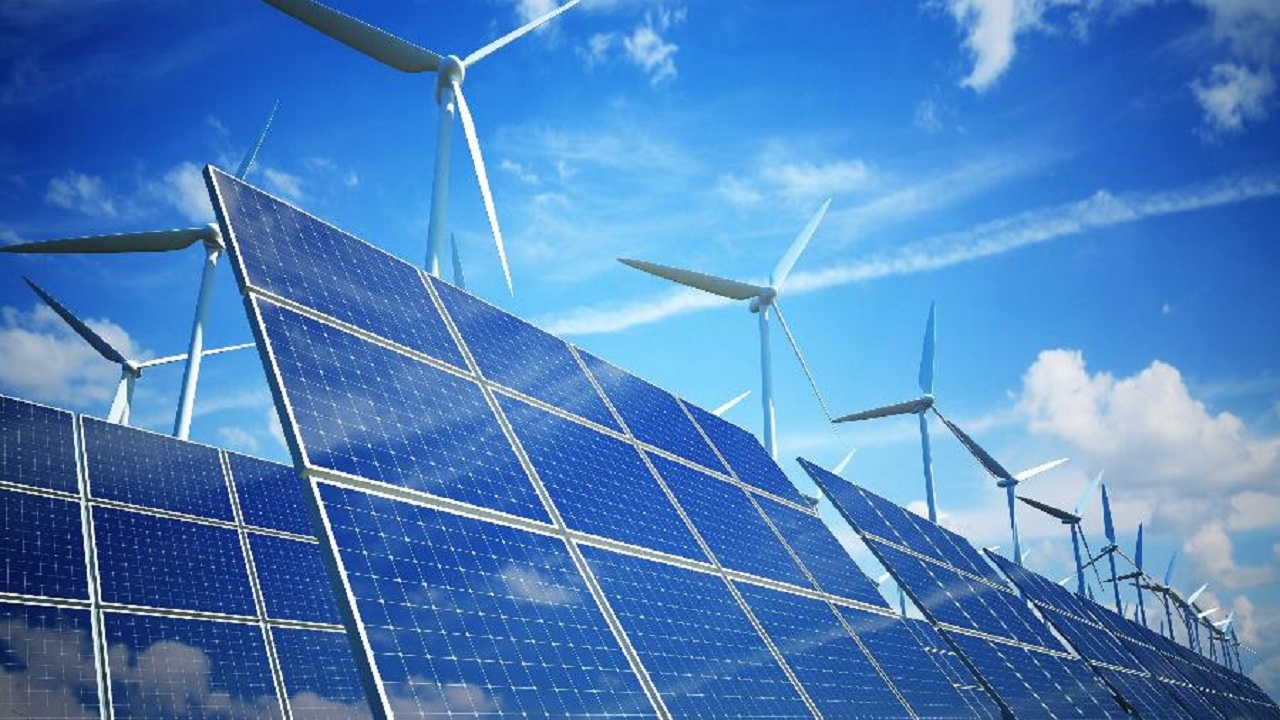

Most Wind, Solar, And Biomass Power Plants Will Be Built In The Northeast Region, Adding Nearly 6,000 MW To The Power Sector.
Clean energy plants have a minimal impact on the environment, as they are generated from any category of renewable energy. Among the most popular, with no pollutant emissions and minimal environmental damage, are solar power plants, wind energy, and biomass. Investment in these clean energy plants has been promising; in 2021 alone, the sector set a record, reaching US$ 13 billion in investments.
Investment In Clean Energy Plants In Brazil
In the next four years, Brazil will receive large clean energy plants, contributing to the country’s environmental scenario. According to a survey conducted by the Electricity Trading Chamber, 250 large solar power, wind, and biomass plants will start operating by January 2026 in Brazil.
The great expectation of this investment is that clean energy plants will add about 6,000 MW of power to the electricity sector, equivalent to nearly half the capacity of the Itaipu Hydroelectric Plant, located on the Paraná River.
-
Fired during apartheid and with a little borrowed money, an electrician started with a borrowed truck and transformed electrical services into a group connected to energy, real estate, and infrastructure in South Africa.

-
Wood has ceased to be just a construction material in Yale research and has become insulation for electrical transformers that face intense heat, aging, and increasing pressure from the renewable energy-powered grid.
-
More than 1,000 residents of a remote island in Kiribati now have clean water and electricity with solar systems operated by the community itself.
-
Ceará brings together 7 giants and R$ 66 billion to transform Pecém into the largest green hydrogen hub in Brazil, with final decisions expected by the end of 2026.


Job And Income Generation
The president of the CCEE Council commented on the advantages of investment, implementation, and supply of clean energy in the country.
“Today, the owners of the lands where these plants are located can continue using their lands in the best possible way, using their best knowledge, and in addition, they have additional income from leasing their lands.”
The investment in the construction of new clean energy plants, as already mentioned, will be R$ 34 billion, with most being built in the Northeast, specifically in the states of Bahia, Rio Grande do Norte, Piauí, and Paraíba.
“Due to all these advantages, we at CCEE have no doubt that in the coming years these sources will continue to play a vital role in the growth of the Brazilian power matrix, especially in generating thousands of new jobs and income,” said Rui Altieri, president of the CCEE Council.
The Growing Demand For Clean Energy In Brazil
Energy consumption in Brazil is one of the highest in the world; according to the International Energy Agency, a study conducted in 2012 shows Brazil ranked tenth globally, with an increase of about 38%, above the global average of just 30% over the past 10 years.
The number is high; however, currently, this demand is primarily supported by clean energy, such as solar energy. The wind energy sector in the country reached an installed capacity of 15,000 MW just in April 2020, and solar energy generation reached 3 GW in June of the same year.
On the other hand, biomass generation experienced a decline, reaching 25.4 thousand GWh in 2021, which is 7.5% less than recorded in 2020, representing 4% of total generation in the country, not considering self-consumption.