





 Portuguese
  English
  Spanish
 3 min of reading


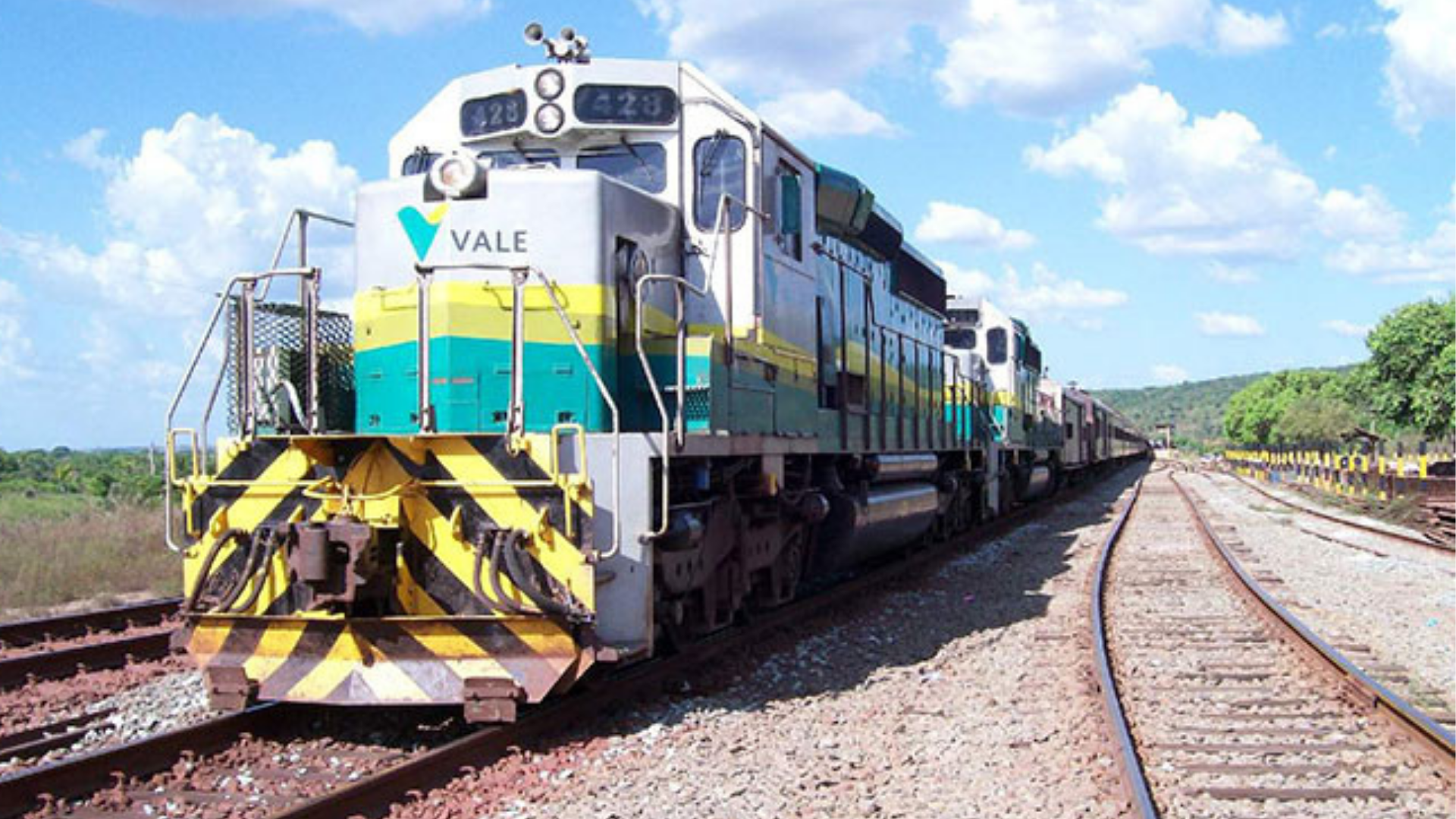
The Government Railway Research Center Will Be Implemented in Anápolis, Goiás. The Project Foresees Solutions for Transport Efficiency
Last Thursday (15/07), the Governor of the State of Goiás, Ronaldo Caiado, and the Minister of Infrastructure, Tarcísio Gomes de Freitas, signed the Memorandum of Understanding (MoU) for the implementation of the Center of Excellence in Railway Technology (CETF) at the Anápolis Convention Center. The project provides for the allocation of a location by the Goiás government and technical and academic support for the execution of activities by the ministry. See also: Goiás Government Announces 4,000 Job Openings for the Construction of the Multimodal Platform of the North-South Railway of Brazil
- Equinor Opens New Job Openings for Offshore Operations in the Peregrino Field, in the Campos Basin
- IOS and Dell Open 120 Positions in Free IT Courses in RJ
- Energy Company Invests R$ 750 Million in Various Solar Plants, with Five to Be Built This Year in Minas Gerais
- Mercur, a Health and Education Industry from RS, Will Build a Photovoltaic Solar Power Plant Capable of Generating 1.18 MWp in Santa Cruz do Sul
- Tesla and Samsung Seal Mega Deal for Elon Musk’s Electric Pickup
Railway Technology Center to Be Installed by the Government in the State of Goiás
With operations expected to begin in the second half of this year, the facility will be the largest railway technology development space in Latin America. The Goiás state government will allocate the location for installation, while the Ministry of Infrastructure will be responsible for management.
The Government Federal Railway Research Center will operate as a unit for accelerated testing and technology standardization, with the development of research and training activities. The goal is to design, prototype, and test innovative projects in the railway transport system. The expectation is that solutions for railway efficiency across Brazil will emerge from the city of Anápolis.
-
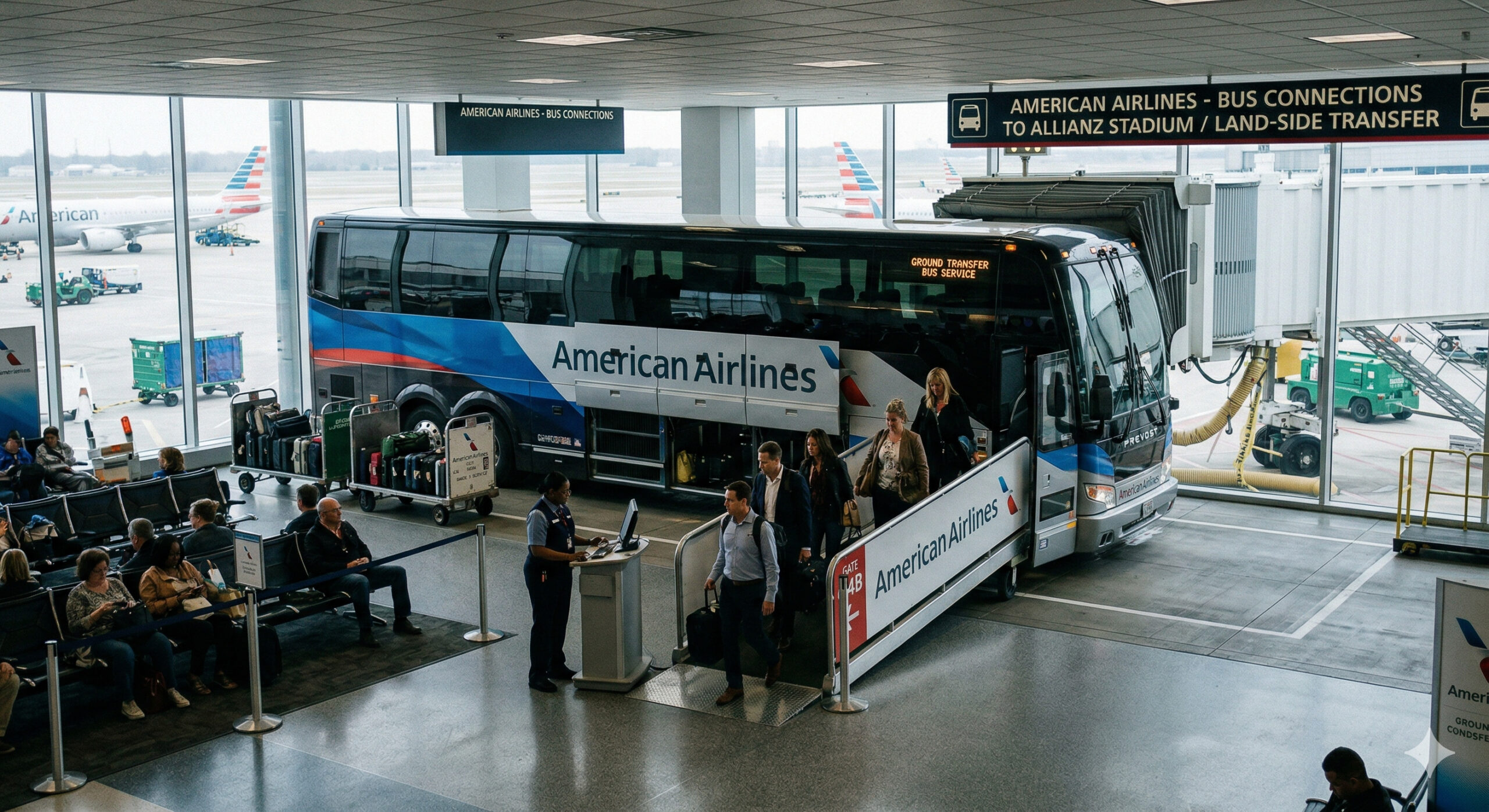
American Airlines starts selling trips as if they were flights, with check-in and baggage check at the airport, but on short routes, passengers board luxury buses connecting cities to major hubs in the U.S.
-
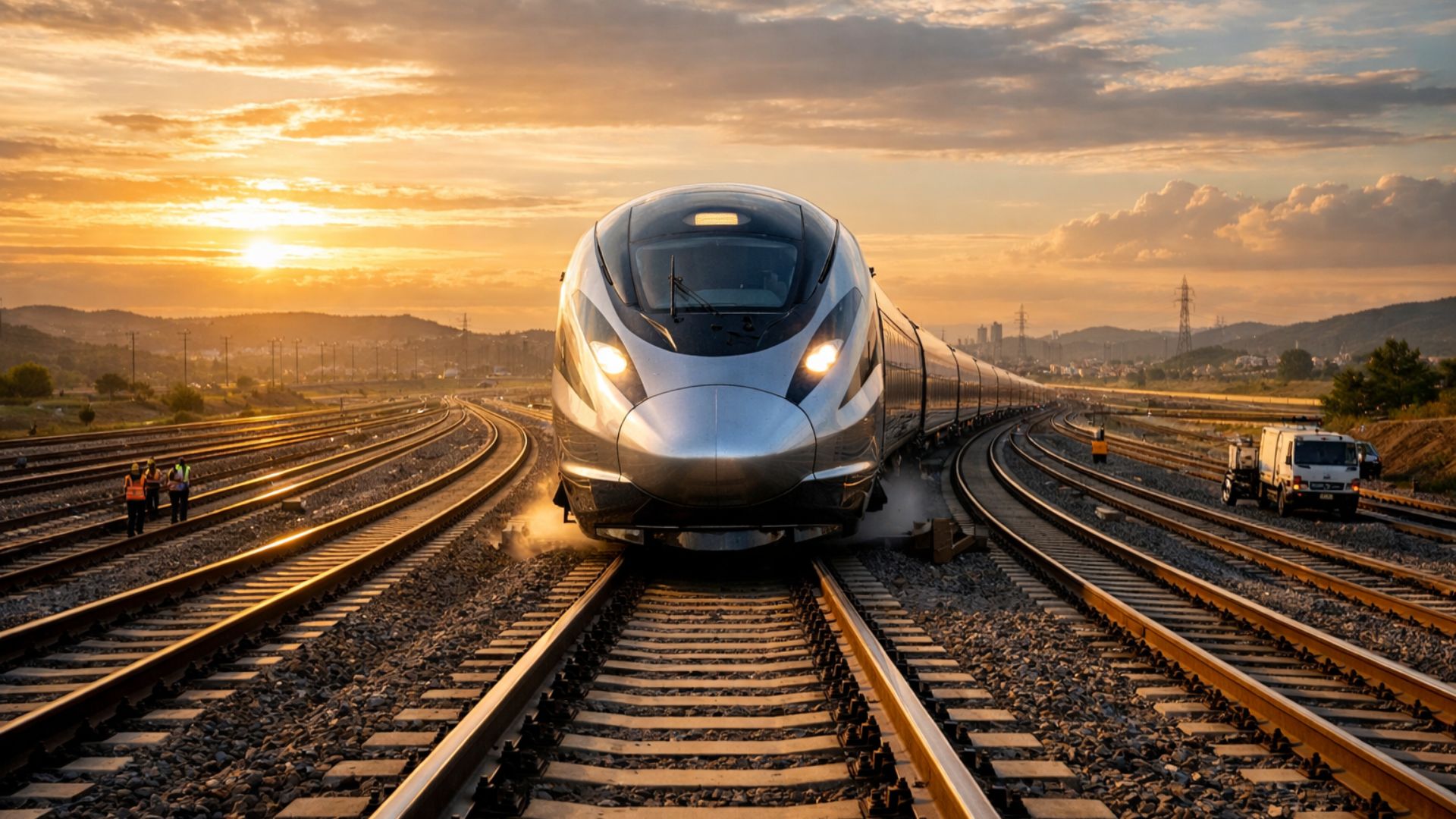
São Paulo surprises the world with a colossal railway network project that promises over 1,000 km of tracks, R$ 194 billion in investments, and 40 projects connecting the capital to the interior with fast and sustainable trains.
-
The world’s largest escalator, measuring 905 meters in China, reduces urban travel time from 1 hour to about 20 minutes and transforms mobility in mountainous regions with an engineering solution adapted to the terrain.

-
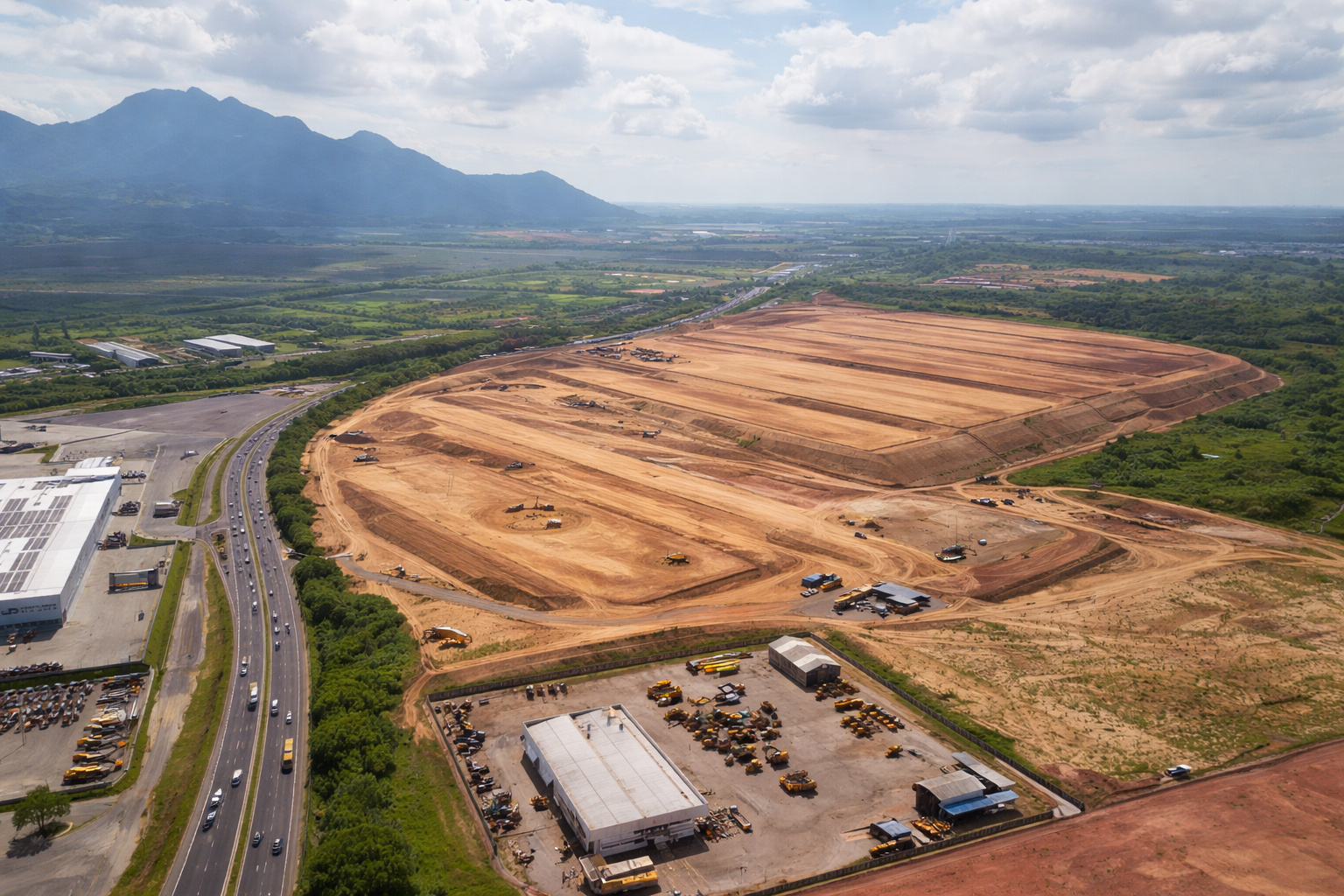
A R$ 300 million logistics giant is taking shape in Serra with over 100,000 m² and raises a question: how can this transform e-commerce and distribution in the state?
The site chosen by the Federal Government is the Anápolis Convention Center, located along BR-060 highway. The municipality has a privileged central position, with the junction of two railway networks: the central stretch of the North-South Railway and the Central-Atlantic Railway.
Development of the Railway Sector in Brazil
The Minister of Infrastructure Tarcísio de Freitas, representing the Government, says that “if we are going to have an impulse in the railway sector, it is necessary that we also have growth in railway research. As we are making railway concessions, we have allocated a resource for technological development in each of the concessions and the idea is to have a location dedicated to research.”
The support for the Government’s project, through technical and scientific training and capacity building, will be provided by the State University of Goiás (UEG), whose headquarters is located in Anápolis, a few kilometers from the future Center of Excellence in Railway Technology. According to the Ministry of Infrastructure, the railway research to be conducted by the CETF attracts industry interest, as the location will have laboratories that do not yet exist in Brazil.
Other Government Projects in the Railway System
Currently, the railway modal constitutes about 15% of the country’s transport logistics. The goal is to expand it to 35% by 2035. To achieve this goal, the Government ministry has already contracted about R$ 31 billion in private investments, with concessions and privatizations. Among the projects are stretches of the North-South Railway, the West-East Integration Railway (Fiol), and the Central-West Integration Network (Fico), which is expected to begin construction in August, from Mara Rosa (GO), connecting to North-South, heading towards Água Boa (MT).
The government also intends to implement the Ferrogrão project, a railway aimed at exporting soybean production from the Central-West region to ports in the North Region, using BR-163, between Mato Grosso and Pará, as part of its route.








Seja o primeiro a reagir!