





 Portuguese
  English
  Spanish
  3 min of reading


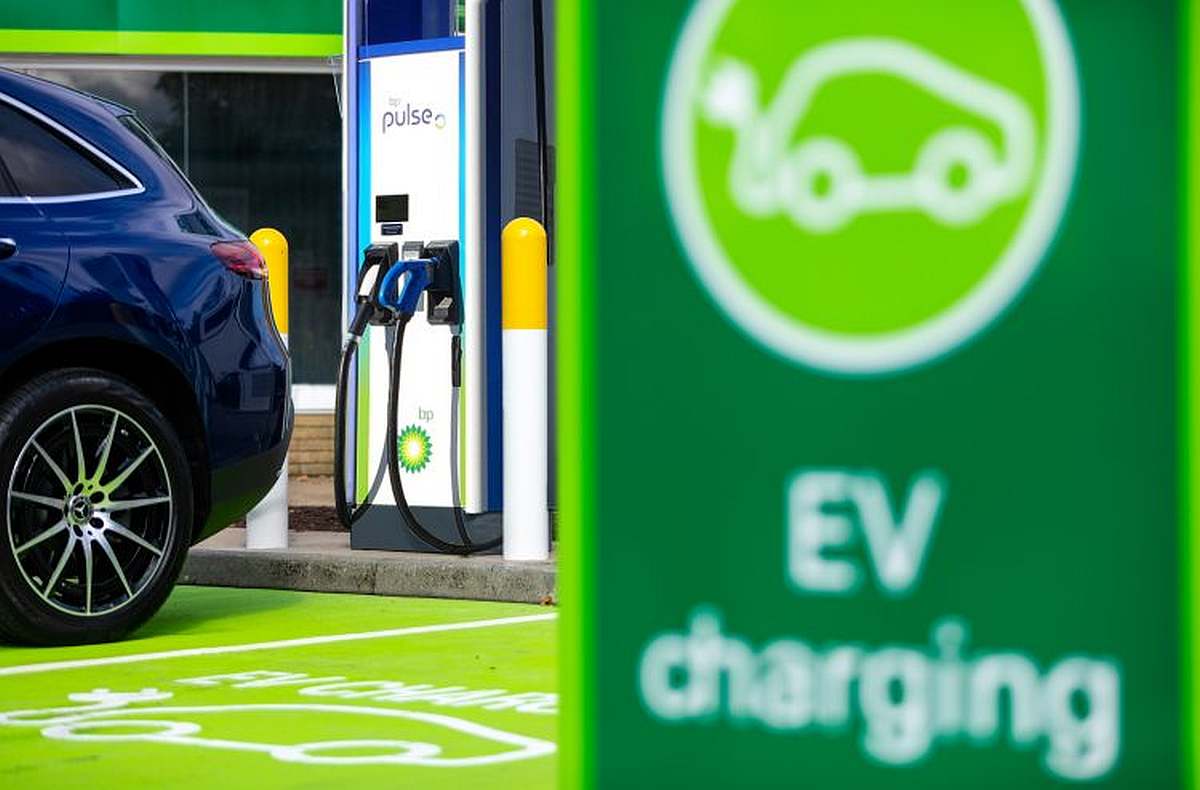
The Projections of the New Energy Outlook by BP for the Use of Oil in the Next Decades Are Quite Optimistic. Oil Demand in the Transport Sector Is Expected to Decline Due to the Use of New Fuels in the Electrification of Vehicles.
Launched this Monday (01/30), the new Energy Outlook by BP points to an increasingly sustainable future in the international transport sector. The study reveals projections for the coming decades and indicates a gradual substitution of oil for renewable fuels, as well as the electrification of vehicles by the end of 2050. Thus, the global market will move towards low carbon footprint targets.
International Transport Sector Will Witness a Replacement of Oil by Electric Vehicles Over the Coming Decades, Says BP
The projections by the multinational company BP for the future of the transport market were disclosed with the Energy Outlook, released at the beginning of this week.
The role of oil is expected to decline across all modes of transport by 2050, reflecting the transition to low-carbon alternatives already underway, as highlighted in the study.
-
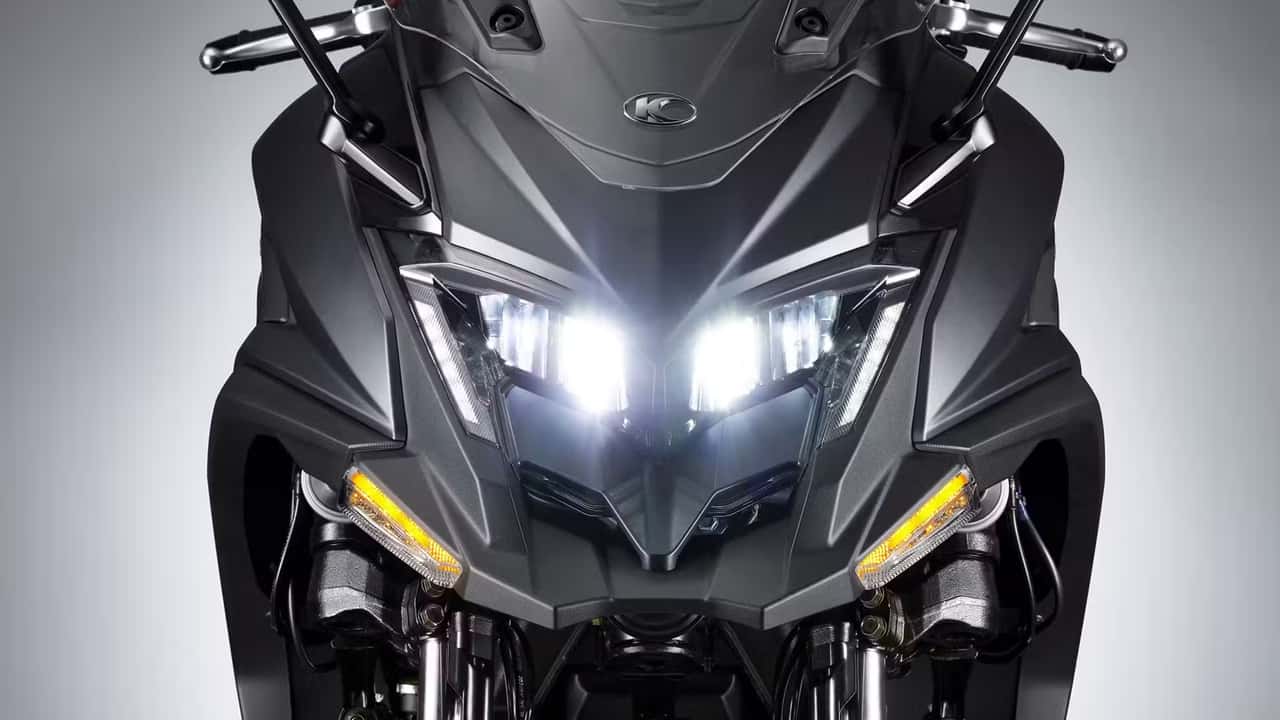
Kymco launches a 3-wheeled scooter with a 52 hp engine, a tilting front, and an audacious proposal to address one of the biggest fears of those who want to ride a motorcycle but still do not trust two wheels.
-
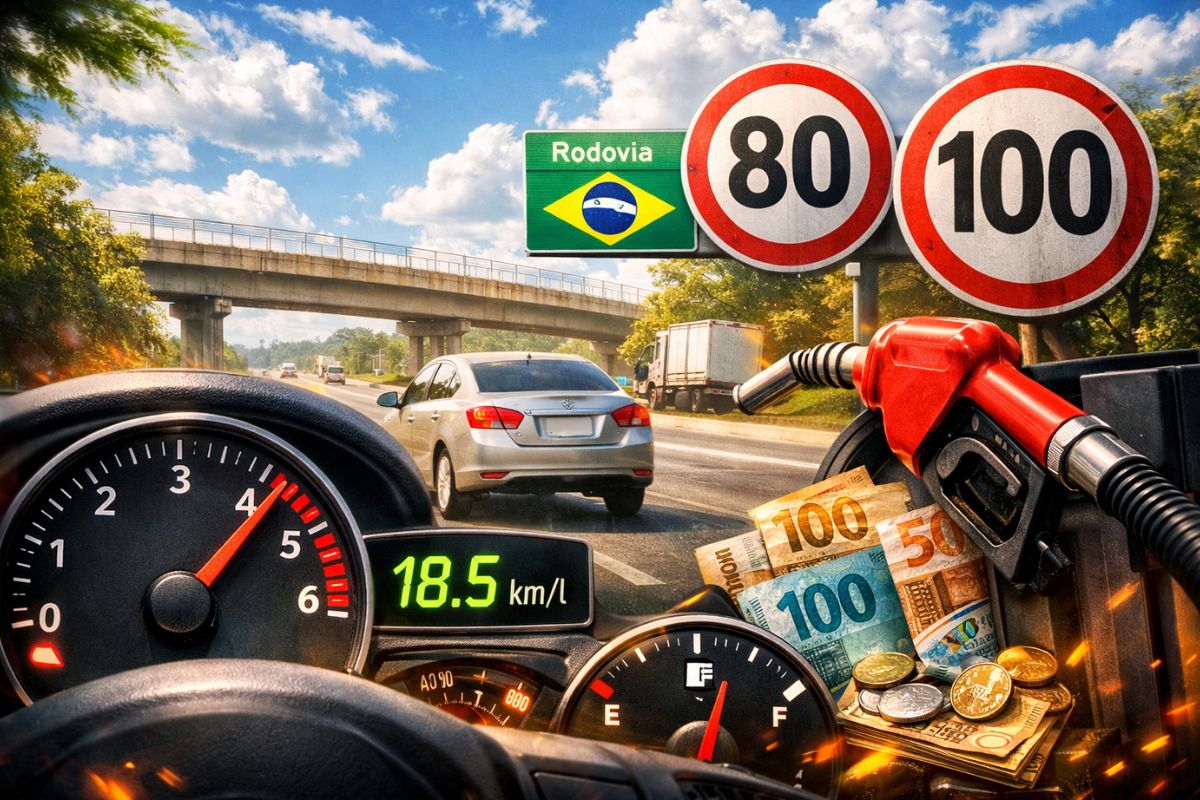
Most drivers make a big mistake on the road without knowing: there is an exact speed that makes the engine work with minimal effort and saves much more fuel, and it is neither 80 km/h nor 100 km/h as many imagine.
-
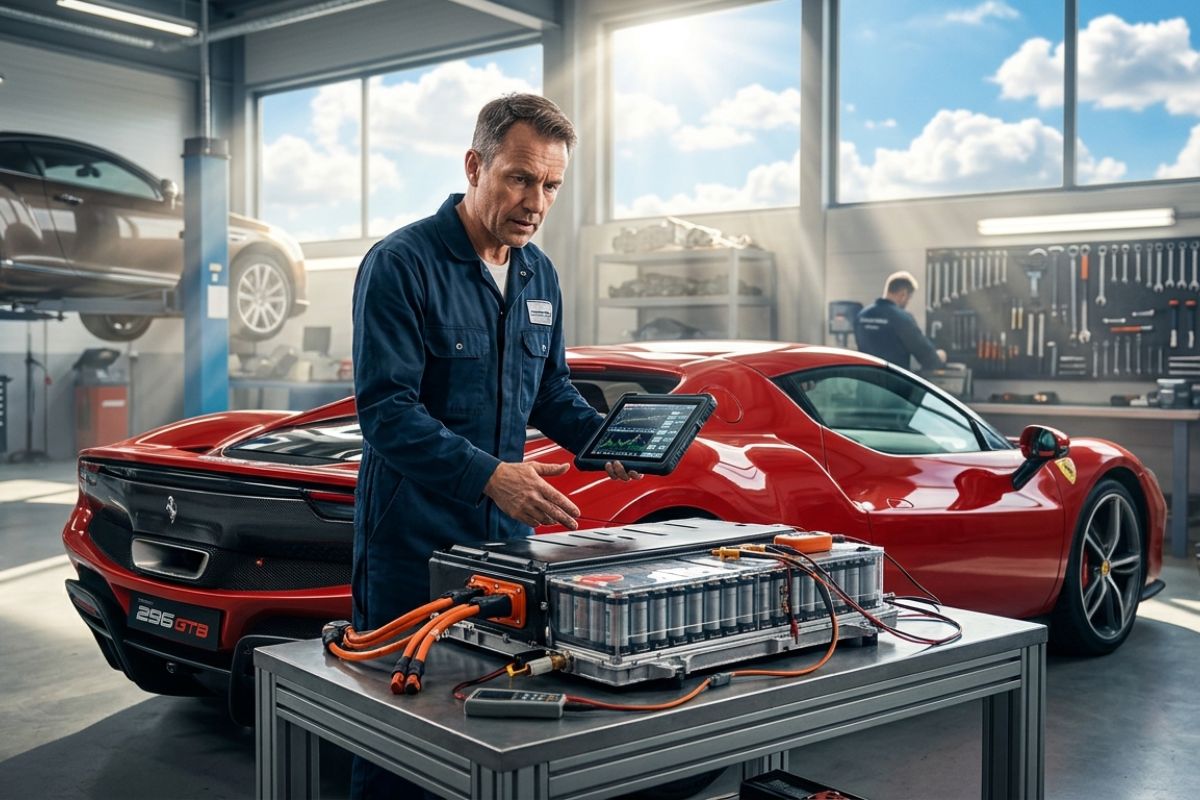
Mechanic explains: Ferrari 296 has a hybrid system management failure that can drain the high-voltage battery to an “irrecoverable” point in the car; recovery requires charging cell by cell on a bench, is risky, and the battery can cost R$ 250,000 imported.
-
It surpassed the T-Cross, Creta, and Tracker: with nearly 8,000 units sold, the Volkswagen Tera was the best-selling SUV in March 2026.
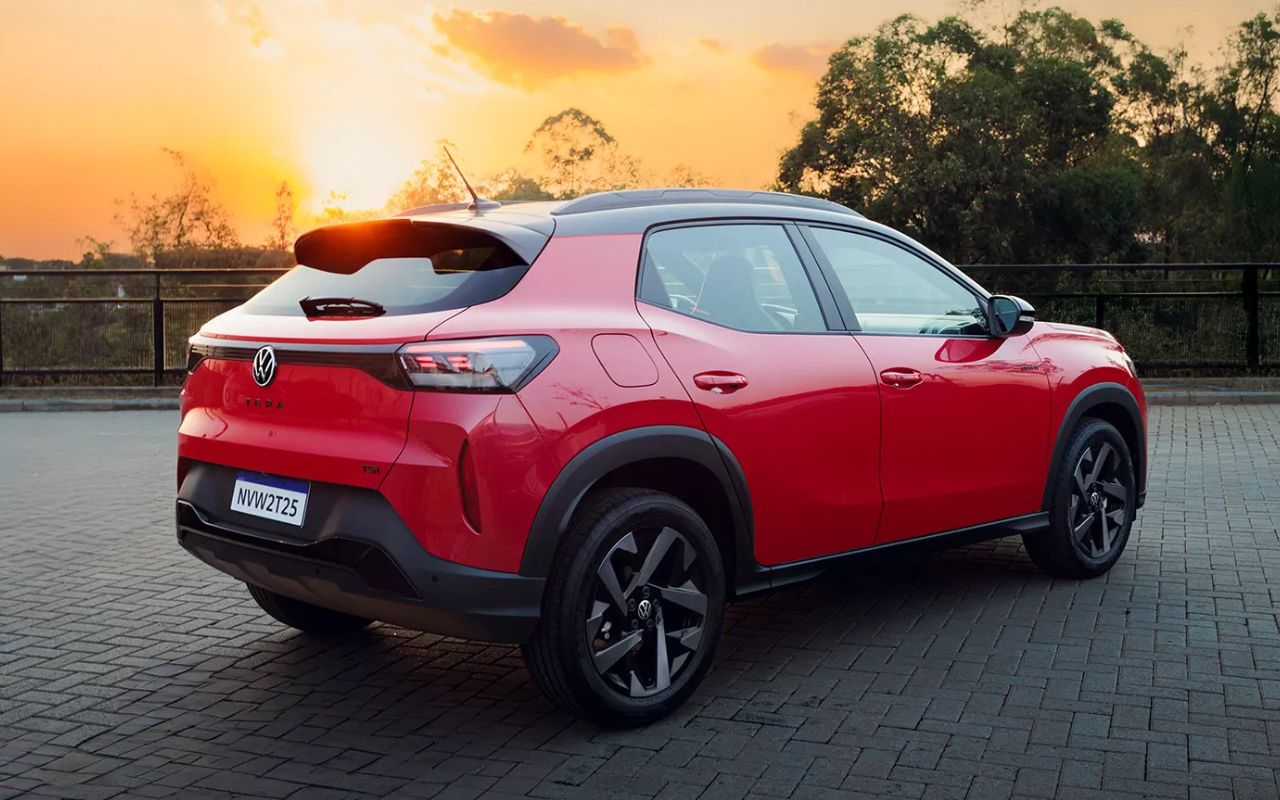
The electrification of road transport and the use of biomass-based fuels will be the main factors driving the decrease in oil demand in transportation.
The document outlines three scenarios: Net Zero, Accelerated, and New Era. They have been updated to consider two significant events impacting the energy landscape in the past year: the Russia-Ukraine war and the passing of the Inflation Reduction Act in the U.S.
Thus, the impact of electrification in the transport sector and the use of biofuels will be evident in the coming decades.
According to BP’s Energy Outlook, the number of electric cars (including plug-in hybrids) and light trucks is projected to rise from approximately 20 million in 2021 to 2 billion (around 80%) by the end of 2050.
The electrification of road vehicles can already be observed in the Brazilian industrial sector on a certain scale.
BP’s study indicates that electric passenger vehicles will represent the majority of new car sales by the mid-2030s in the Accelerated and Net Zero scenarios.
A sharp change in the use of oil as a basis for road transportation in the global scenario could be observed.
Decline of Diesel and Rise of Biofuels Will Accompany the Transport Sector in Vehicle Electrification, Highlights Energy Outlook
In addition to the electrification of road transport and the decrease in oil usage in vehicles, BP points to a reduction in the use of fossil fuels in heavy vehicles, such as trucks.
From a 90% share in 2021, diesel engines are expected to drop to around 70–75% of the global fleet by 2035 in the Net Zero and Accelerated scenarios and 5-20% by 2050.
“The choice between electrification and hydrogen varies among different countries and regions, depending on policies affecting the relative prices of electricity and low-carbon hydrogen, as well as regulatory policies and the development of charging and refueling infrastructures,” states the Energy Outlook report.
Biofuels will also have their moment of prominence in the aviation transport sector in the coming years, as projected by BP.
By the end of 2050, hydrogen-derived fuels (e-SAF) will gain market share globally.
Finally, in maritime transport, hydrogen-derived fuels will be the main alternatives to oil. The BP Energy Outlook, with all scenarios for the electrification of the transport sector and the decline in oil usage, can be accessed at any time by clicking here!










Seja o primeiro a reagir!