





 Portuguese
  English
  Spanish
  3 min of reading
  0 comments



Study From The University Of Michigan Shows That Electric Vehicles Emit Less At Every Stage Of The Life Cycle, Including Manufacturing And Disposal.
A new study from the University of Michigan has clarified a frequent discussion: in all analyzed situations, electric cars have lower emissions than other types of vehicles. The survey evaluated everything from manufacturing to disposal and revealed significant differences between propulsion systems.
The Focus Of The Study
Electric cars are known as zero-emission vehicles, but they are not free from criticism. The production and recycling of batteries also generate pollution. Therefore, they are often accused of not being as clean as one might think. To clarify these doubts, the research compared combustion engines, hybrids, plug-in hybrids, and fully electric vehicles.
According to Greg Keoleian, professor at the School of Environment and Sustainability at the university and senior author of the study, electrification is an essential strategy to tackle the climate crisis.
-
The German economist Wolf-Peter Schill has no doubts: “Electric cars are already far superior to cars with internal combustion engines.”

-
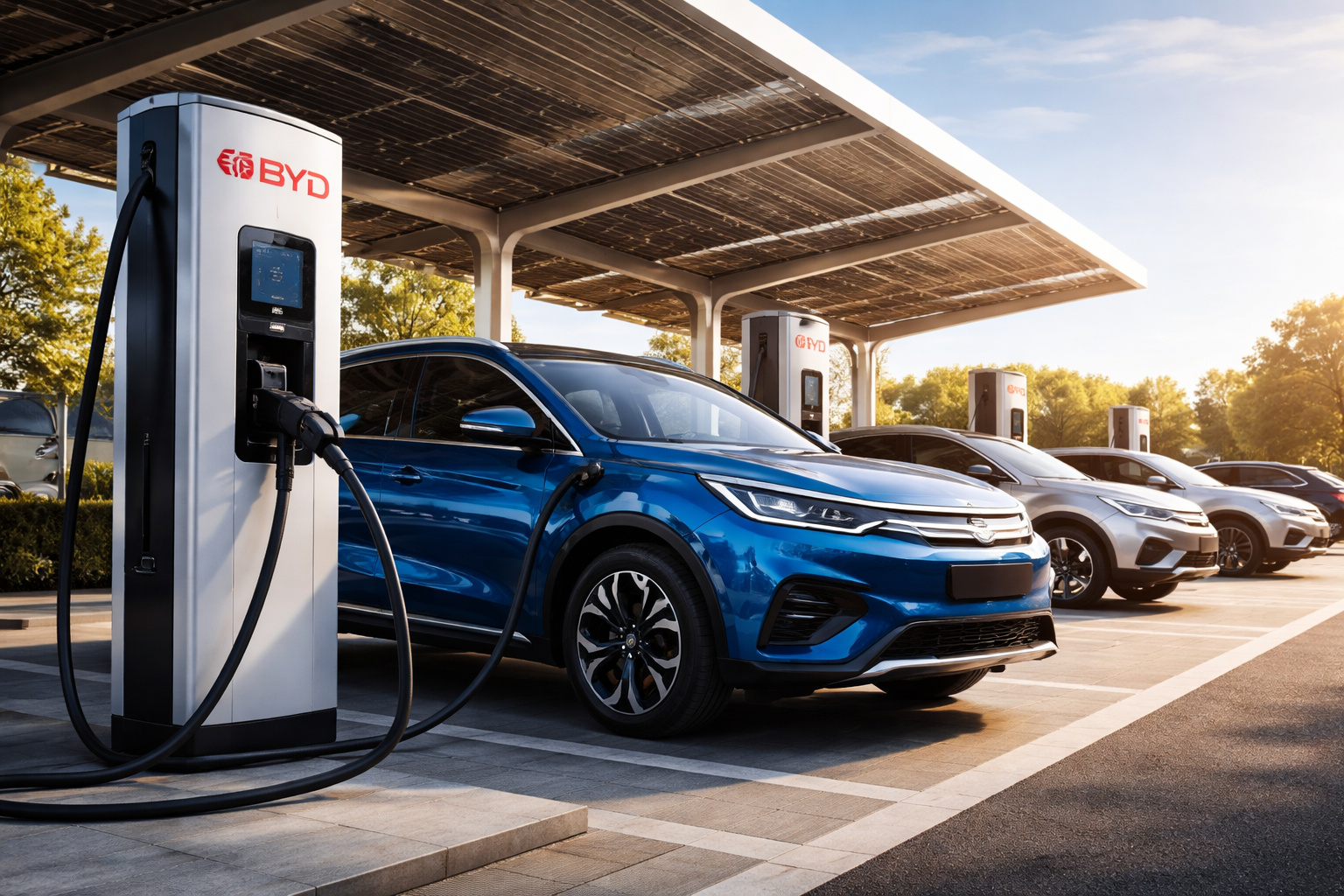
Largest public charging network in Brazil: BYD reaches 125 fast chargers and accelerates national expansion of electric mobility.
-
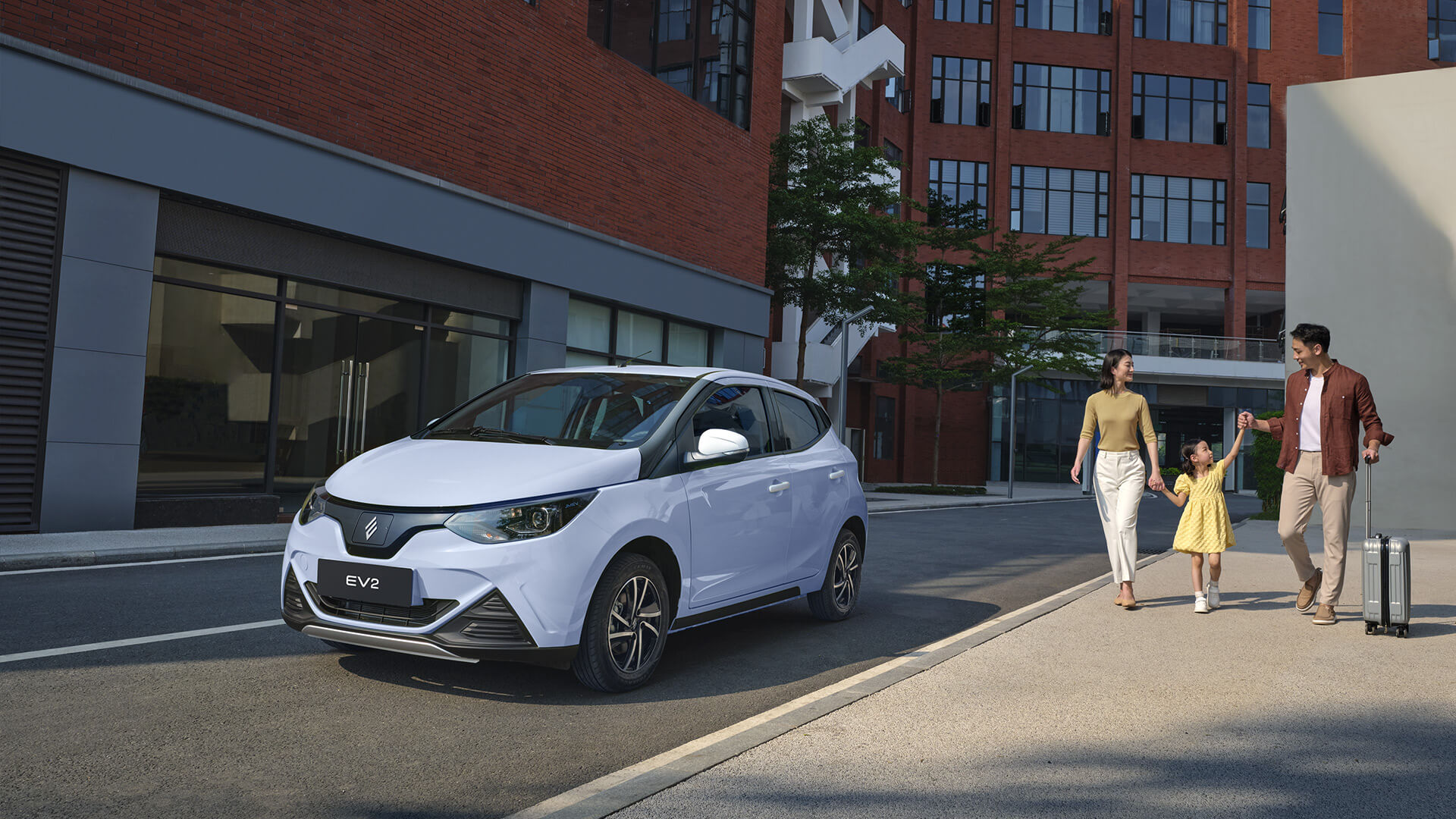
Goodbye expensive popular car: electric vehicle for less than R$ 70,000 starts being sold in Brazil with a range of 200 km and targets those looking to escape gasoline.
-
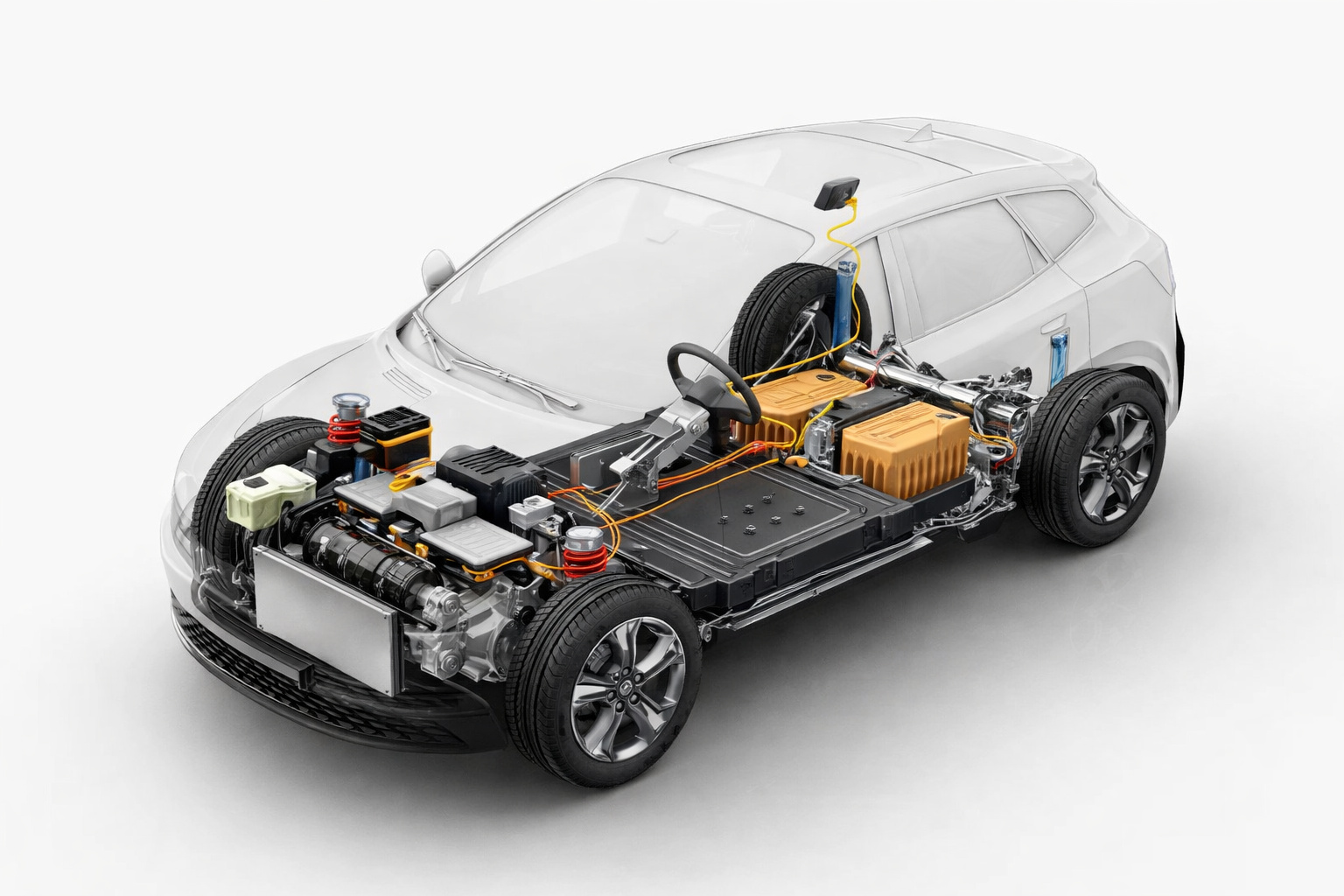
China Surprises Automotive Industry With Battery That Promises Electric Car Able to Run Up to 1,000 km Without Recharge

He reminds us that transportation accounts for 28% of global greenhouse gas emissions and that reducing them is crucial because the impacts are already intensifying worldwide.
Detailed Methodology
The researchers aimed for the most comprehensive analysis ever conducted. They evaluated not only the emissions figures during driving but also during manufacturing and at the end of the vehicle’s life cycle. Various factors were included in the calculation: type of propulsion, vehicle size, driving style, and location.
The comparison included pickups, sedans, and SUVs. Urban and highway traffic scenarios were also considered. In the case of plug-in hybrids, the frequency of battery use instead of gasoline was also measured.
This way, the study ensured a fair assessment between very different technologies and usage profiles.
Overall Results
The main conclusion is clear: battery electric vehicles emit less over their entire life span. Among pickups, for example, combustion models can emit 486 grams of CO2 per kilometer.
Switching to a hybrid reduces that by 23%. Transitioning to an electric vehicle can reduce emissions by up to 75%.
The analysis of freight transport reinforced this difference. An electric pickup carrying 1,137 kilograms releases 30% less CO2 than a conventional pickup with no load. Therefore, the benefit remains even in scenarios of intense use.
Sedan Performance
As expected, compact electric sedans showed the best results. The study recorded 81 grams of CO2 per mile, a number 20% lower than that of a gasoline pickup.
The highlight was for the electric cars with lower range, around 322 kilometers. In these cases, the smaller battery size also reduces the emissions related to its production.
Additionally, the lower weight and improved aerodynamics enhance the advantage of smaller models. This difference shows that vehicle choice influences as much as the technology used.
The Impact Of Size
An important point highlighted by the research is that it is not enough to electrify. The smaller the vehicle, the lower the emissions. Keoleian summarizes the idea practically: those who work in construction may need a pickup but can opt for an electric version.
Those who use the car solely for daily commuting should prefer an electric sedan because it meets their needs and significantly reduces their environmental footprint.
Political Issues
The researcher also took the opportunity to comment on the regulatory landscape in the United States. He criticized the Trump administration’s decision to reduce incentives such as tax credits for electric vehicles.
According to him, despite the political changes, automakers have already heavily invested in the technology and continue to bet on its expansion.
Keoleian noted that in many parts of the world, electric cars are already on track to become the dominant propulsion system. Therefore, American manufacturers recognize that this will also be the future in the United States, even in the face of short-term obstacles.
Study Conclusion
The research from the University of Michigan demonstrates that considering all stages of the life cycle, electric cars emit less than any other type of vehicle.
This difference is even greater when opting for smaller models. Therefore, electrification combined with the choice of the appropriate vehicle emerges as a direct path to reducing the environmental impact of transportation.









Seja o primeiro a reagir!