





 Portuguese
  English
  Spanish
  3 min of reading
  0 comments


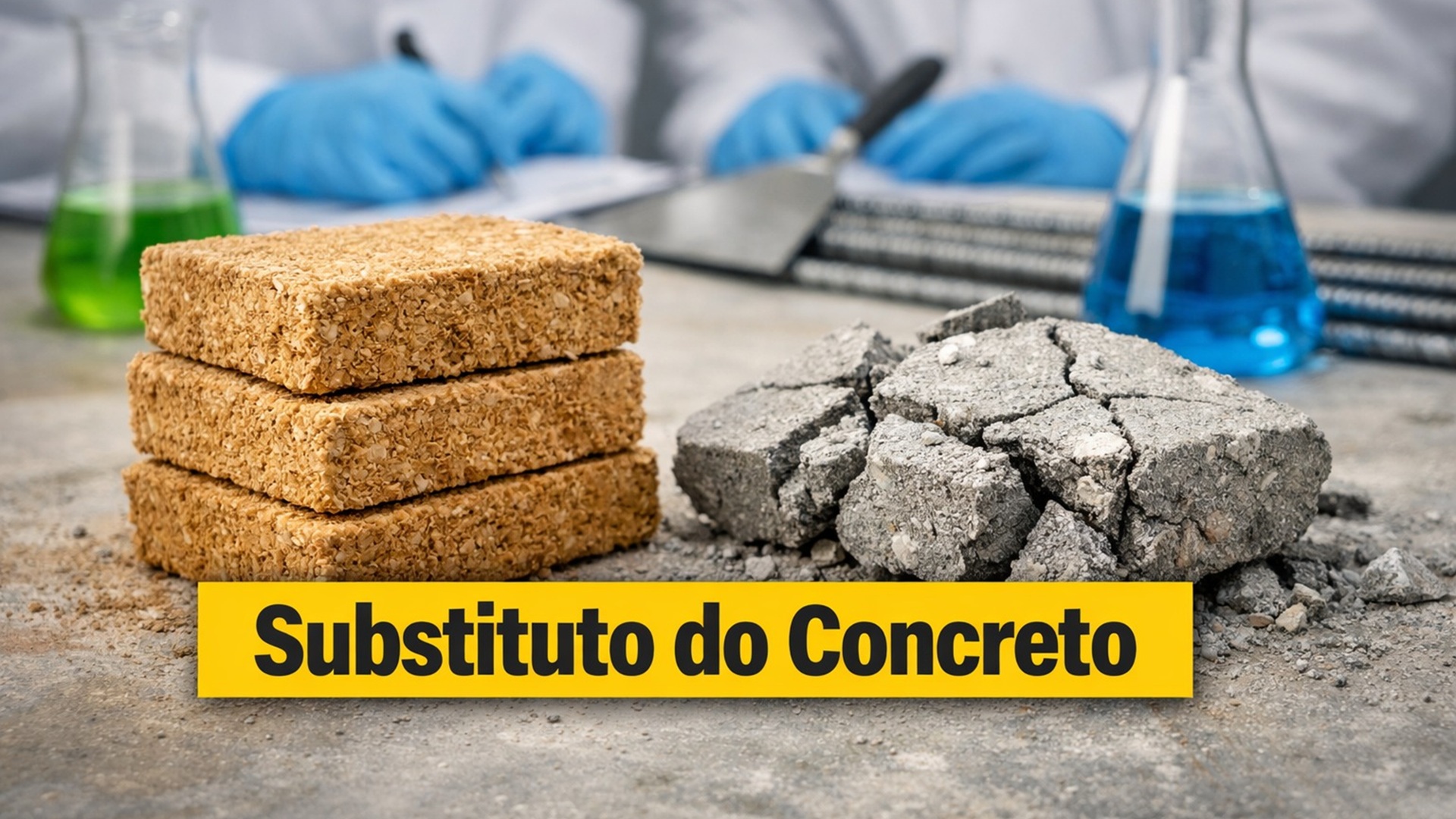
The Team at Worcester Polytechnic Institute Developed a Revolutionary Technology Capable of Replacing Conventional Concrete, Using an Enzyme Found in the Human Body to Transform Carbon Dioxide into Highly Durable Solid Structures, Drastically Reducing Cure Time to Just a Few Hours and Offering a Viable Solution to Reduce Global Emissions from Construction.
Researchers in the U.S. Create Enzymatic Structural Material with a Strength of 25.8 MPa and Cure in Hours to Replace Conventional Concrete Emitting 330 kg of Carbon
Researchers at Worcester Polytechnic Institute Developed Enzymatic Structural Material, a Carbon-Negative Alternative to Concrete that Transforms CO2 into Solid Structural Asset, Offering Quick Cure and Superior Strength in Construction.
Development and Efficiency of the New Material
Researchers in the U.S. Created Enzymatic Structural Material (ESM) as an Eco-Friendly Alternative to Concrete. The Material Transforms Carbon Dioxide into a Solid Structural Asset with Negative Carbon Emission.
-
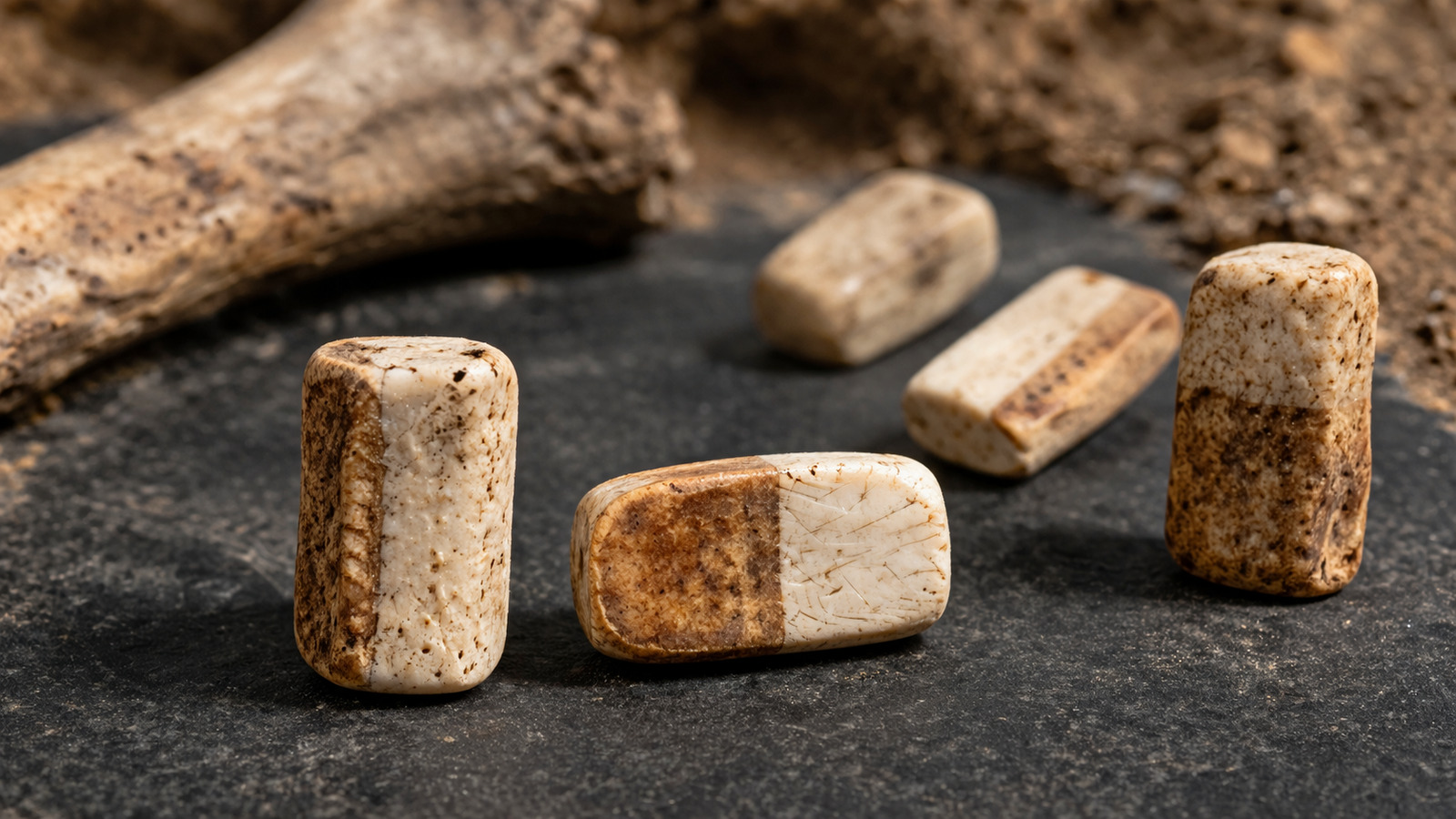
They seemed like common bones, but scientists were surprised to find a relic over 12,000 years old that dates back to before the Bronze Age.
-
With an almost perfect ring of 70 km visible from space, known as the “Eye of Quebec” and over 100 km in length, the Manicouagan Crater in Canada reveals the colossal mark left by a giant asteroid and has become one of the most impressive formations ever identified on the Earth’s surface.

-
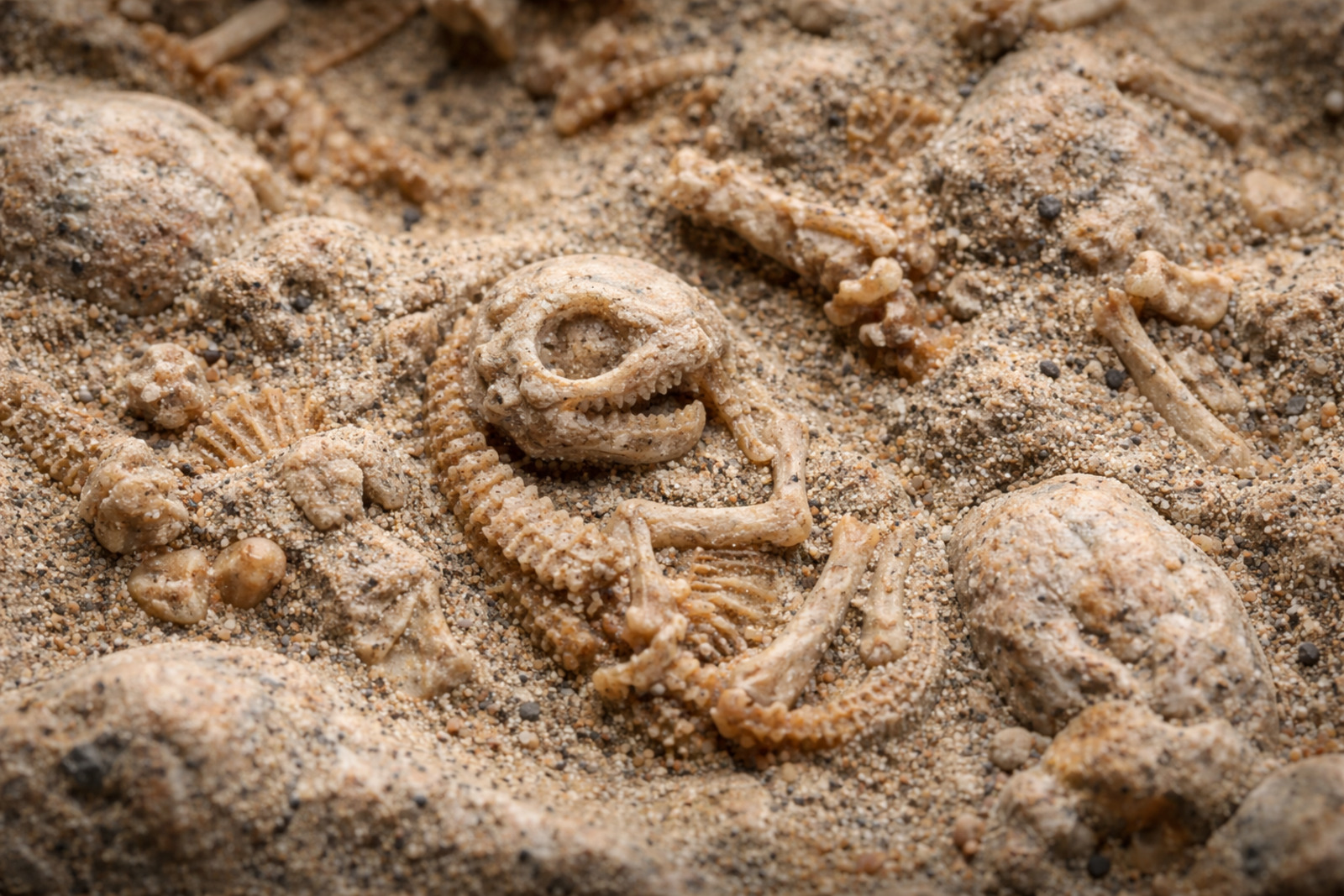
Scientists have found in China dinosaur embryos dating back 190 million years in various stages of development, and the discovery still preserves traces of extremely rare proteins in the bones, something that could change what is known about life before hatching.
-
The CEO of Honor in Spain says that smartphones will change with AI, foldables, and even robot phones; the component crisis is making cheap models more expensive in 2026 and shifting the focus to premium.

The Team Led by Nima Rahbar at Worcester Polytechnic Institute Designed ESM to Replace Traditional Materials. It Can Be Effectively Used in Common Applications Such as Wall Bricks and Slabs.
Conventional Concrete Takes About 28 Days to Fully Cure in Its Final Form. In Contrast, ESM Can Be Molded and Finished into Solid Structures in Just a Few Hours.
Rahbar States that the Team Developed a Practical and Scalable Alternative for the Industry. The Material Not Only Reduces Existing Emissions but Also Actively Captures Carbon During Its Production Process.
Technical Specifications and Structural Performance
ESM Exhibits an Average Compressive Strength of 25.8 MPa in Conducted Tests. This Value Easily Exceeds the Minimum Requirements Established for Structural Concrete Used in Modern Construction.
Traditional Concrete Production Emits Approximately 330 kg of Carbon per Cubic Meter Manufactured. The New Enzymatic Material Reverses This Logic and Sequesters 6.1 kg of Carbon in the Same Volume Produced.
The Material Remains Stable and Durable Even When Exposed Directly to Water for Extended Periods. This Characteristic Makes It a Viable and Long-Lasting Alternative for Real and Demanding Infrastructures.
Conventional Concrete Requires Intense Heat and Burning of Fossil Fuels in Gigantic Ovens. ESM is Created Under Mild Conditions, Significantly Reducing Energy and Labor Costs.
The Chemical Process of the Biological Enzyme
The Central Ingredient of ESM Is Carbonic Anhydrase, an Enzyme Found in Human Red Blood Cells. In the Body, It Assists in Exhaling Carbon Dioxide and in Converting Water.
This Enzyme Accelerates the Reaction Between Water and Carbon Dioxide in a Laboratory Environment. The Process Quickly Generates Carbonic Acid That Triggers the Formation of Solid Calcite Crystals.
These Crystals Act as a Natural Mineral Adhesive in the Structural Matrix of Sand and Carbon. The Result Is the Creation of a Durable Material Similar to Stone Found in Nature.
The Method Mimics the Biological Way Nature Constructs Shells and Reefs in the Ocean. The Process Effectively Traps Greenhouse Gases Within a Solid Building Block.
Environmental Impact and Future Perspectives
Concrete Is the Most Widely Used Artificial Material on Earth Today by the Construction Industry. Its Global Production Is Responsible for a Significant 8% of Total CO2 Emissions Registered on the Planet.
The Global Cement Industry Would Rank Third in Emissions if It Were a Nation, Coming Right Behind Only the Two Largest Economies in the World, the U.S. and China.
Researchers Are Aiming to Scale Up Production and Improve Strength for Large Skyscrapers. The Path to Commercialization in Local Hardware Stores Is Still Considered Long by the Team.
Future Work Will Focus on Improving Mechanical Properties and Environmental Efficiency of the Product. Continuous Development May Enable Strengthened Structural Applications While Keeping CO2 Emissions Always Reduced.
The Complete Results of the Study on Enzymatic Structural Material Were Published in the Journal Matter. The Article Details the Mechanical Properties, Large-Scale Production, and Durability of the Material.






-

-

-

-

-

-

18 pessoas reagiram a isso.