





 English
  Francês
  Alemão
  Italiano
  Japonês
  Norueguês
  Portuguese
  Spanish
  3 min of reading



Scientists From Seoul And Northwestern Universities Have Developed An Electrothermal Material With The Highest Efficiency Ever Found. Research On The Material That Converts Heat Into Electricity Has Been Going On Since 2014 And Will Now Revolutionize Mainly Thermal Power Plants
A new electrothermal material, developed by scientists from the National University of Seoul and Northwestern University, is capable of outperforming any other in converting heat into electricity. The article about the material discovery, which promises to revolutionize the market for power plants, was published earlier this month.
Read Other Related News
Electrothermal Material
The discovery of the crystalline form of tin selenide occurred in 2014; however, the crystal form was not useful for scientists, as it was too fragile and tended to chip. Thus, to achieve the high rate of heat conversion into electricity, scientists experimented with its polycrystalline form, which is more durable and can be easily shaped for applications.
However, during this process, they encountered high thermal conductivity, which is not recommended in an electrothermal device. The problem faced by scientists with the material that could revolutionize the power plant market was oxidation, which occurred during the process and with the starting materials, reducing the performance of the electrothermal material.
-
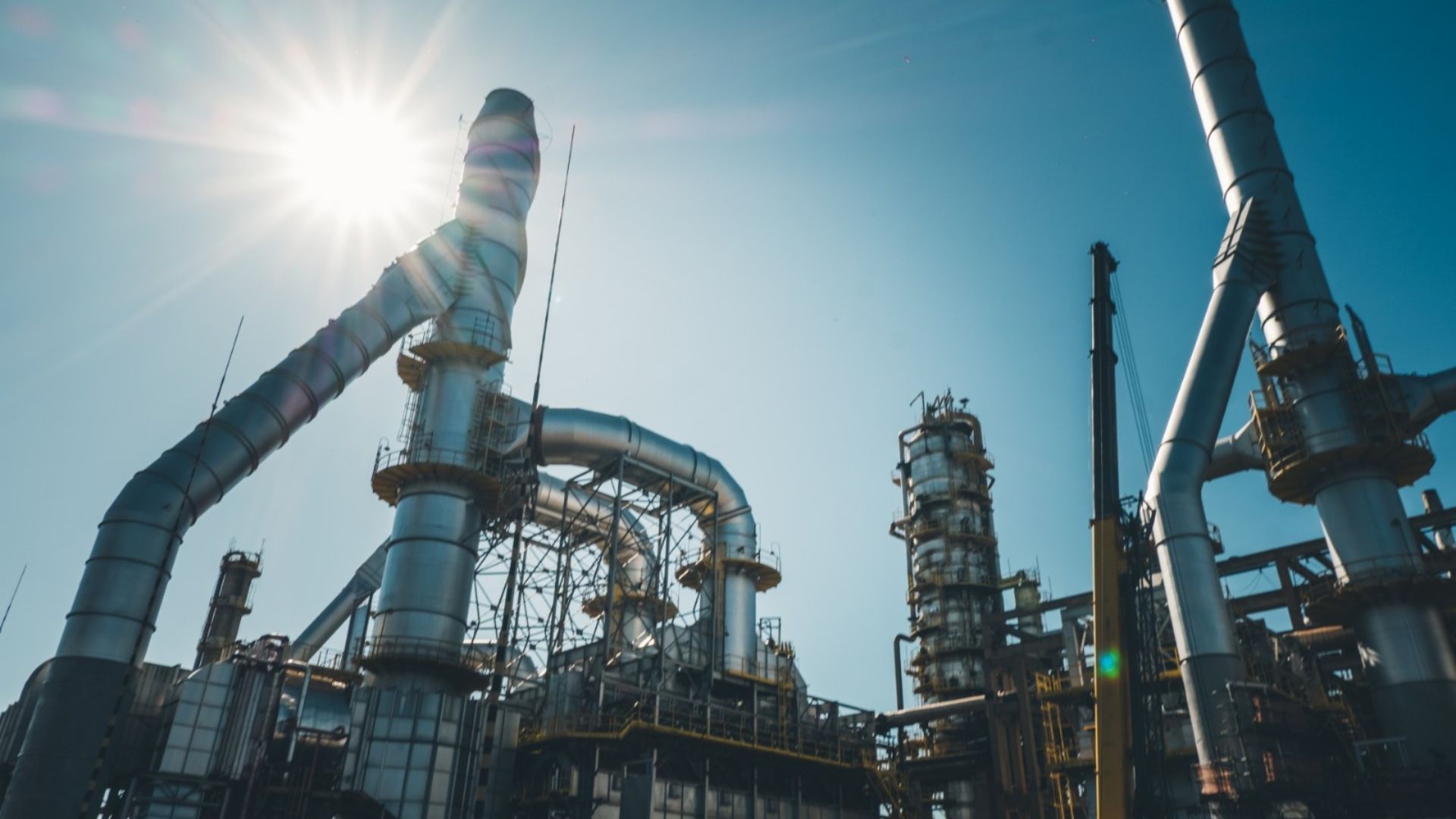
Petrobras Expands Refining in Brazil, Increases Production of Diesel S-10 and Gasoline, Enhances Operational Efficiency, and Reduces Import Dependence Between 2023 and 2025
-
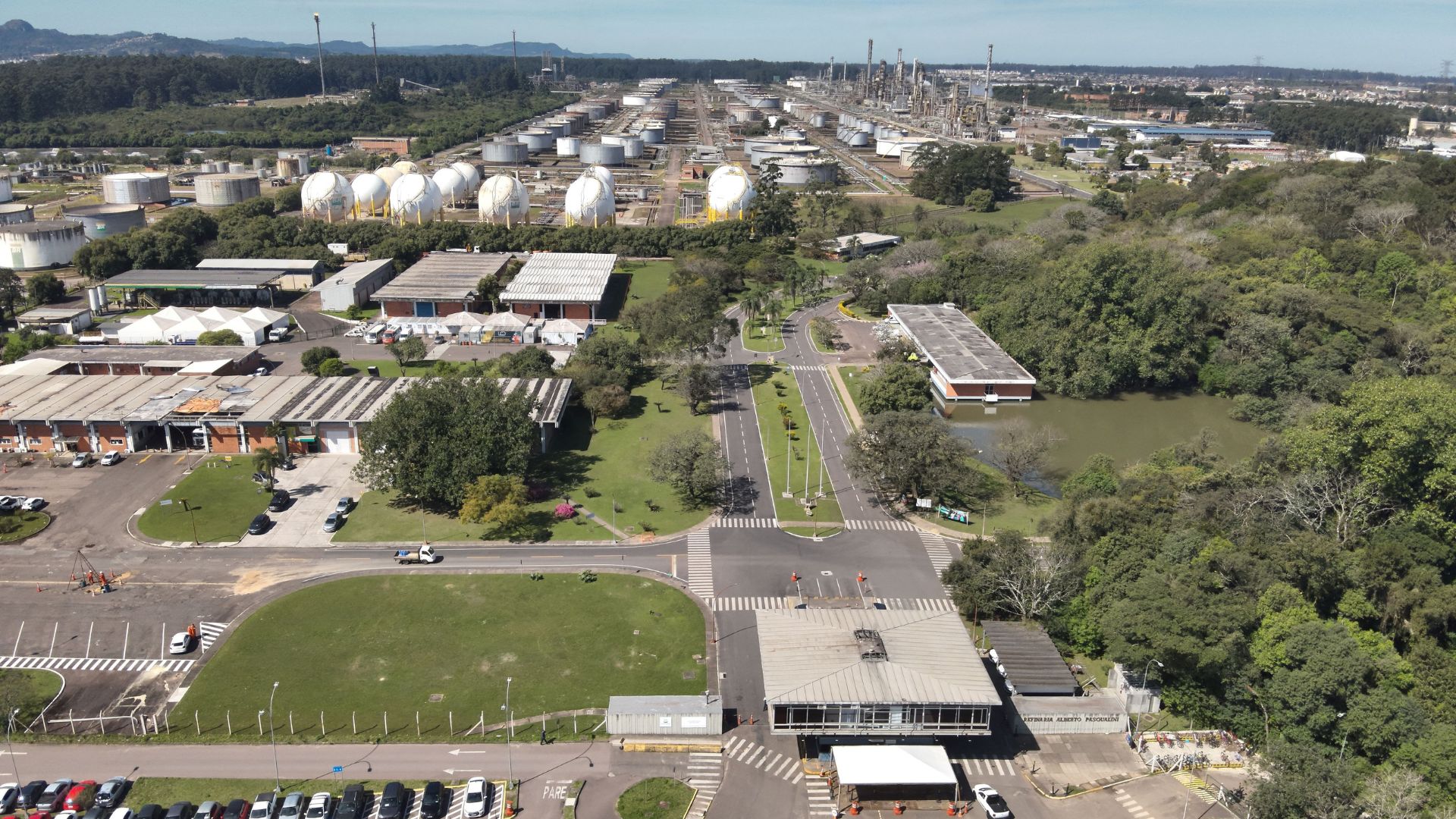
Petrobras’ Refap Sets Historic Records for Gasoline and S-10 Diesel Production in Canoas in Q4 2025, Surpassing Previous Figures
-
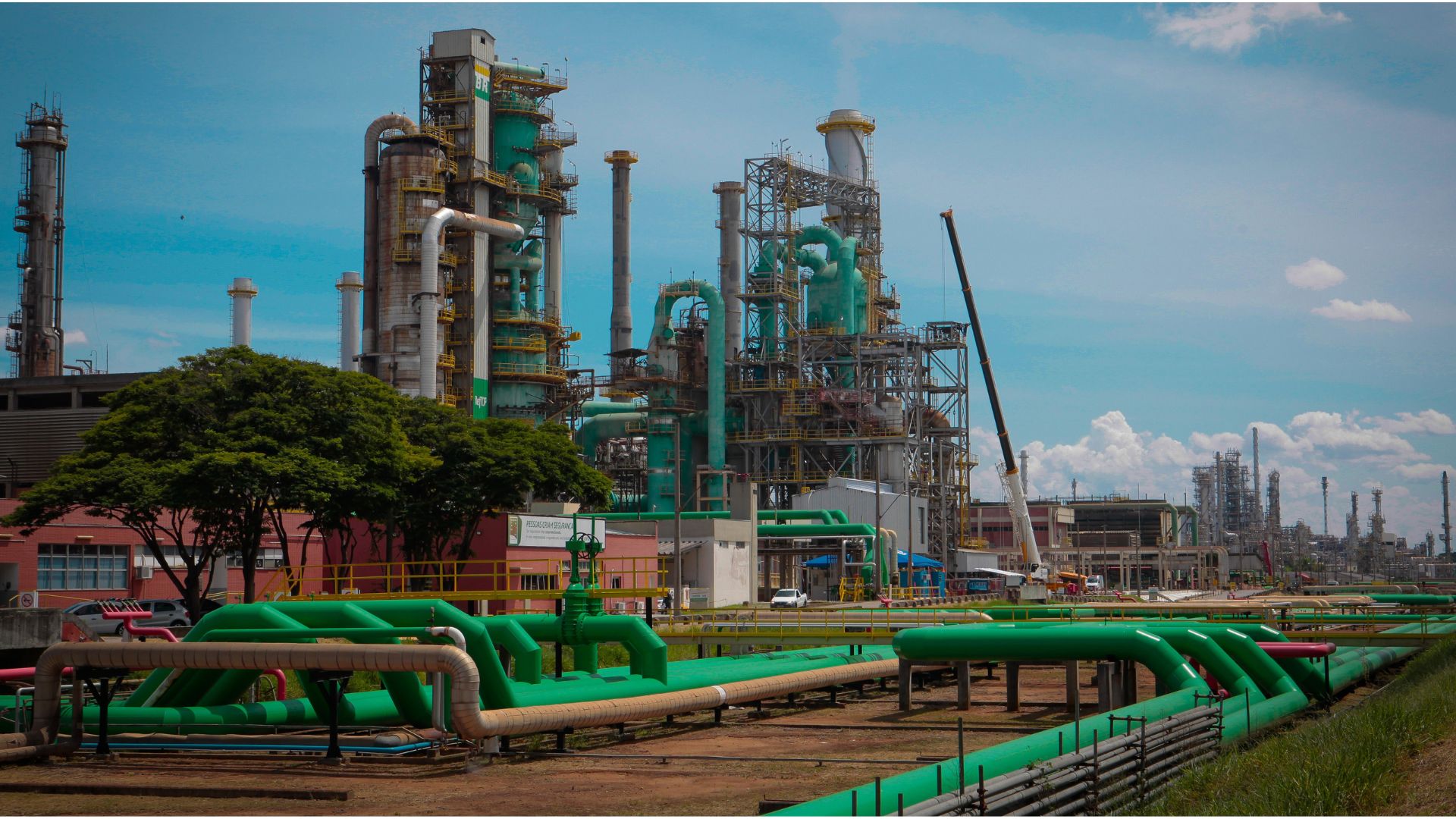
Revap Starts Operation of Modernized HDT and Petrobras Expands S-10 Diesel Production by 80% at the Refinery, Boosting Supply of Less Polluting Fuel in Brazil
-
Thermal Power Plant in Rio Grande do Sul Is Key to Attracting GWM


After removing the oxygen, the team achieved oxygen-free tin selenide pellets, resulting in the most efficient electrothermal material for converting heat into electricity recorded to date.
The Promising Material And Its High Performance
The material developed by scientists, in its polycrystalline form, has outstanding performance in various applications such as the development and construction of high-performance devices, capturing industrial waste heat to be converted into electricity, among others.
Capturing heat for conversion into electricity is a great solution for use instead of thermal power plants, heavy manufacturing industries, automotive industries, and also in other factories. It is a crucial step for innovation that will impact and revolutionize the industrial sector, considering that 65% of energy produced from fossil fuels is lost as waste heat.
NASA Already Uses The Electrothermal Material
Currently, tin selenide polycrystals are already being used in the Perseverance rover of the U.S. space agency (NASA). However, in the case of the rover, the heat source used on Mars is the radioactive decay of plutonium, where the efficiency of heat conversion into electricity is between 4% and 5%. On Earth, the efficiency achieved by the material is likely to be even higher if used in thermoelectric devices, capable of generating abundant energy savings.
The application of the new material in energy generation is expected to be included in the coming years, when the development of a material with higher performance and a more accessible price occurs.
According to a chemist specializing in the design of new materials at Northwestern University, Mercouri Kanatzidis, scientists are focusing on creating a cheap material that delivers high performance, driving thermoelectric devices for widespread application.








Seja o primeiro a reagir!