Portuguese
  Spanish


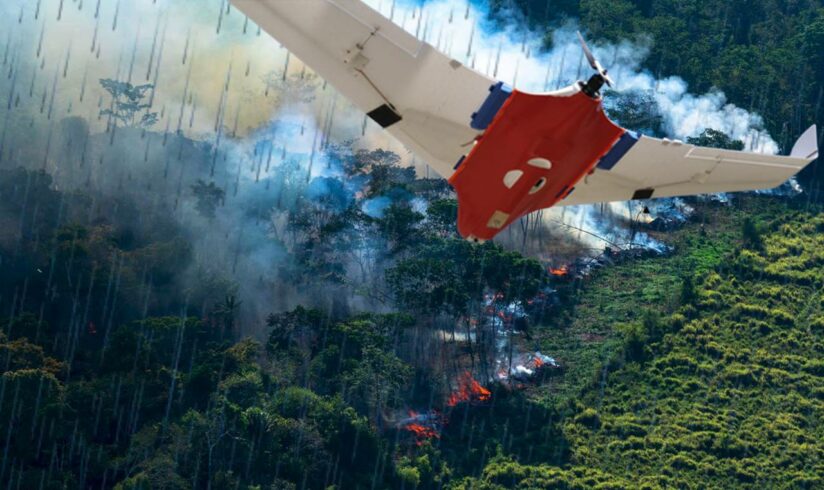

Drones Gained Spotlight Last Week Around The World. But Could This Technology Be Used To Combat Wildfires In The Amazon, Severe Droughts And Fill The Reservoirs Of Hydroelectric Plants?
The tests cost US$ 1.5 million through the United Arab Emirates Research Program for Rain Enhancement Science. The studies on drones that make it rain have been developed since 2017. In the summer, the heat reaches nearly fifty degrees. Then, at least four of these flying devices were launched in the capital Dubai towards the clouds to discharge electricity and thus cause rainfall.
Other News That May Be Interesting To You
The action of rain-making drones is not limited to reducing heat. There are many possibilities that can meet the demands of countries with their peculiarities.
Here in Brazil, it would be possible to achieve positive results regarding wildfires in the North and Midwest regions and drought, especially in the Northeast, which is naturally the most affected region, and in the Southeast, where hydroelectric plants are below average, causing rising electricity prices.
-
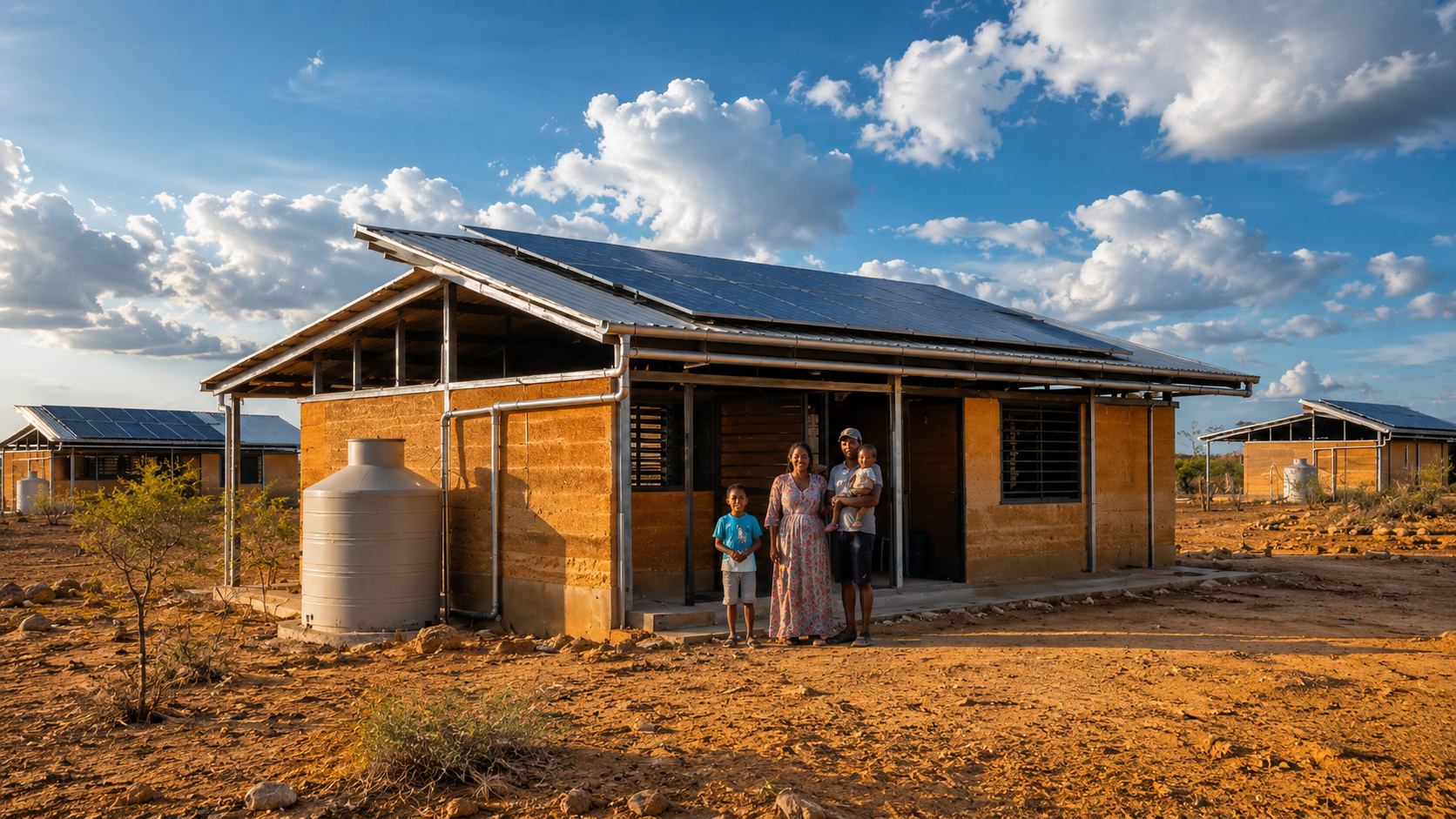
In Colombia’s desert, 30 families receive 80 m² homes with solar panels, waterless toilets, and rainwater collection systems amid water and energy shortages.

-
Engie Secures 10-Year Use of 625 MWh in Batteries to Store Excess Solar and Wind Energy in Spain by 2028
-
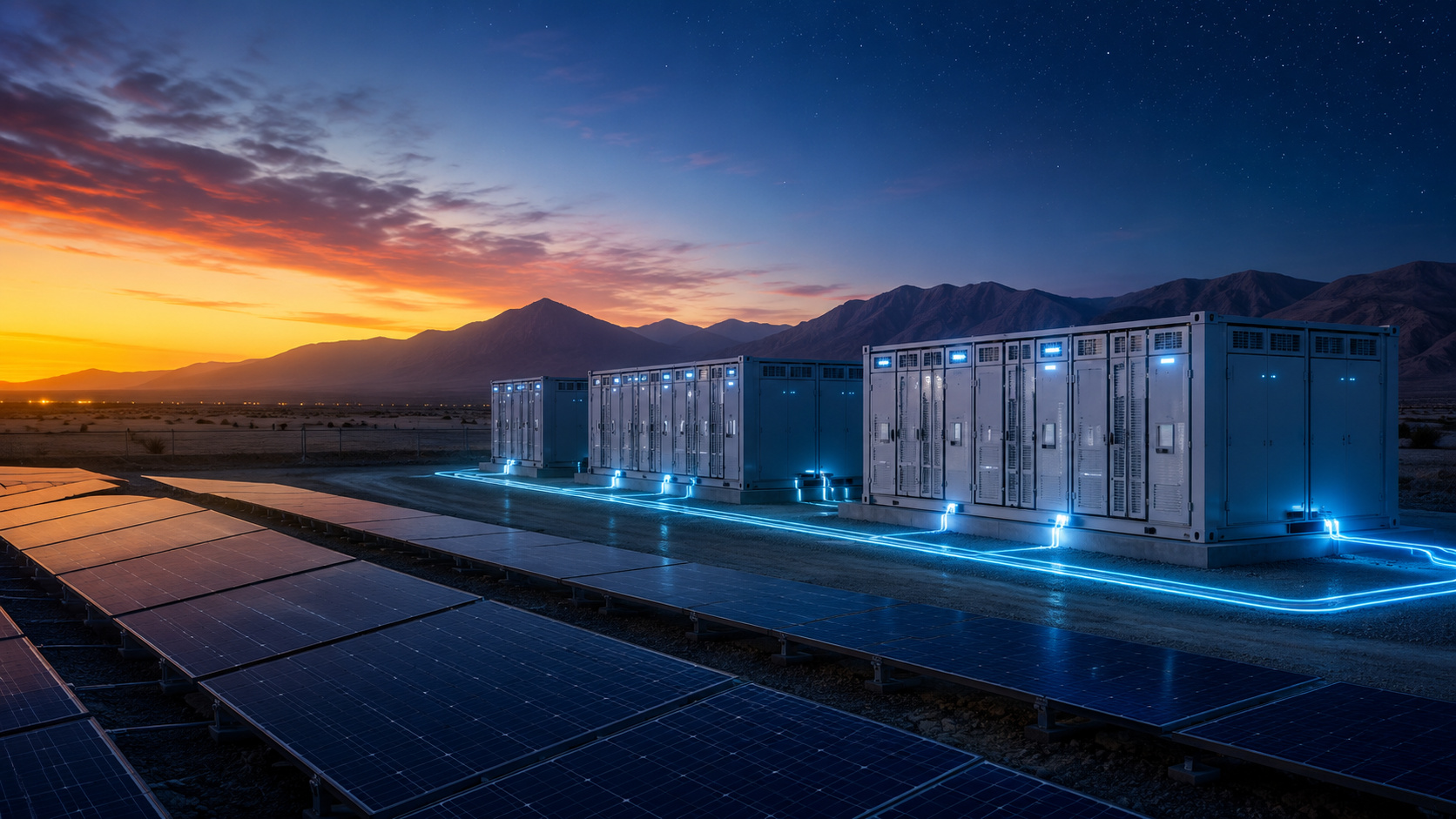
Giant Batteries Take Center Stage in Chile Auction as Company Offers 960 GWh of Solar Energy for Nighttime Use, Aiming to Stabilize Solar Power Supply
-
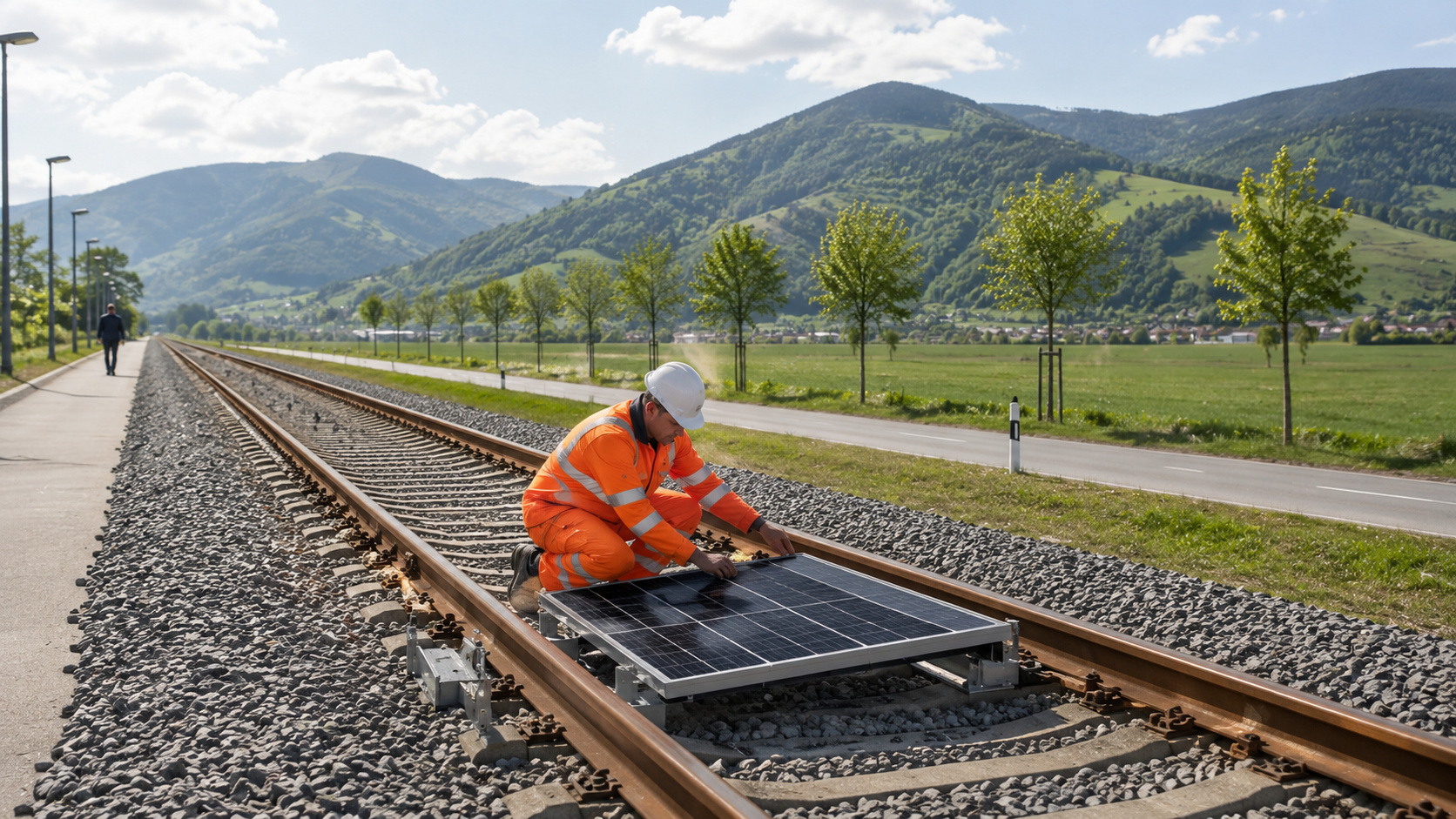
After a Year of Success in Switzerland, Solar Railway Attracts Italy’s Interest for Clean Energy Transformation

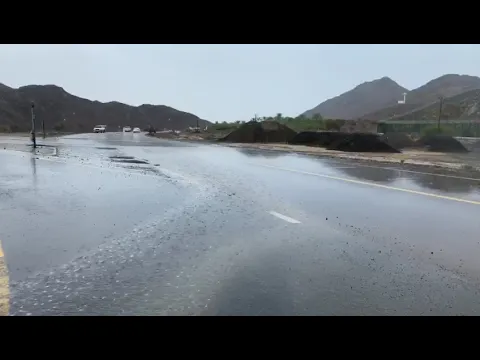

Rain-Making Drones In The Fight Against Wildfires In Brazil
The month of June had the highest number of heat spots recorded in the Amazon in the last fifteen years, according to the National Institute for Space Research (Inpe), released by Greenpeace Brazil. A total of 2,308 wildfires were identified. This is a new record: an increase of 2.6% compared to the same period in 2020.
Greenpeace Brazil links wildfires to deforestation and climate change. The organization emphasizes that the burning of forests and other vegetation is the main source of greenhouse gas emissions in Brazil. All of this further heats the planet.
With so much deforestation and wildfire hotspots in our forest – some cases in remote, hard-to-reach areas – the need for rain is even greater. However, Brazil is experiencing the worst drought in the last 90 years.
The rain-making drones are launched from a catapult and can fly for about 40 minutes. The sensors on the flying equipment measure temperature, humidity, and electrical charge within a cloud. This would determine when and where the shocks should be discharged to increase precipitation.
How Rain-Making Drones Could Help Reduce Electricity Prices
As mentioned above, Brazil is going through the worst water crisis in the last ninety years. This affects the supply of hydroelectric plants, which account for at least 64% of the Brazilian electric matrix. But what is the entire supply process? Understand.
The winds that often bring rain clouds to the Southeast and Midwest originate in the equatorial region of the Atlantic Ocean. When they reach the Amazon, the humidity precipitates as rain that hydrates the soil and is absorbed by the roots of large trees.
The trees drain the moisture and return it to the air. This cycle of humidity and rain is carried by the winds. But with fewer trees in this process, the amount of rain decreases.
With less rainfall, reservoirs do not reach the desired average for the supply of electricity. The only option then is to activate thermoelectric plants, which incur additional costs for operation, often relying on fossil fuels. This is where the costs begin to rise.
The activation of thermoelectric plants incurs costs that are passed on to consumers through Tariff Flags. Currently, the National Electric Energy Agency (Aneel) has established the level 2 of the Red Flag. This translates to R$ 9.49 for every 100 kWh, putting pressure on consumers.
If the technology of rain-making drones reaches Brazil, these devices could be launched strategically aimed at supplying hydroelectric plants. Would that be a distant dream?