





 Portuguese
  English
  Spanish
  3 min of reading


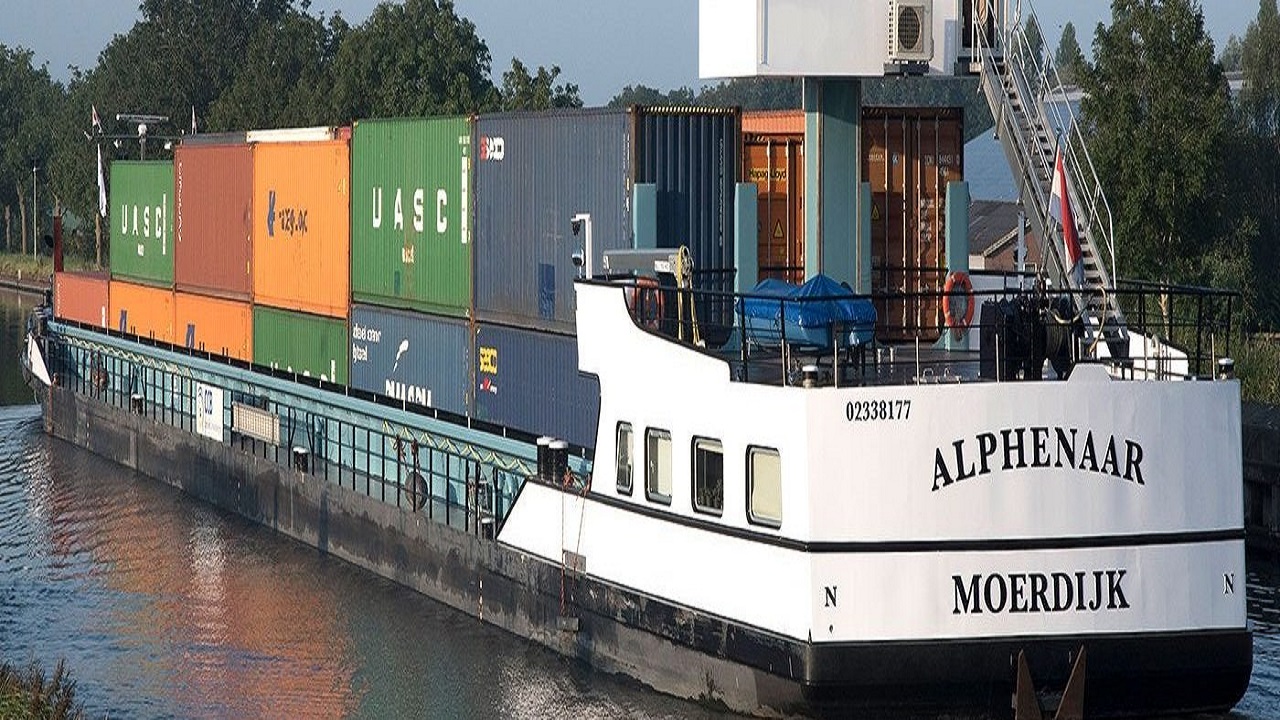
Aiming for Sustainability, Heineken Will Now Use an Electric Ship to Deliver Its Beers Without Carbon Emissions. The Ship Is Called Alphenear and Uses Its Containers as a Battery
The electric ship, named Alphenear, utilizes innovative technology with containers and lithium-ion batteries to deliver its cargo without carbon emissions. In the same pursuit of sustainability, the first customer will be Heineken, which aims to be a zero carbon emissions company by 2040. This way, the company will deliver its beers without any pollution, contributing to sustainability.
Read Also
Electric Ship Innovates in Emissions-Free Deliveries
The ship uses standard-sized 6-meter containers with a total battery capacity of 2 MWh, equivalent to 36 cars. The biggest innovation of the electric ship is that containers can be swapped at a port station, with the same ease and speed as beer containers.
The manufacturer, Zero Emission Services, plans to develop a river fleet with eight ships, 14 battery containers, and eight charging stations. The company aims to operate about 30 different routes with its vehicles eventually.
-
With 74% of companies facing difficulties in hiring, technicians and engineers in renewable energy are becoming scarce in Brazil and are essential to support the expansion of solar, wind, and green hydrogen projects.

-
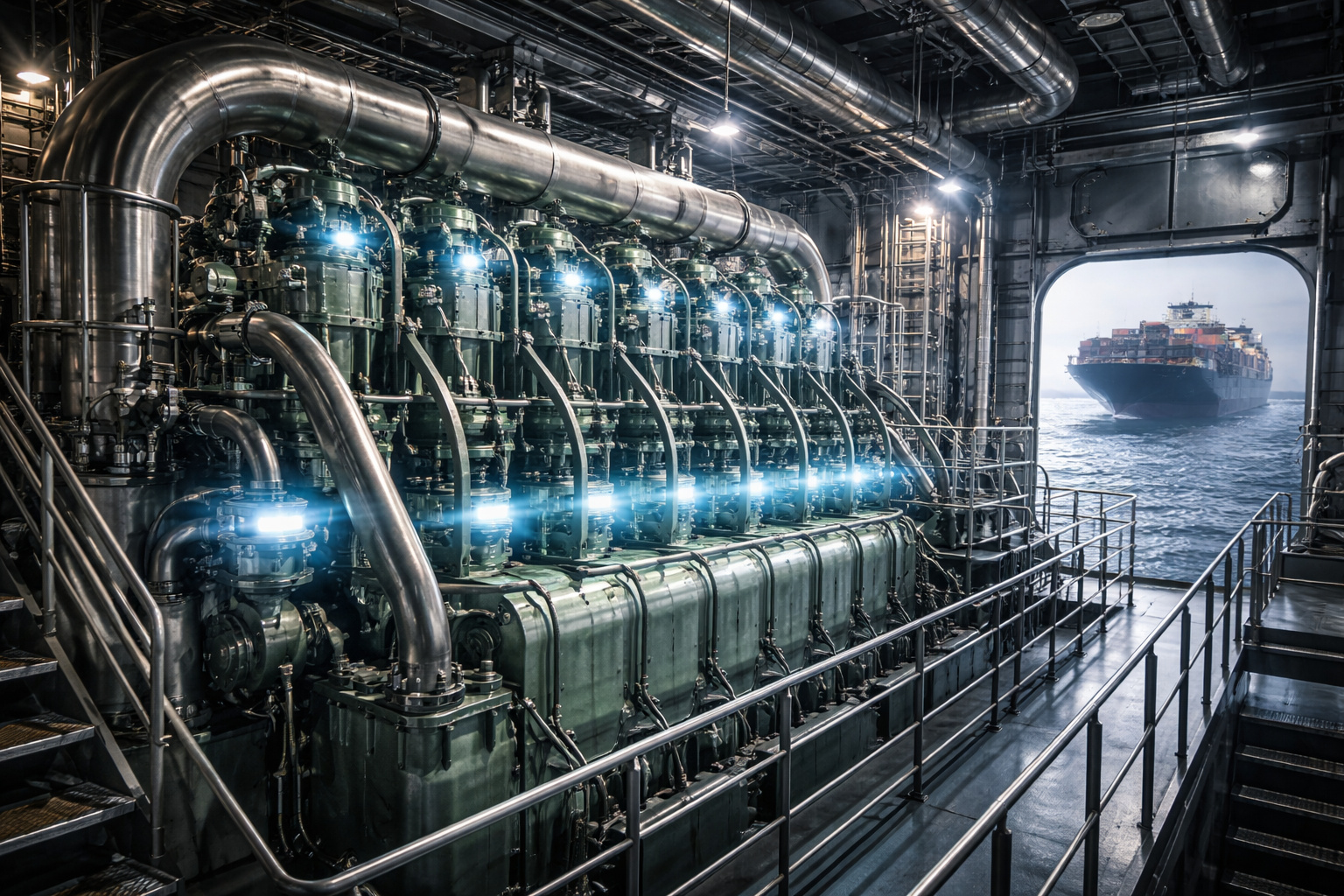
Europe is trying to create an ammonia-powered marine engine without auxiliary fuel, which could unlock the race for giant emission-free ships. The technology aims to eliminate one of the biggest obstacles to clean maritime propulsion.
-
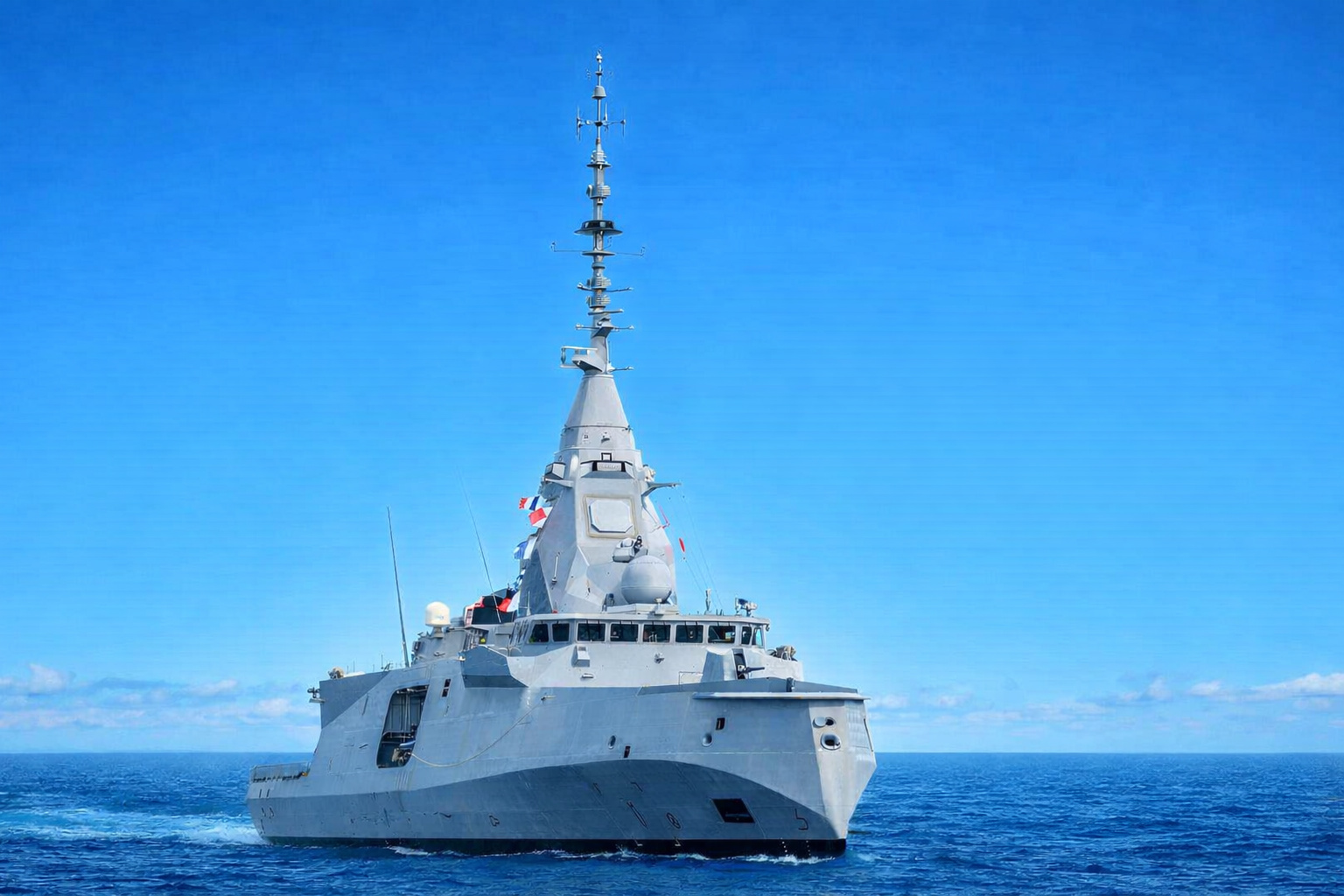
A 4,500-ton frigate with just over 100 crew members, state-of-the-art radar, and cruise missiles is being touted as the new standard of naval warfare in the 21st century.
-
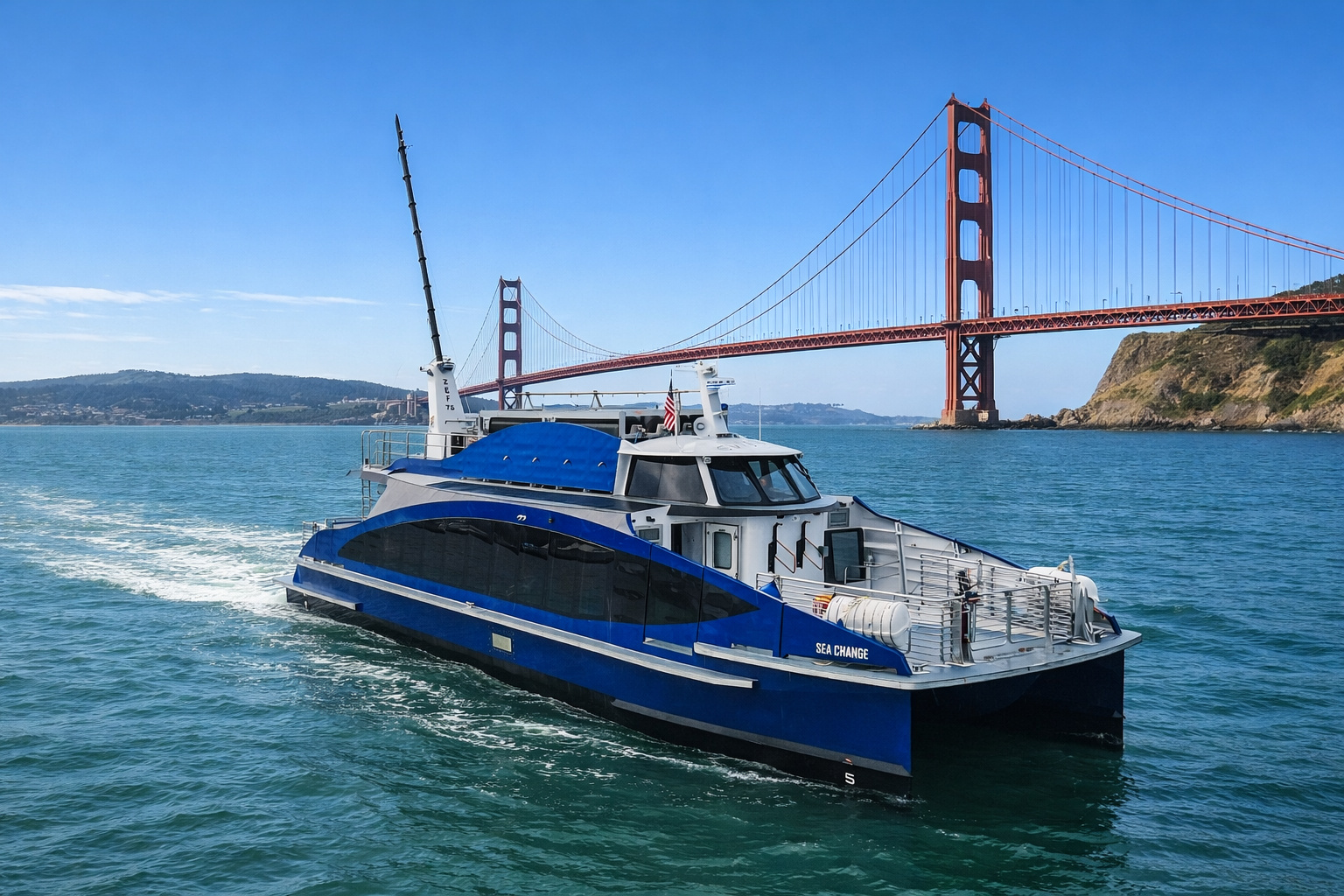
The first commercial hydrogen-powered ferry enters operation in the U.S., eliminates the use of diesel, uses fuel cells to generate clean energy on board, and transforms San Francisco Bay into a landmark of the new era of emission-free navigation.

At the moment, there is only one route, which is used to transport Heineken beers, and the batteries will be swapped at the Alphen aan den Rijn river port, with only two of them: one for going and another for returning.
A Reduction of 360,000 Tons in Carbon Emissions with Heineken’s Electric Ship
The Netherlands has the largest port in Europe, located in Rotterdam, which is not only connected by rivers to the entire country but also to France, Switzerland, and Germany. For national production to be distributed, it has the largest river fleet on the planet through an intricate system of rivers, estuaries, and canals that covers the entire country.
Therefore, ZES estimates that about 5% of the country’s carbon emissions come from river ships. The complete fleet of electric ships from ZES is projected to save about 360,000 tons of CO2 emitted into the atmosphere annually.
Worldwide, ships represent about 3% of greenhouse gas emissions. However, as this is a growing sector and is still entirely dirty, using the worst quality fossil fuels, this number could be much higher by 2050, reaching 10%.
Heineken Aims to Become a Green Brand Like Its Bottles
In addition to using the Alphenear electric ship to transport its beers, Heineken is also seeking various ways to become increasingly green. Last week, the market leader in beer closed a partnership with Omega Energy for the installation of clean energy generation assets in the Northeast, which will provide enough energy to meet 100% of the consumption of 9 distribution centers and 13 breweries in Brazil.
The contract between Heineken and Omega Energy provides for a reduction of 270,000 tons of carbon dioxide emissions in the atmosphere, and also includes the supply of renewable energy for a period of 10 years. The contract will aid the Heineken Group in achieving its mission of being fully clean by 2040.








Seja o primeiro a reagir!