





 Portuguese
  English
  Spanish
  4 min of reading
  0 comments


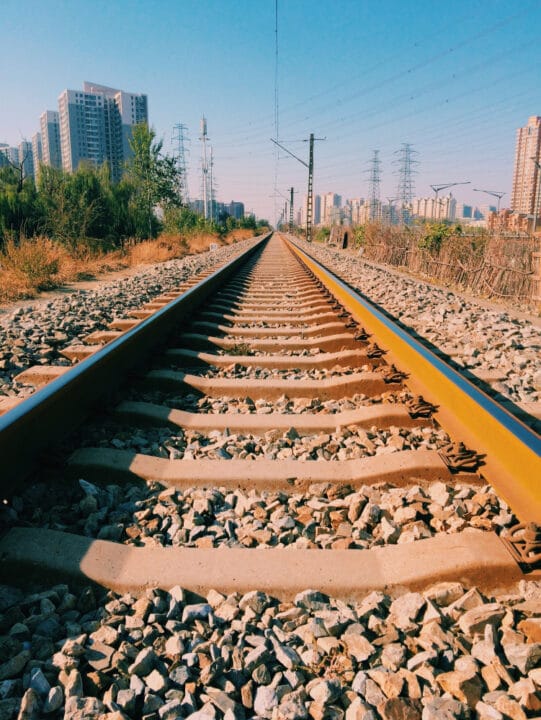
Exploring the Railroad Renaissance of Brazil: Learn More About the New PAC and Its Vision for Transformation and National Development.
Brazil, known for its vast territorial extension and logistical challenges, sees in rail transportation an opportunity for transformation and development. With the launch of the New PAC, a comprehensive infrastructure investment program, the Brazilian government is directing significant resources to revitalize the railway sector and accelerate its recovery in the country.
This initiative represents an important milestone in the history of Brazilian rail transportation, promising to boost the economy, generate jobs, and promote regional development.


In this article, we will explore the details of the New PAC and its impact on the national railway landscape, highlighting key projects and prospects for the future of cargo and passenger transport in Brazil.
-
American Airlines starts selling trips as if they were flights, with check-in and baggage check at the airport, but on short routes, passengers board luxury buses connecting cities to major hubs in the U.S.
-
São Paulo surprises the world with a colossal railway network project that promises over 1,000 km of tracks, R$ 194 billion in investments, and 40 projects connecting the capital to the interior with fast and sustainable trains.
-
The world’s largest escalator, measuring 905 meters in China, reduces urban travel time from 1 hour to about 20 minutes and transforms mobility in mountainous regions with an engineering solution adapted to the terrain.
-
A R$ 300 million logistics giant is taking shape in Serra with over 100,000 m² and raises a question: how can this transform e-commerce and distribution in the state?

How Rail Transportation Regained Its Prominence
Rail transportation, recognized for its sustainability, efficiency, and safety, has stood out as a fundamental means to drive Brazil’s socioeconomic development.
After decades of neglect, the sector began to regain its prominence in 2023, with specific incentive and reconstruction policies led by the Ministry of Transport.
With the implementation of the New PAC, railway projects were prioritized by the Federal Government, with an estimated investment of R$94.2 billion by 2026, according to news published by the Civil House. This measure aims to encourage the expansion of the modal in the country, recognizing its strategic importance for the national economy.
“The task is not simple, as Brazil has continental dimensions, but it is extremely necessary. Therefore, we are discussing new models and intend to more than quadruple the resources applied to railways in Brazil in the coming years”, emphasized the Minister of Transport, Renan Filho.
The first year of management was marked by significant advances in the railway sector, including:
- Creation of the National Railway Transportation Secretariat: Aimed at attracting private investments and boosting the industry and operation of the sector, this measure demonstrates the government’s commitment to promoting sustainable railway transportation development.
- Resumption of Structural Works: Projects such as the West-East Integration Railway (Fiol) and the completion of the North-South Railway (FNS) have been resumed, signaling a new push for the country’s railway infrastructure.
- Investments in the Transnordestina: With an investment of R$ 175 million, the works of the Transnordestina have been boosted, helping to strengthen regional integration and economic development in Northeast Brazil.
- Growth in Railway Movement: The country recorded a 4.2% growth in railway movement last year, highlighting the increasing importance of this modal for the transport of cargo and passengers.
- Structuring of the National Railway Plan: A fundamental guideline for the sector’s growth, the National Railway Plan is in the process of being structured and is set to be launched soon, outlining the priorities and necessary investments for the development of the country’s railway infrastructure.
- Studies for Concessions: Various studies are underway for concessions of important railway segments, aimed at attracting private investments and promoting modernization and expansion of the Brazilian railway network.
- Public Consultation on Railway Passenger Transport Policy: In search of improvements and advancements, the government conducted a public consultation on the railway passenger transport policy, aiming to enhance the services offered and meet the population’s needs.
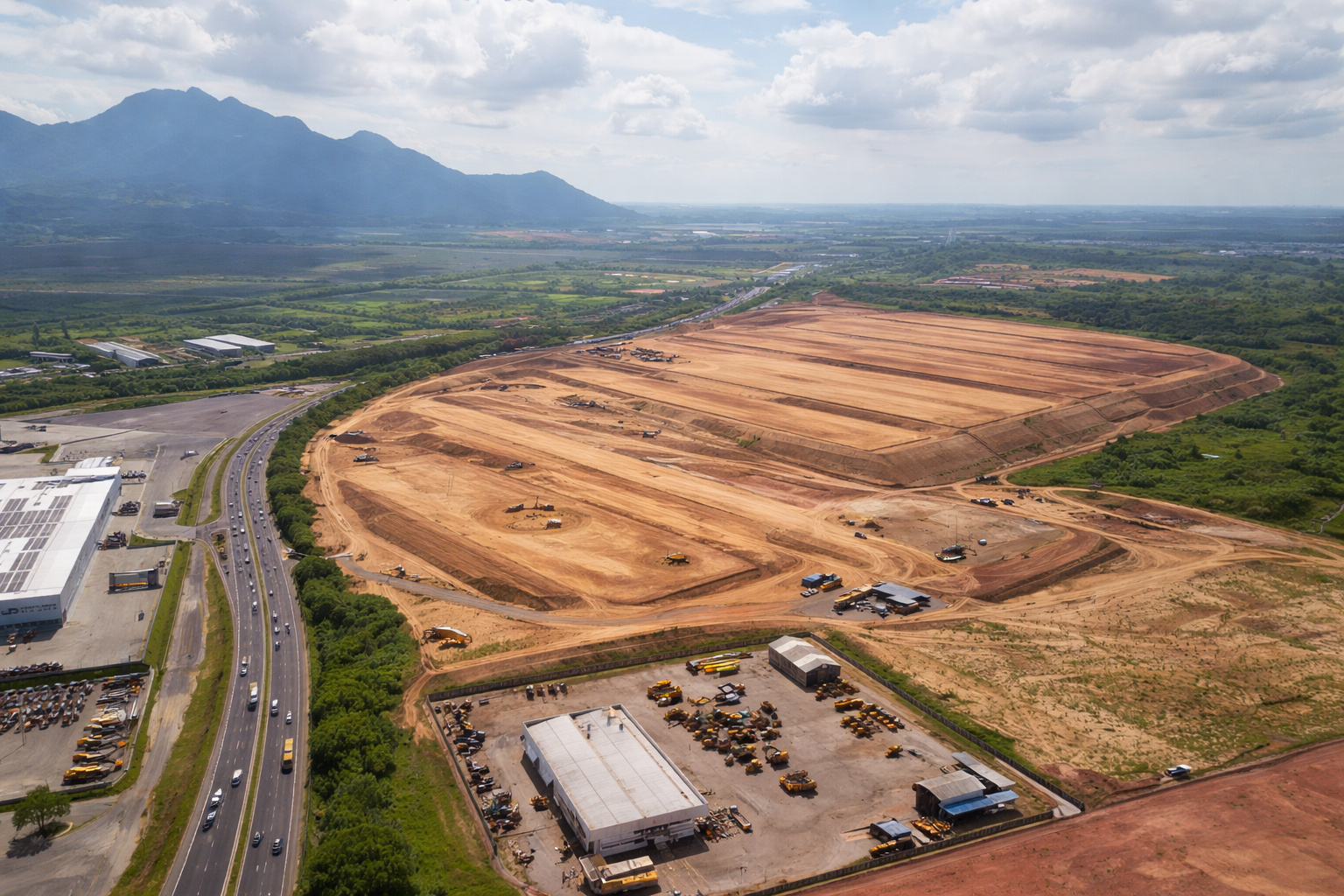
As a result of these efforts, we see the resumption of projects that were stalled, such as the West-East Integration Railway (Fiol), announced as the first project to be part of the New PAC. With an investment of R$ 1.5 billion in the 127 kilometers of section 1F of lot 1, the works are proceeding at an accelerated pace, promising to establish a vital corridor for the export of minerals from southern Bahia and grains from western Bahia. Lot 2, between Barreiras (BA) and Caetité (BA), with an extension of 485 kilometers, has already completed 65% of the planned works.
The Railway Industry and Its Impact on Employment and Income
The potential of the railway industry is reflected in significant numbers: currently, the sector employs around 66 thousand workers, according to data from the Brazilian Association of the Railway Industry (Abifer). One of those workers is Álvaro Aguiar, 30 years old, who joined the Fiol construction site in 2013, through Infra S.A., a public company linked to the Ministry of Transport. Initially hired as a general services assistant, he was captivated by the complexity and importance of the project, deciding to pursue a degree in civil engineering.
Now graduated, he is part of the technical team responsible for supervising the work.
Therefore, the railway sector in Brazil is undergoing a phase of renewal and growth, driven by the government’s commitment to sustainable development and modernization of the country’s transportation infrastructure. With the New PAC and a series of strategic initiatives, rail transportation is becoming a key component for Brazil’s economic and social progress.









Seja o primeiro a reagir!