





 Portuguese
  English
  Spanish
  3 min of reading
  4 comments


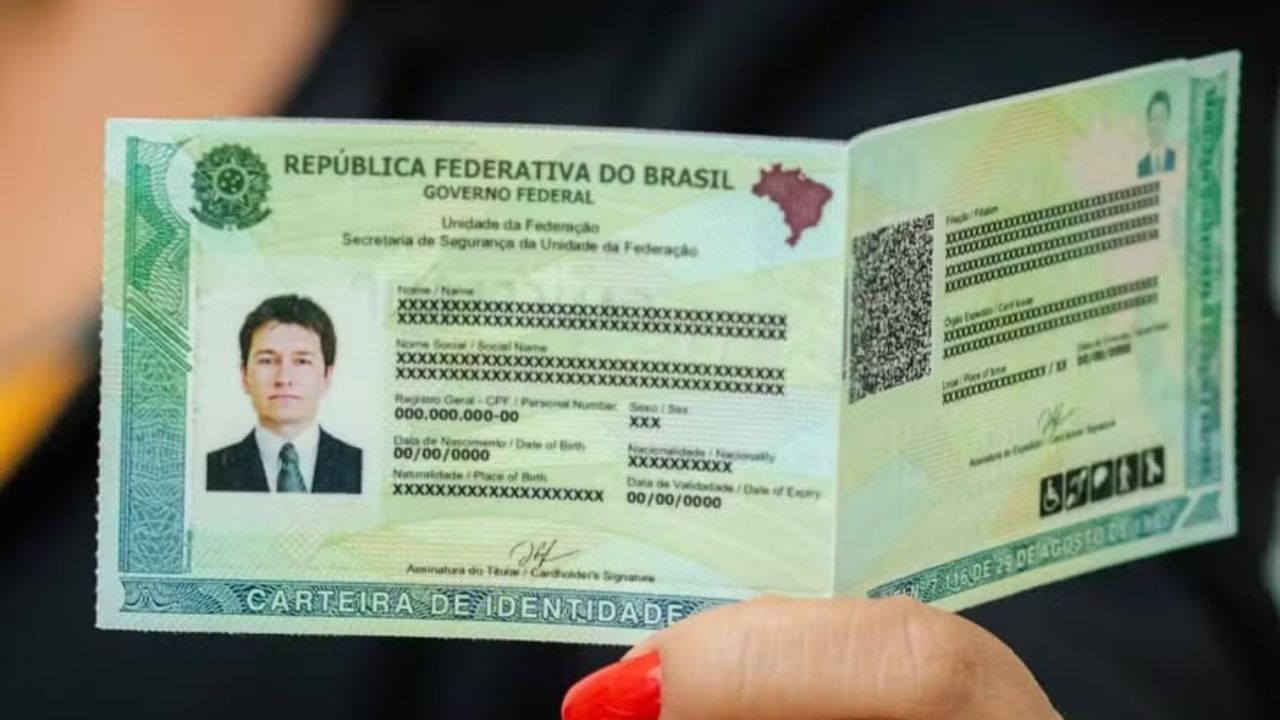


Discover How Much It Costs to Get the New ID, Who Doesn’t Pay for the First Issuance, and Where to Obtain the New National Identity Document in Brazil.
The new national identity card (known as the New ID) is now available throughout Brazil and, for those who will be issuing it for the first time, it is free — in other words, the first issuance of the new identity is free of charge.
What Is It and Why Replace the Old ID?
The New ID replaces the old identity registration and unifies the identification number with the CPF. Thus, instead of having different ID numbers depending on the state, citizens will have a unique national number.
Additionally, the document gains modern features — there are physical and digital versions.
-
The noise law will no longer be in effect at 10 PM starting in June with a new rule valid during the 2026 World Cup.

-
The Chamber opens a debate on driver’s licenses at 16 years old as part of a reform that includes around 270 proposals to change the Brazilian Traffic Code and may redesign rules for licensing, enforcement, and circulation in the country.

-
The new Civil Code could revolutionize marriages in Brazil with “express divorce” and changes that could exclude spouses from inheritance.
-
Banco do Brasil sues famous influencer for million-dollar debt and intensifies debate on delinquency, risks of seizure, and direct impact on Gkay’s credibility.


The physical version comes with a QR Code and a machine-readable zone (MRZ), similar technology to that used in passports.
This allows the New ID to be accepted as a travel document in Mercosur countries (although it does not replace a passport outside the bloc).
The deadline for all Brazilians to replace the old ID with the new identity extends to 2032, according to Decree No. 10.977/2022.
How Much Does It Cost: First Issuance, Second Issuance, and Fees by State
First Issuance: free — any citizen can apply without paying.
Second Issuance (or re-issuance due to loss, theft, or damage): there is a fee, but the amount varies by state.
For example:
- In the state of São Paulo, the fee is R$ 55.53, with the possibility of exemption for people in social vulnerability.
- In Alagoas, starting in February 2025, the second issuance will cost R$ 36.03.
- In Rio Grande do Sul, the fee is R$ 95.03, with exemptions for seniors over 65, victims of theft (with a police report), and people in vulnerability.
It’s worth remembering: the amounts may vary depending on the location. Therefore, it’s important to consult the issuing body of your state at the time of application.
Where and How to Issue the New ID?
To obtain the new identity, it is necessary to make an appointment with the state issuing body — such as Identification Institutes or civil police service centers.
At the time of issuance, the citizen must present only three essential documents:
Birth or marriage certificate (original or notarized copy);
Regularized CPF;
Proof of address (water, electricity, gas, telephone, or internet bill, for example).
After the physical issuance, the digital version of the card is automatically made available through the official gov.br application.
Advantages of the New ID
The New ID brings more practicality and security for citizens. With a unique number (CPF), it reduces the possibility of duplicate registrations and fraud.
With the digital version, it becomes easier to carry the document in everyday life, without relying solely on the physical card.
Additionally, the acceptance of the New ID for travel within Mercosur — thanks to the QR Code and MRZ — offers convenience for those traveling in South America.
Final Deadline and Why Not to Leave it to the Last Minute
Although the deadline to exchange the old ID for the new identity is until 2032, it is advisable to make the exchange as soon as possible.
This helps avoid a backlog of demand, delays, or setbacks in the future.
Experts recommend taking advantage of the free first issuance, especially if the citizen’s ID is already outdated or close to the recommended update deadline.
With information from the website ND+








Gratuito não. Com tanto imposto que já pagamos.
Nasceu, então que o registro de nascimento seja o “RG ” único na vida
Muito bom
Todo mundo é isento a primeira carteira não existe isso de quem tem direito é válido pra todo cidadão brasileiro