





 Portuguese
  English
  Spanish
  3 min of reading
  0 comments


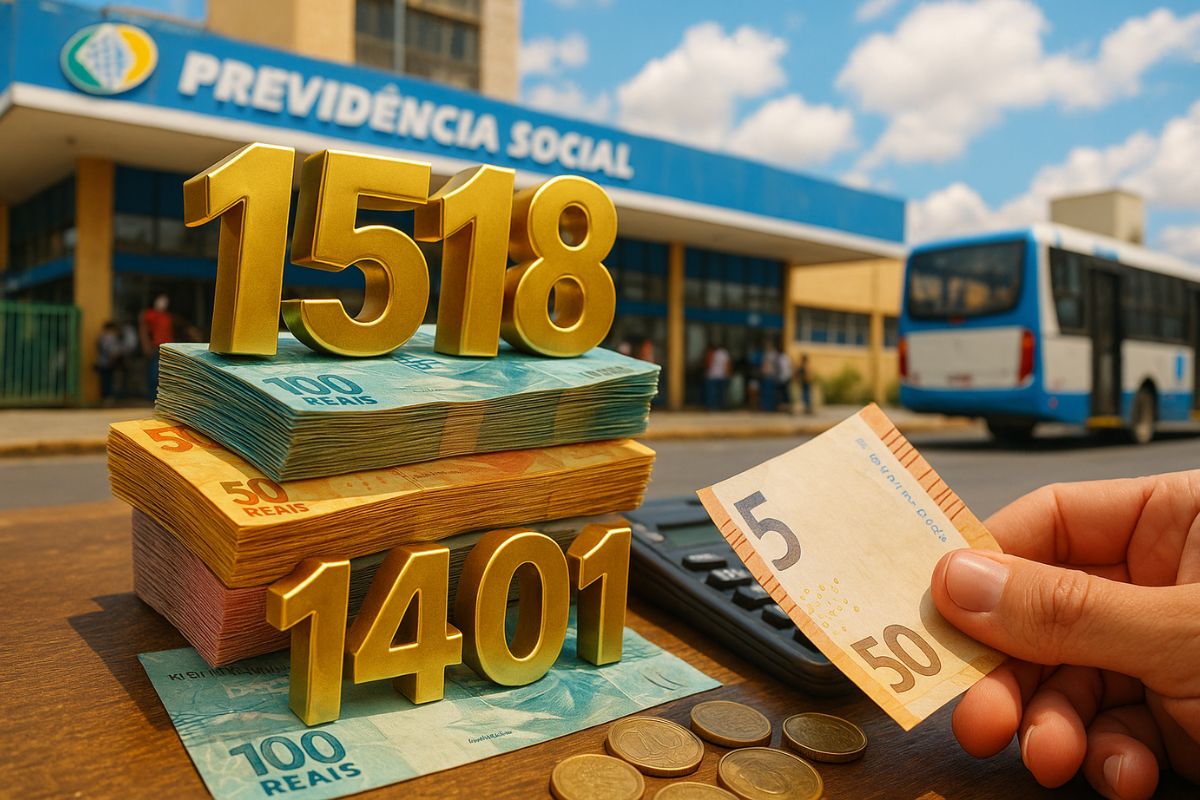
Increase of R$ 106 Benefits Millions, But Fiscal Ceiling Limits Real Gains and Requires Attention to the Budget
The new minimum wage of R$ 1.518 for 2025, sanctioned by the federal government, increased by R$ 106 from the previous amount of R$ 1.412. The adjustment, which follows the formula of Law No. 14.663/23, takes into account the inflation measured by the INPC (4.84%) and GDP growth (3.2%), but with a limit of 2.5% above inflation, imposed by the fiscal framework.
The measure directly benefits over 59 million Brazilians, including workers, retirees, and beneficiaries of social programs.
However, the 2.5% ceiling on real gains creates a silent impact: the amount could have been higher, and purchasing power remains pressured by food inflation, which reached 7.6% in 2024.
-
China alone accounts for 70% of trade within the BRICS, while Brazil establishes itself as an essential supplier of food and minerals: understand how the group, which already represents nearly 40% of the world’s GDP, is changing the game.

-
Starting in May, those who do not have registered biometrics will not be able to apply for Bolsa Família, sickness benefits, or unemployment insurance: understand the new rule that changes access to benefits for millions of Brazilians.

-
A new law being voted on in Brazil proposes a minimum fare of R$ 10 per trip and R$ 2.50 per kilometer for Uber and 99 drivers, and promises to ensure they earn as well as taxi drivers did during the golden age of taxis in the country.

-
Bauer Group collapses after failed judicial recovery: 25 years, 800 vehicles, and a network of gas stations leave a debt of R$ 50 million and 100 layoffs, exposing costs, tight margins, and expensive credit in Brazil.


Understand the Calculation Behind the New Minimum Wage
The adjustment formula seeks to reconcile salary appreciation with fiscal responsibility. In numbers:
- INPC for 2024: 4.84%
- GDP for 2023: 3.2% (capped at 2.5%)
- Total Adjustment: 7.5%
- New Amount: R$ 1.518
Without the 2.5% cap, the amount could reach R$ 1.525, according to analysts’ estimates. The difference, although small, reflects the commitment to controlling public spending, which increases by R$ 392 million for every R$ 1 of adjustment.
Who Receives the New Minimum Wage?
The increase directly impacts the following groups:
- Formal workers with a minimum wage;
- Retirees and pensioners of the INSS who earn the minimum wage (22 million people);
- Beneficiaries of BPC LOAS;
- Families of Bolsa Família and Auxílio Gás;
- Informal workers, who use the minimum wage as a reference.
Despite the nominal gain, the real increase of only 2.5% is below GDP growth, which limits the recovery of purchasing power especially in regions with a high cost of living, such as the South and Southeast.
How Much Is Left Over With the New Minimum Wage?
With the new amount of R$ 1.518, the deduction of 7.5% for INSS (R$ 113.63) leaves the worker with R$ 1.401,37 net. Considering the accumulated inflation on food and essential items, many families still struggle to balance their budgets.
Therefore, financial planning is essential. Those who rely exclusively on the minimum wage need to prioritize expenses, control debts, and ensure access to social aids, such as Bolsa Família (R$ 600 per family) and Auxílio Gás (R$ 108 bimonthly).
Impacts on the Government and the Economy
From a fiscal perspective, the new minimum wage is strategic:
- Avoids an explosion of mandatory spending, such as pension and welfare benefits;
- Maintains the fiscal framework, essential for preserving investments in areas like health and education;
- Reinforces market confidence, attracting investments like the R$ 50 billion in infrastructure in 2024, according to the Ministry of Finance.
Controlling public spending, however, requires social compensations, as the increase in the minimum wage below the potential mainly affects the most vulnerable.
For the government, the challenge is to balance fiscal responsibility with social justice.
How to Organize With the New Minimum Wage?
See practical guidelines for those receiving or having benefits attached to the minimum wage:
- Retirees and pensioners: check My INSS (app or website) or call 135 to verify the adjusted amount.
- Bolsa Família and Auxílio Gás: keep the CadÚnico updated at the local CRAS.
- Formal workers: review deductions on the payroll and organize the monthly budget.
- Avoid debt: monitor your CPF for free via Serasa and SPC and renegotiate when necessary.
The update of the minimum wage may also influence rental contracts, alimony, and other indexed obligations, so be attentive to contract clauses.
Do you think the new minimum wage meets the real needs of the population? Is the 2.5% cap fair, or should there be more appreciation for those living on the national minimum? Share your opinion in the comments; we want to hear your experience with this new reality.










-

-

-

-

-

18 pessoas reagiram a isso.