





 Portuguese
  English
  Spanish
  5 min of reading
  0 comments


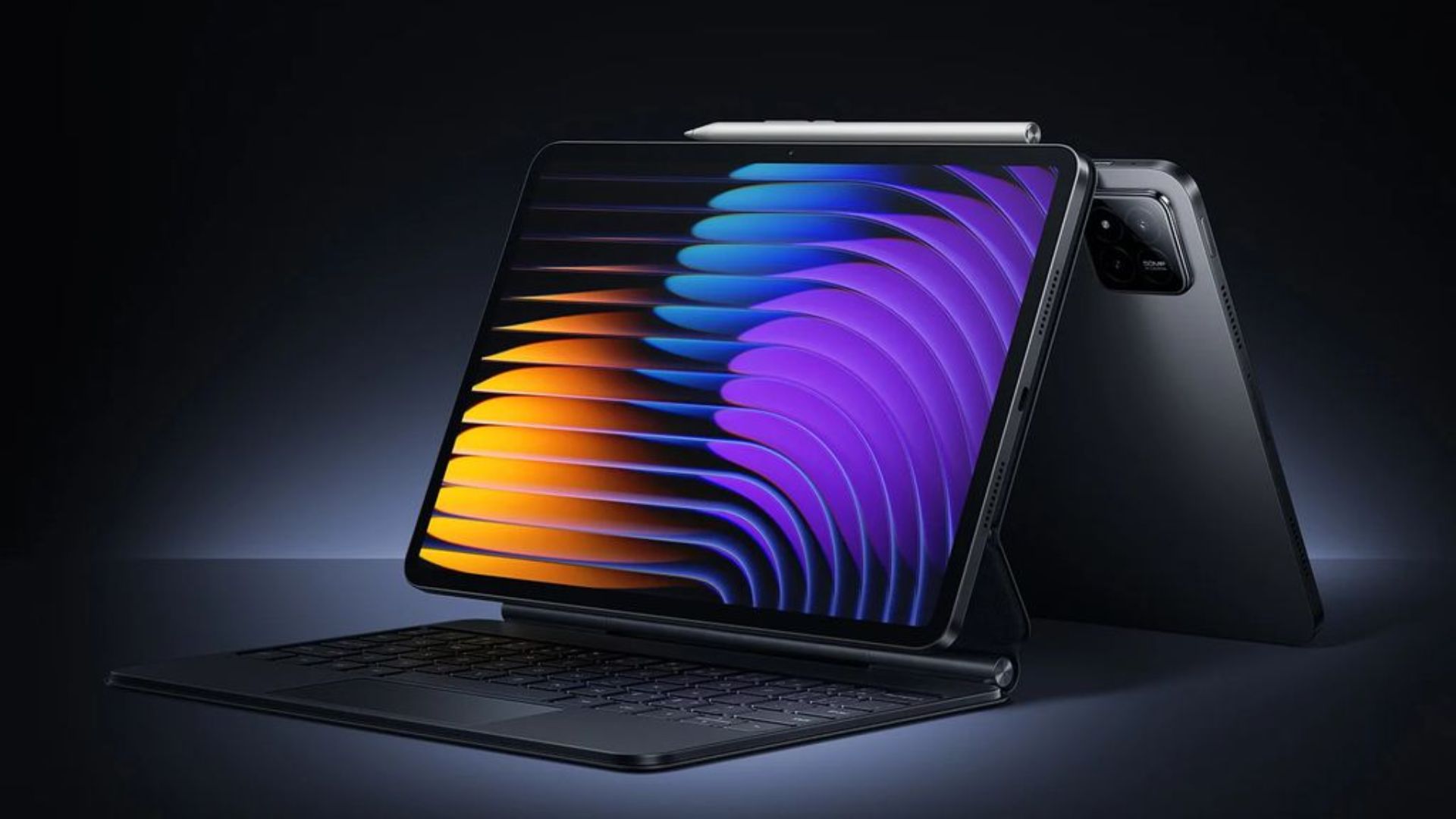
Xiaomi Pad 8 Line Should Bring Battery Above 10,000 mAh, Fast Charging, and High-End Processor in the Pro Model, Reinforcing the Brand’s Bet on Performance and Autonomy to Compete in the Tablet Market.
Xiaomi is preparing to unveil the Pad 8 line in two versions, highlighting batteries over 10,000 mAh and a promise of high-end performance in the Pro model.
The information was leaked by the Digital Chat Station profile on the Weibo social network, which often reveals product specifications before the official announcement.
While the company has not yet confirmed the data, the leak points to specific advancements in autonomy, charging, and processing compared to the current generation.
-
Technology developed to protect military communications in the 1940s scrambled voices and today gives rise to the robotic sound that dominates current music.

-
If you look at the sky this Wednesday, you will see the Pink Moon shining at its peak at 10:11 PM, but before you get disappointed, know that the name has nothing to do with the color and instead refers to flowers that bloom at this time in the United States.

-
Discovery at USP reveals how Brazilian arnica can revolutionize the production of silver nanoparticles with less environmental impact.

-
Harvard scientists have created a tissue exoskeleton that does not look like an exoskeleton, with no rigid parts and reduced weight, using flexible cables and miniaturized motors to assist the ankle and hip, reducing the effort of walking by up to 23% in controlled tests.


What We Already Know About the Xiaomi Pad 8 Series
According to what has been published, the family will include the Xiaomi Pad 8 and Xiaomi Pad 8 Pro models.
Both would maintain the proposal of general-use tablets focused on productivity and entertainment, but with a significant increase in battery capacity compared to the predecessors’ 8,850 mAh.
The expectation is that the increase in power will reflect in greater screen time, something relevant for video consumption, gaming, and multitasking.
According to the leak, Xiaomi plans to launch the tablets at the same event as the new Xiaomi 16 smartphone line.
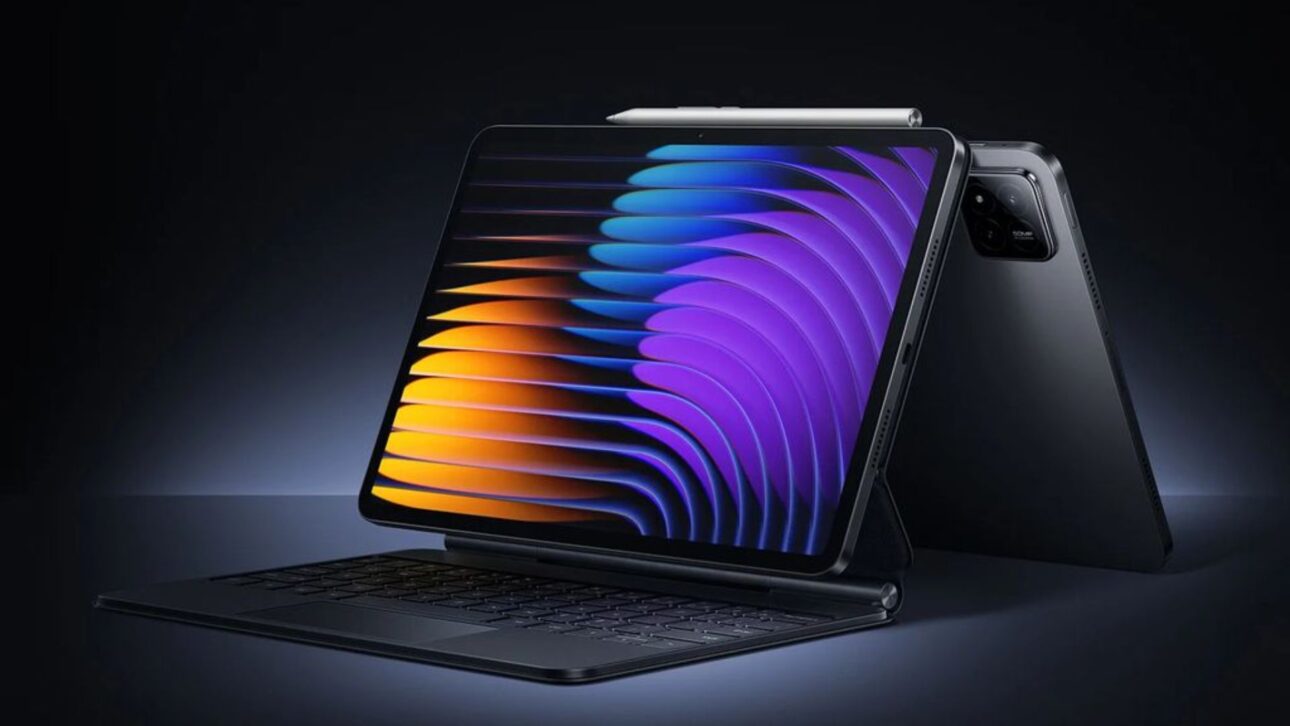
Phones have been mentioned in rumors due to possible advancements in the camera setup, while tablets would maintain the brand’s presence in the large screen segment.
Battery Larger Than Many Notebooks
The central point of the update would be the battery.
With capacities over 10,000 mAh, both models would easily surpass the previous generation and approach values found in entry-level ultrathin notebooks.
In practice, the autonomy is expected to support full study or work sessions without the need for recharging, especially in scenarios of web browsing, reading, and streaming.
On the other hand, the impact on weight and thickness has not yet been mentioned.
Without official dimension data, it is not possible to estimate changes in handling compared to the Pad 7.
Xiaomi traditionally seeks to balance capacity with portability, but this decision will only be clear at the announcement.
Fast Charging Remains in Line
Regarding power, the brand is expected to repeat the known charging strengths.
The standard Pad 8 would appear with 45 W, while the Pad 8 Pro would adopt 67 W.
These figures indicate shorter charging times, although they align with what Xiaomi currently offers in the family.
In other words, the central evolution is in the larger battery; the charging system would remain stable.
This decision favors reliability and thermal management, as very aggressive power levels require additional heat dissipation solutions.
By maintaining levels that the company is familiar with, the trend is to preserve the durability of the component throughout the product’s life cycle.
11.16″ Screen and Option for LCD
The leaks also mention the retention of the LCD panel with 11.16 inches and high refresh rate.
This setup typically delivers good clarity for productivity and reading, along with noticeable fluidity when scrolling through pages and interacting with the interface.
The choice of LCD instead of OLED would be linked to balancing cost, energy efficiency, and visual quality intended for the line.
Meanwhile, details such as maximum brightness, color coverage, and resolution were not disclosed.
In recent generations, Xiaomi has adopted resolutions above Full HD in tablets, but, without confirmation, these metrics remain open.
The combination of a high refresh rate with a larger battery, however, suggests that autonomy will continue to be a differential even under intensive use.
Pad 8 Pro Aims for Top Performance
In terms of performance, the Xiaomi Pad 8 Pro is pointed out as the model focused on power.
Digital Chat Station claims that the tablet may come equipped with the Snapdragon 8 Elite, an advanced Qualcomm platform that competes with chips found in high-end phones.
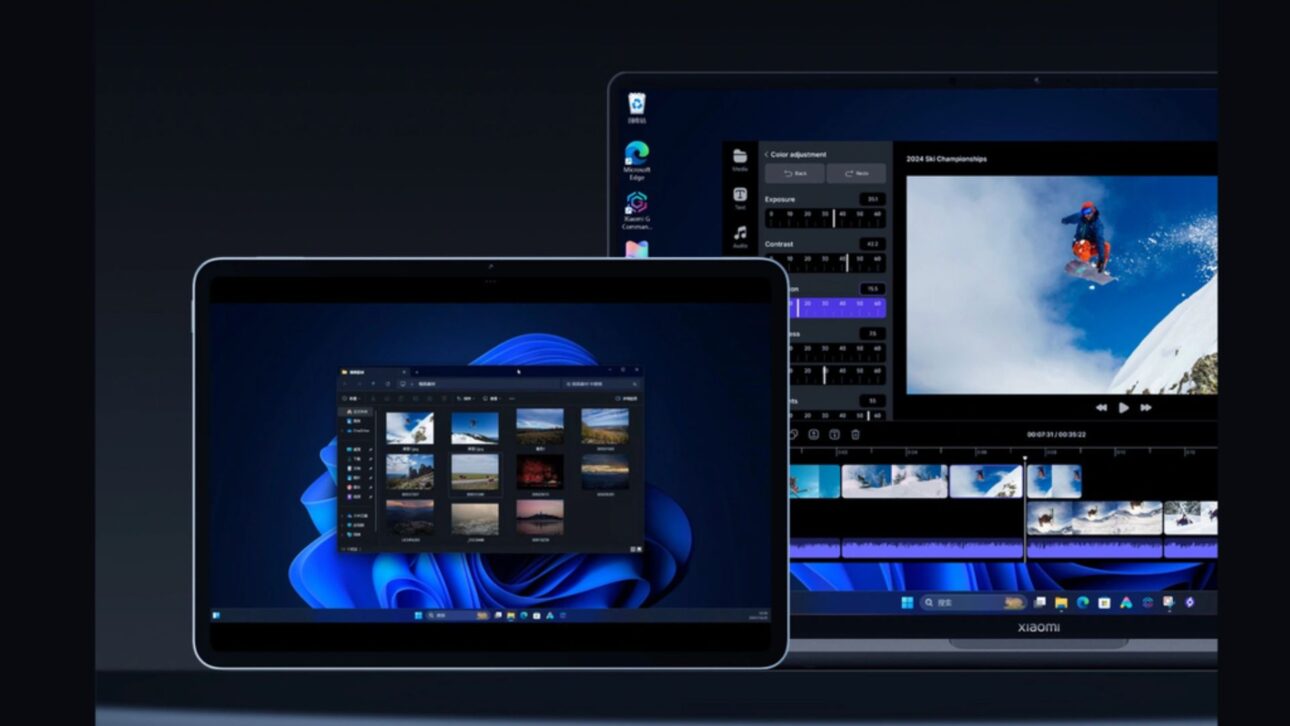
The adoption of this processor would indicate the capability to handle heavy applications, image and video editing, as well as games at maximum graphics settings.
However, there is one relevant nuance.
The rumor mentions the possibility that Xiaomi would use the first generation of 8 Elite in the tablet, while the Xiaomi 16 smartphone series would migrate to an eventual 8 Elite 2, which has not yet been officially announced.
In practical terms, the Pad 8 Pro would deliver high-level performance without necessarily inaugurating Qualcomm’s latest platform.
Portfolio Strategy and Positioning
The separation of roles between tablets and smartphones helps explain the choices.
With the Pad 8 Pro aiming for balanced power at a fair price and autonomy, the brand reinforces its appeal for productivity and multimedia consumption.
At the same time, it reserves the Xiaomi 16 phones to showcase the latest camera and processing innovations, traditionally more valued in that segment.
This design avoids direct overlap between product lines and allows the company to modularize components according to cost sensitivity.
The maintenance of the LCD, for example, frees up budget for larger batteries and cooling systems capable of sustaining high clocks for longer.
What Remains to Be Confirmed Officially
Several points remain pending until the announcement.
Xiaomi has yet to detail dates, prices, memory configurations, and storage, nor has it confirmed the refresh rates of the panel.
There is also no official information about weight, thickness, construction materials, and camera setup.
As a result, objective-to-objective comparisons with direct competitors will have to wait for the full presentation.
In the meantime, the most likely scenario is continuity: focus on robust battery, charging at 45 W and 67 W, large 11.16-inch screens with high fluidity, and at the top, a flagship profile chipset to handle demanding tasks.
It will be up to Xiaomi, at the event, to explain how these elements translate into measurable daily usage gains.
Launch Alongside the Xiaomi 16 Family
The tablets are expected to share the stage with the Xiaomi 16, according to rumors.
This strategy is common for the brand, which often groups announcements to enhance visibility and share components across lines.
For the consumer, this makes it easier to understand how the products relate and which audience each one serves, whether it be those prioritizing advanced mobile photography or those needing a larger screen for studying, working, or watching videos.
When the presentation occurs, the technical confirmation will help shape the value proposition of the Pad 8 series against alternatives with OLED panels and smaller batteries.
Until then, indications point to an update focused on autonomy and sustained performance, without ruptures in the family’s central design.
Based on this scenario, what matters more to you in a tablet of this range: a gigantic battery with known charging or an OLED panel even if it means lower energy capacity?






-

2 pessoas reagiram a isso.