





 Portuguese
  English
  Spanish
  3 min of reading


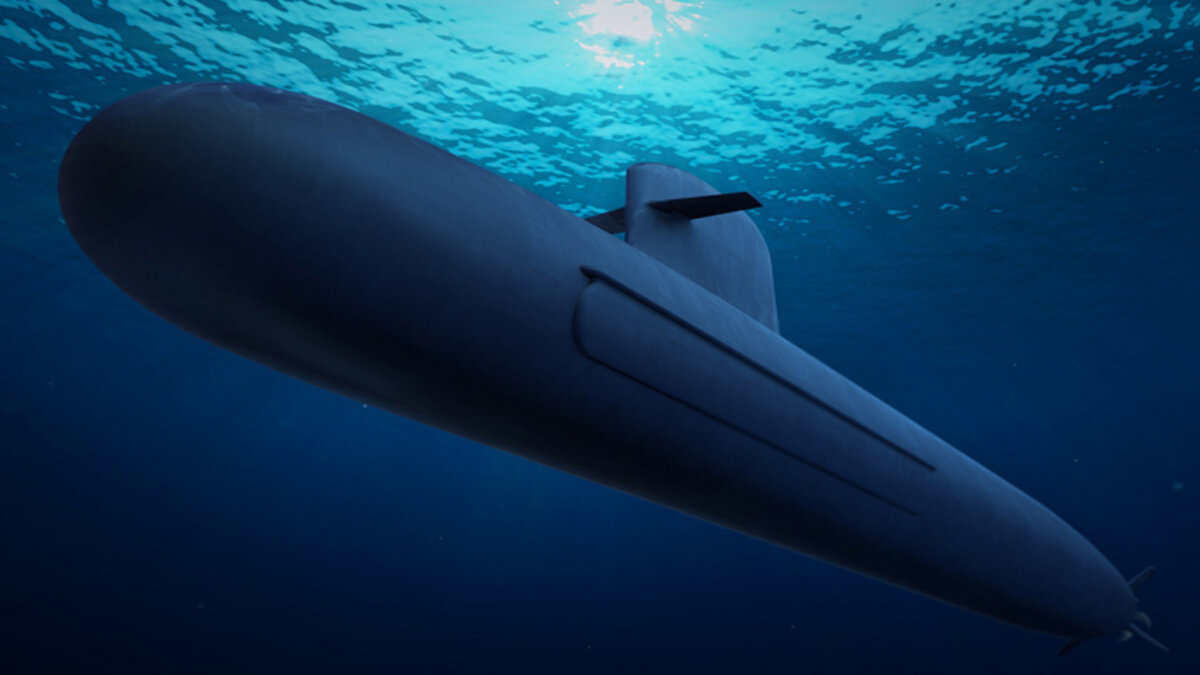
Nuclep Makes Important Advance in Brazilian Nuclear Submarine Prototype, Where Documentation and Some Equipment Were Delivered to the Navy, Being Crucial for the Project’s Functioning.
Last Friday, (07/01), Nuclebrás Equipamentos Pesados S.A (Nuclep) completed the documentation for new equipment deliveries for the project of the Nuclear Power Generation Laboratory (Labgene), the new delivered equipment is considered strategic and very important for the Brazilian Nuclear Submarine Prototype. The documents and materials were delivered to the Brazilian Navy.
Nuclep Confirms That the Supply of Equipment for the Brazilian Nuclear Submarine Has Been Completed
According to Nuclep, the company has completed an important part of the contract for supplying the new equipment. The delivery was consolidated with the delivery of the so-called databooks — books containing various documents outlining the execution history of a service — for six vessels of the Emergency Cooling System, which include two heat exchangers (TC1 and TC2), two accumulator vessels (VP3 and VP4), and two flooding tanks (VP5 and VP6).
The note was accompanied by photos, and with that, the company claims to have fulfilled an important part of Nuclep’s agreement with the Nuclear and Technological Development Directorate of the Navy (DDNM) and the Navy Technology Center in São Paulo (CTMSP). In this sense, the state-owned company also highlighted the effort and dedication of all employees involved in the delivery of the project.
-
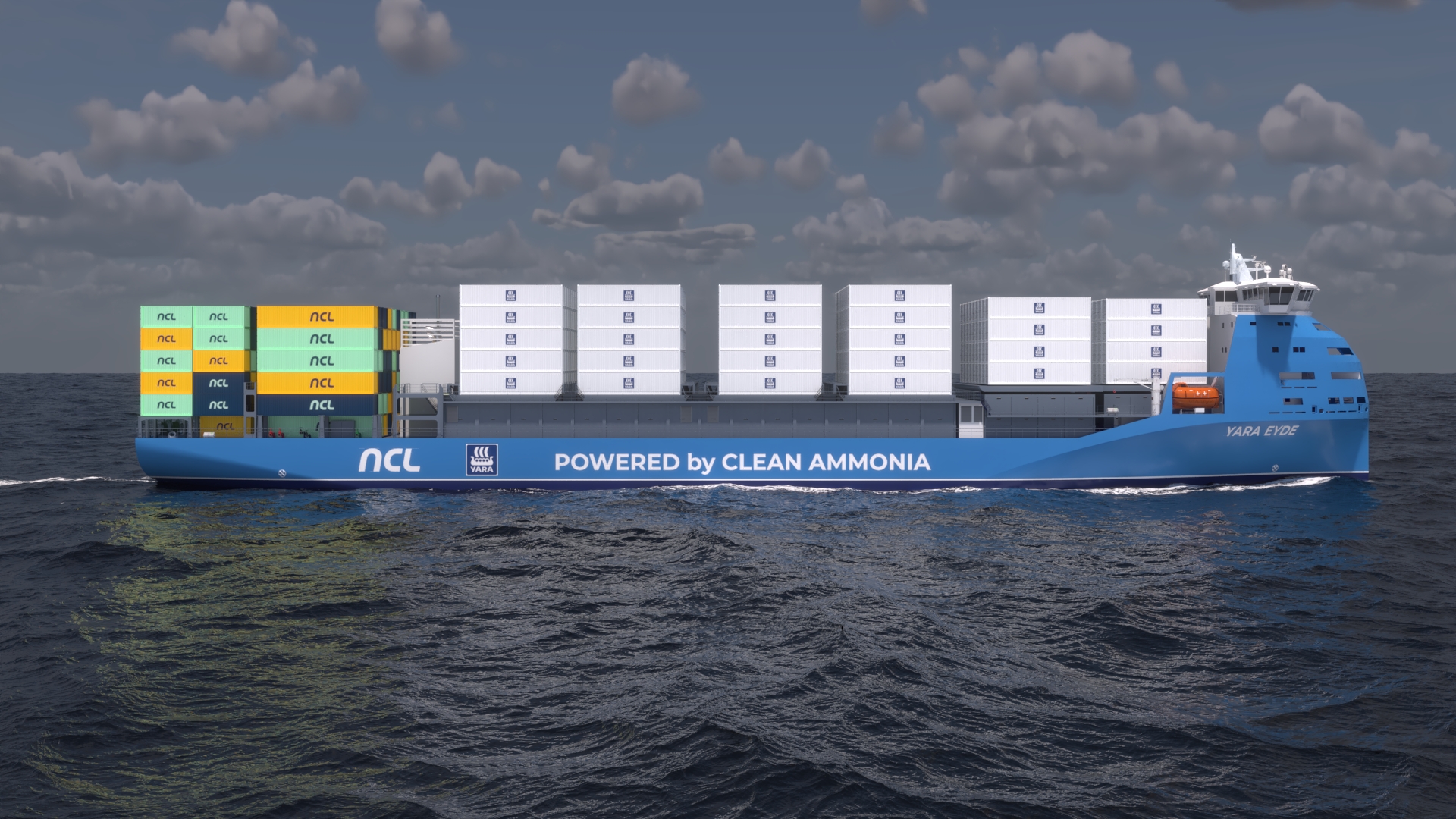
The world’s first container ship powered by renewable ammonia promises to avoid around 11,000 tons of CO₂ per year. The vessel, scheduled to operate in 2026, will connect Norway, Germany, and the Netherlands on one of the shortest and most strategic routes in Europe.
-
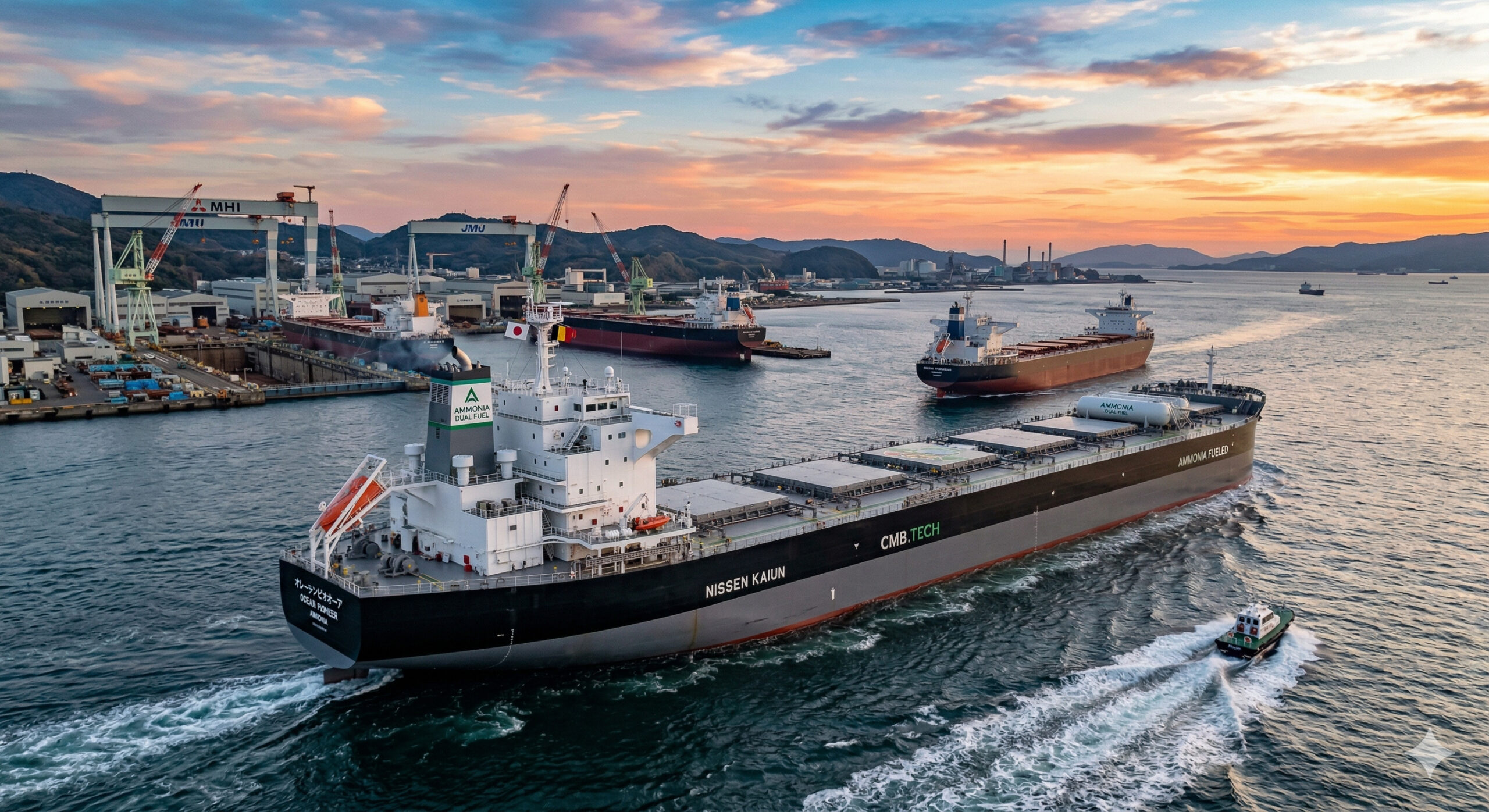
Nine giant ships of up to 210,000 gross tons equipped with dual fuel ammonia engines are being launched by Japan and Belgium. The project includes the world’s first Capesize vessels using this fuel, with contracts of up to 12 years, marking the beginning of a carbon-free ocean fleet starting in 2026.
-
Lack of workers and an aging population: Japan bets on AI robots in factories, logistics, and infrastructure to keep the economy and essential services active.

-
Natville puts R$ 700 million on the table for new factories in the Northeast, generating jobs and boosting the local economy.
It is worth noting that Nuclep is responsible for manufacturing Block 40 of Labgene, which is the section where the nuclear reactor will be installed in the Laboratory. Thus, the equipment provided by the state company is of utmost importance for safety during the reactor’s operation, as the new materials serve as emergency cooling, the well-known six vessels.
Nuclep is one of the largest, most important, and strategic heavy equipment industries, producing unique and differentiated materials in Brazil. The state-owned company is so grand that it impresses the world with its production and dedication to supplying the equipment.
Understand What Labgene Is and How It Works
The Labgene project, a nuclear power generation laboratory, is the full-scale land prototype for propulsion — movement created from a force responsible for providing thrust — that will equip the future Brazilian nuclear submarine, known as Álvaro Alberto.
Labgene is a system divided into segments where the reactor — the most important part located in Block 40 — produces thermal energy that will heat a fluid in a closed circuit. Consequently, the generated energy will be transferred to the vessels of the Cooling System, the heat exchangers, and the steam generators that will produce high-pressure steam and will be responsible for turning the submarine’s turbines.
The prototype consists of numerous blocks limited by the same dimensions and will have a robust hull similar to that of a submarine. According to the Brazilian Navy, the new reactor could generate about 48 megawatts of thermal power.
Thus, the power generated in the process performed by Labgene will provide electric energy for both propulsion and various other systems that will be on board. Furthermore, according to the Navy, the described energy would be enough, for example, to supply a city with 20,000 inhabitants.
It is also important to highlight that the partnership between the Navy and Industries further boosts the production of nuclear fuel for the operation of Labgene, as they have mutual cooperation in developing technological and productive processes related to the nuclear system.








Seja o primeiro a reagir!