





 Portuguese
  English
  Spanish
  3 min of reading
  0 comments


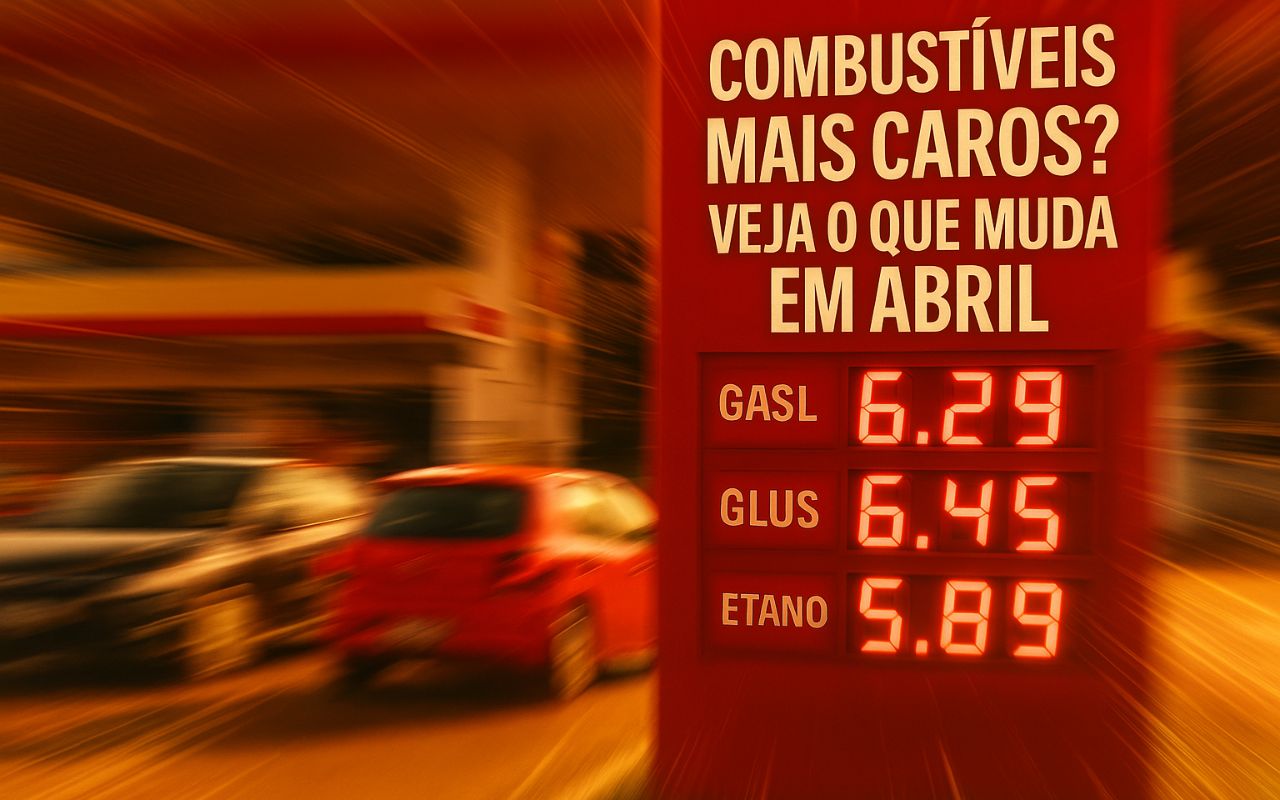
The Government Updated Average Fuel Prices In All States, Which Will Serve As The Basis For The Calculation Of ICMS. The Change Takes Effect On April 1St And May Impact The Price Charged At Fuel Stations.
Starting Monday, April 1, 2025, fuel prices in Brazil will have a new official reference. The National Council of Farm Policy (Confaz) has released the updated values of the so-called Weighted Average Price to Final Consumer (PMPF), which serves as the basis for calculating the ICMS charged on fuels in all states and the Federal District.
The measure directly affects the state taxes applied on gasoline, ethanol, diesel, natural gas, and aviation kerosene. In practice, this means that prices at the pump may rise or fall depending on the region and type of fuel.
Changes Vary From State To State In Fuel Prices
According to the new table released by the government on March 25, 2025, average prices have been adjusted based on the data provided by each state. Some fuels have seen significant increases, while others have maintained more stable prices.
-
China alone accounts for 70% of trade within the BRICS, while Brazil establishes itself as an essential supplier of food and minerals: understand how the group, which already represents nearly 40% of the world’s GDP, is changing the game.
-
Starting in May, those who do not have registered biometrics will not be able to apply for Bolsa Família, sickness benefits, or unemployment insurance: understand the new rule that changes access to benefits for millions of Brazilians.

-
A new law being voted on in Brazil proposes a minimum fare of R$ 10 per trip and R$ 2.50 per kilometer for Uber and 99 drivers, and promises to ensure they earn as well as taxi drivers did during the golden age of taxis in the country.

-
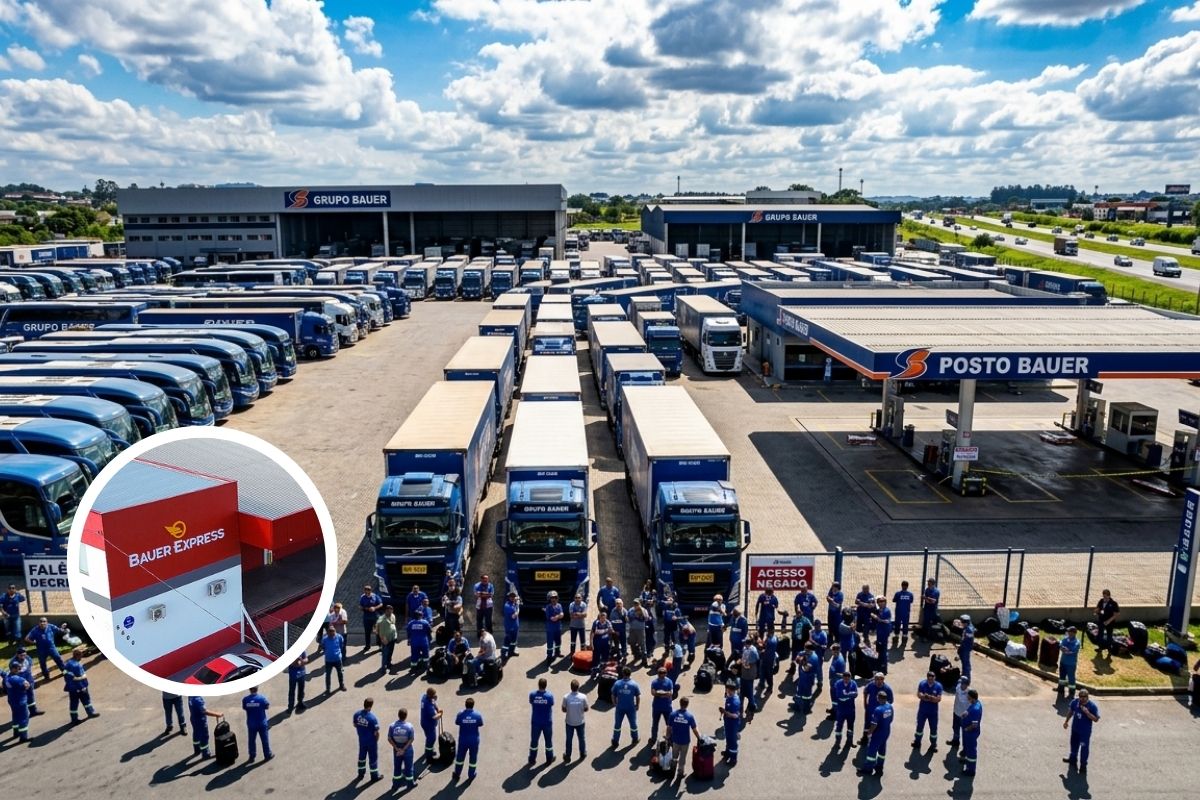
Bauer Group collapses after failed judicial recovery: 25 years, 800 vehicles, and a network of gas stations leave a debt of R$ 50 million and 100 layoffs, exposing costs, tight margins, and expensive credit in Brazil.

In Minas Gerais, for example, ethanol will have an average price of R$ 4.5733 per liter, and aviation kerosene will reach R$ 5.7681. In Acre, the price of ethanol was set at R$ 5.3452 per liter. In Alagoas, the average value will be R$ 5.1304. For Amazonas, the cubic meter of compressed natural gas (CNG) is set at R$ 3.6423. In Mato Grosso, industrial natural gas (GNI) will be sold for R$ 3.67 per cubic meter.
These values are used to calculate how much state tax will be paid in each transaction, but they are not necessarily the prices the consumer will see at the pump.
How The PMPF Affects The Consumer In Practice?
The PMPF is a reference value used to calculate the ICMS, one of the most important taxes on fuels. When this price rises, the tax charged also increases, which may be reflected in the final price at the stations. However, it is worth noting: the price charged at the pump also depends on other factors such as the profit margin of the stations, distribution costs, and the pricing policy of the distributors.
Therefore, the direct impact on the driver’s pocket may vary greatly from one place to another — and even among stations in the same city.
Decision Follows The 2007 Rule
The price update was made based on the rules of the ICMS Agreement No. 110/2007 and is recorded in the official SEI process No. 12004.000257/2025-77. The information was sent by the states themselves and confirmed by Confaz.
The objective of the measure is to keep the tax charge adjusted to market reality, since fuel prices fluctuate frequently due to factors such as exchange rates, oil prices, and logistical costs.
Impact May Be Greater In Regions With More Expensive Ethanol
The increase in average ethanol prices in some states may make the fuel less competitive compared to gasoline. In regions where ethanol exceeds 70% of the price of gasoline, it becomes economically disadvantageous.
On the other hand, in places where ethanol remains below this percentage, it may continue to be a good option for drivers who prioritize savings.










-

Uma pessoa reagiu a isso.