





 Portuguese
  English
  Spanish
  4 min of reading
  0 comments



New Speed Cameras and Speed Reducers Began Operating at 15 Points on the Highways Managed by Caminhos da Serra Gaúcha (CSG). The Installations Aim to Increase Road Safety and Reduce Accidents. Drivers Should Be Aware of the New Speed Limits, Which Vary Between 40 km/h and 60 km/h, According to Local Signage.
Safety on the highways is a constant concern for authorities and drivers. Recently, significant measures have been adopted to monitor and control traffic on important roads in Rio Grande do Sul.
Starting this month of February, 25 new speed cameras and speed reducers began operating at 15 strategic points on the highways managed by Caminhos da Serra Gaúcha (CSG).
These devices have been installed on the highways ERS-122, RSC-453, ERS-240, RSC-287, and BR-470, with speed limits varying between 40 km/h and 60 km/h, according to local signage.
-
Sleeping at different times each day can be a bomb for your heart and even double your risk of having a heart attack.

-
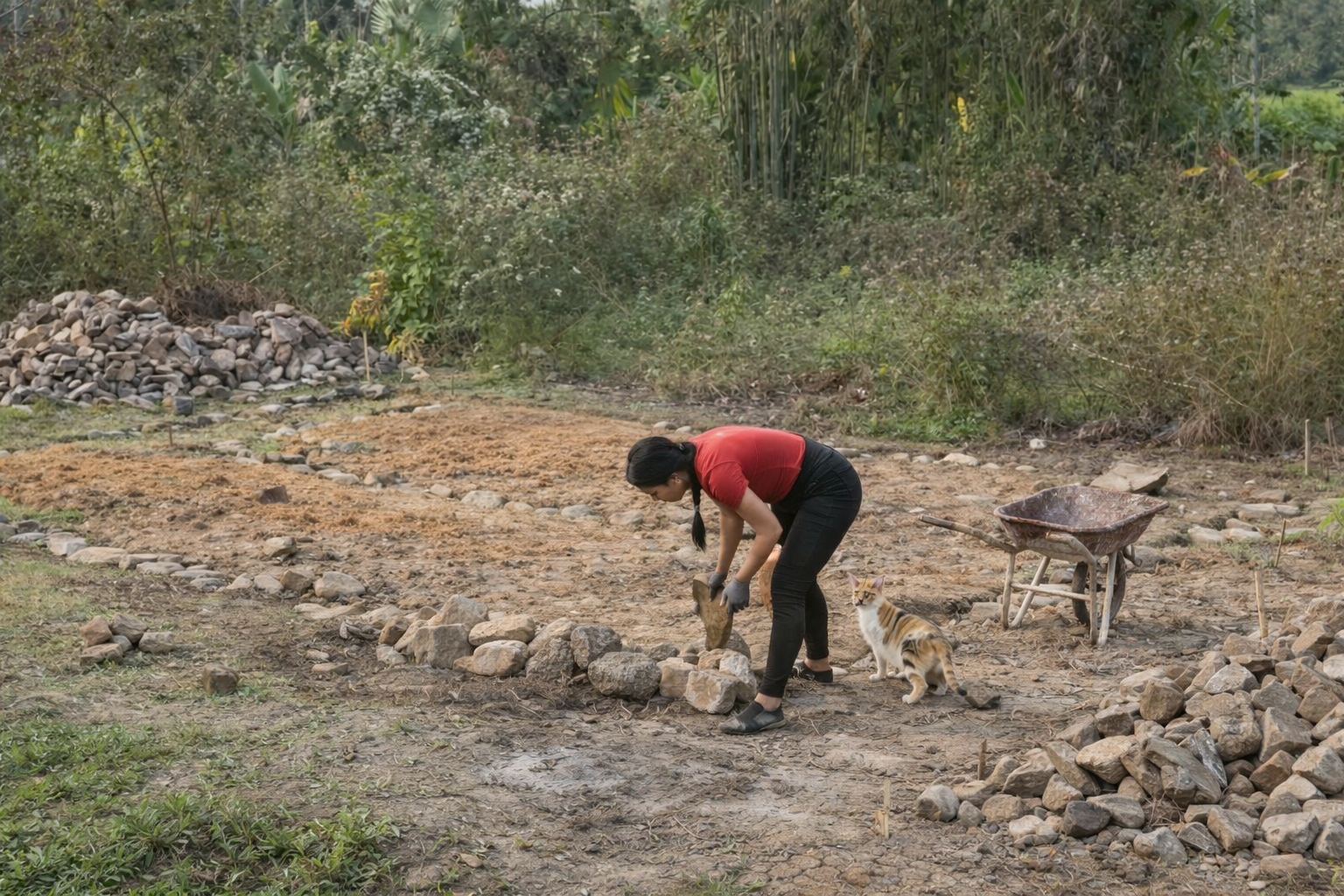
Without help and without heavy machinery, a woman builds a house from scratch with stone, wood, and cement, erects a chimney, creates a complete leisure area, and transforms an empty lot into her dream home.
-
Couple transforms abandoned house after years of being closed; residence was overgrown with weeds, had a green pool, and a deteriorated structure in the interior of Rio de Janeiro.

-
It surpassed the T-Cross, Creta, and Tracker: with nearly 8,000 units sold, the Volkswagen Tera was the best-selling SUV in March 2026.


Installation Locations of the New Equipment
The installation points were defined after two months of studies conducted by the technical team of the CSG Accident Reduction Program.
The ERS-122 is the highway with the most coverage, having 10 monitored locations. Another five points are distributed along the highways RSC-453, ERS-240, RSC-287, and BR-470, totaling 25 devices among cameras and speed reducers.
Operation and Enforcement
The sections that received the new equipment have been properly signaled, complying with current traffic regulations.
The issuance of fines for speeding is the responsibility of the Autonomous Department of Highways (Daer/RS), and the revenue collected is allocated to the Government of the State of Rio Grande do Sul.
Authorities’ Opinion
Ricardo Peres, president of CSG, highlighted that speed control instruments arise as an alternative to reducing accidents in areas with a higher incidence.
He stated that, in addition to the technical assessment, security institutions and the community were consulted to define the locations of greatest urgency.
Initially, installations were planned for 10 points, but after the testing period, the need to add five more points was identified, enhancing safety.
Sandro Wagner Vaz dos Santos, the Director of Road Operations at Daer/RS, added that the new speed controllers installed by the concessionaire, along with the existing ones, will provide a significant increase in highway safety, helping to curb the speeding practices of some drivers.
He emphasized that Daer is prepared to process the infractions generated, ensuring safer highways for everyone.
Details of Monitored Points on the Highway
The ERS-240, at kilometer 7, in both directions, received two speed reducers with a limit of 60 km/h. On ERS-287, at kilometer 1, also in both directions, two reducers were installed with a limit of 40 km/h.
BR-470, at kilometer 226.2, has two speed cameras in both directions, with a limit of 60 km/h. RSC-453, at kilometers 107 and 117, received two reducers and two speed cameras, both in both directions, with limits of 50 km/h and 60 km/h.
The ERS-122 had several monitored points, including kilometers 10.8, 46.1, 46.7, 50.5, 55.6, 72.1, 85.5, 92, 107.9, and 136.2, with different combinations of speed cameras and reducers, and limits varying between 40 km/h and 60 km/h.
About the CSG Concession
CSG is responsible for the administration and maintenance of 271.5 km of highways, including the entirety of ERS-122, ERS-446, and ERS-240, as well as stretches of RSC-453, BR-470, and RSC-287.
These highways encompass municipalities such as Antônio Prado, Bento Gonçalves, Bom Princípio, Campestre da Serra, Capela de Santana, Carlos Barbosa, Caxias do Sul, Farroupilha, Flores da Cunha, Garibaldi, Ipê, Montenegro, Portão, São Leopoldo, São Sebastião do Caí, São Vendelino, Triunfo, and Vacaria.
The concession contract, which began in February 2023, lasts for 30 years and foresees investments exceeding R$ 4.6 billion, including duplication works, implementation of third lanes, enhancement of road safety and signage, 24-hour service, maintenance, among other actions.
Community Reactions to the Cameras on the Highway
Before the activation of the new equipment, residents of nearby areas supported the initiative due to the high incidence of accidents in these stretches.
However, after the operation began, some complaints arose regarding the signage.
For example, at certain points, there is proximity between signs indicating different speed limits, which can confuse drivers.
CSG was questioned about this situation but has not yet responded.
Electronic Enforcement in Rio Grande do Sul
Electronic enforcement, popularly known as “pardais,” is a widely used strategy in the state to monitor and control speed on the highways.
These devices have sensors installed in the pavement and are programmed to catch drivers who exceed the speed limit established for the section.
The electronic monitoring program includes various monitored sections by cameras on several highways in Rio Grande do Sul.
Clear and coherent signage is essential to ensure the effectiveness of electronic enforcement and the safety of drivers.








Seja o primeiro a reagir!