





 Portuguese
  English
  Spanish
  5 min of reading
  0 comments



In 2025, Fixed Income in Brazil Registers Historical Growth: 100 Million Investors Seek Safety and Return on Their Preferred Investments, Consolidating the Strength of Fixed Income in 2025
The fixed income market in Brazil reached a historic milestone in the second quarter of 2025. According to data released by the Brazilian Association of Financial and Capital Market Entities (Anbima), the number of active CPFs in this type of investment reached 100.2 million, a 20% increase compared to the same period in 2024, when the total was about 83.5 million.
The amount under custody also showed strong growth, reaching R$ 2.8 trillion, which represents an increase of 23% during the period. This advance reinforces the trend of seeking safety and predictability, driven both by the economic scenario and by the wider availability of fixed income products with different terms, rates, and guarantees.
Record Number of Investors: Significant Growth and Diversity of Profiles
The last few years have marked significant growth in the base of fixed income investors in Brazil. In addition to the increase in the total volume of invested resources, there is also a diversification of investor profiles, with a significant influx of individuals who previously had no relevant participation in this market.
-
After mistakenly transferring R$ 50,000 via Pix, a man will receive the amount back along with R$ 10,000 for moral damages from the recipient.

-
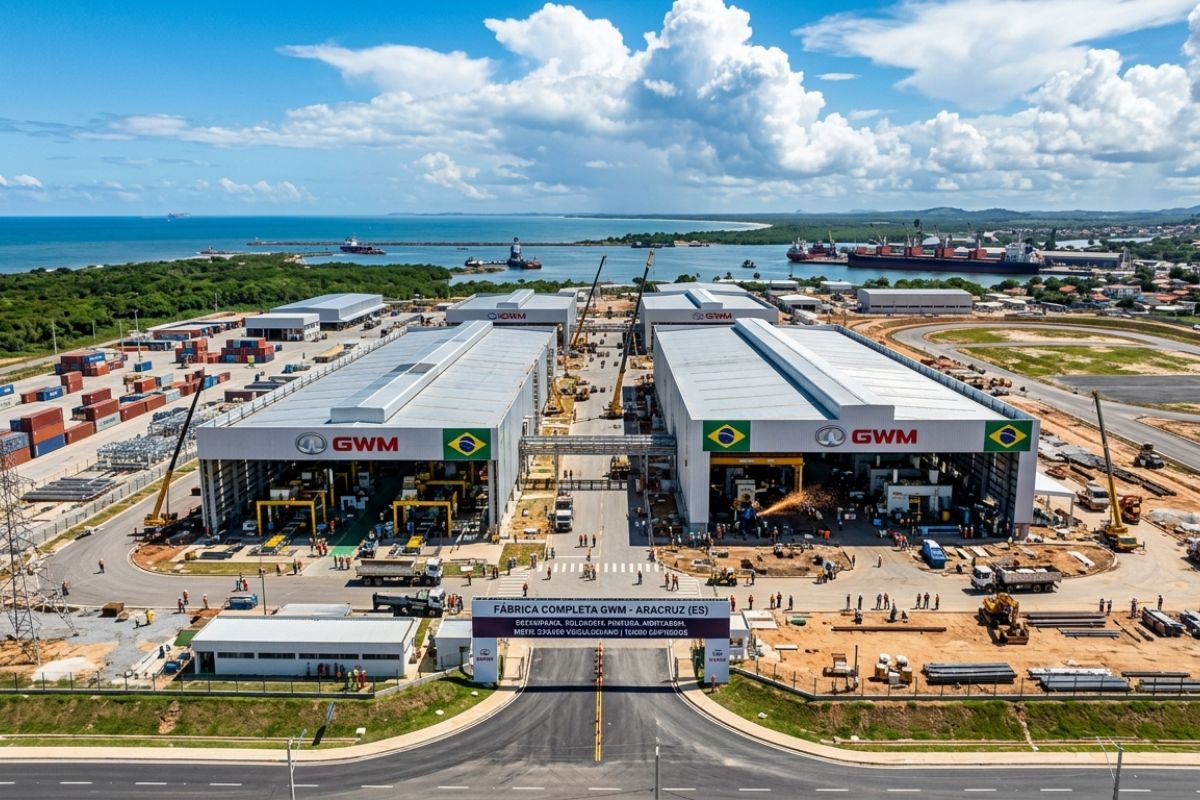
GWM chooses Aracruz and puts Espírito Santo on the automotive map: a complete factory in the Americas, with stamping, welding, painting, and assembly, aiming for 200,000 vehicles per year and up to 10,000 jobs.
-
Labor shortages are prompting Portugal, Spain, Germany, and Canada to open up opportunities for foreigners in 2026, with salaries ranging from 920 euros in Portugal to 50,700 euros per year in Germany.

-
The government is considering a temporary subsidy for cooking gas following the spike in oil prices due to the war in Iran and warns about the impact of 20% of imports on the prices paid by families.


This movement is explained by factors such as:
- High Selic Rate compared to recent history, making fixed income securities more attractive.
- Increased financial education and easier access to digital investment platforms.
- Growth in products offered by banks and fintechs, simplifying the investment process.
Fixed income, historically seen as a conservative alternative, now also attracts investors seeking higher returns than savings accounts, without giving up safety.
Preferred Investments: CDBs and RDBs Dominate the Market
Among fixed income products, CDBs (Bank Deposit Certificates) and RDBs (Bank Deposit Receipts) stand out as the preferred modalities. According to Anbima, together they account for 99.1 million investors, nearly the entirety of the recorded base.
The appeal of these products is linked to factors such as:
- Guarantee from the Credit Guarantee Fund (FGC), up to the limit of R$ 250 thousand per CPF and institution.
- Competitive returns, often linked to the CDI or inflation.
- Ease of investment and redemption, with options for varying terms.
Banks have used these instruments to raise funds, while investors find in them a way to keep their purchasing power protected against economic fluctuations.
Fixed Income in 2025: Direct Treasury Expanding
Another segment that continues to grow is the federal public securities traded through the Direct Treasury. With accessible entry amounts starting from R$ 30, they have become a gateway for new investors.
The Direct Treasury offers three main categories of securities:
- Fixed Rate, with a fixed rate defined at the time of purchase.
- Inflation-Linked (Treasury IPCA+), which protect purchasing power by adding the IPCA to a fixed rate.
- Selic (Treasury Selic), recommended for emergency reserves as they follow the basic interest rate.
In recent months, volatility in the stock market and the maintenance of the Selic at high levels have helped strengthen the appeal of public securities as a stable investment alternative.
Fixed Income Funds: Diversification and Professional Management
Fixed income investment funds have gained more space in Brazilians’ portfolios. This modality allows investors to delegate management to specialized professionals who select assets like CDBs, debentures, public securities, and other credit papers.
Among the advantages are:
- Automatic diversification of assets.
- Variable liquidity according to the regulations of each fund.
- Opportunity to access securities that are not available for direct investment by individual investors.
According to data from ANBIMA, fixed income funds led net inflows in the first half of 2025, with inflows of R$ 59.4 billion. This performance reflects investors’ search for consistent returns and the convenience of professional management offered by these funds.
Why Fixed Income Grows in 2025 Even with Expected Selic Decline
Although there is an expectation of a gradual reduction in the Selic Rate in the coming quarters, fixed income remains attractive for several reasons:
- A significant portion of investments has longer terms, preserving previously contracted high rates.
- Products indexed to inflation offer protection against rising prices.
- Diversification of issuers and terms maintains opportunities for returns above historical averages.
Furthermore, even with the Selic declining, fixed income returns tend to remain higher than those of savings accounts and competitive compared to other lower-risk assets.
Profile of Fixed Income Investors in Brazil
The growth of the fixed income investor base in Brazil reflects a scenario of greater financial inclusion. According to the most recent data, there is a significant growth among women, young people, and investors from regions outside the South-Southeast axis.
This movement is driven by:
- Expansion of apps and platforms with simplified interfaces.
- Financial education campaigns promoted by banks, brokerages, and sector entities.
- Facilitated access to information and product comparison tools.
Moreover, more experienced investors have also increased their allocation in fixed income, either to rebalance portfolios or to take advantage of still high rates.
Impacts on the Market and Outlook
The growth of fixed income in Brazil has significant effects on the financial market and the economy as a whole. Among them:
- Greater resource mobilization by banks, enabling expanded credit for consumers and businesses.
- Increased liquidity in the secondary market for securities, favoring transactions.
- Strengthening of internal savings, important for financing investments in the country.
In the medium term, fixed income is expected to continue playing a central role in Brazilians’ portfolios, even as the Selic recedes. The trend is for investors to maintain a significant portion of their portfolio in conservative products, balancing risk and return.
Taking Advantage of the Moment of Preferred Investments
For individual investors, this moment represents an opportunity to review strategies and align short, medium, and long-term goals. Some recommendations include:
- Take advantage of fixed-rate securities while rates are still high.
- Keep part of the portfolio in inflation-indexed assets as protection.
- Evaluate fixed income funds and structured products for diversification.
With over 100 million active CPFs in this segment, fixed income has ceased to be merely a conservative option to solidify itself as an essential pillar in wealth building.









Seja o primeiro a reagir!