





 Portuguese
  English
  Spanish
  4 min of reading
  0 comments


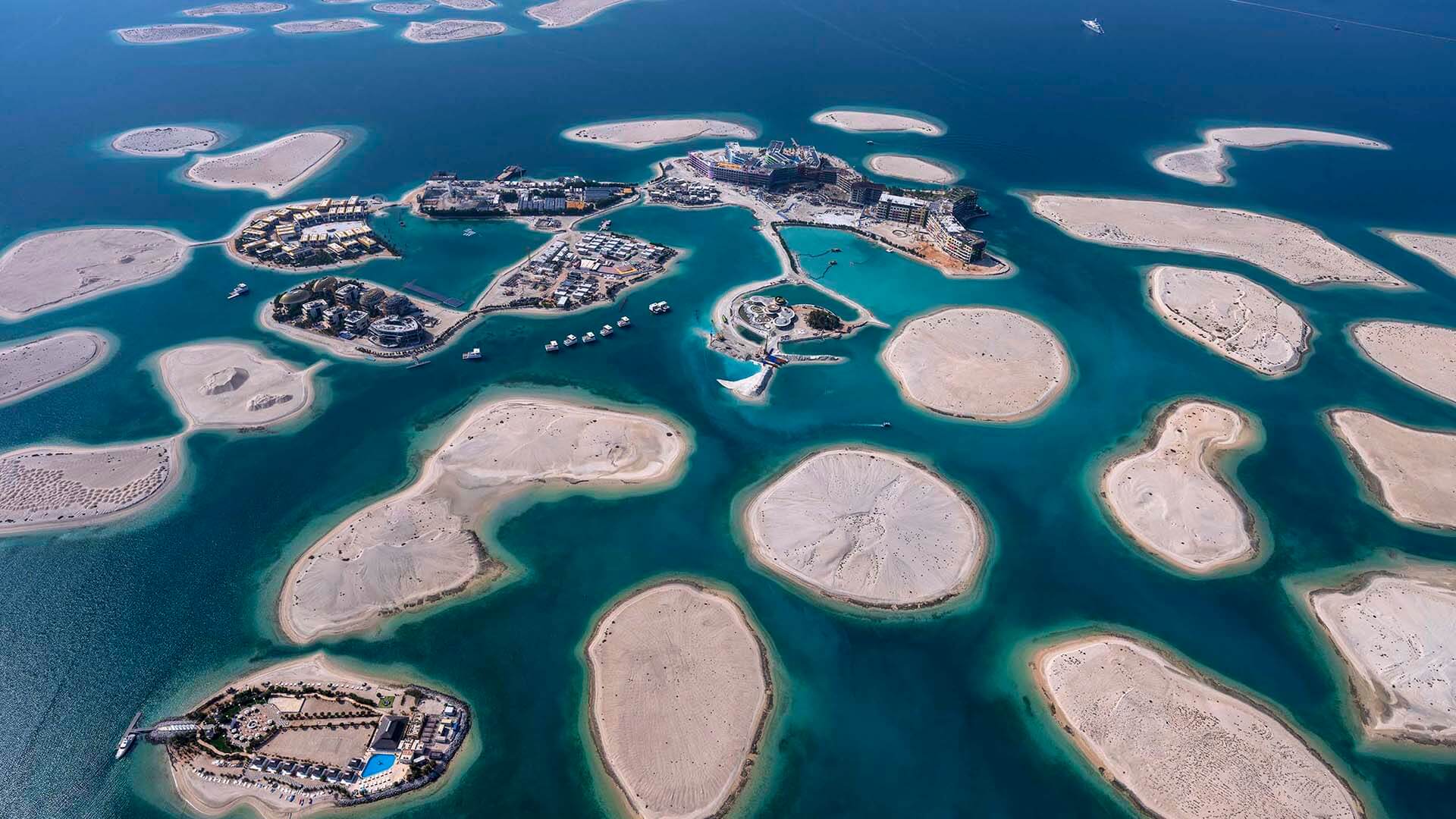
The World Islands in Dubai Brings Together 300 Artificial Islands Created for Millionaires. With Floating Houses and 6-Star Hotels, It Charges Up to R$ 100 Thousand per Night — and Can Only Be Accessed by Boat.
In the heart of the Persian Gulf, in one of the driest countries on the planet, one of the boldest projects of modern engineering was born: an artificial archipelago shaped to replicate the world map — island by island, country by country — with a single purpose: to create a new exclusive world for millionaires. Named The World Islands, this mega project in Dubai seemed a distant fantasy when construction began in 2003. But today, more than 20 years later, it has become a reality — and charges up to R$ 100 thousand per night for those who want to sleep in a floating house with a view of the skyline of the most futuristic city in the Middle East.
What Is The World Islands in Dubai
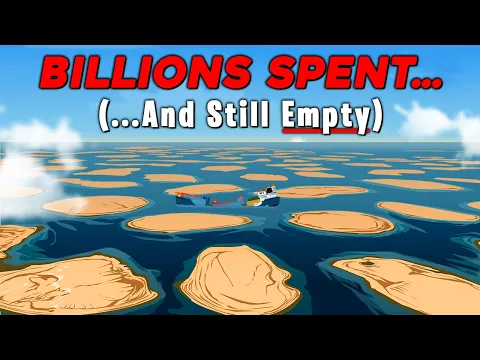
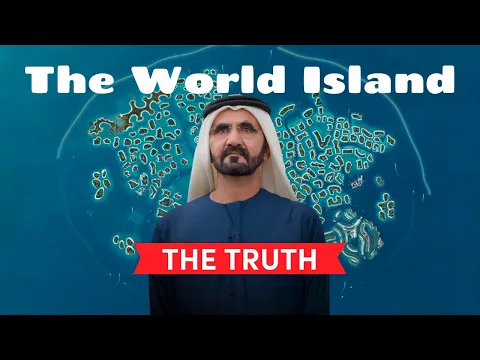
The archipelago is made up of 300 artificial islands, designed to form a stylized map of planet Earth. Viewed from above, the islands simulate continents and nations: there is a “France,” a “Greenland,” an “India,” an “Argentina” — and all are surrounded by calm waters, accessible only by yacht, helicopter, or private boat.
The islands were constructed with more than 320 million cubic meters of sand dredged from the seafloor, molded and compacted over the shallow reef off the coast of Dubai. The estimated cost of the project exceeds US$ 13 billion and is owned by Nakheel Properties, the same developer responsible for the Palm Islands, another symbol of urban boldness in Dubai.
-
Sleeping at different times each day can be a bomb for your heart and even double your risk of having a heart attack.

-
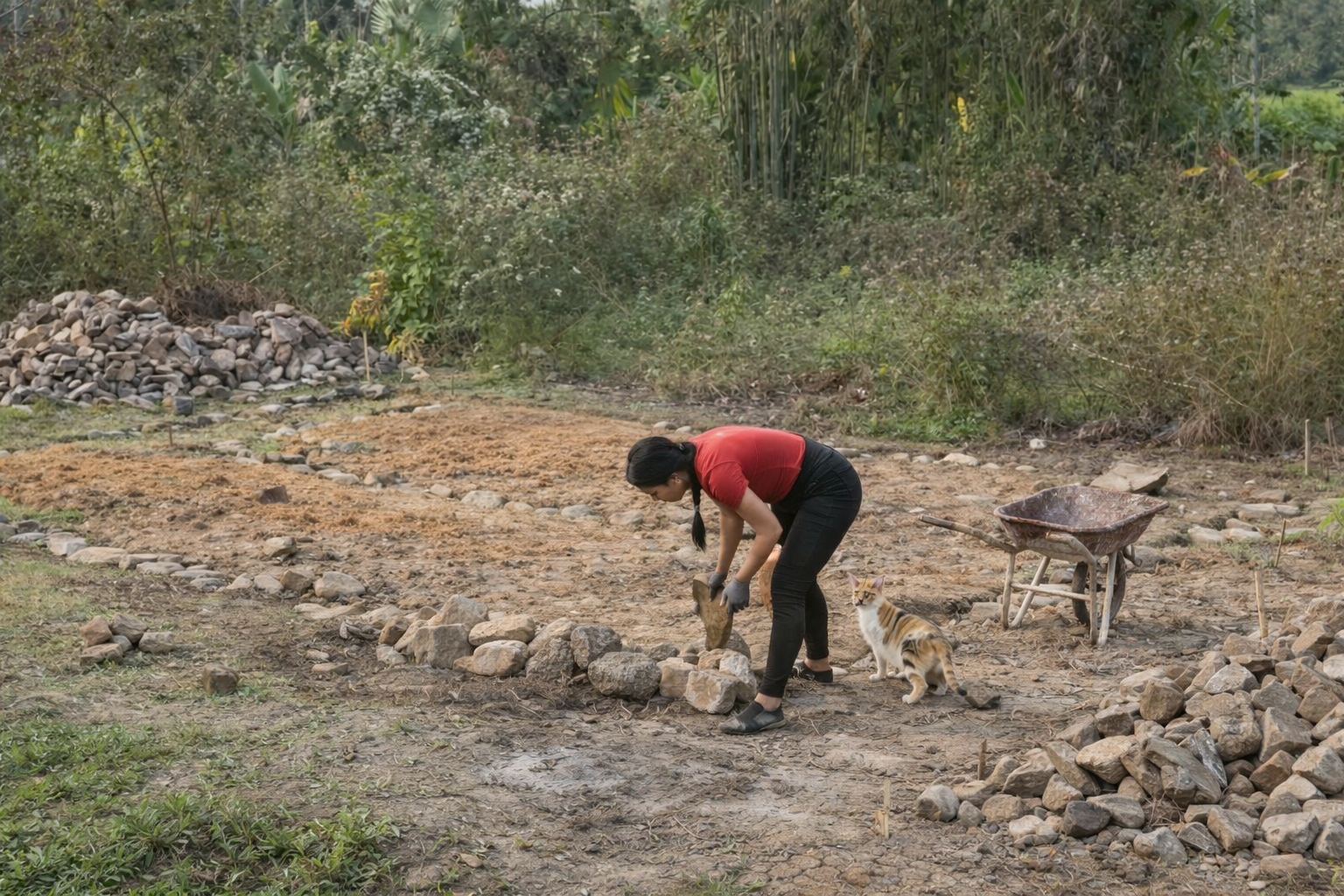
Without help and without heavy machinery, a woman builds a house from scratch with stone, wood, and cement, erects a chimney, creates a complete leisure area, and transforms an empty lot into her dream home.
-
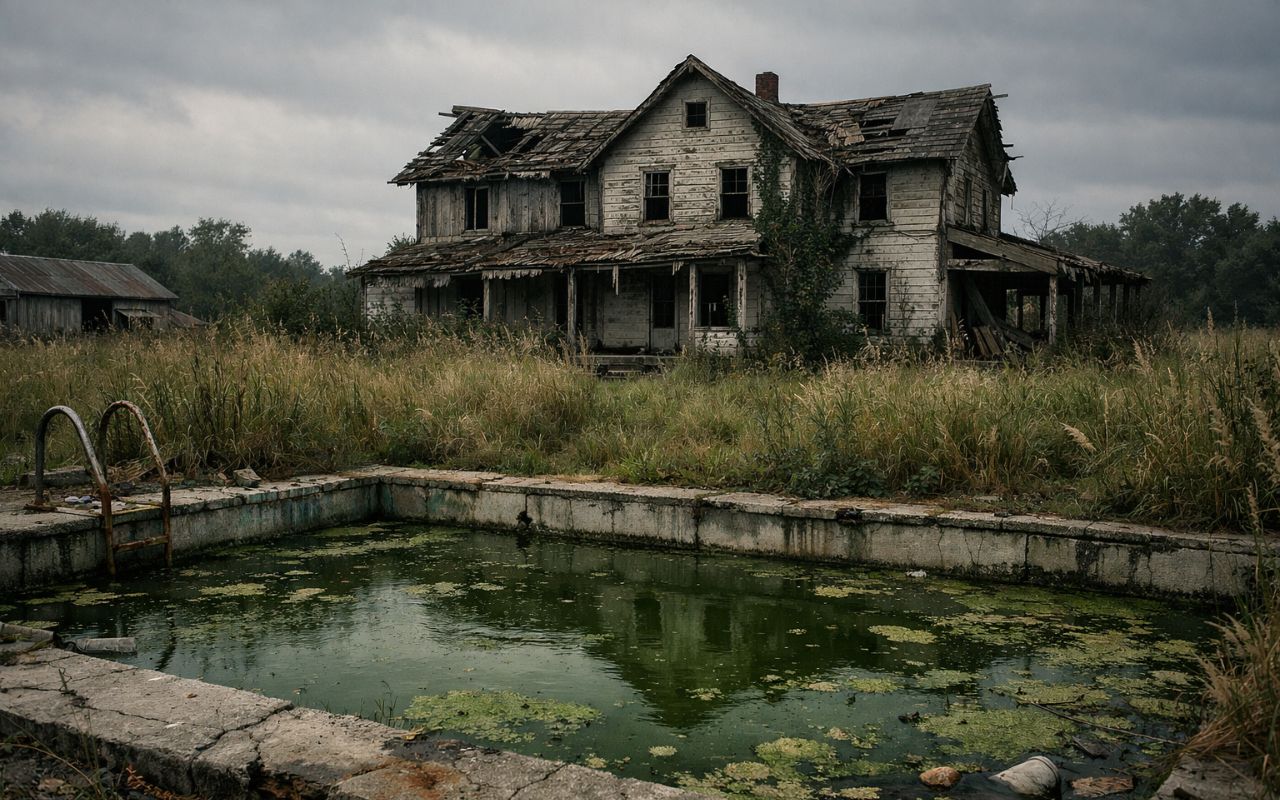
Couple transforms abandoned house after years of being closed; residence was overgrown with weeds, had a green pool, and a deteriorated structure in the interior of Rio de Janeiro.
-
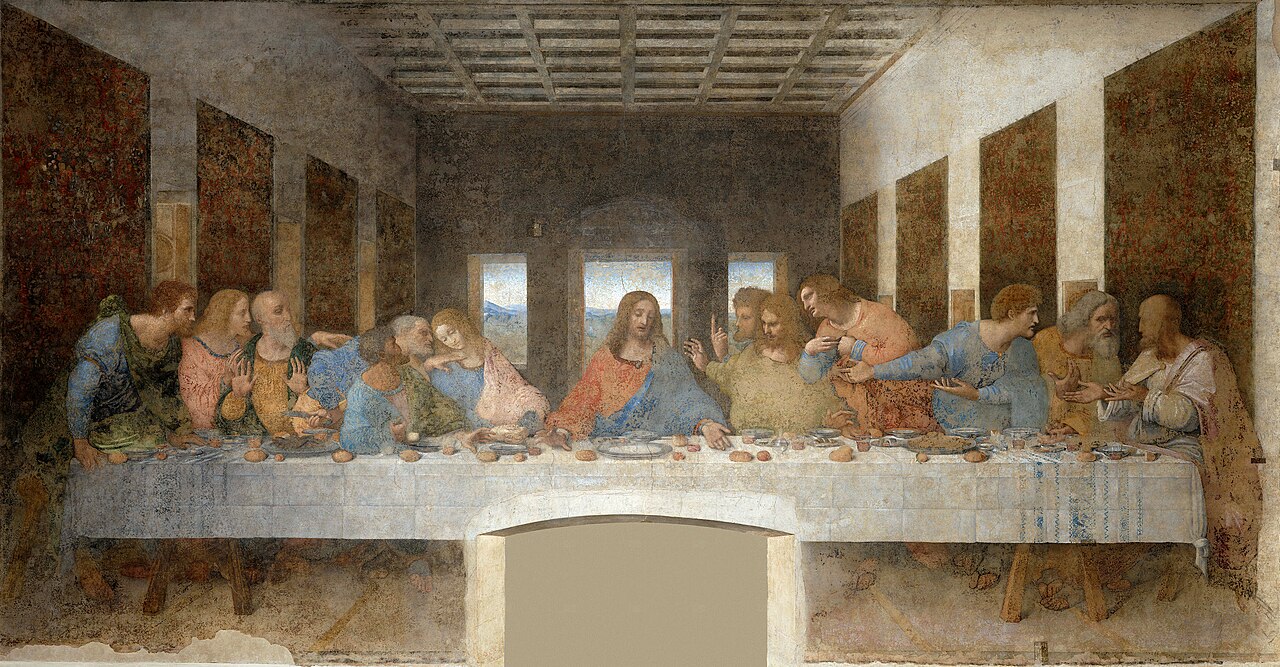
Hidden marks on the walls of the site associated with the Last Supper of Jesus for centuries have been deciphered in Jerusalem, revealing medieval inscriptions left by pilgrims, European nobles, and travelers from the Middle East.


Luxury Floating Houses, Private Beaches, and 6-Star Hotels
The first islands were sold even during construction, and the focus was clear: to create an exclusive retreat for the global elite. Unlike the public beaches of Dubai, on the islands of the “world,” everything is private: the streets, the piers, the pools, the marinas, the artificial lagoons, and even the neighboring islands.
Some of the most sought-after accommodations are located in the so-called Heart of Europe, a cluster of six islands inspired by European architecture. There, you can stay in:
- Three-story floating houses, with the entire basement glassed in for observing marine life;
- 6-star hotels with 24-hour butler service and helicopter transport included;
- Private villas with artificial beaches, customized reefs, and controlled sand temperature.
The prices reflect this exclusivity: a single night in some of these structures can exceed R$ 100 thousand, depending on the season and location. And the most impressive part: there is a waiting list.
Why Do Europeans Buy Properties There?
More than 80% of the buyers of the islands and properties of The World Islands are Europeans — especially Germans, Swiss, French, and British. But why?
- Tax Exemption: Dubai does not charge taxes on property or inheritance, making the investment highly attractive.
- Stability and Security: unlike other luxury destinations, the emirate offers world-class infrastructure and some of the lowest crime rates on the planet.
- Strategic Proximity: for European millionaires, Dubai is just a few hours flight from London, Frankfurt, Paris, or Moscow — and the sunny weather year-round is a bonus.
There is also the psychological factor: those who buy an island in The World Islands are purchasing a symbol. It is more than a property — it is status materialized.
Not Everything Was Easy: Challenges, Abandonment, and Rebirth
For years, the project was criticized as a white elephant of oil. After the 2008 crisis, several islands were left without construction for almost a decade. There were even rumors that the archipelago was “sinking,” which was denied by experts.
However, the turnaround came with Dubai’s tourism repositioning. With Expo 2020 and investments in sustainable luxury tourism, Nakheel relaunched the projects with new concepts, including floating resorts, eco-friendly condominiums, and spaces for high-end corporate private events.
Today, over 50 islands already have active projects, and others are still in bidding. The occupancy remains selective: the United Arab Emirates do not sell land to just anyone — official approval is required to acquire an island, which keeps the level of exclusivity extremely high.
Infrastructure from Another Planet
To maintain the operation of the islands, complex infrastructure solutions were built:
- Autonomous solar energy generation systems;
- Desalination of seawater on each island;
- 100% waste collection and recycling off the continental grid;
- Emergency services with drones and support boats available 24 hours a day.
Transportation is also a separate chapter: besides fast boats, there are private heliports, and some hotels are already testing autonomous air taxis to take guests to the mainland in less than 10 minutes.
The World Islands is more than a condominium for millionaires: it is an urban experiment, a simulation of how humans can build a “own world” in the open sea, with total control over climate, soil, architecture, services, and access.
If before the idea of living on an artificial island seemed like science fiction, today it is a trend among the ultra-wealthy. And although the project is controversial from an environmental perspective, it shows how technology, capital, and marketing can literally create continents from scratch.








Seja o primeiro a reagir!