





 Portuguese
  English
  Spanish
  5 min of reading
  43 comments


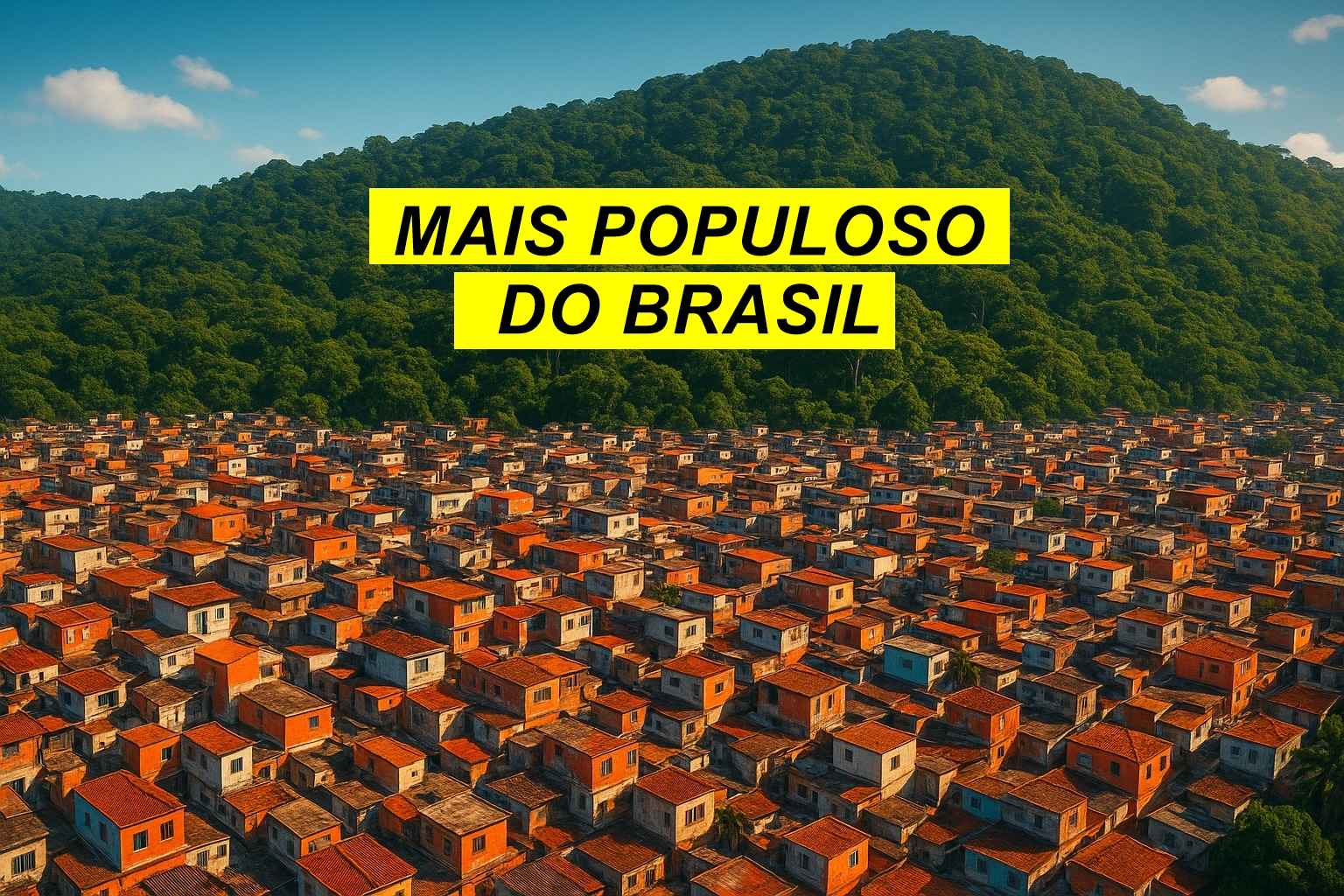


With 352 Thousand Residents, the Most Populous Neighborhood in Brazil Houses the Largest Urban Forest in the World and Preserves Rural Roots Even While Integrated into the Metropolis
With such diversity of cultures, landscapes, and populations, Brazil hosts neighborhoods that stand out with dimensions that resemble true cities. The most populous neighborhood in Brazil impresses with gigantic numbers and helps to understand the complexity of Brazilian urbanization.
According to the 2022 Demographic Census, the national territory had 17,576 officially recognized neighborhoods.
Among the ten most populous, eight are located in Rio de Janeiro, revealing the weight of the Fluminense capital in urban concentration.
-
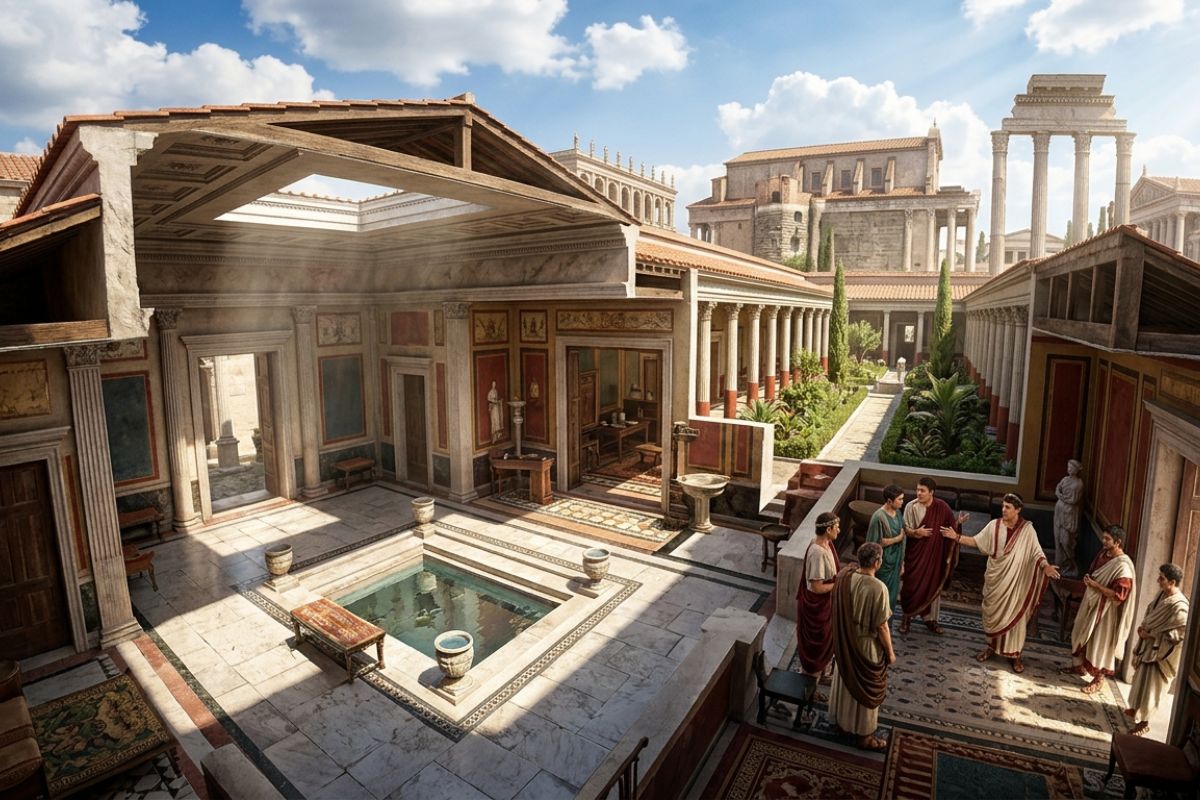
What the Public House of Julius Caesar was like inside in the Roman Forum: layout, atrium with compluvium and impluvium, tablinium and peristyle, and the scandal of the Bona Dea, revealed in an AI recreation.
-
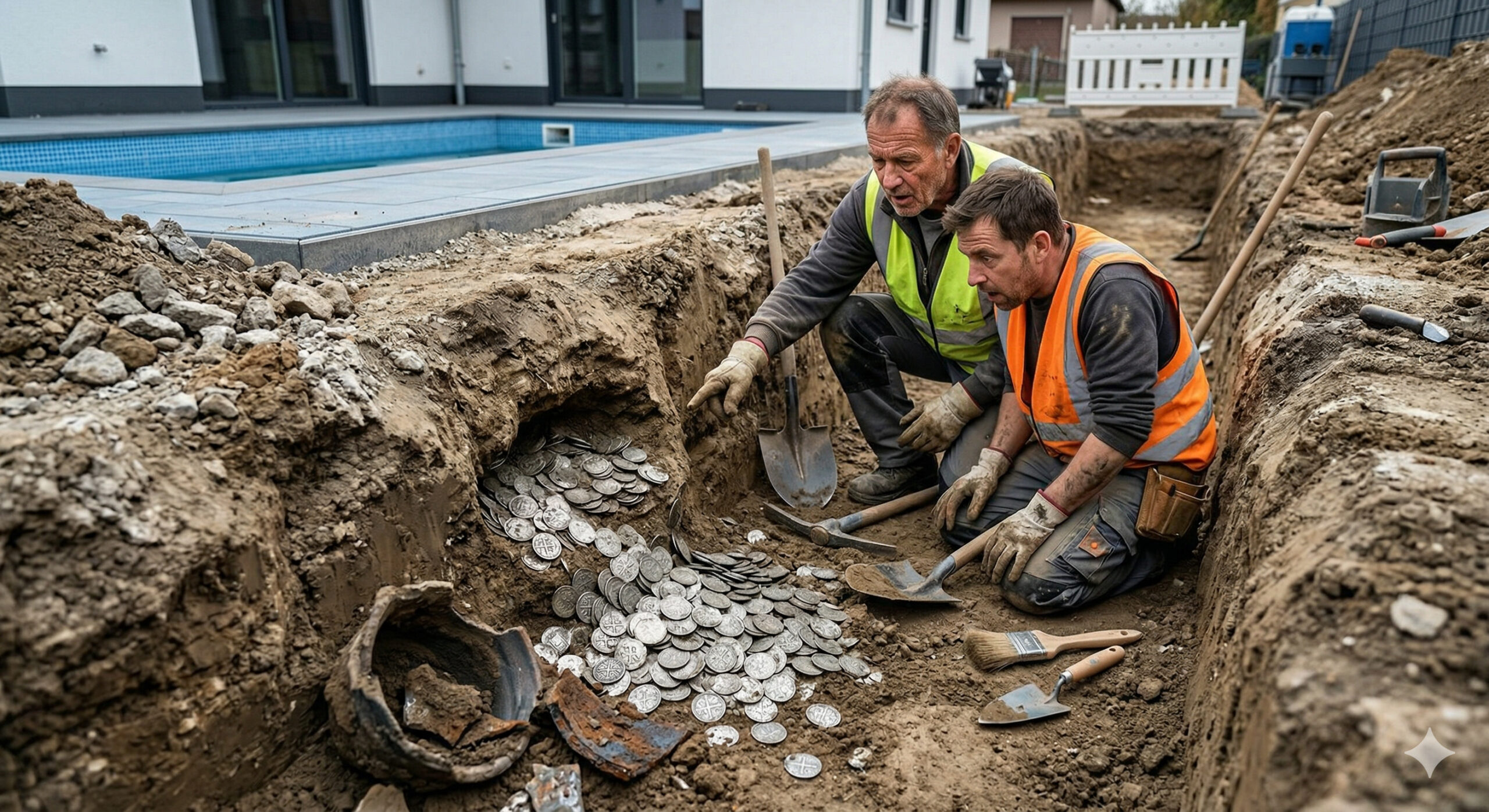
While digging a trench next to a pool in Germany, workers found more than 1,500 silver coins from 1320 in the rubble, revealing a treasure buried for over 700 years.
-
Flight Helios 522, the “ghost” flight with 121 people: the commercial aircraft flew for more than 2 hours on autopilot after a pressurization failure left pilots and passengers unconscious and only stopped when it ran out of fuel.

-
Researchers have located a nearly intact vessel that disappeared 125 years ago on the bottom of icy waters, with masts still preserved and rare details that impress archaeologists.


Moreover, Brazil had 468,097 census sectors distributed among 5,568 municipalities and the Federal District. The country also registers 10,698 districts and 643 sub-districts spread over 54 cities.
In several capitals and metropolitan regions, there are neighborhoods whose populations exceed those of entire municipalities, highlighting an unequal and intense growth in urban areas.
This survey highlights the most populated localities and shows how these territories house a significant portion of the Brazilian population.
Neighborhoods and Official Delimitations
Neighborhoods are administrative divisions created by municipalities to organize and manage cities.
Unlike regions or zones of real estate interest, these areas follow technical and institutional criteria based on parameters defined by public agencies.
The Brazilian Institute of Geography and Statistics (IBGE) is responsible for disclosing official delimitations, adjusting the boundaries to coincide with the census sectors used in its research.
Updates occur with each new Census, incorporating changes in contours and expanding urban areas.
The Most Populous Neighborhood in Brazil

The title of the most populous neighborhood in the country belongs to Campo Grande, located in the West Zone of Rio de Janeiro.
According to the 2022 Census, it has 352,356 inhabitants spread over 104.9 square kilometers. These numbers place Campo Grande ahead of many Brazilian municipalities in both population and area.
A 52 kilometers from downtown Rio, Campo Grande also houses one of the city’s largest natural heritage sites: the Pedra Branca State Park, considered the largest urban forest in the world, covering 12,500 hectares.
This feature makes the neighborhood a unique space, where areas of intense urbanization coexist with ample green and historical portions.
History and Transformations
The history of Campo Grande dates back to the 17th century. Initially inhabited by the Picinguaba indigenous people and later occupied by Jesuits, the region had its formal foundation in 1673 with the creation of the Parish of Our Lady of Desterro — a milestone that gave rise to local occupation.
The advancement of transportation redefined the territory. The arrival of the railway in 1878 boosted economic and population development, transforming the former rural area into a growing urban hub.
In 1925, the electric tram further increased integration with the rest of the city, a movement that intensified in 2014 with the implementation of the BRT system.
Emancipation and Identity
In 1968, the then Governor of the State of Guanabara, Fernando Negrão de Lima, decreed the emancipation of Campo Grande. However, with the extinction of the state in 1975, the law was revoked, and the neighborhood reverted to being part of the municipality of Rio de Janeiro.
Even after the Master Plan of 2011 officially eliminated the rural areas of the city, Campo Grande still retains traces of the countryside.
Urban farmers and agroecological fairs preserve part of the rural tradition within one of the most populous and dynamic regions of the country.
Understand Why Grajaú, in São Paulo, Does Not Appear on the List of the Most Populous Neighborhoods in Brazil

Although readers point out that Grajaú, in São Paulo, has a larger population than Campo Grande, the district does not appear on the list because the capital city is officially divided into 96 districts.
In the southern zone of the city, Grajaú has 384,873 residents and 154,205 households, according to the 2022 Census.
Only 130 municipalities in the country have more residents than it, meaning that Grajaú’s population exceeds that of 97.7% of Brazilian cities.
The average number of residents per household in the region is 2.88, revealing the demographic weight of the most populous district in the capital — but which, for administrative reasons, does not fit the list of the most populated neighborhoods in the country.
What Is the Largest Neighborhood in São Paulo?
Although Grajaú, in São Paulo, is the most populous district in the country, the title of largest neighborhood in São Paulo belongs to Pimentas, in Guarulhos.
Located in the East Zone of the municipality and close to important roads such as President Dutra Highway, the neighborhood has 168,232 residents, according to the 2022 Census.
Pimentas stands out for its complete infrastructure, which includes schools, health units, diversified commerce, and efficient public transportation.
Moreover, the neighborhood is an important cultural reference center, with associations and community movements that promote events and strengthen the sense of local identity.
Today, the region is much more economically diverse. Previously, the profile was industrial and heavily weighted in the economy of the neighborhood, but the expansion of services (mainly with the arrival of large logistics centers) and commerce in recent years balanced the economic scales.
This combination of population density, structure, and social participation makes Pimentas the largest neighborhood in the state of São Paulo and one of the most representative in the metropolitan region.
The 10 Most Populous Neighborhoods in the Country
In addition to Campo Grande, other neighborhoods stand out for their population density and area. The second place is Santa Cruz, also in Rio de Janeiro, with 249,130 residents and 123.11 square kilometers.
Next are Jacarepaguá, with 217,462 residents; Bangu, with 209,302; and Cidade Industrial de Curitiba, with 172,510.
In sixth place is Pimentas, in Guarulhos, with 168,232 residents, followed by Realengo (167,027), Guaratiba (159,888), Barra da Tijuca (151,603), and Tijuca (142,909).
The list reinforces Rio de Janeiro’s dominance among the most populated neighborhoods, highlighting how the Fluminense metropolis concentrates a significant portion of the urban population of the country in territories that continue to grow and transform.
| Position | Neighborhood | City | Population (approx.) |
|---|---|---|---|
| 1st | Campo Grande | Rio de Janeiro (RJ) | 352,356 |
| 2nd | Santa Cruz | Rio de Janeiro (RJ) | 249,130 |
| 3rd | Jacarepaguá | Rio de Janeiro (RJ) | 217,462 |
| 4th | Bangu | Rio de Janeiro (RJ) | 209,302 |
| 5th | Cidade Industrial de Curitiba | Curitiba (PR) | 172,510 |
| 6th | Pimentas | Guarulhos (SP) | 168,232 |
| 7th | Realengo | Rio de Janeiro (RJ) | 167,027 |
| 8th | Guaratiba | Rio de Janeiro (RJ) | 159,888 |
| 9th | Barra da Tijuca | Rio de Janeiro (RJ) | 151,603 |
| 10th | Tijuca | Rio de Janeiro (RJ) | 142,909 |
Any Neighborhood from Manaus on the List?
Other readers also questioned the absence of neighborhoods from Manaus on the list, such as São José Operário and Cidade Nova, both known for their large population concentration.
According to the 2022 Census, São José Operário has 63,455 residents, while Cidade Nova totals 124,935. The most populous neighborhood in the capital of Amazonas is Jorge Teixeira, with 133,448 residents.
Even though they are significant in population within Manaus, these numbers do not surpass the cutoff of the national ranking, whose tenth position — Tijuca, in Rio de Janeiro — has 142,909 inhabitants.
These data show that, although Manaus has densely populated neighborhoods, none reach the population level required to rank among the ten largest in Brazil.








O Barreiro em BH tem mais de 400 mil habitantes…
Muito boa informação! Gosto muito de Campo Grande (RJ). É uma verdadeira cidade, com um povo trabalhador e dinâmico!!
O Bairro cajazeiras em Salvador tem aproximadamente 600 mil habitantes.