





 Portuguese
  English
  Spanish
  3 min of reading


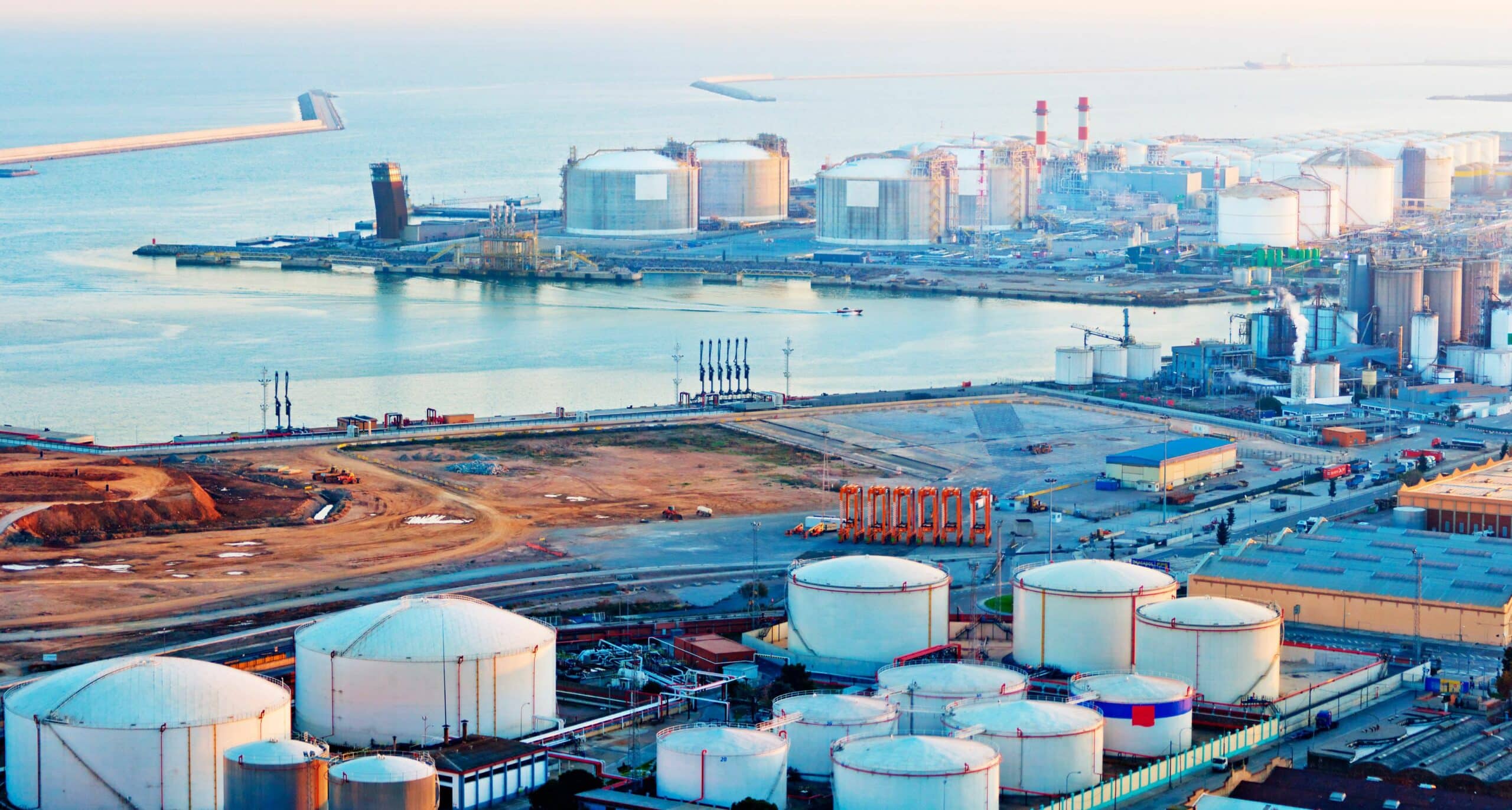
Brazil Should Be the Center of New Liquefied Natural Gas (LNG) Demand Activity in Latin America for at Least the Next Decade, According to Experts
“Natural gas remains the transition fuel in Brazil because it allows for the maximum penetration of wind and solar energy,” said Roberto Ferreira da Cunha, director of the consultancy BRG Energy & Climate for South America. He added that Brazil has 10 new LNG import terminals at different stages of study.
Read Also
- Petrobras Starts Leasing Process for Liquefied Natural Gas (LNG) Regasification Terminal in Bahia
- Suape Port and Terminal in Bahia to Receive Imported LNG from Golar Power
- Ministry of Mines and Energy Authorizes Porto do Açu Thermoelectric Plant to Use Foreign Gas
- Sergipe Thermoelectric Plant Already Has ANEEL Authorization to Sell Energy
“Starting from the 2030s, it could take a different direction, but in this decade, gas still has a solid role in the region.” According to research from BRG, natural gas generation in Brazil could grow by 20 GW by 2040, increasing from 9% to 15% in the energy matrix. Natural gas is mainly used as a backup for hydropower in Brazil, and the advantage of LNG lies in its flexibility compared to other supply options, according to Ferreira.
“Sometimes LNG is just the dock,” Ferreira said, even with the floating regasification unit being leased. Argentina and Chile, which developed four regasification terminals in the first decade of this century, will see decreased demand for LNG imports and an optimization of existing infrastructure, in the absence of a “major reversal of global trends.” Chile has indefinitely postponed its third LNG import project set for Concepción.
-
Brazilian giant expands borders in the Southeast: Petrobras confirms new oil discovery in ultra-deep waters in the pre-salt of the Campos Basin.

-
Alert in the global energy market: Severe tropical cyclone hits the coast and disrupts gas production at major plants in Australia, threatening global supply.

-
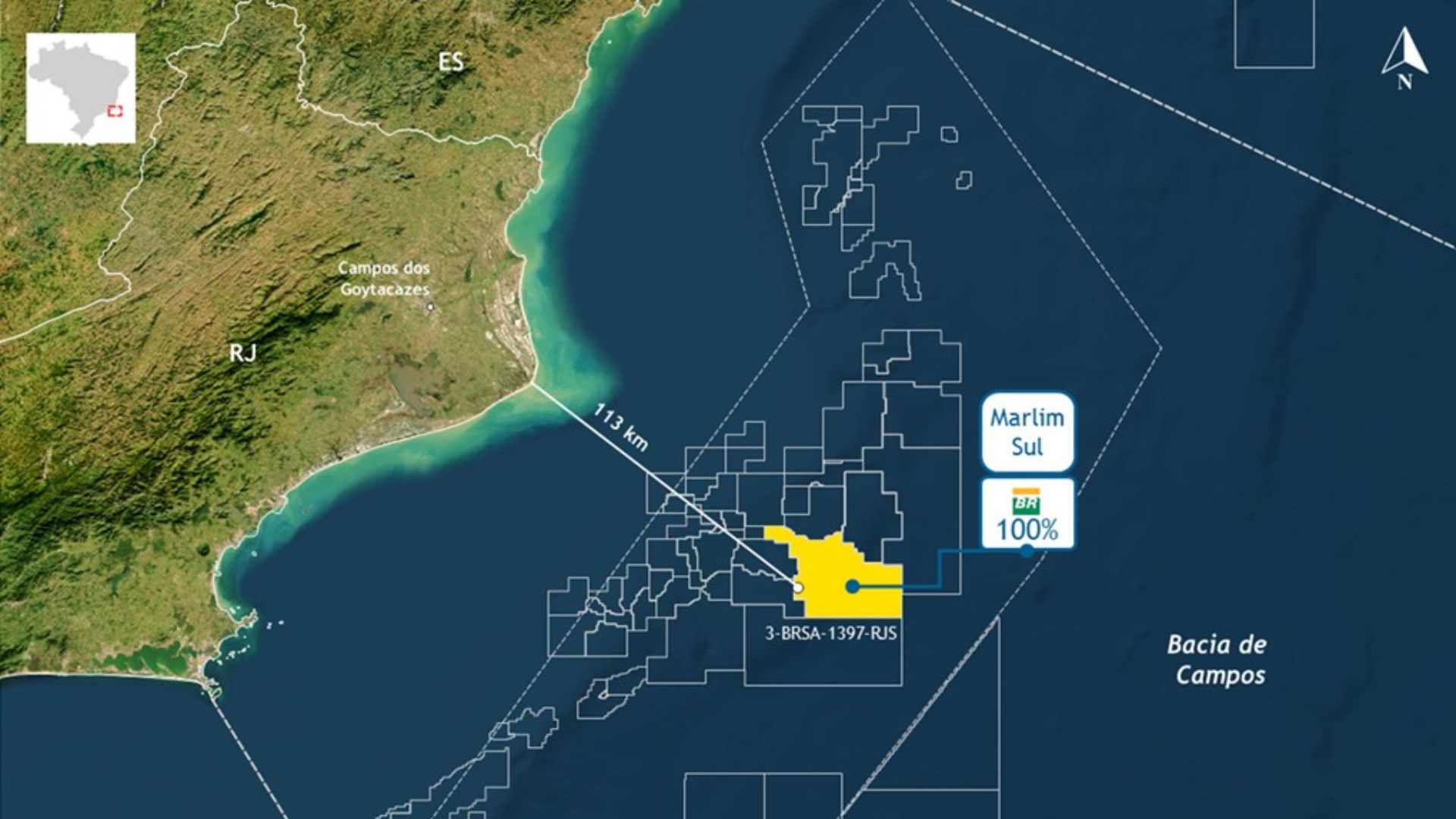
Petrobras finds high-quality oil in the pre-salt at 113 km from RJ and reignites expectations about strategic reserves in the Campos Basin.

-
Ocyan opens registrations for startups focused on innovation in the oil and gas sector and will select projects for Innovation Day with the support of Nexio.


Mexico Sees Drops in LNG Imports
Mexico is also experiencing a decline in LNG imports from its two terminals in Altamira and Manzanillo, with a focus now on potential emerging export facilities on the Pacific coast using gas from the U.S. and targeting Asian markets. Outside of Brazil, Colombia may also require additional LNG as a backup option during periods of low hydrology. Like Brazil, Colombia’s power grid is heavily reliant on hydropower.
Natural Gas Prices Remain Competitive in Brazil
Christopher Goncalves, President and CEO of BRG, stated that he sees only moderate price increases at Henry Hub until 2025, leading to stable LNG prices for South America of about US $ 5-7 / MMBtu.
He mentioned that there is “a good chance a carbon tax will be implemented in the United States” starting in 2022, leading to an initial reduction of U.S. LNG to international markets.
However, given market conditions, prices should not be significantly impacted, which is a testament to “supply diversity, supply flexibility, and trading liquidity.”
Brazilian LNG Deregulation
Brazil is undergoing a transformation that opens market opportunities for natural gas and LNG players. Earlier this month, the Brazilian Chamber of Deputies approved a regulatory framework for the natural gas sector, paving the way for a similar opening seen in Mexico’s gas market over the past six years.
The bill includes restrictions on market participants operating in different segments of the gas market, which would effectively break the monopoly of the state-owned company Petróleo Brasileiro (Petrobras).
The bill also guarantees free access to pipelines, a market-based tariff scheme, and a storage policy.









Seja o primeiro a reagir!