





 Portuguese
  English
  Spanish
  4 min of reading
  0 comments


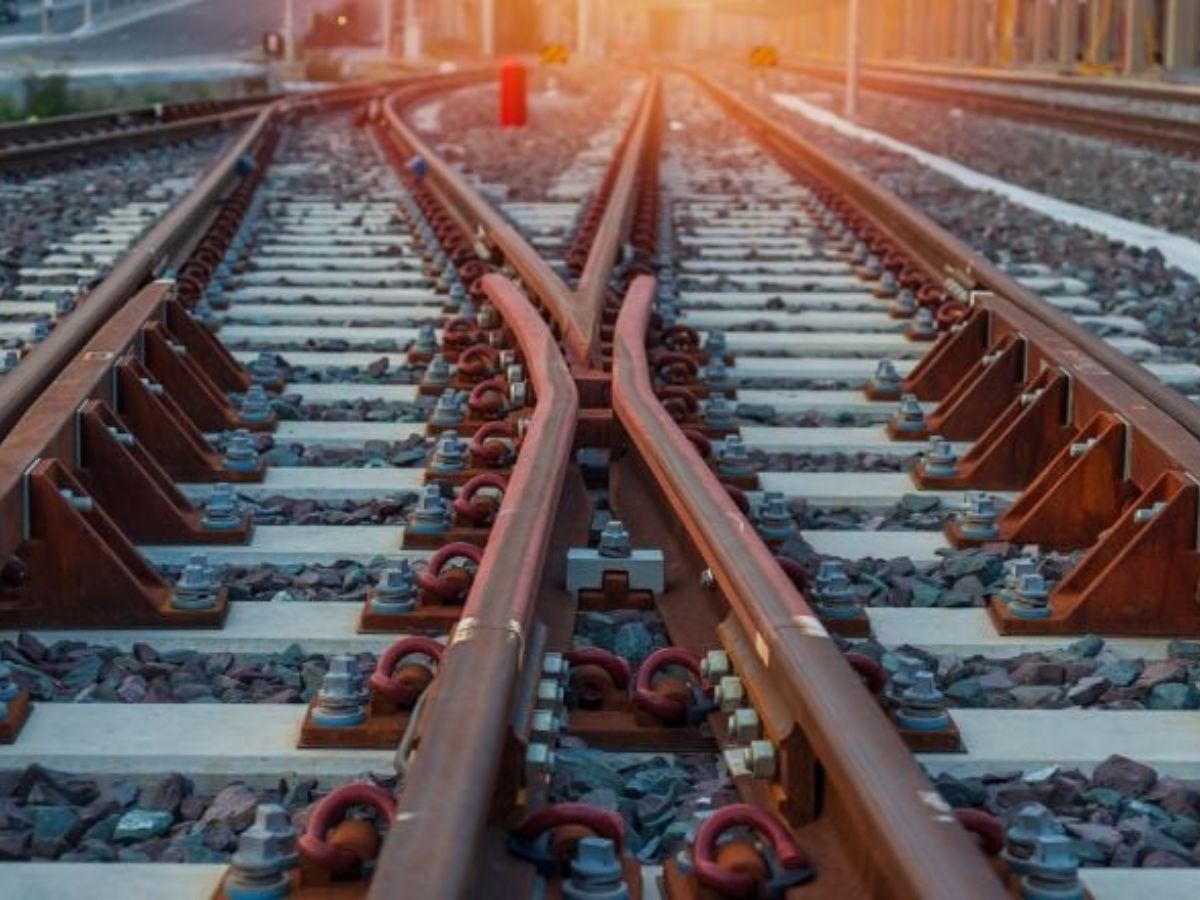
Discover The Historical And Structural Factors That Explain Why Rail Transport In Brazil Does Not Keep Pace With Its Territorial Extent.
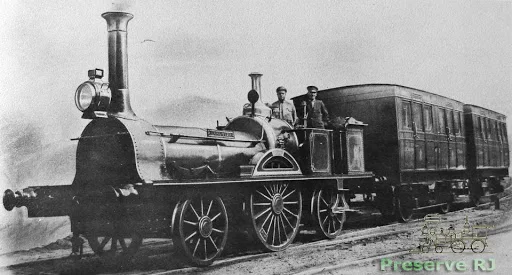
On April 30, 1854, Brazil took a giant step towards modernization. Irineu Evangelista de Souza, the gaucho who would become the Baron of Mauá, inaugurated the country’s first railway. A few minutes after the inaugural journey — aboard the locomotive Baroneza, named in honor of his wife —, Mauá received from Dom Pedro II himself the noble title that would establish him as the first great industrial businessman in Brazil.
The railway connected the Port of Mauá to the base of the Serra da Estrela, covering 14.5 km in about 23 minutes. It was just the beginning of a project intended to reach the imperial city of Petrópolis, and later extend to São Paulo and Minas Gerais. Although this plan was not fully realized, the initiative marked Brazil’s entry into the era of industrialization.
The Fleeting Glory: How Rails Lost Space In Brazil
Despite its promising start, Brazilian railways did not keep pace with the technological evolution and logistical planning that marked other countries. In the early 20th century, trains were the main means of transporting goods and passengers in the country, but economic and political events would change that reality.
-
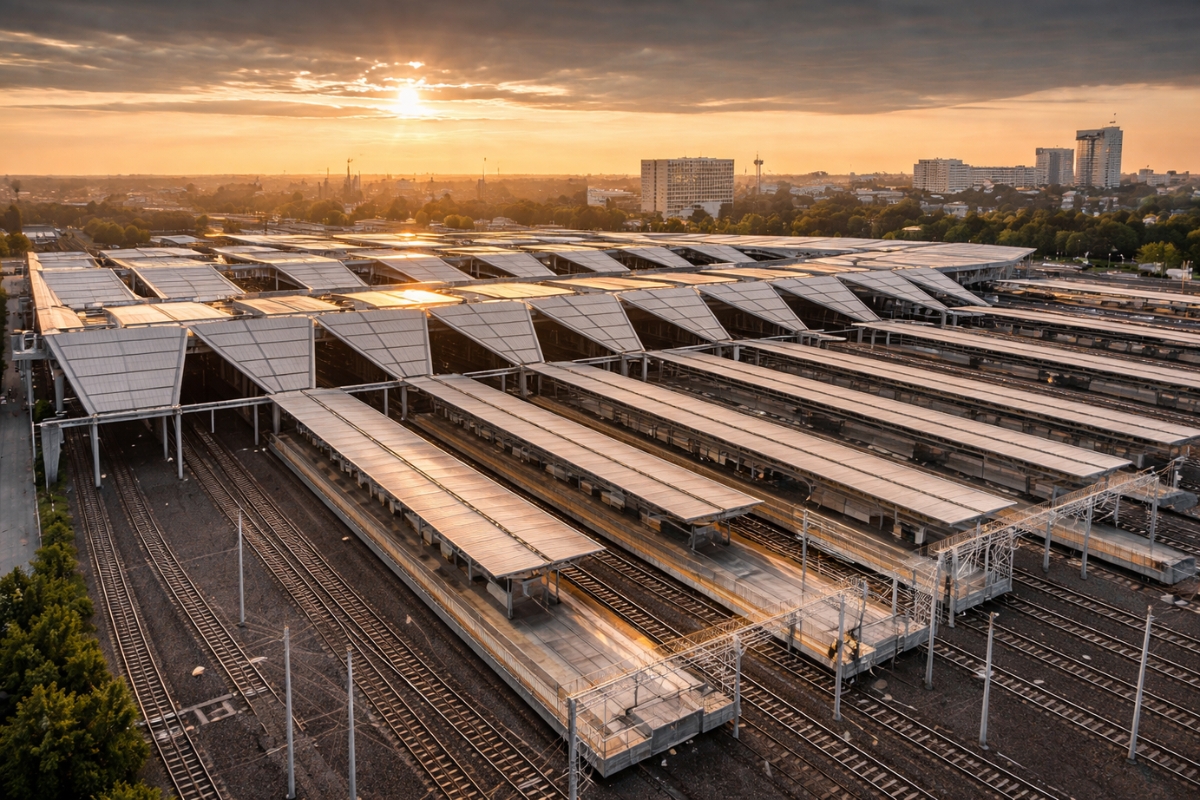
In A European City, The Country’s Largest Railway Junction Was Modernized Without Closing Its Doors, Kept Trains Running During Years Of Construction, Now Serves Up To 60,000 Passengers Per Day, And Installed Solar Panels That Generate About 30% Of Its Energy
-
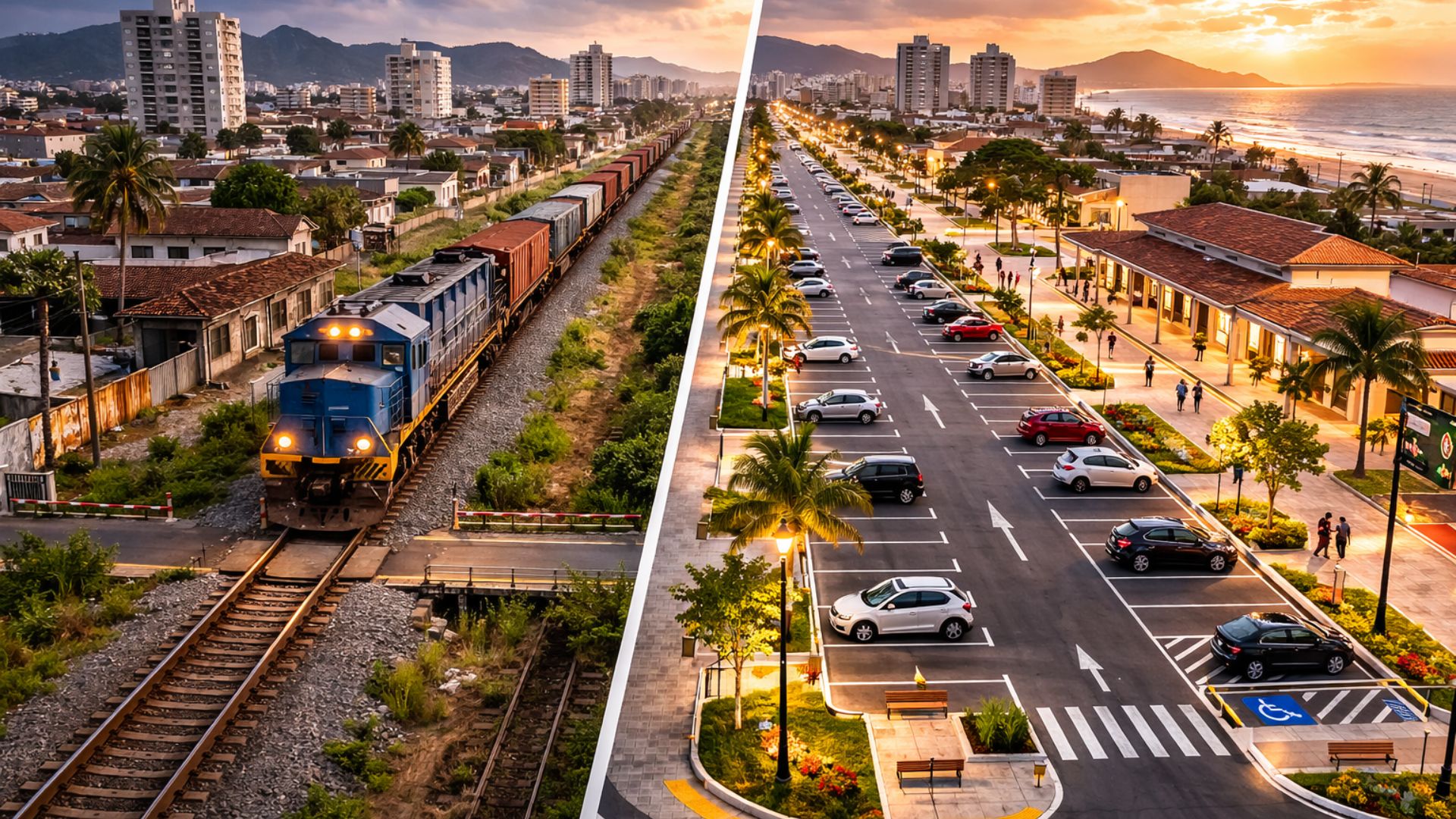
Famous Brazilian Railway May Become a Parking Lot
-
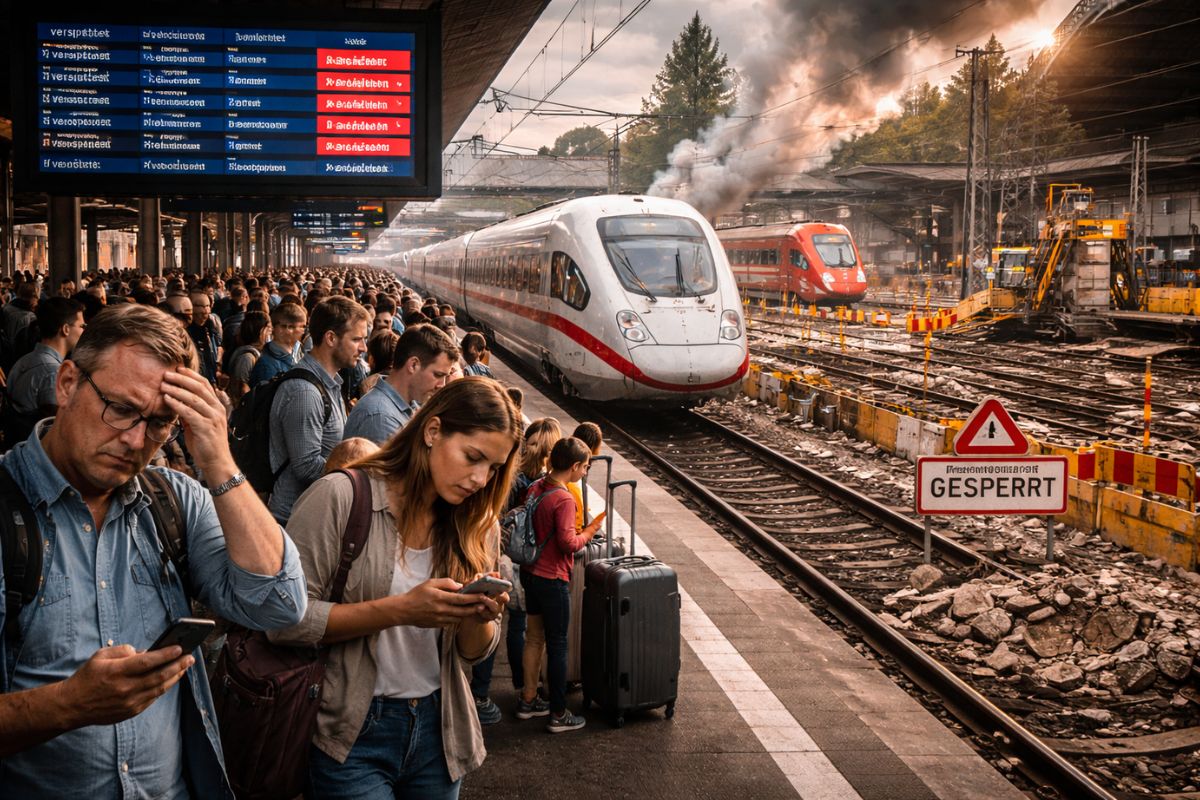
The Country of “Punctual As a Train” Admits It Has Lost Control: High-Speed Trains Delay, Stop, Disappear from the Map and Turn 6-Hour Trips into 10, While Deutsche Bahn Promises Restructuring in 2026 But Faces 19th Century Infrastructure, Staff Shortages and Sections Closed for Months
-
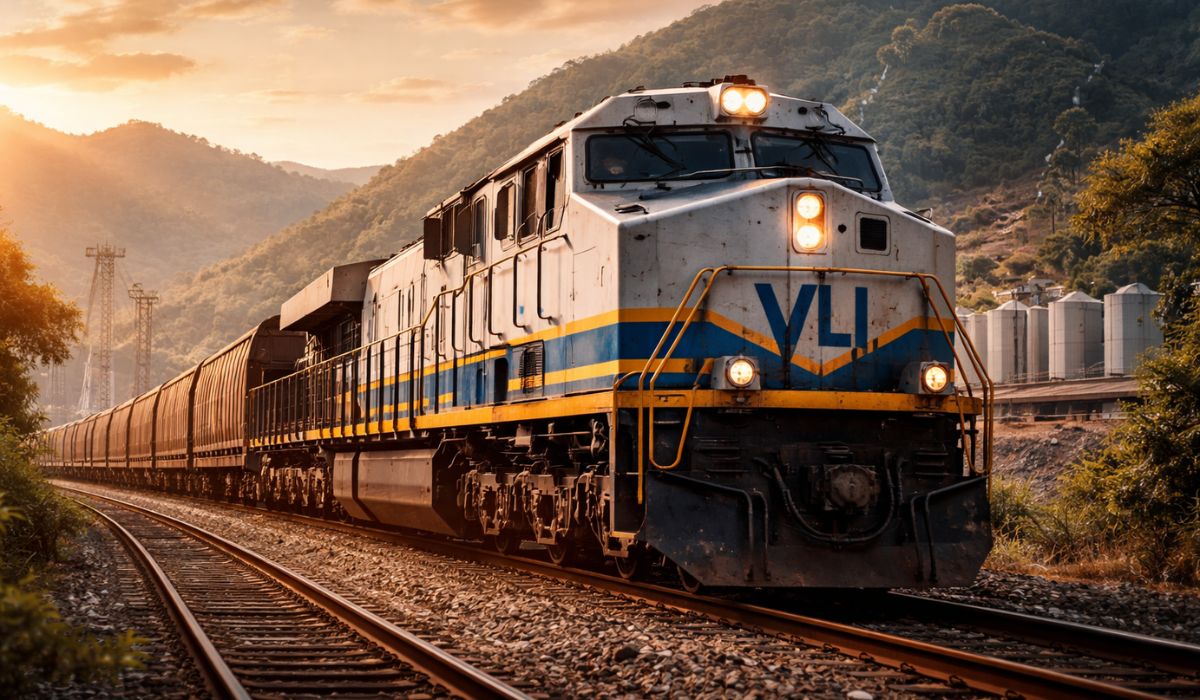
With an Investment of R$ 700 Million in One of the Country’s Main Rail Networks, VLI Reinforces Infrastructure, Receives 8 New Locomotives, and Expands the Corridor Connecting 7 States, Boosting Jobs and the Transportation of Grains, Ore, and Oil Products to the Port of Santos

The 1929 crisis, which affected Brazilian coffee exports, shook the profitability of the railway lines. By the 1950s, the government of Juscelino Kubitschek prioritized the automotive industry, investing heavily in the construction of highways and consolidating car culture. The railways, abandoned, became obsolete.
The Paradox of Rails: Much Distance, Little Connection
Today, Brazil has about 30 thousand kilometers of tracks, according to data from the National Department of Transport Infrastructure (DNIT). However, over 11 thousand kilometers are deactivated, and most of the remaining railway network is concentrated in the Southeast and South. The Midwest and North of the country have virtually no significant railway coverage.
But the biggest obstacle to the efficiency of rail transport in Brazil is the fragmentation of gauge — the distance between the tracks. Throughout history, each company built its lines with different measurements, prioritizing local interests, mainly the flow of coffee to the ports. As a result, the country reached the end of the Empire with eight different types of gauge, which still prevents the integration of the national railway network today.
While countries like the United Kingdom and the United States standardized their railways in the 19th century, Brazil only began to discuss standardization in 1970, already in the midst of the industry’s decline. Today, the country operates with three main types of gauge: narrow (1 meter), broad (1.60 meters), and standard (1.435 meters), with the latter used on only 194 km of tracks in the national territory.
The Cost of Disconnection: Expensive and Inefficient Logistics
The lack of integration among Brazilian tracks directly impacts logistical costs. On routes between 400 and 1,500 km — ideal for rail transport —, Brazil is forced to rely on trucks, raising freight costs and increasing carbon emissions. According to experts, only the unification of gauge would allow for the full utilization of the existing network.
However, this process is extremely costly. Adapting broad gauge tracks to narrow gauge costs about R$ 2 million per kilometer, while the reverse — widening the tracks and adapting the infrastructure — can cost up to R$ 3.5 million per kilometer. This investment, although high, could completely transform national logistics, as already happens in countries with continental dimensions, such as China, Russia, and even Australia.
A Breath of Hope: The High-Speed Train Between São Paulo and Rio
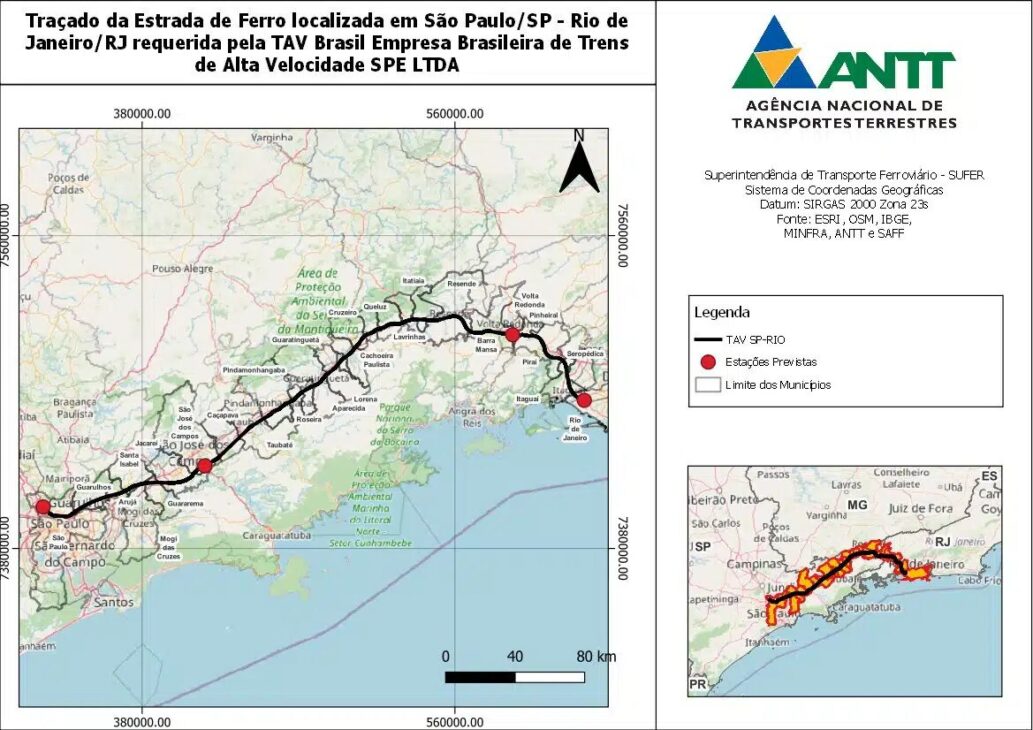
In 2023, the National Land Transportation Agency (ANTT) authorized the project of the High-Speed Train (TAV) between São Paulo and Rio de Janeiro. With construction set to begin in 2027 and inauguration in 2032, the project will cover 417 km and will use standard gauge, also connecting the cities of Volta Redonda and São José dos Campos.
The train will be powered by electricity and could reach speeds of up to 320 km/h. Besides representing a technological advance, the initiative marks a commitment to sustainability: according to the International Union of Railways, the carbon footprint of high-speed trains is up to 15 times lower than that of air transport.
The Future On Rails: A Path That Can Still Be Resumed
The history of railways in Brazil is marked by great achievements, such as those of Mauá, but also by misguided political decisions and a lack of long-term vision. With the growing environmental agenda, the search for efficient and sustainable transport solutions rekindles the debate on the importance of railways.
Unifying gauges, investing in the modernization of existing tracks, and expanding the railway network are necessary steps. Brazil, a country of continental dimensions and enormous logistical challenges, can no longer postpone this discussion.
The phrase attributed to an old Chinese proverb sums up the current moment well: “The best time to plant a tree was 20 years ago. The second best time is now.” May the country, finally, not miss the train of history — once again.









-

Uma pessoa reagiu a isso.