





 Portuguese
  English
  Spanish
  5 min of reading
  9 comments


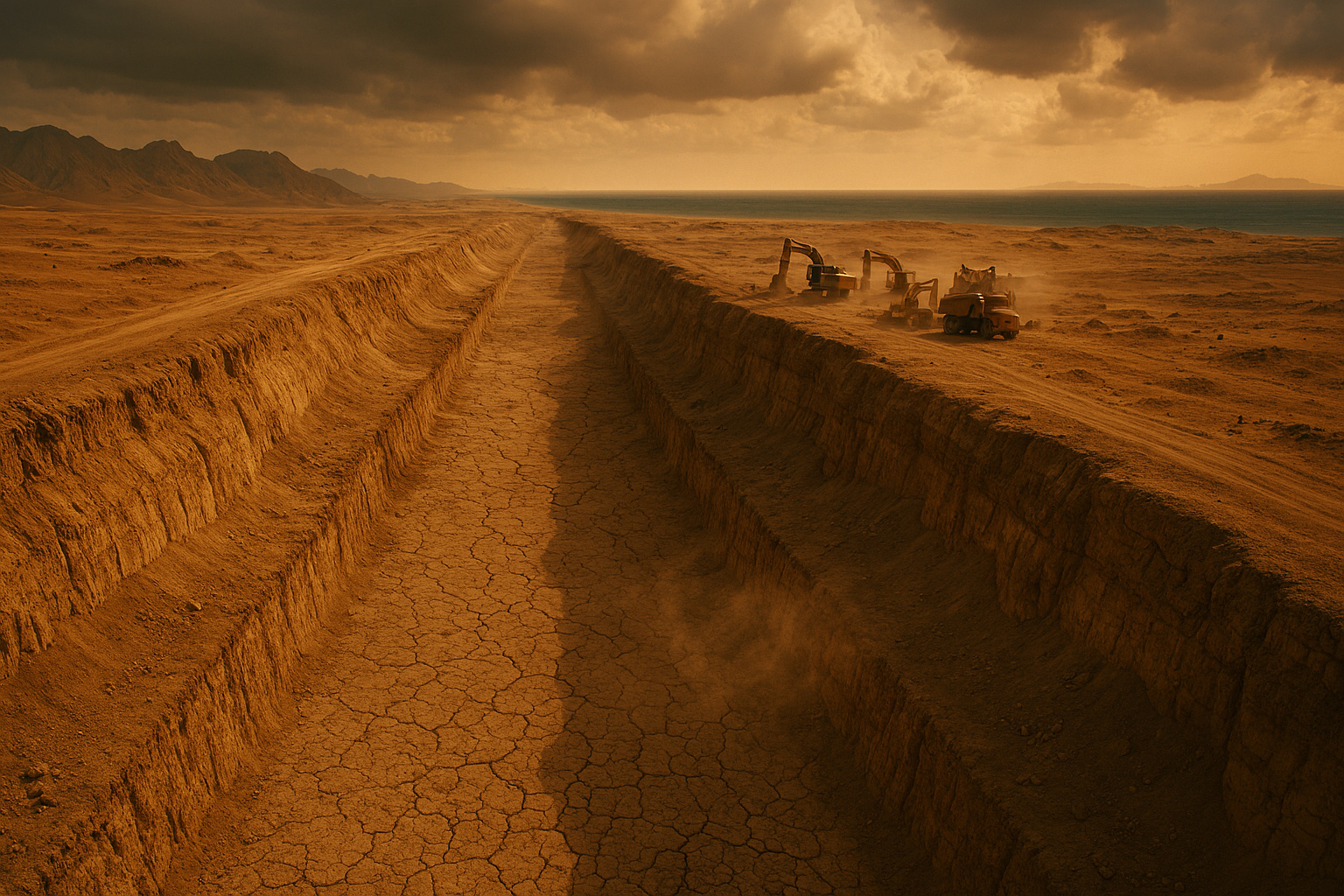


Budgeted at Up to US$ 10 Billion, the Canal Between the Red Sea and the Dead Sea Awaits Indefinitely, Without Construction and Without Confirmed Funding.
The level of the Dead Sea drops, on average, by more than one meter per year. Where there was once water, today there are craters, exposed salt bands, and completely unstable areas. The collapse of the ecosystem is not a prediction; it is already underway. It was in the face of this real crisis that one of the most ambitious projects of modern water engineering was born: the Red Sea–Dead Sea Water Conveyance, the canal that would connect the Red Sea to the Dead Sea through tunnels and pipelines in the desert.
The idea was simple in concept and colossal in execution. Bring water from the Red Sea to replenish the level of the Dead Sea, generate energy at the natural drop of over 400 meters, and also produce desalinated water to supply one of the driest regions on the planet. In practice, this would mean redesigning the hydrology of the entire area between Israel, Jordan, and Palestine.
A 180 Km Canal in the Desert and a Cost That Reached US$ 10 Billion
The official studies pointed to a hydraulic corridor of about 180 kilometers in length, crossing desert zones, seismic areas, and politically sensitive regions. To overcome the differences in elevation and maintain the necessary flow, the project anticipated pumping stations, pressurized tunnels, equalization reservoirs, and at least one large reversible hydroelectric plant.
-
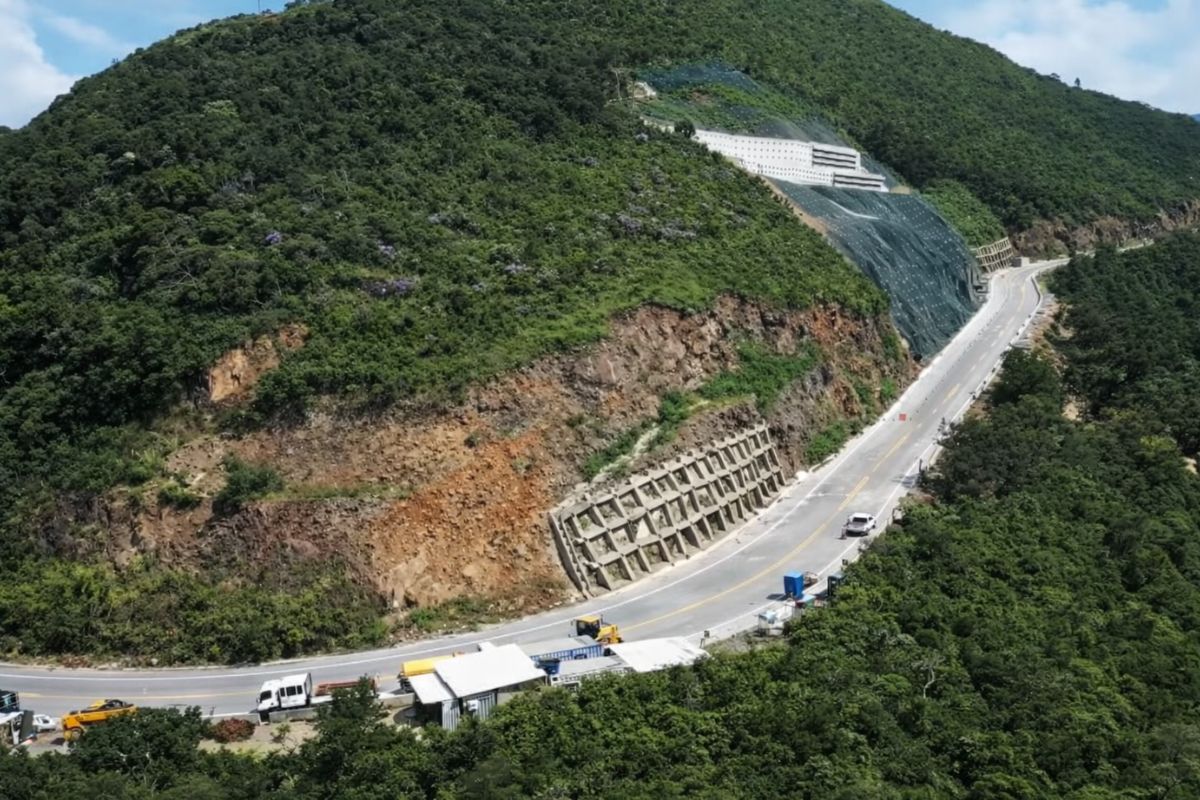
The section of Serra da Rocinha on BR-285 is now open in Timbé do Sul: 50 m tensioned curtains and top-down technique stabilize the slope, with a stairway duct controlling the water.
-
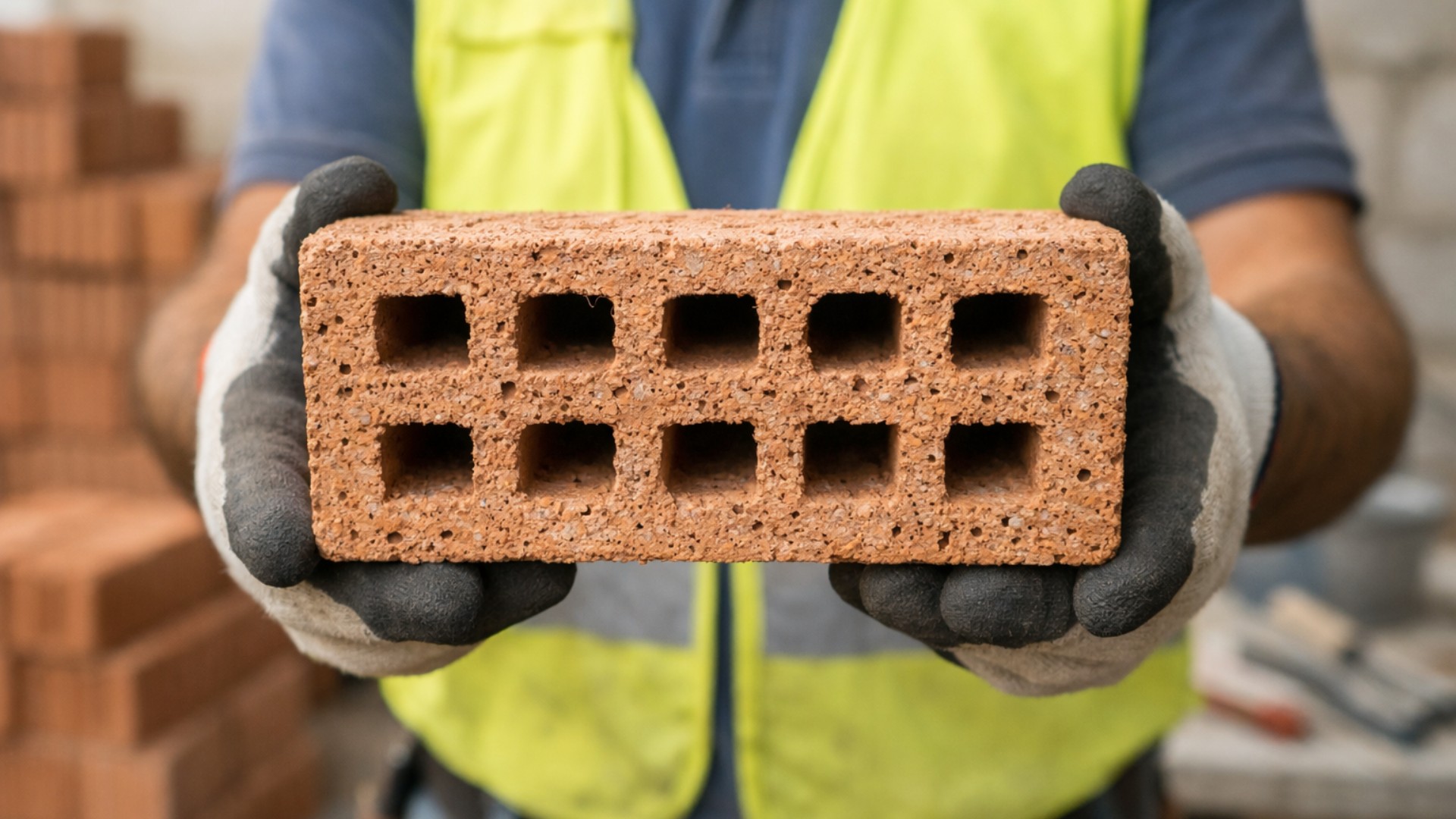
Scientists use sawdust mixed with clay to create a lighter brick, promising efficient thermal insulation and impressing by transforming waste into a solution for construction.
-
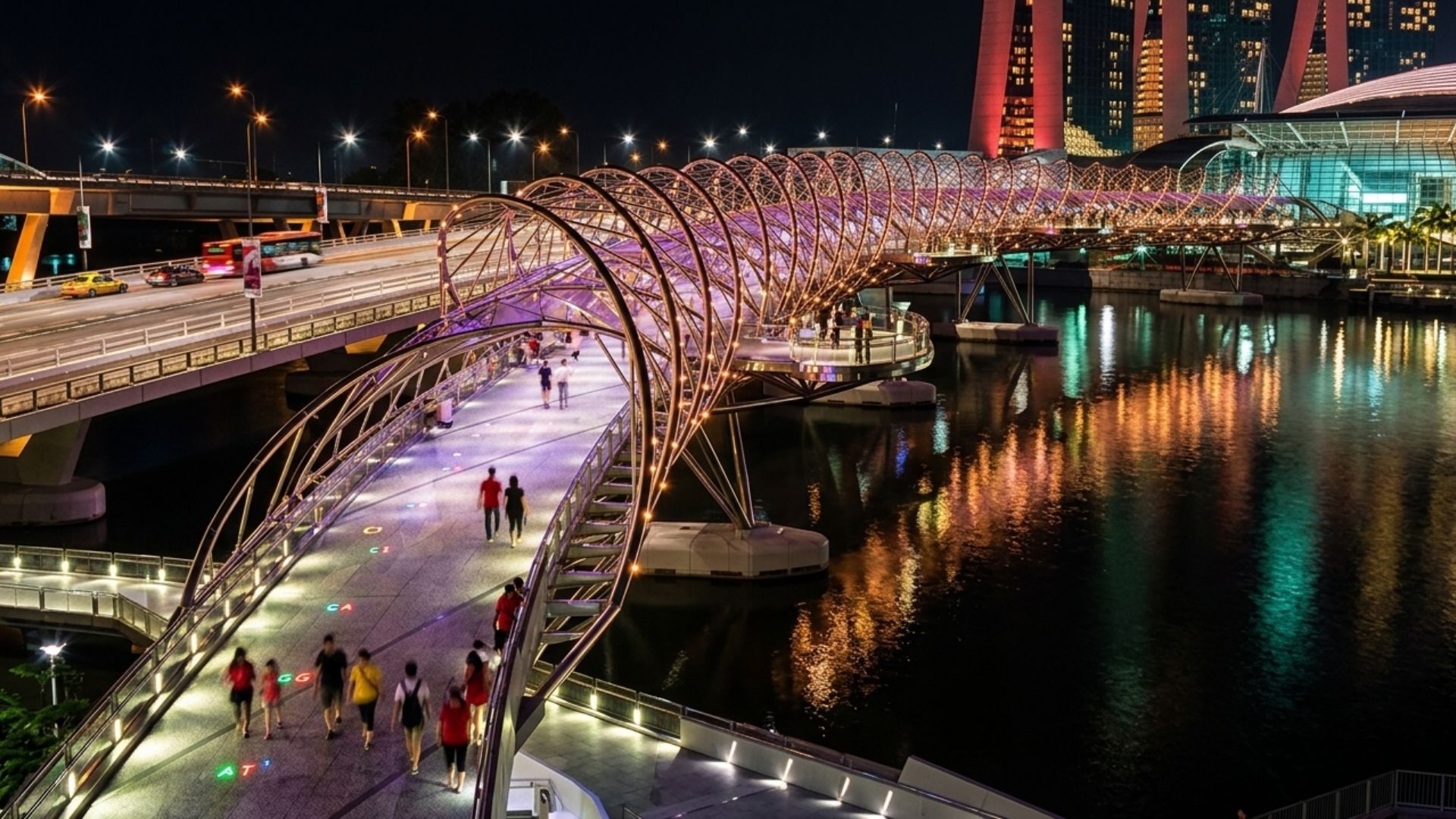
With a DNA shape, this bridge in Singapore draws attention in modern architecture and surprises tourists by transforming a simple crossing into an unforgettable visual experience in the urban heart.
-
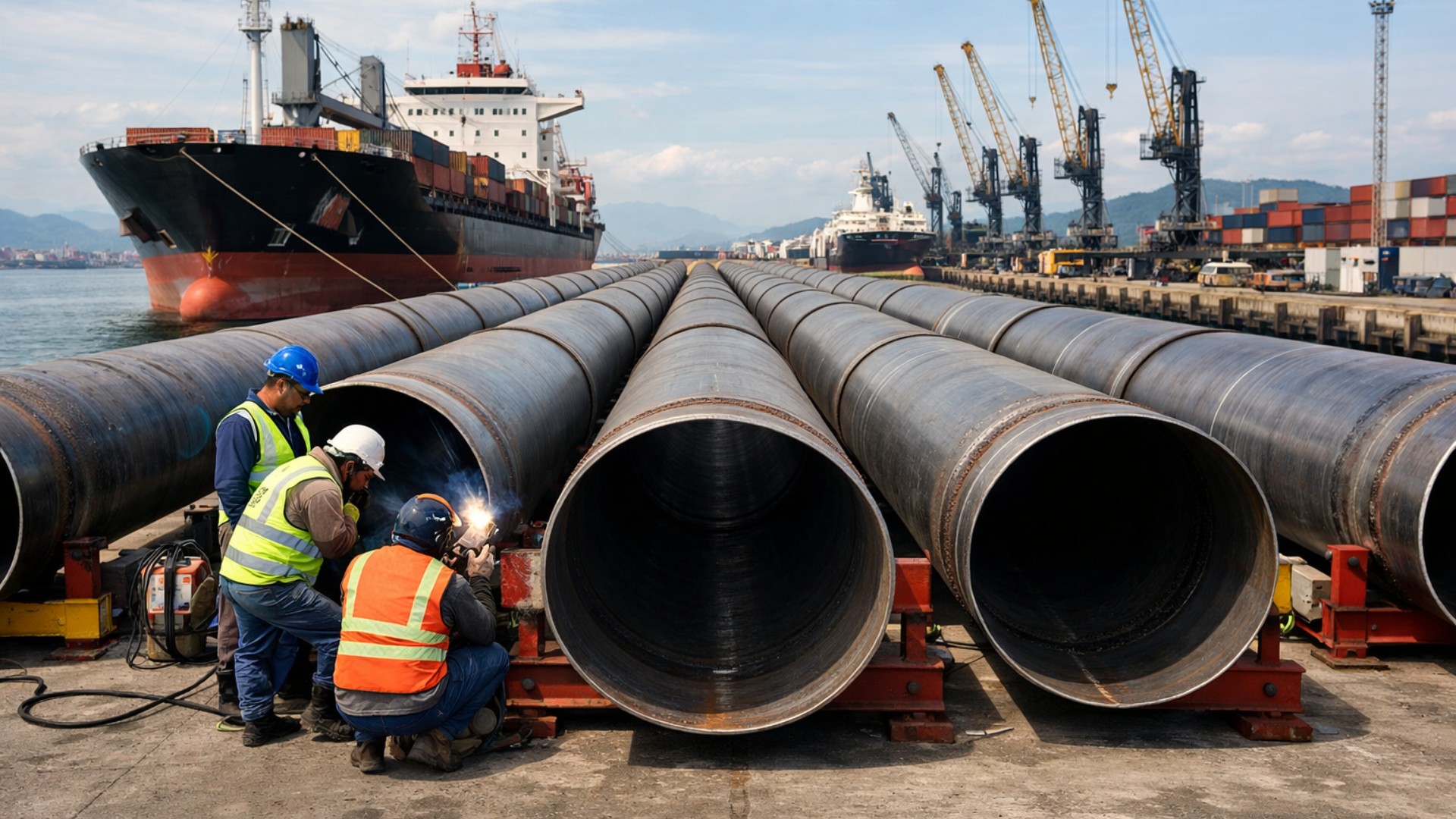
Giant underwater pipeline begins to take shape with a R$ 134.7 million project at the Port of Santos: the 1.7 km structure uses 12-meter and 700 mm pipes to supply water to 450,000 people in Guarujá.

The initial cost, which started at a few billion, quickly escalated. In its more complete versions, the project came to be budgeted at up to US$ 10 billion, an amount sufficient to place it among the most expensive water works ever planned by humanity.
This cost involved not only physical construction but also:
- population resettlement,
- environmental protection works,
- international compensations,
- chemical water monitoring systems,
- and multilateral diplomatic agreements.
The Energy Promise: Electricity Generated by the Waterfall Itself
The Dead Sea is more than 430 meters below sea level, the lowest point on dry land on the planet. This difference would allow water to descend naturally, generating energy along the way — a classic concept of gravitational hydroelectricity.
Theoretically, part of the energy produced would power the system’s own pumps, while another part could supply cities in Jordan and Israel. At the end of the route, the water would still undergo partial desalination, generating fresh water for human and agricultural consumption.
It was a project that promised to unite energy, water, environment, and geopolitics into a single integrated engineering system.
The Environmental Risk That Gave Scientists the Red Alert
The biggest obstacle to the project was not just the cost. It was the environmental risk. The Dead Sea is a unique water body on the planet, with extreme salinity and a chemical composition completely different from that of the Red Sea.


Mixing these two systems could generate:
- unpredictable chemical reactions,
- algae proliferation in a historically sterile environment,
- change in the water’s color,
- formation of suspended gypsum,
- irreversible alteration of the ecosystem.
Environmental reports warned that an intervention of this scale could not save the Dead Sea but rather transform it into something entirely new and possibly unstable.
The Political Impasses That Were Never Fully Resolved
The project directly involves:
- Israel,
- Jordan,
- as well as the Palestinian territorial issue.
Every cubic meter of water moved touches on strategic interests, national security, urban supply, and water sovereignty. Even when memorandums of understanding were signed, the regional political instability always kept the project at permanent risk.
No international investor accepts financing a US$ 10 billion project without solid long-term political guarantees. And those guarantees have never fully materialized.
What Happened in Practice: The Project Entered Indefinite Wait
Despite decades of studies, public hearings, environmental models, hydraulic simulations, and technical proposals, no structural work on the canal has been initiated. There are no excavations in progress, there are no active work sites, and there is no current budget for execution.
In practice, the Red–Dead went from “megaproject in advanced planning” to “frozen project in indefinite wait”. It has not been officially canceled, but it also does not have:
- secured financing,
- defined schedule,
- active construction consortium,
- nor date for resumption.
Today, it survives only as an academic study object and as a long-term hypothesis in strategic documents.
While the Canal Does Not Come Out, the Dead Sea Continues to Recede
The problem that gave rise to the project has not disappeared. The Jordan River, the main feeder of the Dead Sea, has had its flow drastically reduced by damming, agricultural use, and urban consumption. Result: the lake continues to shrink.
Tourist areas have been abandoned, roads have sunk due to craters in the saline soil, resorts have been isolated, and entire communities have had to adapt to a new coastline that recedes year after year.
In other words, the Dead Sea continues to slowly die while the billion-dollar project that promised to save it remains stuck on paper.
A Megaproject That Became a Symbol of Ambition, Risk, and Paralysis
The canal between the Red Sea and the Dead Sea has entered a rare category of modern engineering: gigantic projects that, even if technically feasible, become hostage to their own size, extreme cost, environmental risks, and geopolitics.
Valued at up to US$ 10 billion, it promised to redraw the water map of the Middle East. Today, it represents a clear example of how engineering does not always manage to advance at the same pace as environmental needs.
A Future Still Open
Nothing prevents that, in the future, with new technologies, new regional agreements, and new sources of financing, the project is resumed in a different, smaller, or more segmented version. But in the current scenario, it remains as one of the largest water megaprojects in the world that never left the drawing board.
Meanwhile, the Dead Sea continues to lose volume, and the original question remains unanswered: who will save one of the most unique ecosystems on the planet?






Pois é, enquanto Israel luta pra tentar viver em pais, (produz novas tecnologias q o mundo copia e de quebra sustenta inimigos mortais que gastam bilhões só tentando destruir Israel. O que Nunca irão conseguir. Não mais.
Deus fez o Mar Morto como lhe convinha… Ele não falha, vocês só vão gastar dinheiro no futuro se procurarem mexer isso…
Tudo é Projecto de Deus.
O MUNDO NEM ERA UM LUGAR DE SE VIVER, MAS HOJE NEM DE SE MORRER É! 😎😎
Enquanto isso os governantes da região se preocupam mais em exterminar crianças em gaza…..gastaram muitos bilhões bombardeando e destruindo ….e ai quer investidores pro canal?.
Enquanto isso o Hammas um Grupo Terrorista aniquila bebês no berço, estupra mulheres e mata idosos!!!!