





 Portuguese
  English
  Spanish
  3 min of reading
  0 comments


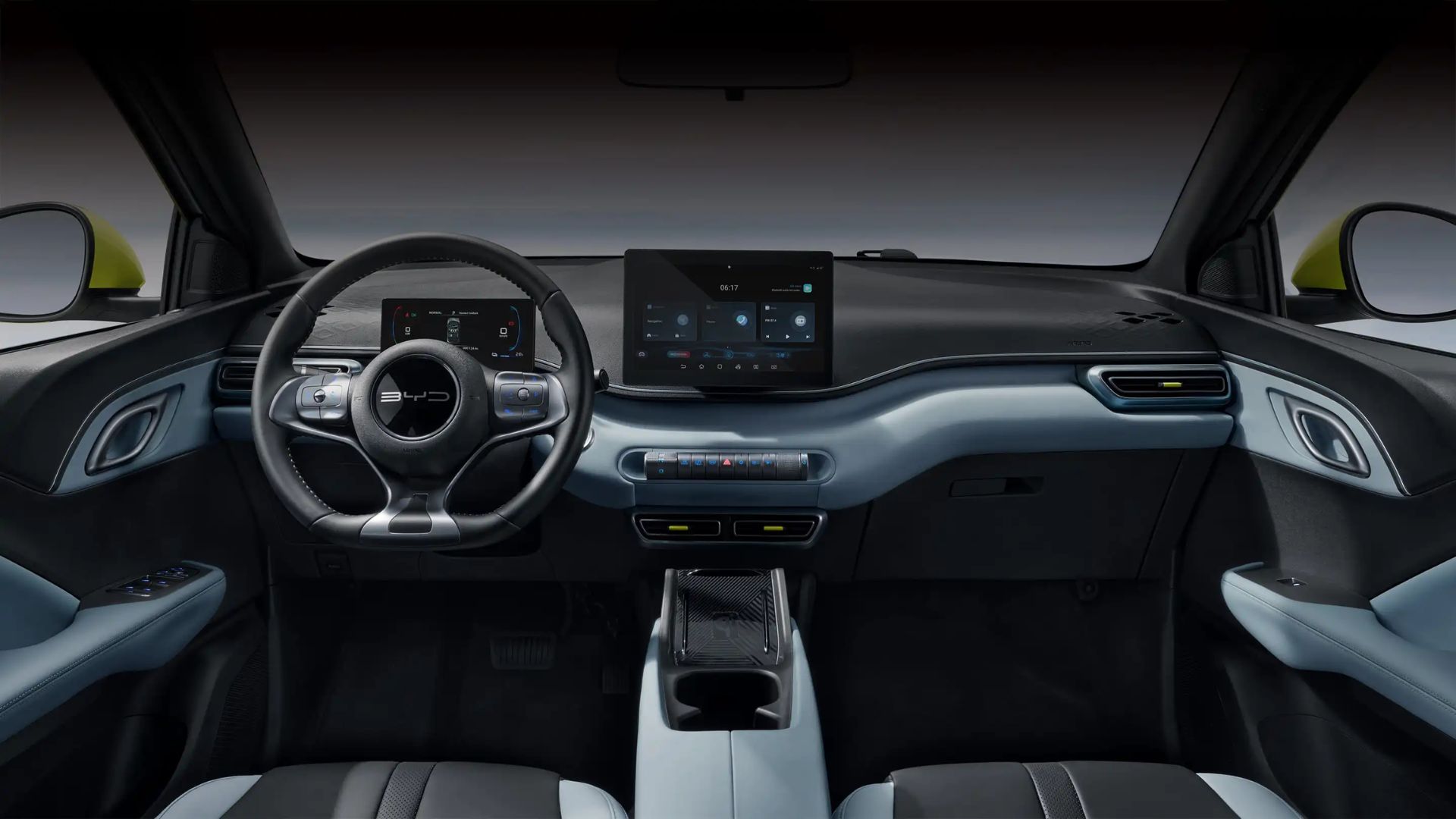
New Battery-Powered Model Should Be Launched In National Territory By 2026, With Manufacturing In The Country, More Affordable Prices Than Current Ones, And Autonomy Capable Of Meeting Urban Daily Use
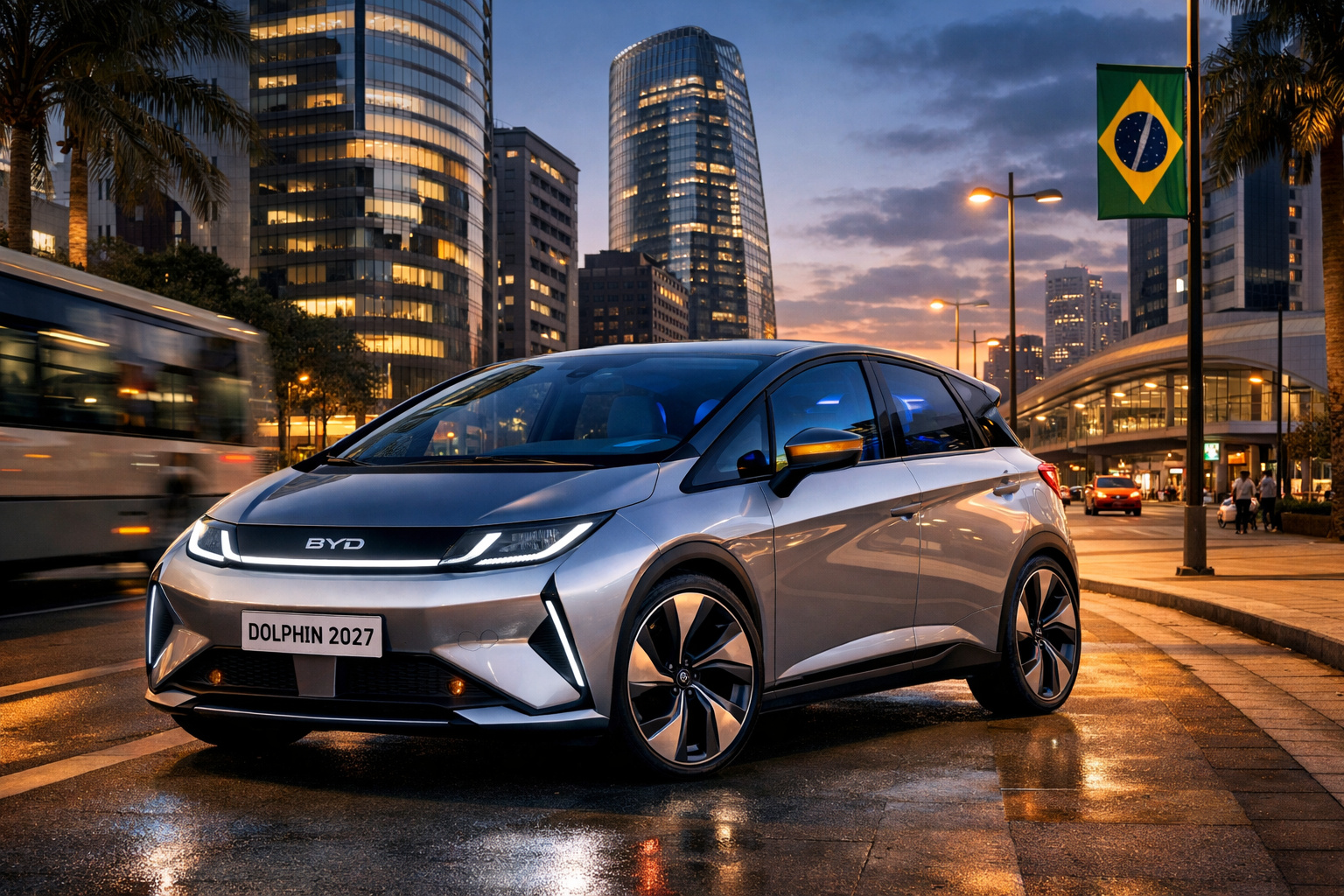
An affordable electric car is expected to arrive in Brazil in 2026, promising to change the automotive market by combining local production, competitive pricing, and sufficient autonomy for urban use. The news comes amid a backdrop of expanding electric vehicle sales and policies favoring national manufacturing.
Growth Of The Electric Market In Brazil
In the first eight months of 2025, more than 44,000 100% electric cars were sold in Brazil, representing 4.4% of the total registrations. The number shows significant growth compared to previous years, although prices are still considered high by most consumers.
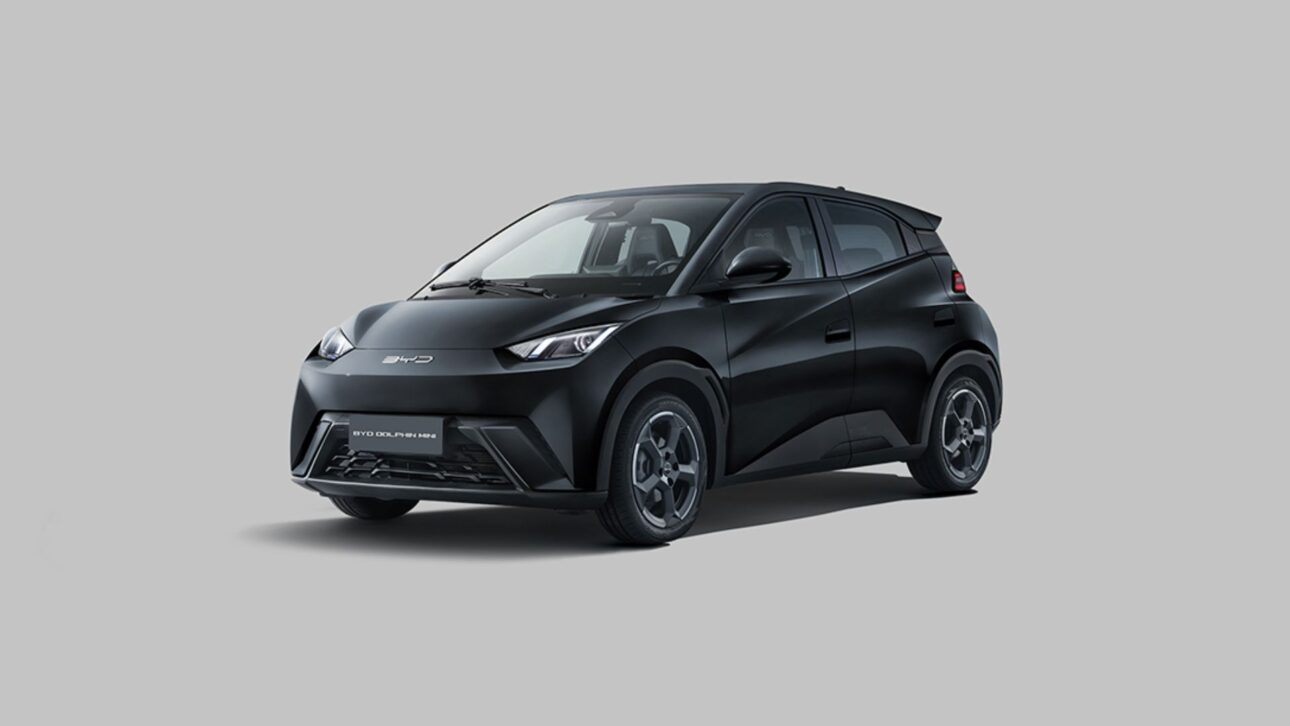
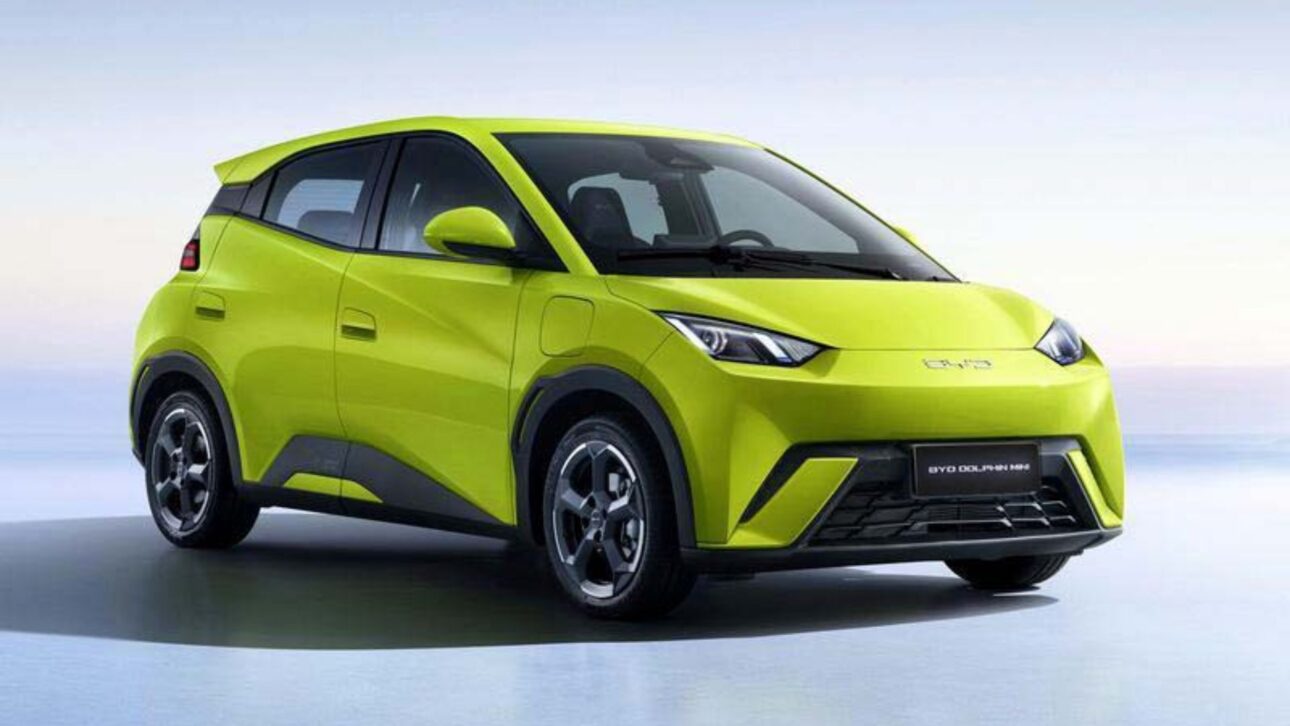
Among the most popular models, the BYD Dolphin Mini leads comfortably, having surpassed the mark of 35,000 units sold since 2024. The model’s success indicates that there is a receptive audience for more affordable and functional vehicles in the country.
-
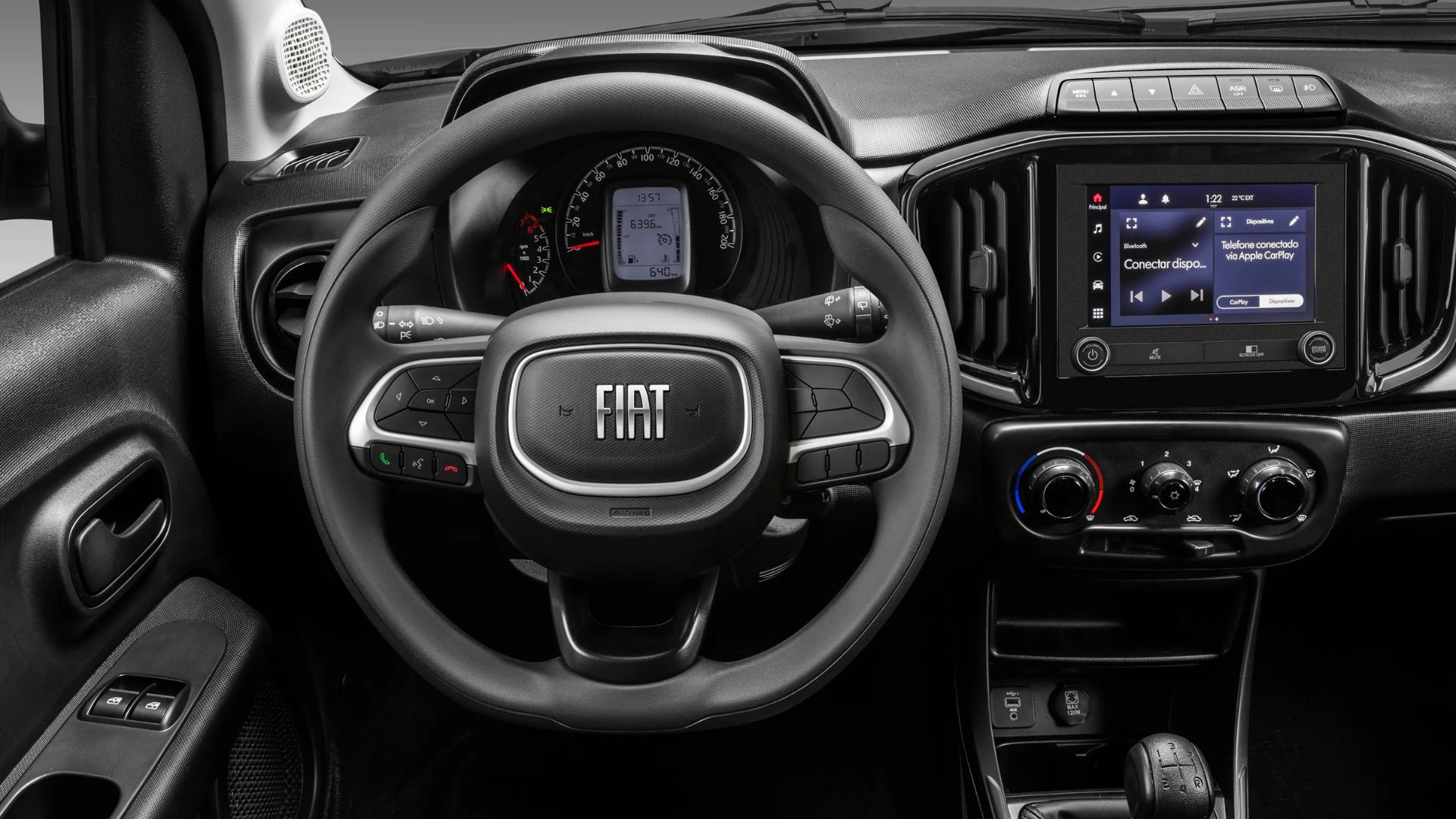
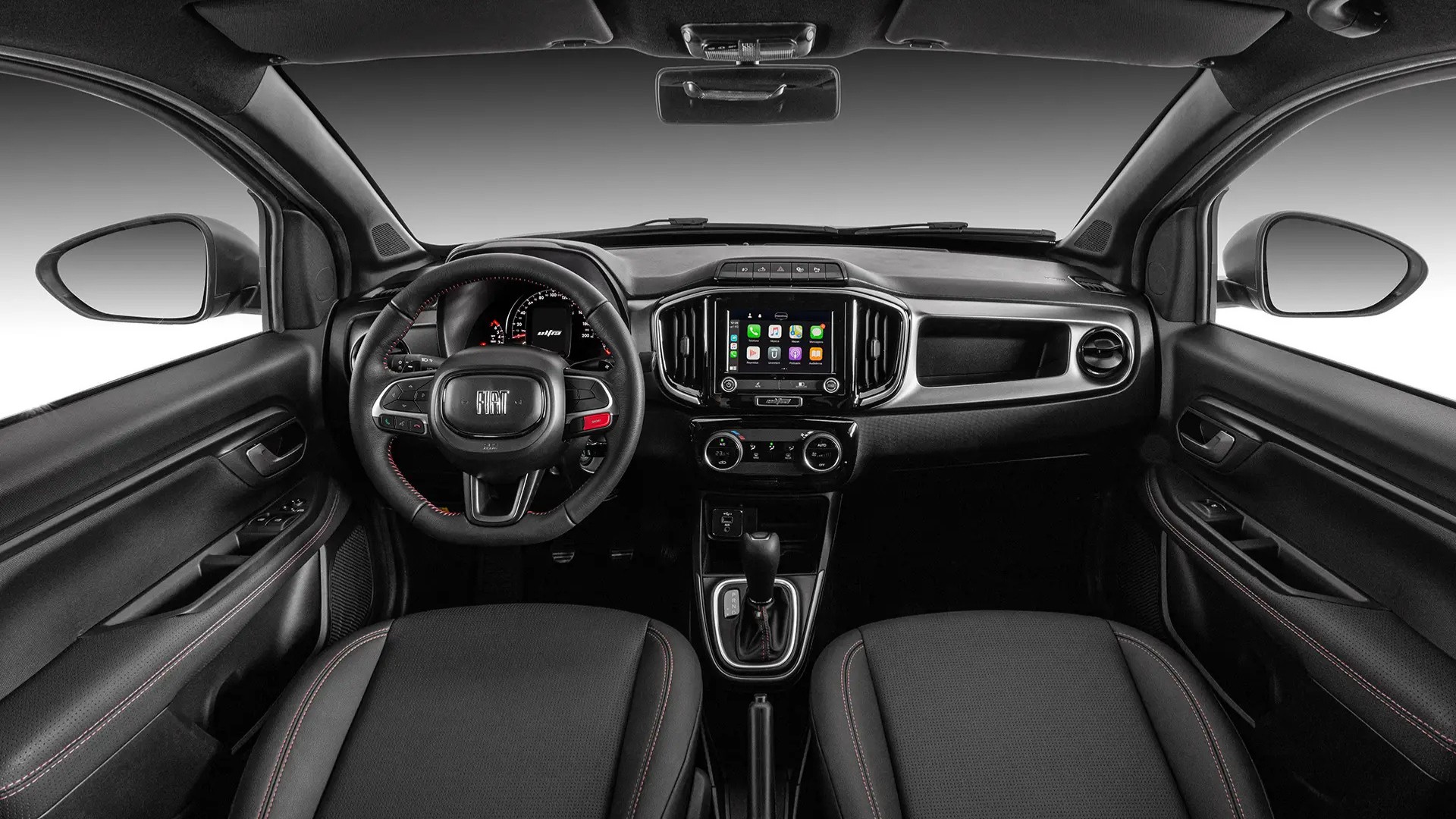
With a 1.0 engine producing 75 hp and costing less than R$ 70,000, Fiat’s car returns to the podium as the cheapest in the country; a temporary promotion for the 2026 Like version reduces the price of the Fiat Mobi.
-
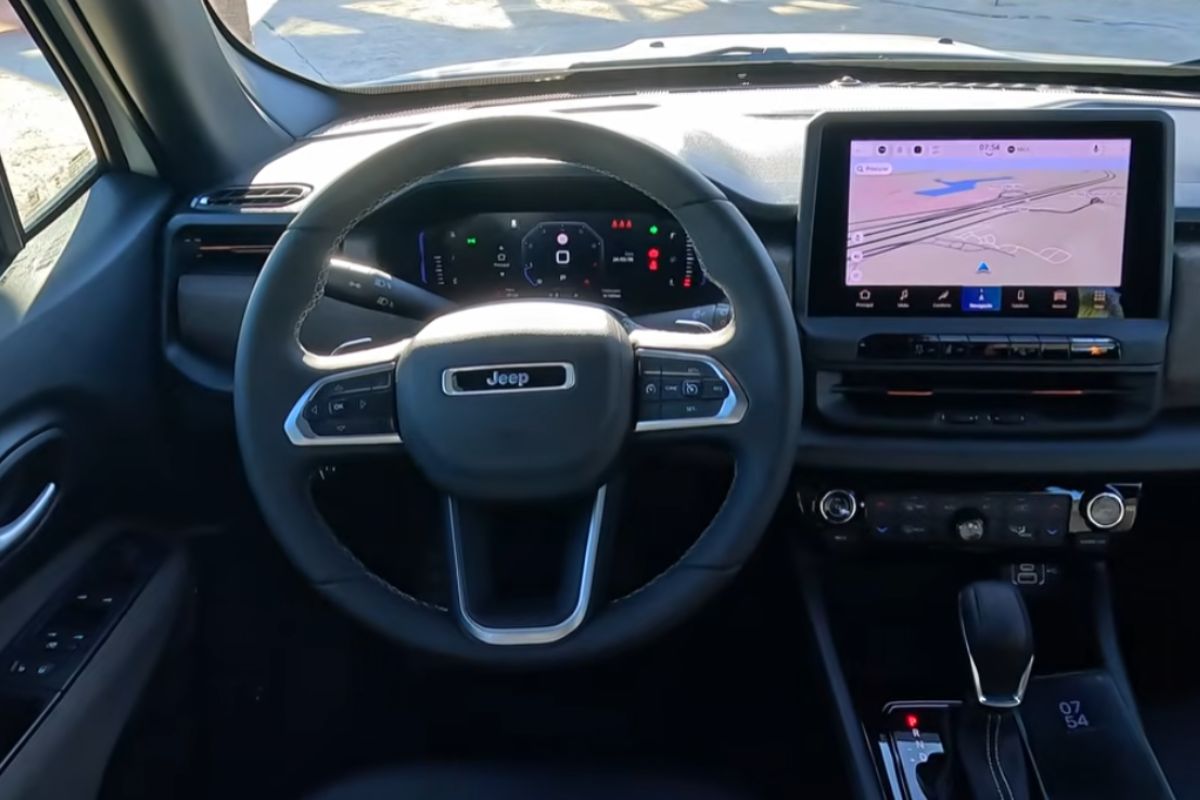
With a mild hybrid system of 48 V, 176 hp and a price of R$ 175,990 in the Sahara version, the new Jeep Renegade changes mostly on the inside, improves slightly in fuel consumption, and remains almost the same car.
-
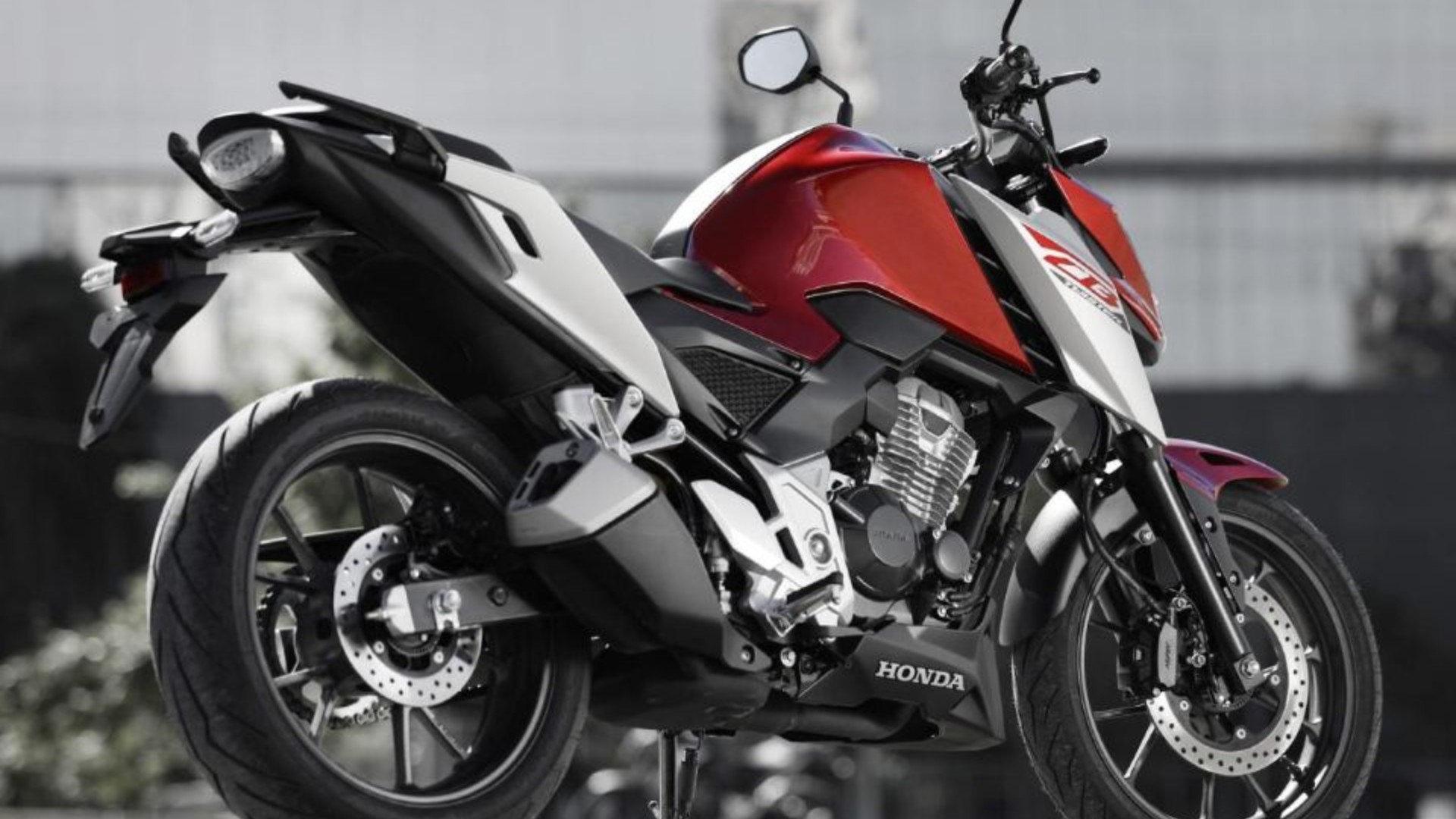
With a 293.5 cm³ engine and a range of up to 400 km with a 14.1-liter tank, the Honda CB 300F Twister 2026 has up to 24.7 hp, an initial price of R$ 25,150, and already exceeds R$ 29,000 in the Fipe Table.
-
With a 1.3 engine, nearly 700 km of range, and Turbo 200, the Fiat model surpasses Polo, Tera HB20, and Onix, becoming the best-selling car in March; see the numbers for the Fiat Strada and others.

Currently, the average price of electric cars ranges from R$ 150,000 to R$ 250,000, a value that still limits market penetration.
The Role Of GWM With The ORA 03 2026
The automaker GWM announced the ORA 03 2026, a vehicle that will have versions priced starting at R$ 169,000. The model will be equipped with batteries of different capacities, including a limited edition of 58 kWh, capable of running up to 315 km on a single charge, according to Inmetro.
The car will also feature a panoramic sunroof, an updated multimedia system, and connectivity via app. The company’s strategy is to offer a product that is intermediate between luxury electrics and entry-level models, but priced below the current market average.


This launch is considered an important milestone, as it opens a category of electrics closer to the price range of popular vehicles.
BYD’s National Production And Impact On Prices
Meanwhile, the Chinese BYD will begin local production of electric vehicles in 2026 at its factory located in Bahia. The unit will have the capacity to produce up to 150,000 units per year and is expected to generate thousands of direct and indirect jobs.
With manufacturing in Brazil, import costs will be reduced, which tends to lower final prices. The federal government has announced that import tariffs for electric cars are set to reach 35% by mid-2026, a measure that encourages national production.
The expectation is that, with this combination of factors, the country will finally have an affordable electric car produced at scale.
Chinese Competition And Expansion Of Supply
In addition to BYD and GWM, other Chinese automakers are already studying expanding their operations in the Brazilian market. GAC, for example, plans to invest R$ 6 billion in a plant in Brazil and start manufacturing electric models by the end of 2026.
This diversification should increase competitiveness, push prices down, and offer more model options for different consumer profiles.
According to a report by the Reuters agency, the massive entry of Chinese electric cars is already shaking up the automotive sector and forcing traditional manufacturers to adapt quickly.

The Future Of The Affordable Electric Car
With rising sales, confirmed national production, and government incentives, experts believe that Brazil is close to experiencing the popularization of electric cars. This change could accelerate the energy transition and reduce dependence on fossil fuels.
If the schedule is met, in 2026, Brazilian consumers will have the opportunity to purchase an electric vehicle with competitive pricing, autonomy over 300 km, and simplified maintenance compared to combustion models.
This movement solidifies the beginning of a new era in the national automotive sector, marked by more affordable prices, local production, and a greater variety of available electric models.
The information was published by specialized mobility portals such as InsideEVs, Terra, and the news agency Reuters, which monitor the official announcements of automakers and the regulatory environment of the automotive sector in Brazil.






-

-

-

-

-

-

19 pessoas reagiram a isso.