





 Portuguese
  English
  Spanish
  4 min of reading
  2 comments


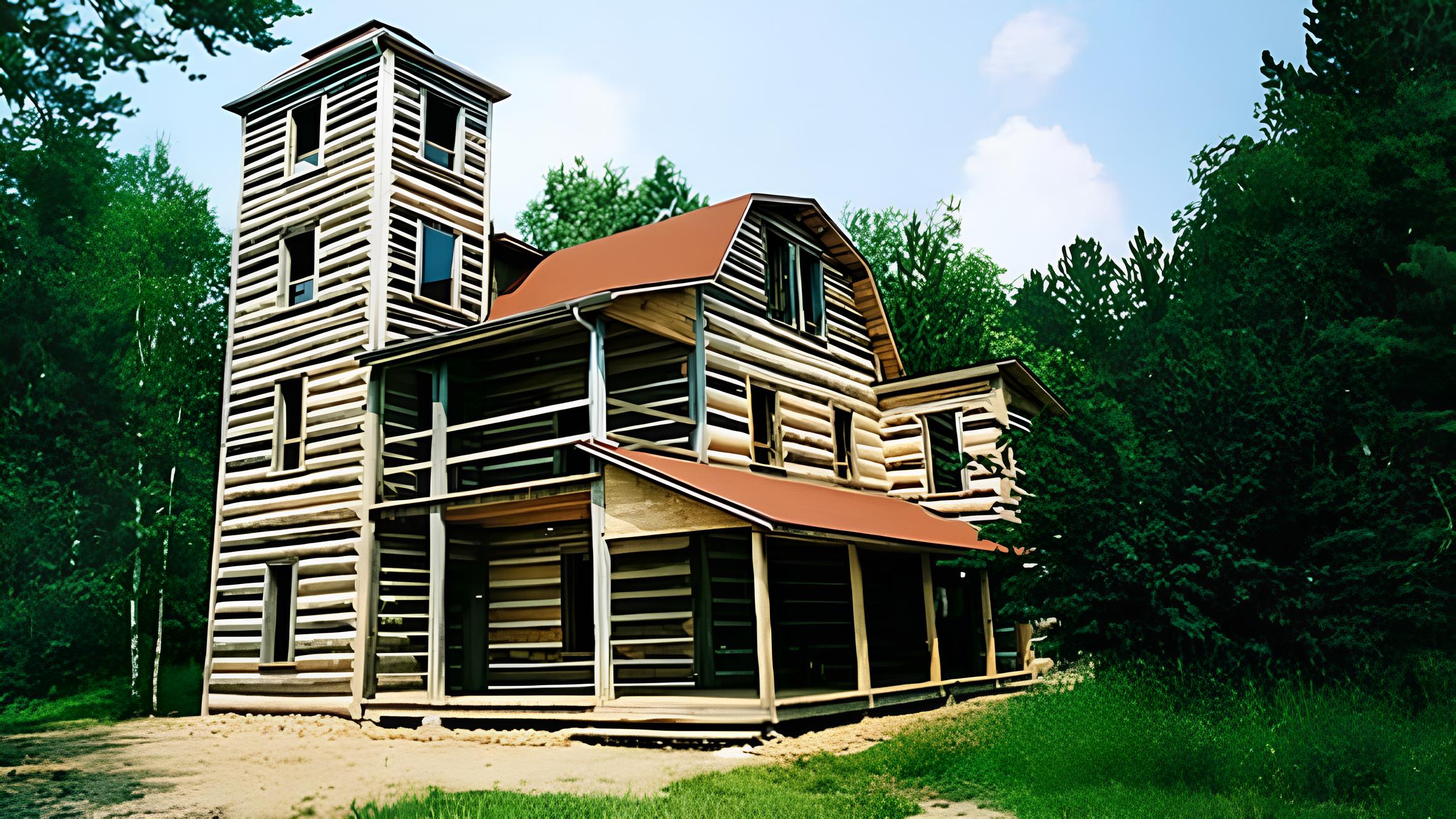


Man Built A Wooden Castle Alone In 12 Years In Canada, Using Whole Logs And Manual Techniques In One Of The Most Impressive Projects Of The 20th Century.
The story of White Otter Castle, one of the most impressive solitary constructions ever recorded in North America, began in 1903, when Canadian James Alexander “Jimmy” McOuat, at 51 years old, decided to turn a remote stretch on the shores of White Otter Lake in northwestern Ontario into an architectural project as ambitious as it was improbable. Without training in engineering or advanced carpentry, McOuat started building a wooden house that, over the years, evolved into a complete castle with three-story towers, massive log walls, and traditional joinery techniques that still attract the attention of experts today.
At that time, the region was practically isolated, accessible only by narrow trails, canoes, and waterways used by local hunters and traders. McOuat lived alone and had limited resources, but he recorded in letters and narratives preserved by local historians that he saw the castle as a way to “leave a mark on the world.” From 1903 onward, he devoted himself entirely to the project, cutting down trees, preparing logs, transporting materials, and raising walls with traditional manual joinery techniques of the region.
The Construction In 12 Years With Whole Logs
Historical records show that McOuat worked almost without interruption until 1915, totaling about 12 years of construction. There were no machines, portable sawmills, or auxiliary labor. He used:
-
Meta’s new smart glasses are not just for seeing; they use artificial intelligence, analyze your food, summarize messages, and can even change the way you work in professions like engineering.

-
According to an analysis by NASA, only one human-made structure is visible from space, and it is not the Great Wall of China or the Pyramids of Egypt.
-
After 377 years of history, the Brazilian Army will have its first female general: Colonel Claudia Cacho has been promoted to brigadier general by Lula and will receive the sword and command baton this Wednesday in Brasília.

-
A Mercado Livre customer opened their package and found 32 resumes of people looking for jobs crumpled as protective paper inside the box, exposing names, addresses, documents, and phone numbers of dozens of candidates.


- axe,
- hand saw,
- human-powered sleds,
- ropes to hoist logs,
- and a combination of notches and joints reminiscent of Scandinavian wood construction techniques.
The castle walls were raised with red pine logs, some taken from hundreds of meters away from the lake’s edge. Each log was transported manually or with the help of small improvised boats, and then precisely fitted into the main structure with millimeter accuracy.
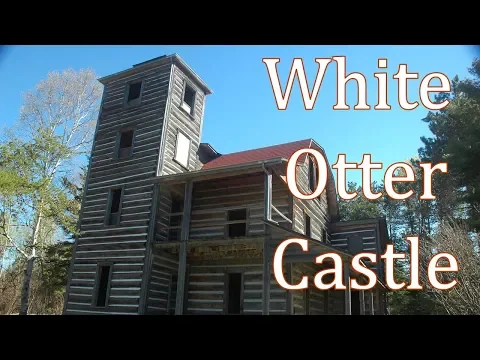

The final result is a construction of three floors, with:
- approximately 14 meters tall,
- symmetrical windows,
- a front tower reminiscent of 19th-century fortifications,
- and an interior divided into rooms, a main hall, and storage areas.
The structure still exists and remains surprisingly intact, considering that it is over a century old and has been exposed to winds, snow, and intense cycles of freezing and thawing.
The Extreme Isolation Of The Canadian Castle
White Otter Castle was built in one of the most isolated regions of Ontario, in an area that can still only be accessed by:
- boat,
- seaplane,
- or long trails that cross dense forests.
At the beginning of the 20th century, the isolation was even greater. McOuat carried supplies in small boats, stored food for the winter, and depended almost entirely on fishing, hunting, and small experimental crops. The few visits he received were from occasional fishermen or Cree hunters who roamed the area.
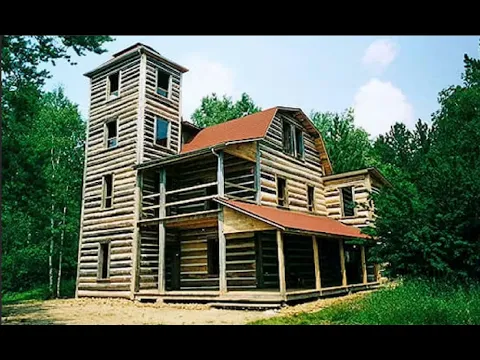
Accounts preserved by local museums indicate that the builder lived in practically absolute silence, with days beginning before dawn and ending after sunset, when he used lamps to continue measuring, fitting, or trimming wood.
Therefore, the castle is not just a curious construction: it is the result of a routine of isolation that would today be considered extreme, requiring unusual physical endurance, manual skill, and emotional control.
The Purpose Behind The Monumental Work
Although McOuat did not leave a formal diary, letters and preserved documents reveal motivations that mix personal assertion, desire for permanence, and a kind of silent protest against an episode from his childhood. According to local oral traditions, the builder had been called “useless” by a tutor, and the monumental construction was, in part, a way to prove otherwise.
More than anything, however, White Otter Castle is interpreted by historians as a work of pure determination: a project that had no economic relevance, did not fulfill orders, and had no commercial goal. It was the material expression of one man’s will to leave a lasting mark using only the tools and skills he possessed.
The Tragic End And The Preservation Of The Work
In 1918, just a few years after completing the construction, McOuat drowned in White Otter Lake after falling from his boat during a fishing trip. He was found still wearing work clothes, and the local community, small at the time, took care of burying him near the castle.
After his death, the castle remained abandoned for decades. Storms, snow, cracks, and leaks threatened to destroy the structure, but groups of locals and volunteers began preservation efforts in the 1970s. The Ontario government recognized the historical value of the construction, and the castle has been restored several times since then.
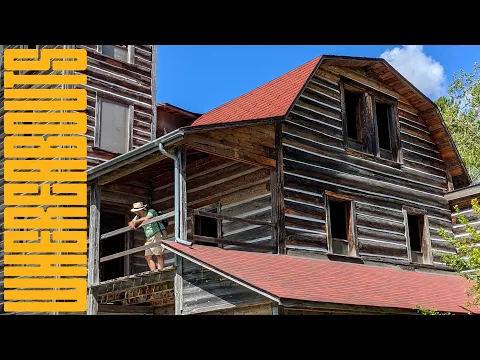
Today, it is considered one of the most impressive symbols of individual determination and is accessed by canoers, tourists, and wooden architecture enthusiasts. Even after over 100 years, many of the original logs are still intact.
The Legacy Of The Castle Built By One Person
White Otter Castle has become more than a wooden monument: it is a testament to human capability to carry out monumental works even without machines, crews, or funding. In a world where large constructions rely on hundreds of workers and advanced technologies, the existence of a castle built by just one man continues to intrigue engineers and attract visitors from various countries.
The legacy that remains is not just architectural. It is a narrative about persistence, isolation, ingenuity, and the power to transform a remote landscape into a lasting landmark. The castle at White Otter Lake is, to this day, one of the most unique solitary constructions in Canadian history.







Beautiful story and impressive. The Carruth Family of Dorchester Ashmont builders are in wonderment
Não pareçe nem longe com castelo , casa bangalô sim .