





 Portuguese
  English
  Spanish
  4 min of reading
  0 comments


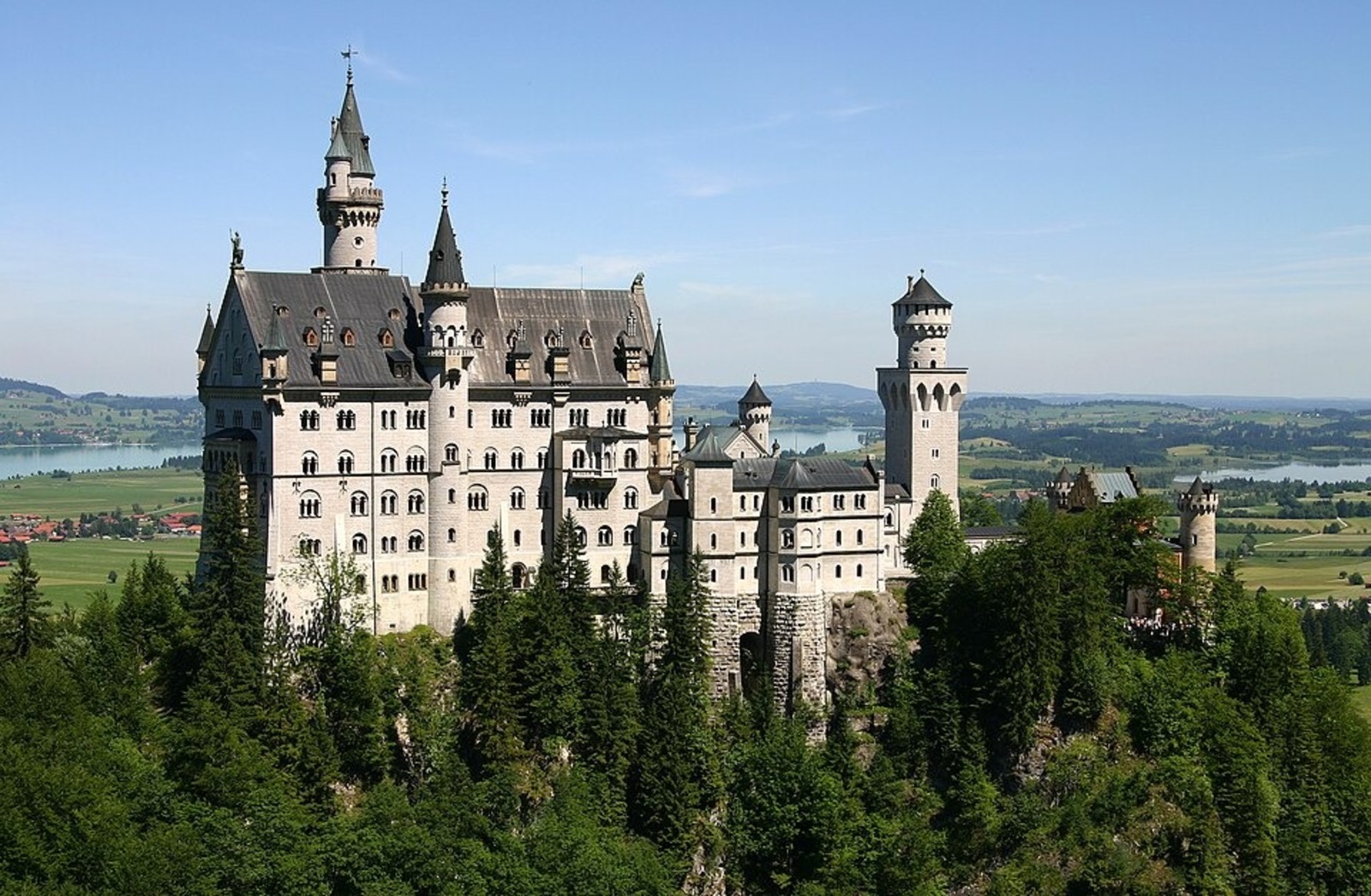
Raised By Ludwig II Of Bavaria In The 19th Century, Neuschwanstein Castle Combined Dream, Madness And Art — Inspired Disney, Survived The War And Is Now One Of The Most Visited Monuments In Germany
The Germany is home to hundreds of castles that bear witness to different periods of European history. Among them, none is as famous as Neuschwanstein Castle, located near the towns of Schwangau and Füssen, in southwestern Bavaria.
Its enchanted appearance, the past surrounded by legends, and the connection to the “mad king” Ludwig II made it one of the most visited monuments in Europe — and even a direct inspiration for Disney’s Cinderella Castle.
The Extravagant Dream Of A King
Ludwig II of Bavaria ascended to the throne at age 18 in 1864. Son of King Maximilian II and Princess Maria of Prussia, he quickly distinguished himself not for his political skill but for his fascination with art and architecture.
-
A 68-year-old pizza delivery driver went off route to buy a soda that was missing from a visually impaired customer’s order, refused an extra tip, and now Dan Simpson has over R$ 546,000 in donations from people around the world who want to ensure he can retire peacefully on April 30.

-
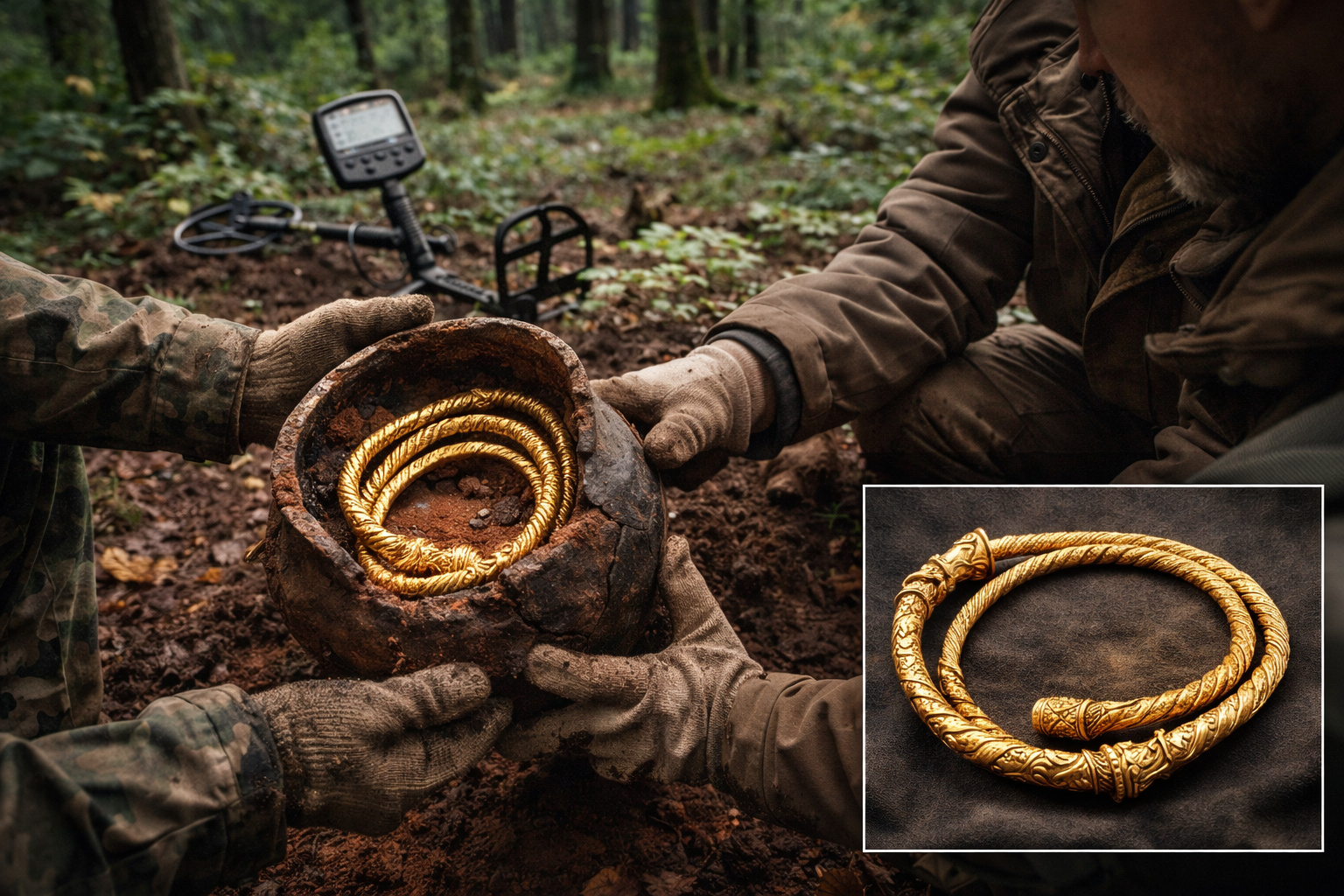
Amateur archaeologists were searching a forest in Poland with metal detectors when they found a ceramic pot buried for over 1,500 years. Inside was a pure gold necklace weighing 222 grams, folded to fit in the vessel, and when experts examined the piece, they discovered it was the first Gothic torque ever found in Polish territory.
-
Millions of people have been eating pomegranates for centuries without knowing that this ancient fruit contains punicalagins, which scientists are studying for their possible effects on memory and vascular health.

-
Argentina patrols the South Atlantic with ships built in France and monitors over 1.1 million km² with 87 m OPVs, a range of 7,500 miles, 360° radar, and a 30 mm cannon against illegal fishing in the 200-mile zone.

Called the “Fairy Tale King” by some and the “Mad King” by others, he devoted a good part of his life to building grand castles.
The most emblematic of them, Neuschwanstein, was born from his love of German mythology and the music of Richard Wagner.
In 1867, after visiting castles in Germany and France, Ludwig envisioned a structure that reflected the medieval romantic spirit. He hired architects and set designers, but he personally reviewed every detail of the project.
The result was a mix of styles — Gothic, Romanesque, and Byzantine — erected on the ruins of two ancient fortresses.
The work, which lasted almost two decades, employed hundreds of workers and became the main source of income for the region.
Debts, Isolation And Decline
In 1884, the king finally moved into the castle. However, his friend and main inspiration for the project, Wagner, had already died.
The construction consumed 3.2 million marks, leading Ludwig II to incur debts of 14 million. Still, he refused to stop the work.
Critics accused him of using public money, which was not true. Nevertheless, the growing isolation and exorbitant spending fueled rumors about his sanity.
Pressed by creditors, the king threatened to kill himself when new credit requests were denied.
In 1886, Bavarian ministers decided to remove him from power. A medical commission led by psychiatrist Bernhard von Gudden declared Ludwig II unfit to govern.
Two days later, he was taken to Berg Castle, on the shores of Lake Starnberg, for treatment.
The Mystery In The Lake
The outcome was tragic. The day after his removal, the king and the psychiatrist went for a walk and did not return.
Both were found dead in the shallow waters of the lake, with part of their bodies still above the surface.
The official report indicated drowning, but without water in the lungs — a detail that raised doubts. Theories range from a heart attack to murder during an escape attempt.
The fact is that Ludwig II lived only 172 days in Neuschwanstein, without seeing his work completed.
The Castle Open To The Public
After his death, Regent Prince Luitpold ordered that the castle be opened for visits. The decision saved the state’s finances: the money raised paid off all debts in a few years.
When World War I began, tourism was suspended, and with Germany’s defeat, the Bavarian monarchy came to an end.
However, the castle survived intact — and would play another historical role in the following decades.
Nazi Refuge For Stolen Art
During World War II, the Nazis transformed Neuschwanstein into a hideout for artworks stolen throughout Europe.
Its location, near the border with Austria and away from major bombing targets, made it ideal.
More than 20,000 pieces were stored there, ranging from paintings to sculptures and documents. The scheme was only revealed thanks to French curator Rose Valland, who, infiltrated among the Germans, secretly recorded the fate of the artworks.
Her information allowed the Allies to reach the castle in 1945 and recover the collection.
Neuschwanstein Castle: Global Symbol And UNESCO World Heritage
Decades later, Neuschwanstein continued to fascinate the public. Walt Disney drew inspiration from its architecture to create Cinderella’s castle and the studio’s logo.
Today, the monument receives more than a million visitors a year and was recently recognized by UNESCO as a World Cultural Heritage site.
What began as the daydream of an isolated king has transformed into one of Germany’s most iconic postcards — a castle that blends art, tragedy, mystery, and history.
With information from Adventures In History.






-

Uma pessoa reagiu a isso.