





 Portuguese
  English
  Spanish
 3 min of reading
  51 comments



Understand The Boundary Issue: A Centuries-Long Conflict Between The States Of Ceará And Piauí That Is Far From Over!
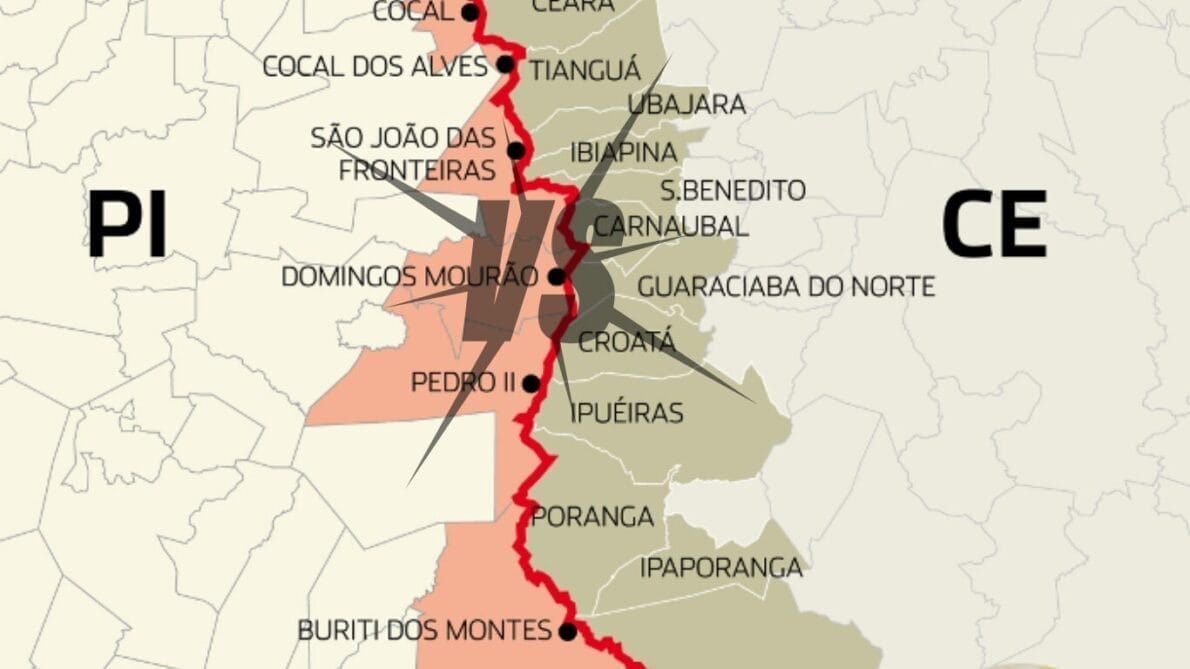
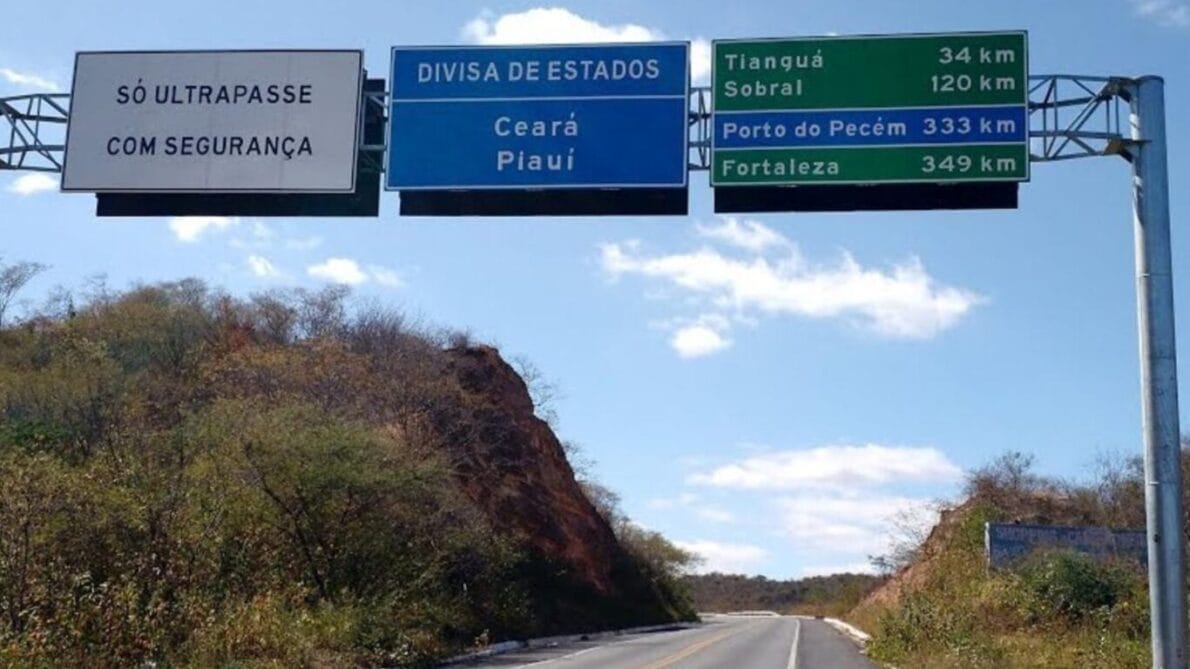
The territorial dispute between Ceará and Piauí dates back to the early 16th century, involving historical lawsuits that continue to this day. The case, which has been pending in the Federal Supreme Court (STF) since 2011, covers an area of 2,821 km², directly affecting 13 municipalities. Piauí’s claim is based on interpretations of ancient documents, such as the Imperial Decree of 1880 and the Arbitration Agreement of 1920. However, Ceará advocates for the maintenance of borders established over a century ago, according to tvceará.
The history of this conflict is marked by divergent interpretations of laws and ancient agreements, involving both legal and historical aspects. In this text, we will explore the main points of this territorial dispute, understand the arguments of both states, and analyze the impact of this issue in the region.
The Origin of The Litigation: Imperial Decree of 1880
The Imperial Decree of 1880 is one of the central documents in this territorial dispute. This decree established an exchange of territories between the states, ceding a coastal strip from Piauí to Ceará. In addition, the old delimitations included the Ibiapaba Mountain Range within the Ceará boundaries, which is currently contested by Piauí.
-
USA and China compete for Brazil over resources that could be worth trillions — rare earths put the country at the center of a global dispute

-
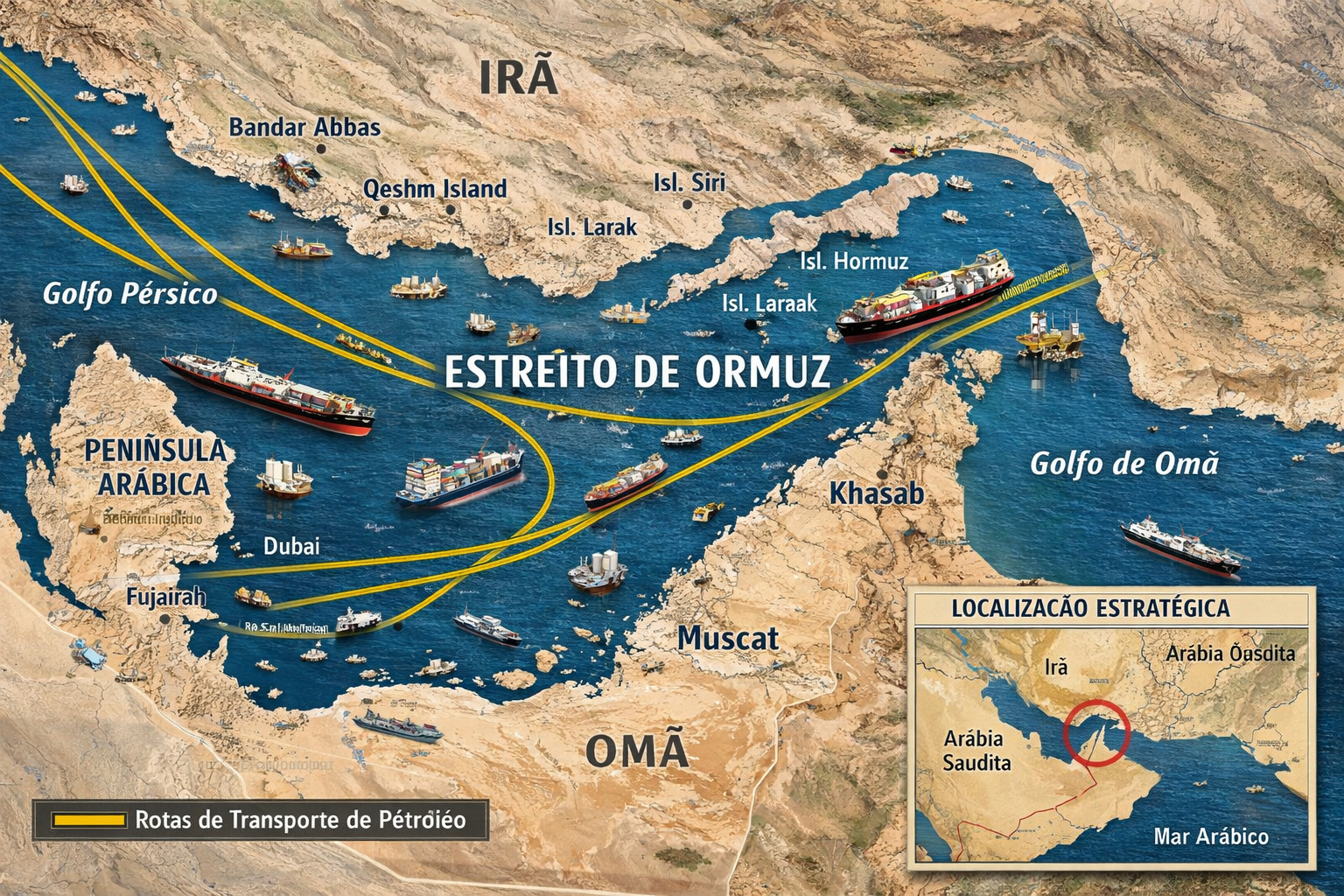
Global summit with over 40 countries pressures Iran for a blockade in the Strait of Hormuz and warns of direct impact on oil, food, and the global economy.
-
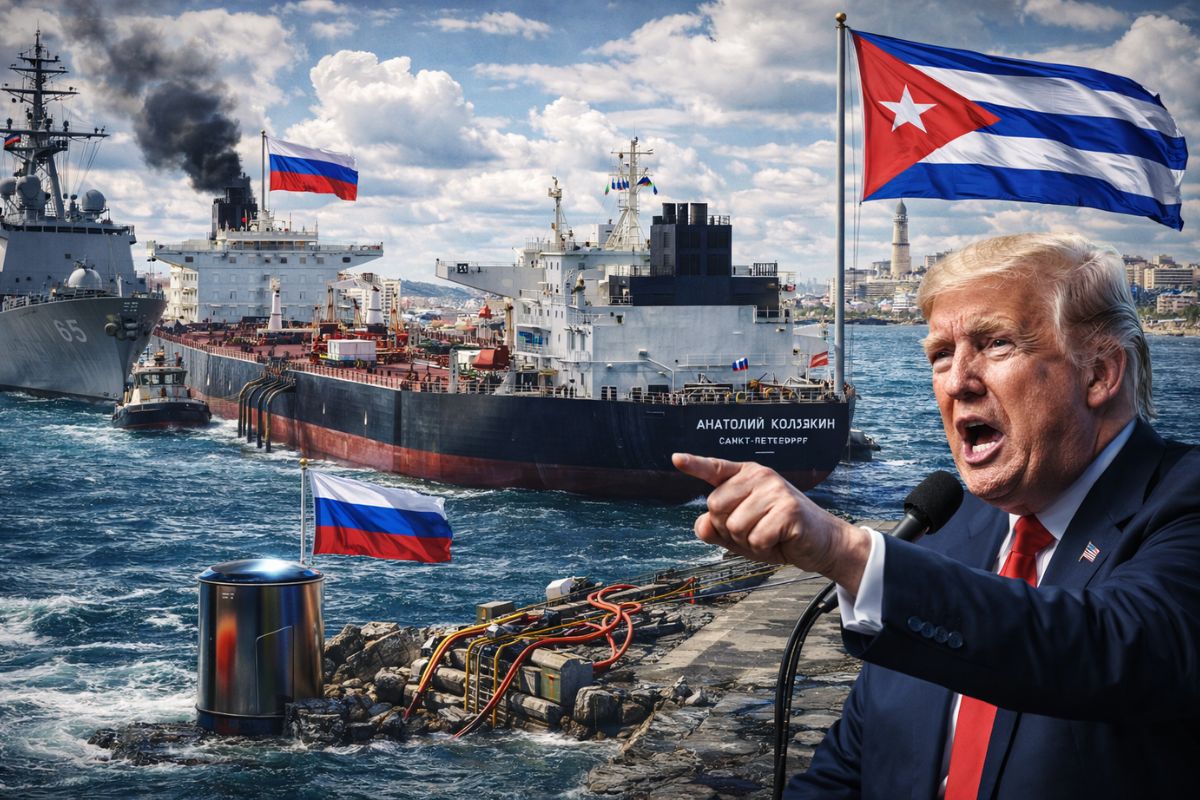
Russia has broken the U.S. maritime blockade to send oil to Cuba and is now loading a second ship while Trump says that “Cuba is next” in a possible military action against the island.
-
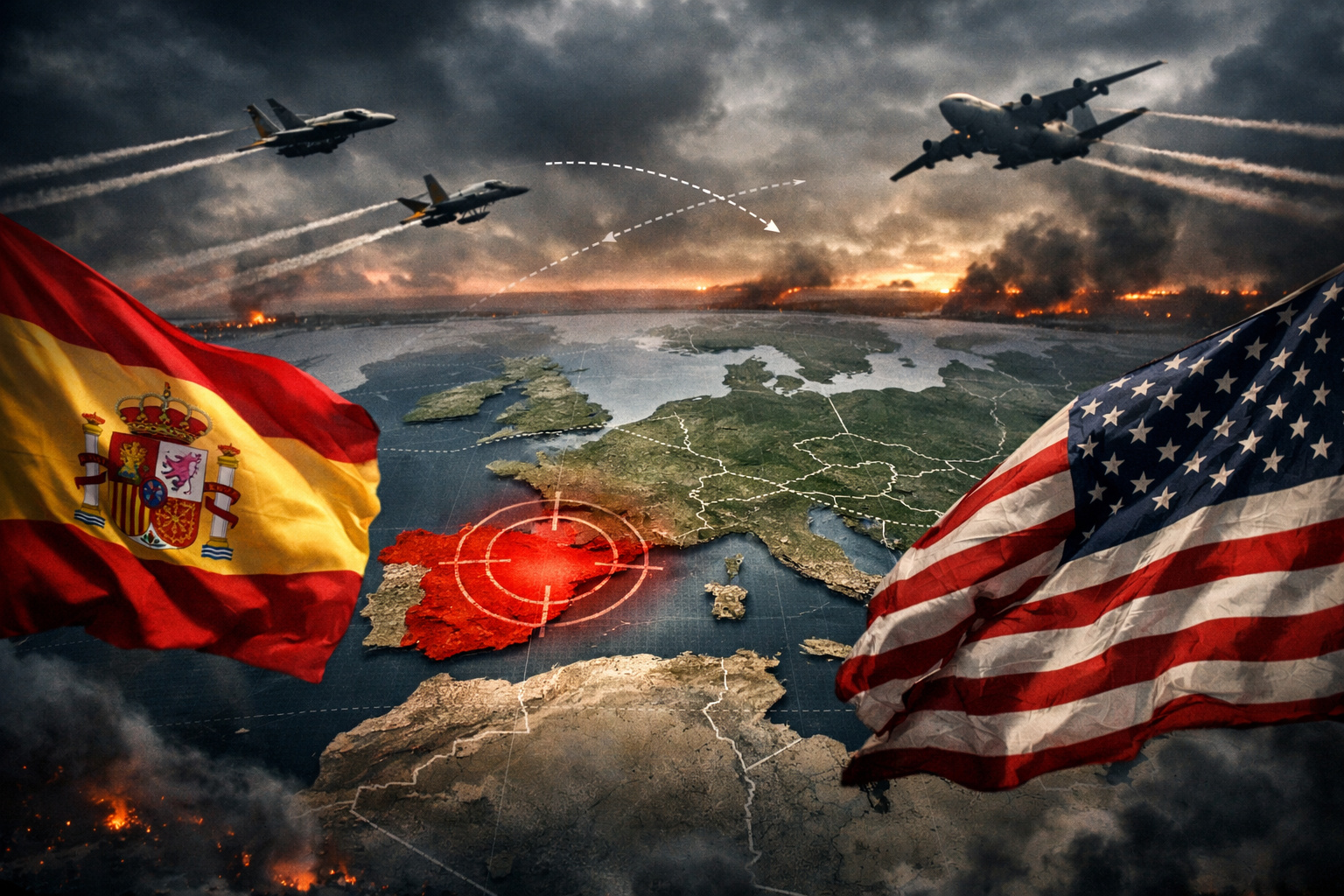
Spain challenges the USA and closes its airspace for operations against Iran, raising global tension and provoking the threat of a trade rupture.

Piauí argues that the interpretation of this decree allows for the annexation of the Ibiapaba Mountain Range, while Ceará maintains that the demarcation is clear and definitive. “For Ceará, the decree of 1880 is as clear as water: the Ibiapaba Mountain Range is ours!”, assert the Ceará advocates.
The Arbitration Agreement of 1920: An Unratified Agreement
Another crucial point in the litigation is the Arbitration Agreement of 1920, which proposed a change in the boundary between the states, transferring the Ibiapaba Mountain Range to Piauí’s control. However, this agreement was never approved by the Ceará legislature, which, according to the state, invalidates any claim based on this document.
“Piauí is trying to cling to an agreement that was never formalized. It’s like trying to buy a house without signing the contract!”, say the Ceará residents. This issue has been a stumbling block for both states, prolonging the conflict and creating a legal impasse.
Historical Roots: The Possession of The Ibiapaba Mountain Range
The Ibiapaba Mountain Range, the central focus of this dispute, is claimed by Ceará based on historical documents dating back to the 18th century. A document from 1720 confirms the possession of the mountain range by the Ceará residents since the time of the Jesuits, strengthening the state’s argument against Piauí’s annexation attempts.
The Ceará residents emphasize that this region has been part of Ceará for centuries and that historical continuity must be respected. “It’s not just a matter of territory; it’s a matter of identity and history!,” they argue.
The Future of The Dispute: STF and Regional Implications
The action in the STF is still ongoing and there is no forecast for when it will be concluded. This impasse creates uncertainties for residents in the disputed areas and for state governments. Furthermore, the undefined boundaries directly affect public administration and resource allocation in the contested regions.
Meanwhile, both states are awaiting a decision that could finally resolve this century-old issue. The territorial dispute between Ceará and Piauí continues to be an example of how historical and legal interpretations can influence sovereignty and territorial administration in Brazil.
Piauí x Ceará, Who Wins?
The dispute between Ceará and Piauí is a complex issue that involves interpretations of historical documents, legal aspects, and regional identities. The outcome of this litigation will have a significant impact not only on the states involved but also on the understanding of state boundaries in Brazil. While the STF has yet to reach a final decision, history continues to be written and revisited by both sides, each defending its vision of justice and sovereignty.







Vão procurar o que faser! Ceará e Ceará desde de toda existência. Piauí que vá tomar na lata.
O correto seria unir todos os estados do nordeste para enxugar o funcionalismo público estadual: diminuir prefeitos, diminuir secretários, diminuir deputados e tentar fazer a região auto suficiente sem depender de esmola que o governo federal recolhe dos Estados do centro-oeste, sul e sudeste.
ESMOLA???????
O Piauí é tão largado pelos seus políticos governantes que colocar mais cidades vai ferrar com o povo que estará sendo anexado a ele…o povo no Piauí já sofre com a pobreza imagine colocando mais cidades???